When Apple redefines the standards of environmental protection and precision in consumer electronics manufacturing by using 3D printed titanium powder to reshape the Apple Watch case, achieving a 50% reduction in material usage and saving 400 tons of raw materials annually, this technology, once considered exclusive to “high-end prototypes,” is quietly entering the realm of everyday EDC (Everyday Carry) products.
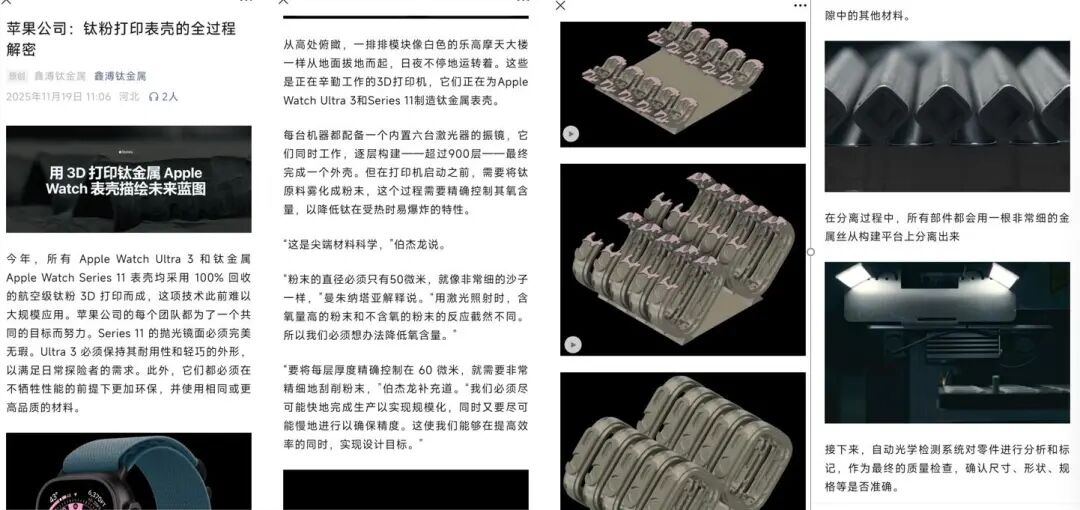
Oh, here is a screenshot of the application information for Apple’s titanium powder 3D printing:
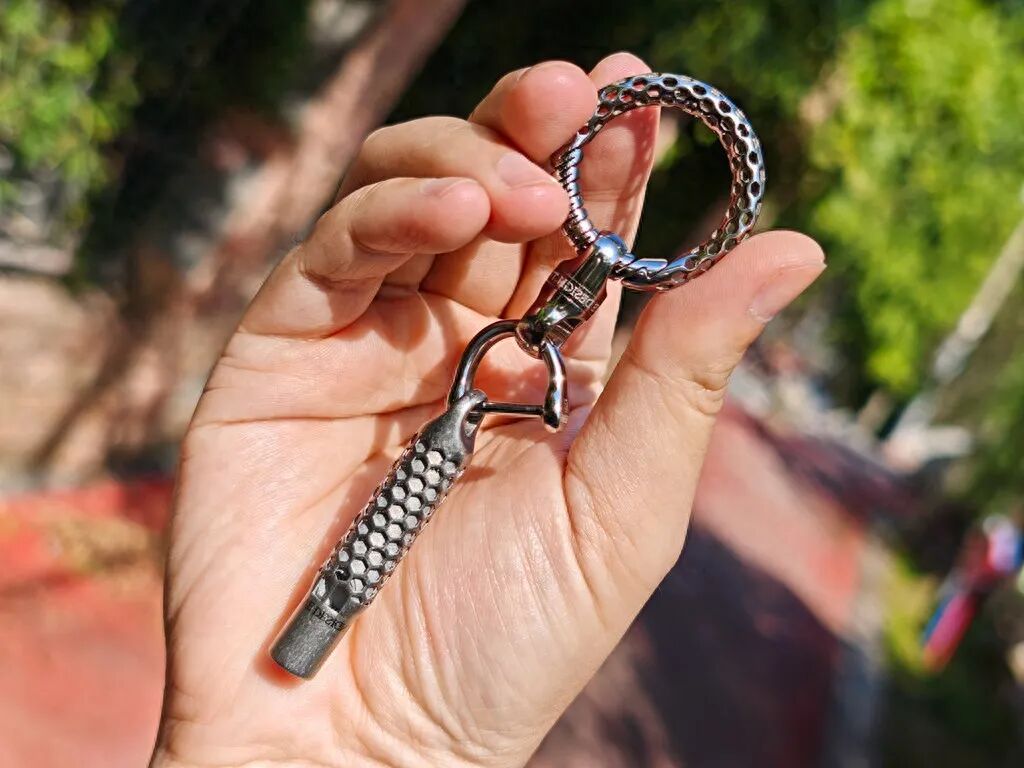
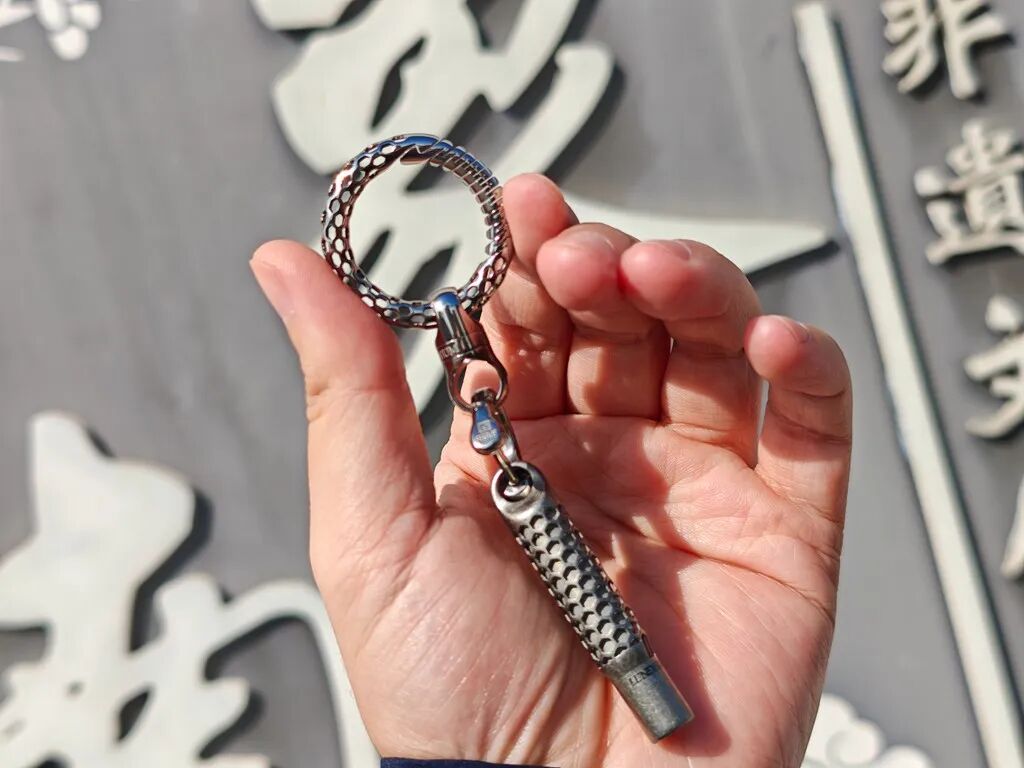
The recently handled FEGVE hollow ultra-light titanium alloy car keychain and all-titanium honeycomb hollow whistle are typical representatives of this technology being applied to consumer products — originating from the same titanium powder 3D printing process used in the Apple Watch case, making “extreme lightweight” and “complex structural aesthetics” no longer exclusive to high-end digital products, but integrated into practical art for everyday carry.
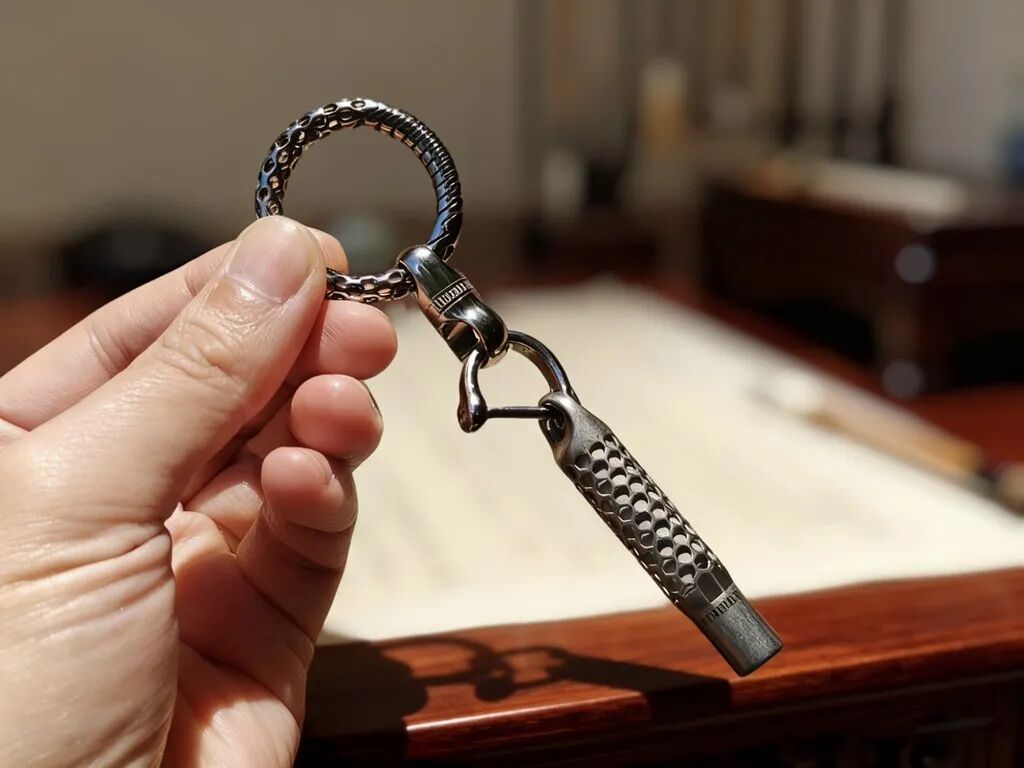
As usual, let’s first take a look at the packaging.
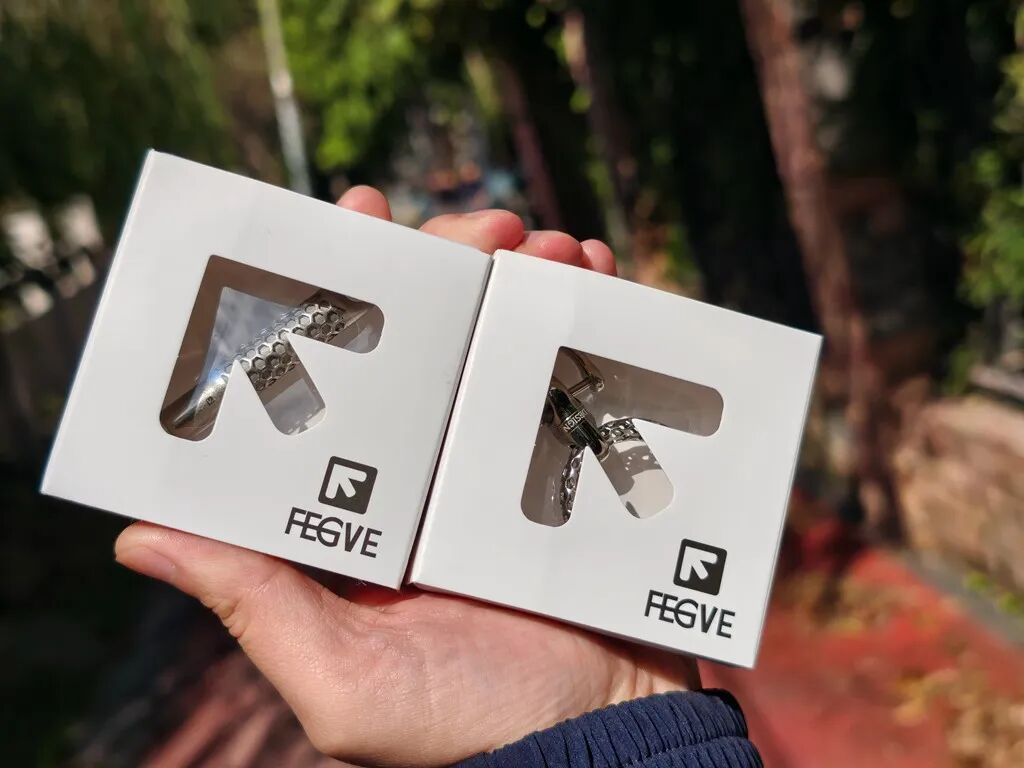
As always, the style is exquisite. If given as a gift to friends, I think it would be quite impressive.
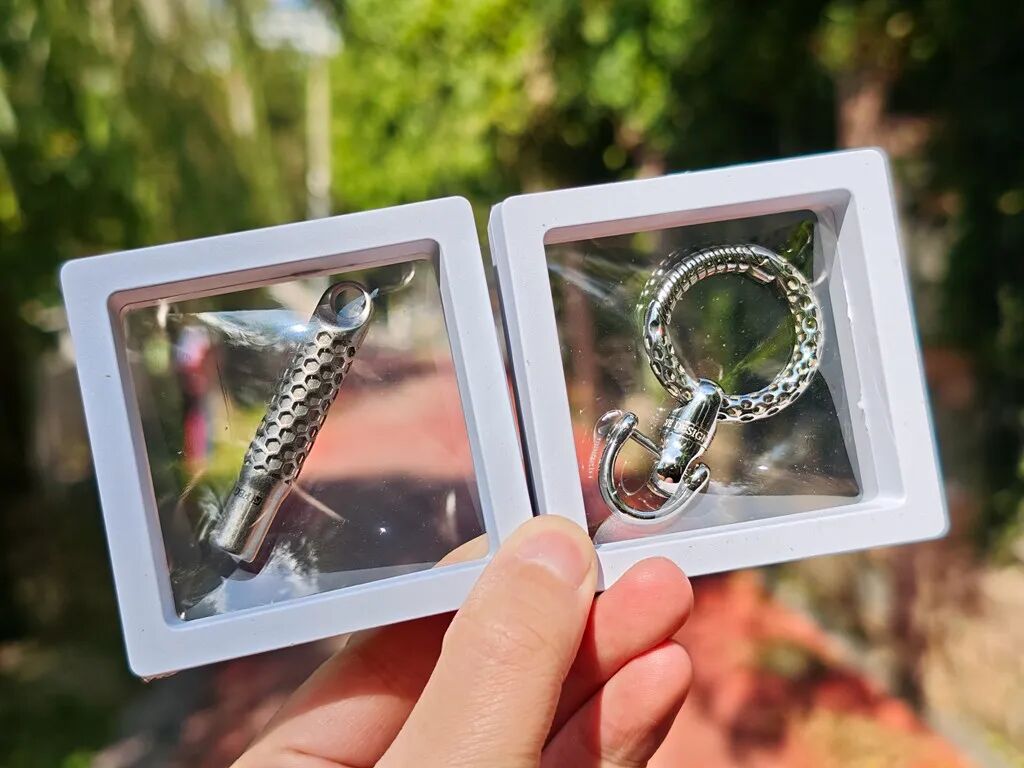
First, let’s look at this revolutionary hollow ultra-light titanium alloy car keychain.
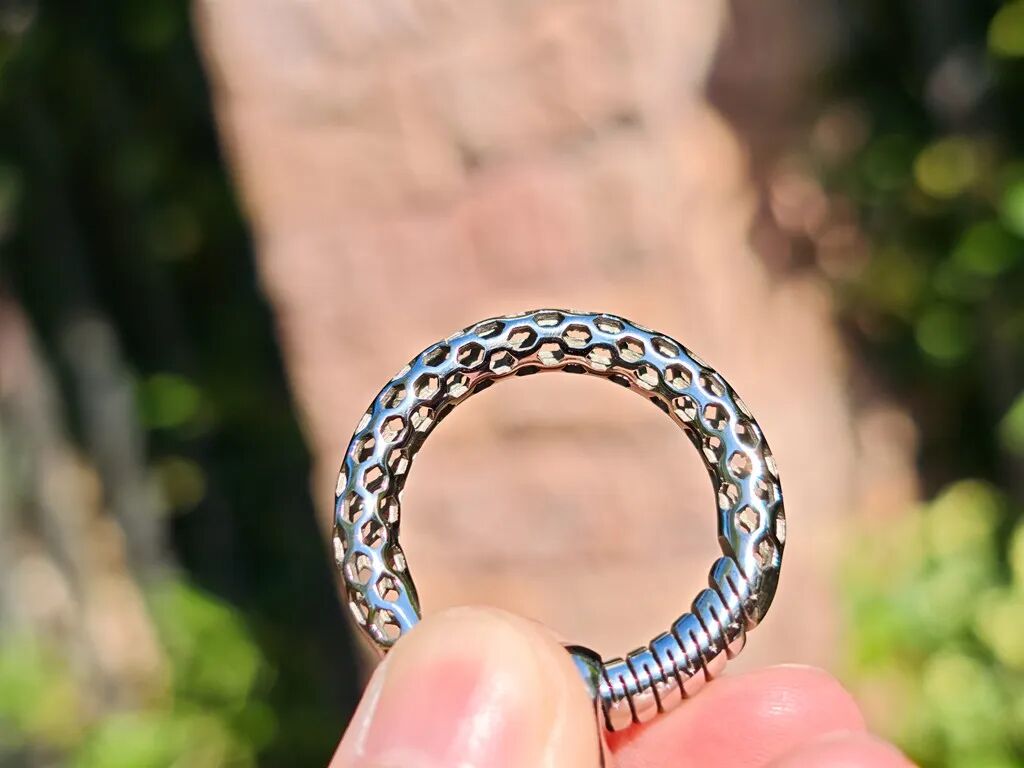
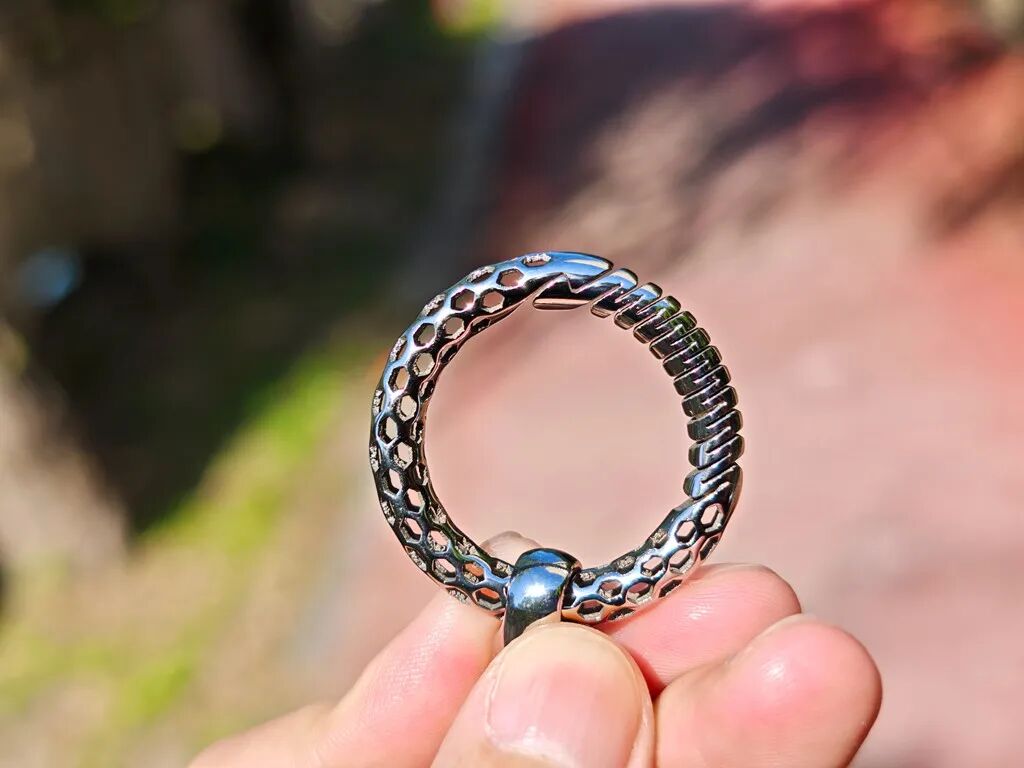
When I first weighed it, the electronic scale showed “3g±” data, which made me think the measurement was incorrect — it’s worth noting that ordinary stainless steel keychains typically weigh over 15g, and even common titanium alloy versions rarely weigh less than 8g. This lightweight does not come at the expense of strength; the entire body is made of aerospace-grade titanium alloy, which, after being layered and formed by 3D printing technology, not only retains the corrosion resistance and scratch resistance of titanium metal itself but also achieves a perfect balance of “light as a feather” and “strong and durable”.
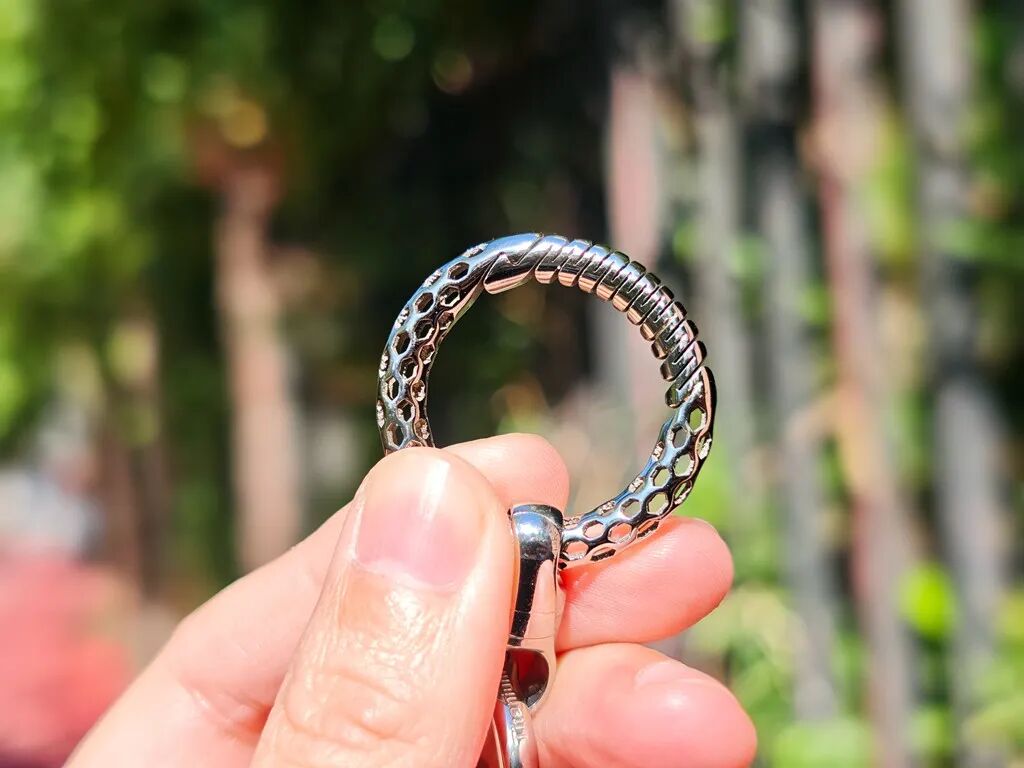
In actual use, the keychain’s detailed design reflects a precise solution to “daily usage pain points.” The inner diameter of 23MM± and outer diameter of 33MM± perfectly fit mainstream car keys and key rings, while the thickness of 5mm± ensures a solid grip without feeling “thin and flimsy” due to excessive lightweight.
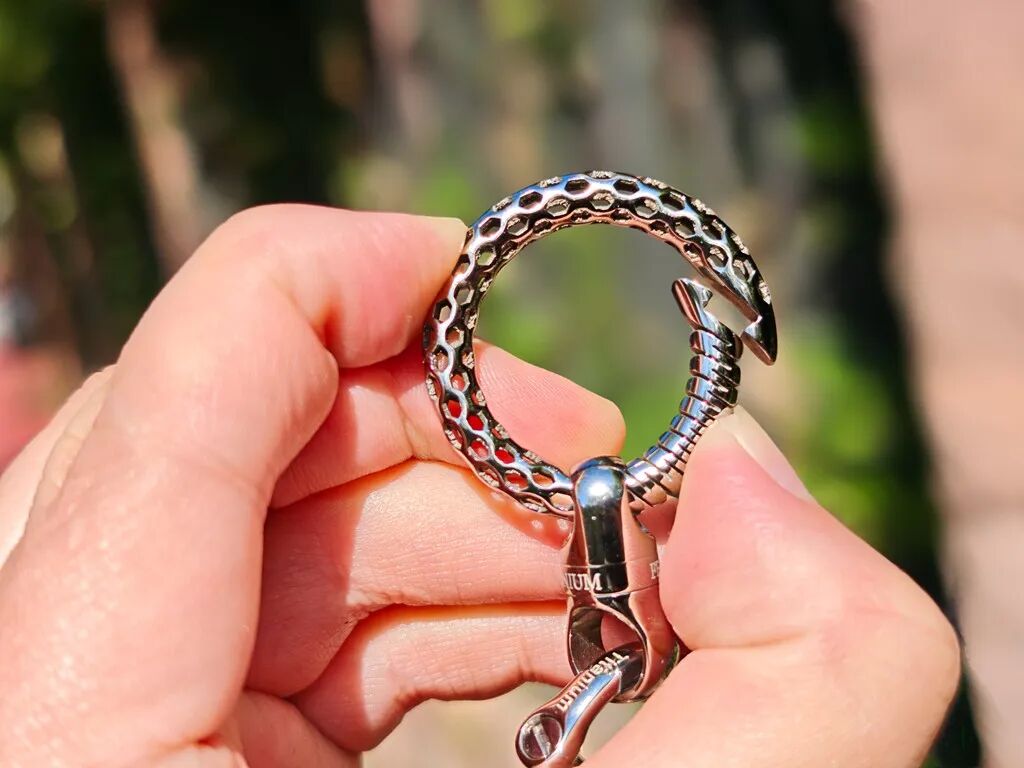
The most surprising feature is its 360° infinite rotation structure: when paired with the FEGVE exclusive titanium capsule and horseshoe buckle, the keychain body can smoothly rotate around the axis, whether hanging on a belt buckle or held in hand, without the traditional keychain’s “swaying noise” issue.
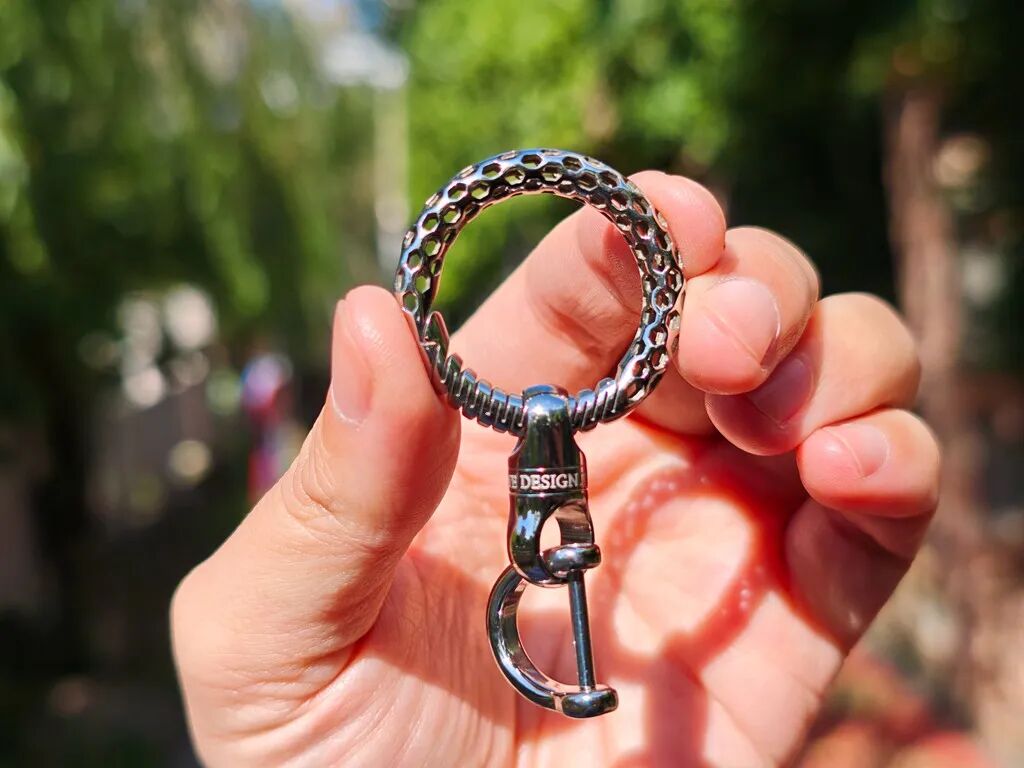
While walking, it quietly fits against the waist, hardly feeling like an extra burden; while driving, there’s no need to worry about the keys shaking and colliding with the center console. This “invisible wearing” experience has completely changed my perception of keychains.
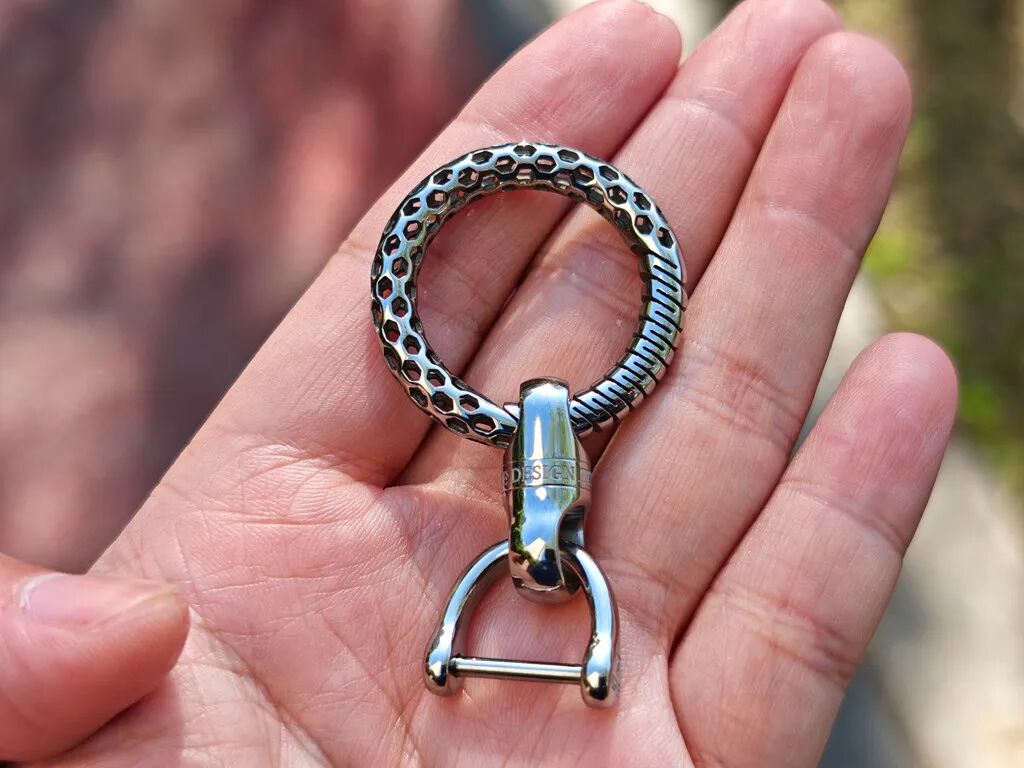
Even more commendable is the structural freedom granted by 3D printing technology. Traditional forging or CNC machining processes, limited by the characteristics of “subtractive manufacturing,” find it difficult to achieve “internal and external transparency” in such a small keychain with complex hollow designs — either the structural strength is insufficient, forcing a simplification of the design, or the processing difficulty leads to skyrocketing costs. The titanium powder 3D printing process used by FEGVE is derived from the same technology used by Apple to manufacture the Apple Watch case: extremely fine titanium powder (with a diameter of only about 50 microns, consistent with the powder specifications used for the Apple Watch case) is melted layer by layer by laser, under precise computer control, creating a bionic honeycomb structure that traditional processes cannot achieve. This structure not only reduces the weight to 3g but also forms a uniform stress distribution inside the keychain, ensuring that after months of friction with belts and pocket edges, the surface remains as smooth as new, without noticeable scratches or deformation, far exceeding durability expectations.
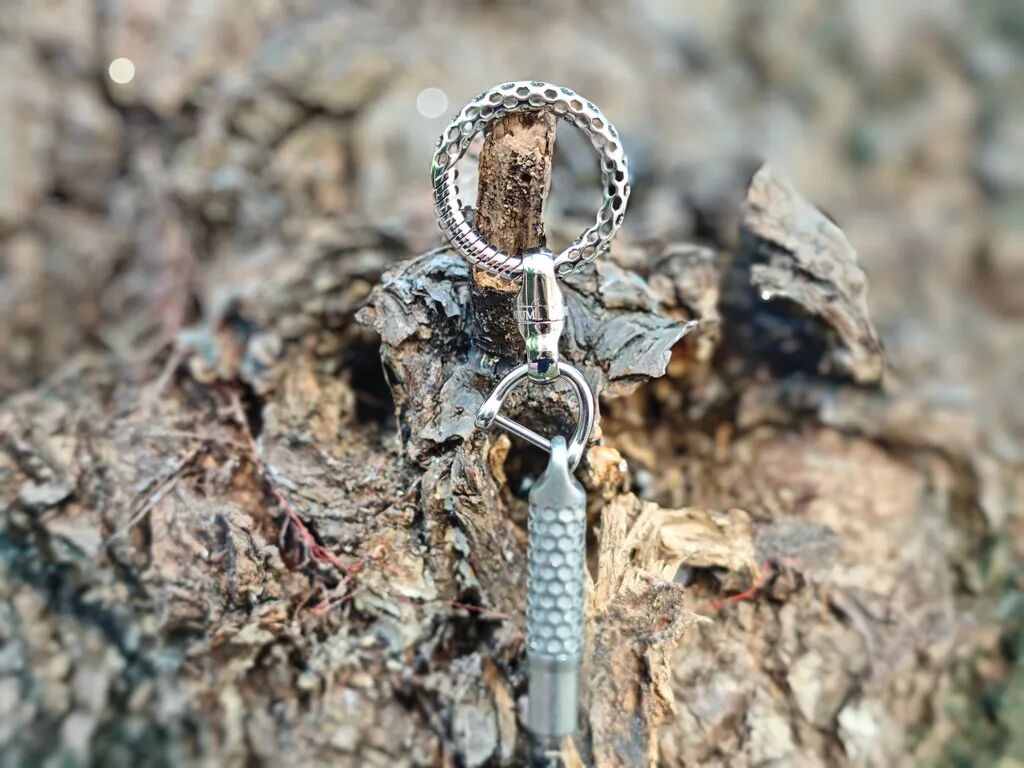
If the highlight of the keychain lies in the “lightweight revolution,” then the all-titanium honeycomb hollow whistle from the same series extends the advantages of 3D printing to the “fusion of function and aesthetics.”
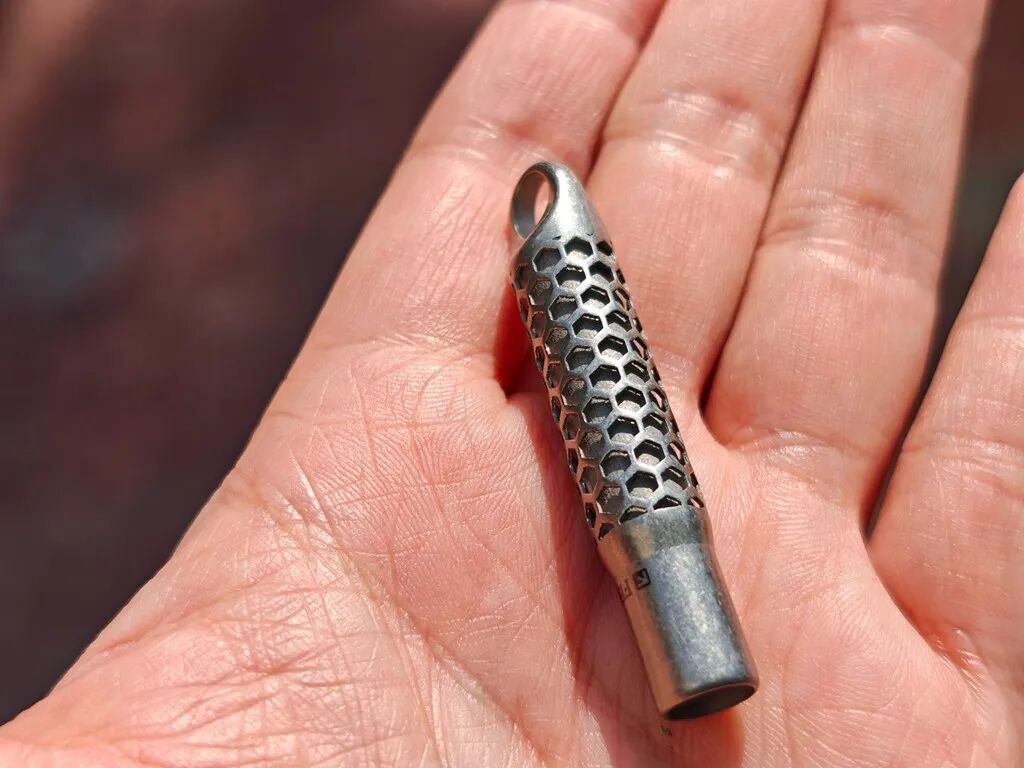
Weighing only 4.98g, equivalent to two coins, it feels almost weightless in hand, yet can produce a crisp sound of over 120+ decibels when blown — this volume is sufficient to penetrate noisy environments in outdoor emergencies, achieving the effect of calling for help or warning.
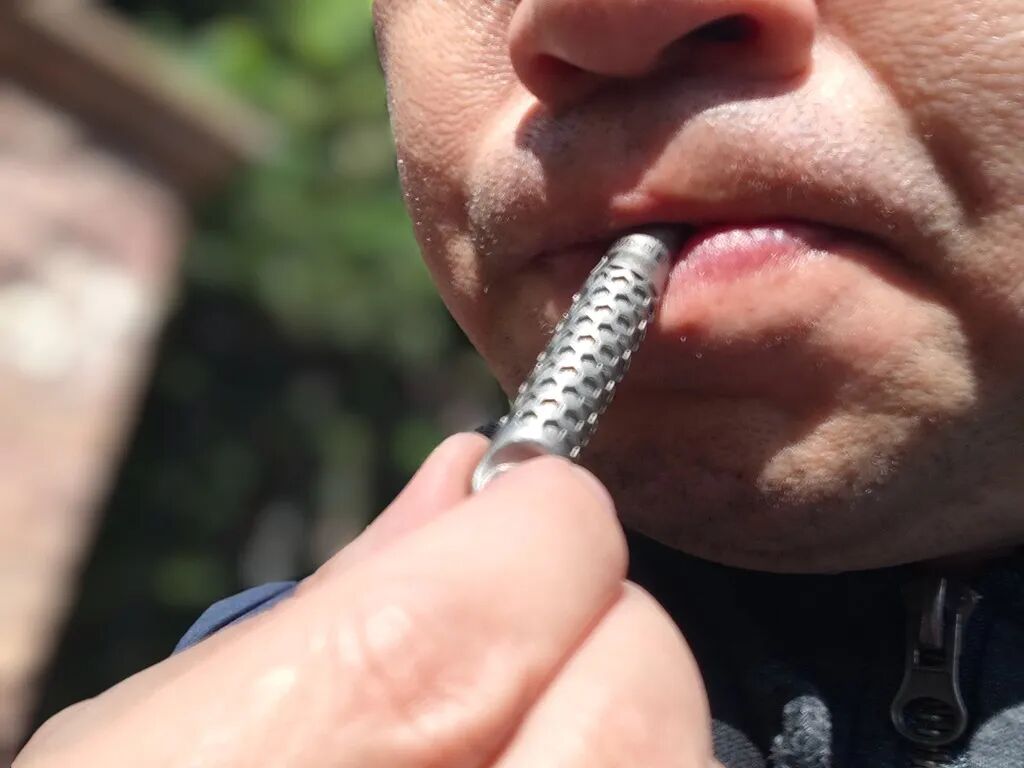
The whistle’s penetrating sound comes from its unique “no-ball double-hole whistle core design”: abandoning the traditional ball structure that can easily jam, the precisely formed air channel through 3D printing allows for stable resonance when air flows through, enabling a clear and loud whistle sound even with light blowing, avoiding the awkwardness of “blowing too hard but not loud enough.”
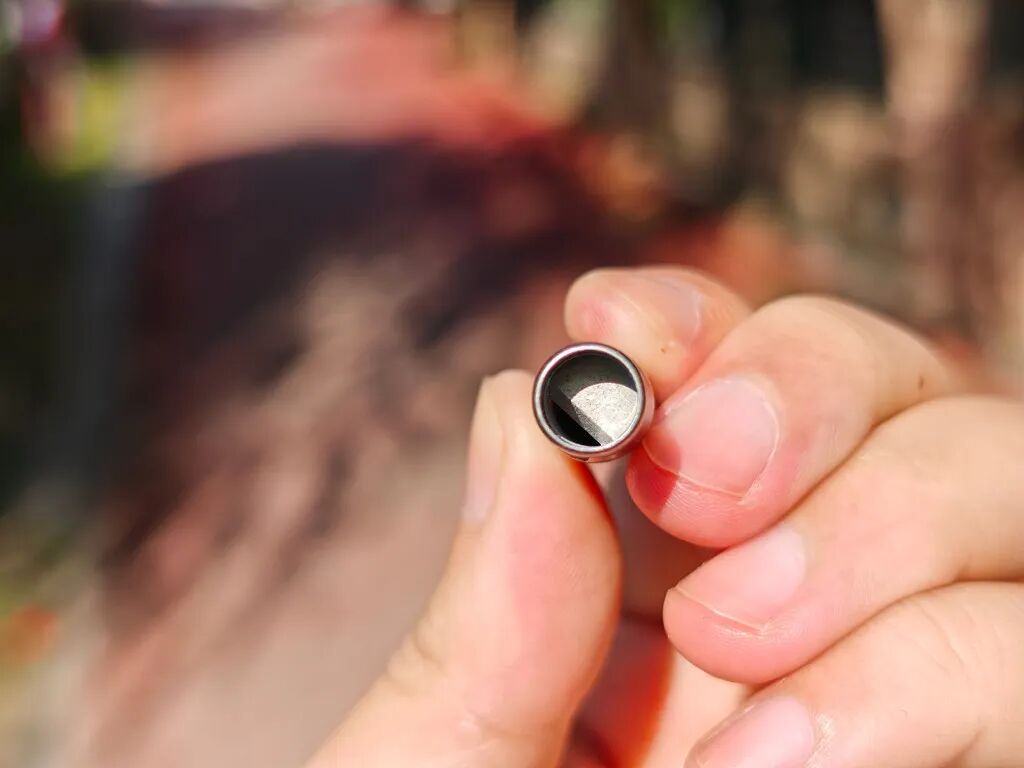
The honeycomb hollow design of the whistle also conceals clever ideas. The bionic hexagonal structure not only adds visual “aesthetic value” but also serves multiple functions in practical use: on one hand, the hollow shape significantly reduces weight, allowing the whistle to be easily hung on keychains, backpacks, or necklaces, becoming a “burden-free” safety equipment; on the other hand, the hollow gaps facilitate quick drainage and drying — even if it accidentally gets wet during outdoor activities or comes into prolonged contact with skin sweat, it can dry quickly, and combined with the titanium metal’s inherent “biocompatibility and corrosion resistance,” there’s no need to worry about rust or bacterial growth, making it safe for both adults and children to use.
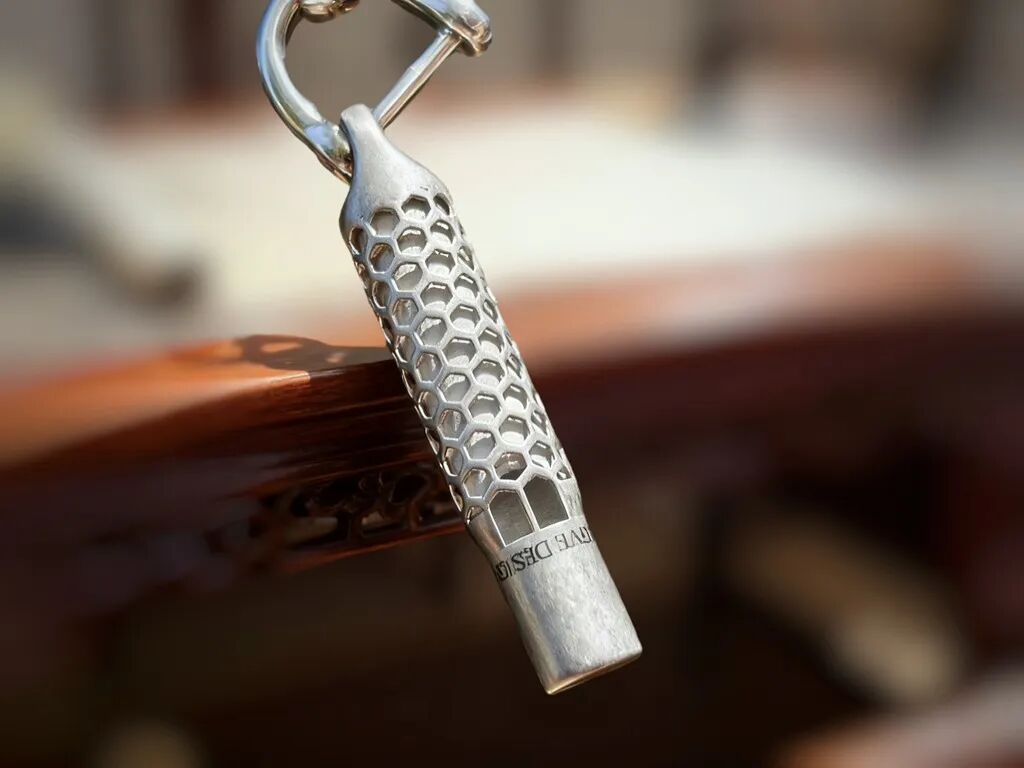
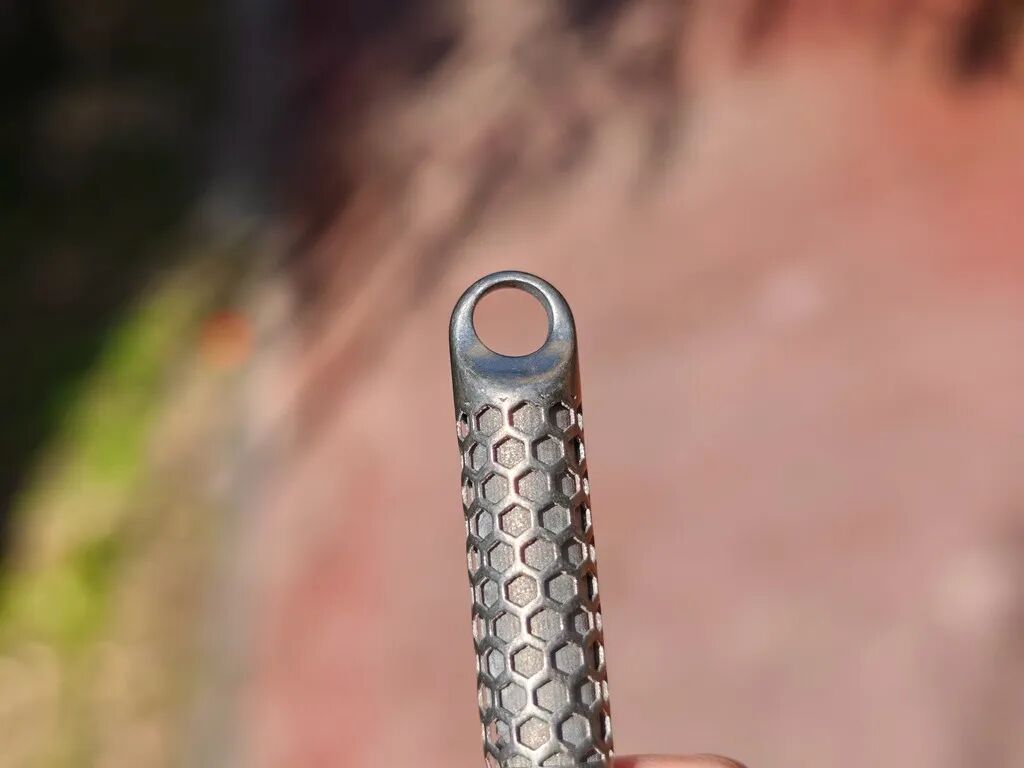
The 6mm oversized hanging hole design provides more carrying options, whether paired with a leather lanyard or a metal chain, it can easily adapt, combining practicality and decoration.
Comparing the 3D printing process of the Apple Watch case, it is not difficult to find the technical commonality of these two FEGVE products: both use aerospace-grade titanium powder as raw material, both are formed layer by layer through laser melting, and both break through the limitations of traditional processes — Apple uses this technology to achieve “the case is close to the final shape, reducing material waste by 50%”, while FEGVE uses it to create “extreme lightweight daily necessities.”
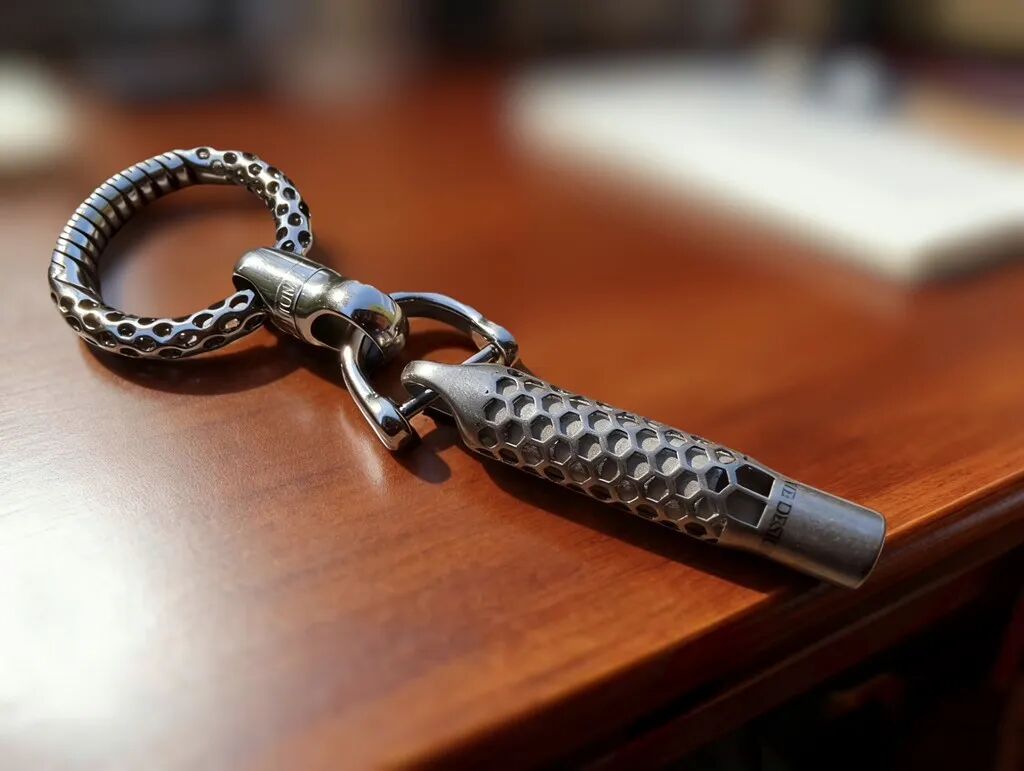
More importantly, both incorporate the “environmental concept” into the manufacturing process: Apple saves 400 tons of titanium raw materials annually through 3D printing, contributing to the 2030 carbon neutrality goal; FEGVE reduces resource consumption in the production of daily necessities through efficient material utilization and the recyclability of titanium metal. This “technological commonality and shared philosophy” makes these two EDC products not only “practical tools” but also carriers of a “sustainable lifestyle.”
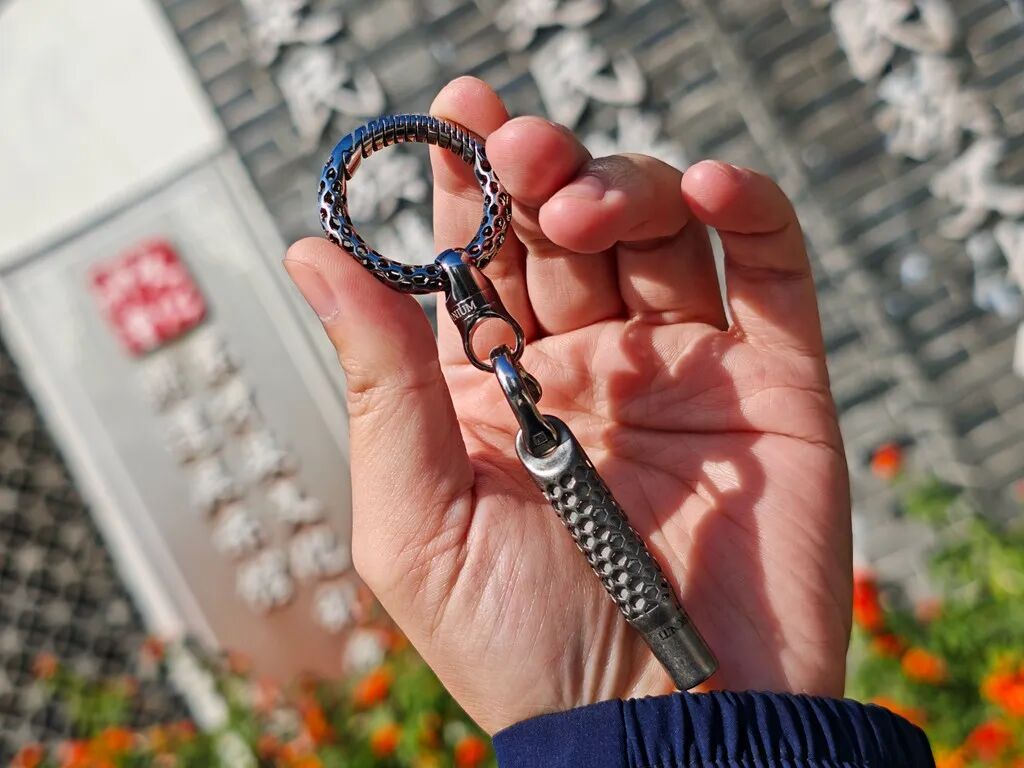
In daily use, the “presence” of these two small items is quite subtle — they are light enough not to be a burden; yet practical enough to always come in handy when needed: the keychain solves the problem of “key jangling noise,” while the whistle adds an extra layer of safety for outdoor activities.
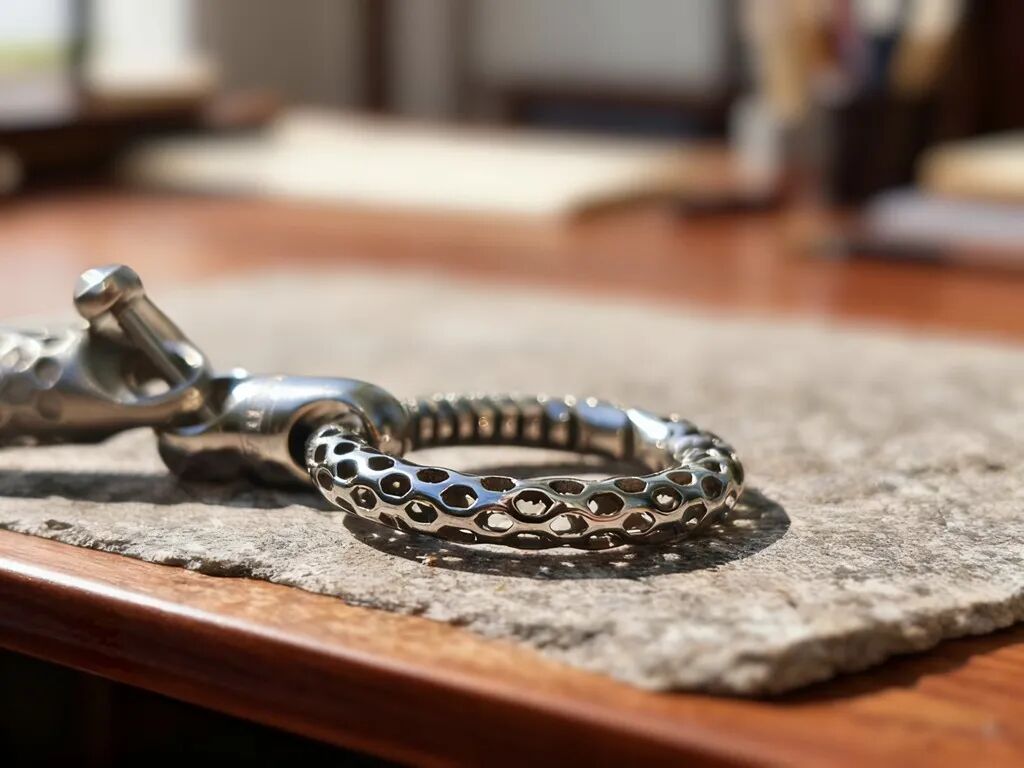
Even more rare is the unique texture granted by 3D printing, which allows them to exude a sense of “delicacy” in the details: the hollow patterns of the keychain are evenly delicate, and the surface treatment of the whistle is smooth and burr-free, with no visible flaws left by traditional processing even under magnification.
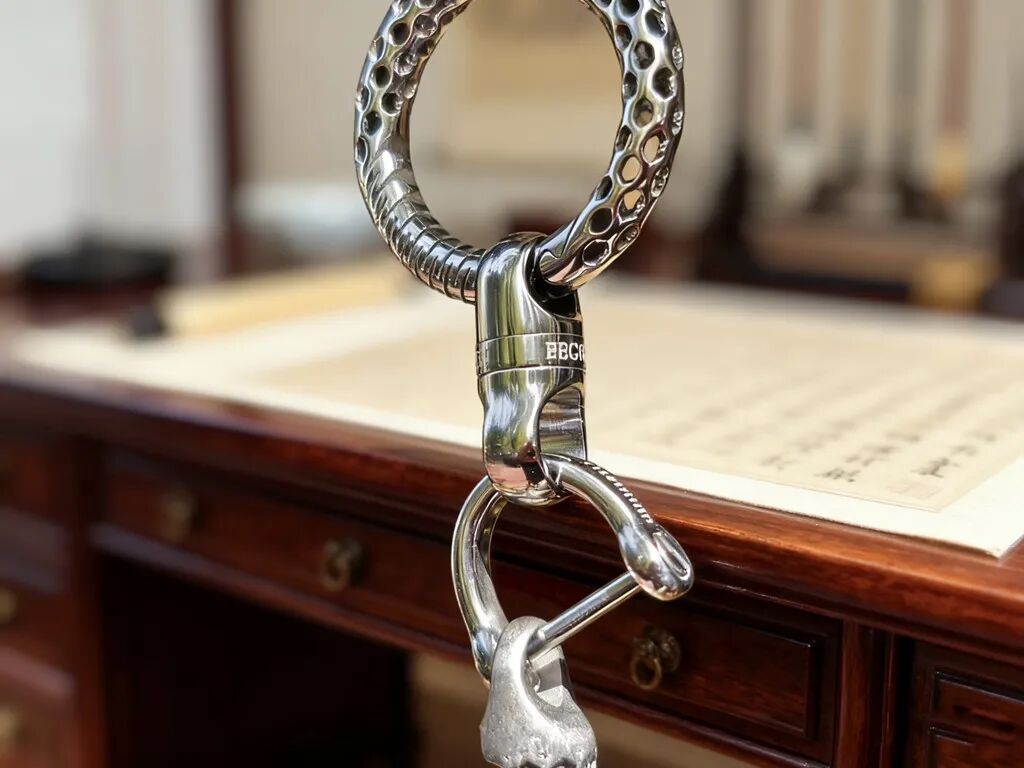
This quality of “craftsmanship seen in the details” is the best embodiment of the “precise and controllable” characteristics of 3D printing technology.
From Apple’s high-end digital products to FEGVE’s everyday EDC gear, the implementation of titanium powder 3D printing technology is redefining the boundaries of “quality of life” — it is no longer an unattainable technological concept, but a tangible experience of “lightweight, high precision, and sustainability” that everyone can feel in their daily use.
For consumers pursuing a balance of “practicality and delicacy,” these two FEGVE products may well be the best footnote for “technology serving life”: using cutting-edge technology to solve minor pain points, making every carry and use a silent expression of “quality of life.”