

1. Research Background
Despite significant efforts by scientists in developing cancer vaccines based on new antigens or mRNA, most research still focuses on the preventive stage. Eliciting substantial anti-tumor immune responses in patients remains a major challenge, primarily due to the weak immunogenicity of cancer vaccines, the immunosuppressive tumor microenvironment, and the low correlation between vaccine antigens and individual patient tumors. Given these limitations, constructing personalized cancer vaccines in situ from autologous tumor cells is highly attractive, as patients inherently possess a wealth of personalized tumor-associated antigens (TAA). Strategies to generate autologous in situ personalized cancer vaccines through inducing immunogenic cell death (ICD) and providing immune adjuvants have become a new trend in immunotherapy. These approaches not only increase the infiltration of effector immune cells but also transform the immunosuppressive tumor microenvironment (TME) into an immunogenic one.
Recent studies have shown that Doxorubicin (Dox) has emerged as a clinically promising ICD inducer. As one of the most widely used cancer therapies, it not only directly kills cancer cells but also triggers a robust immune response. Additionally, immune adjuvants such as Imiquimod (IMQ) are attractive immunomodulators that are often incorporated into vaccines to stimulate the activation of innate immune cells and enhance anti-tumor responses. However, the random biodistribution of various drugs in normal tissues may inadvertently cause side effects and even lead to severe systemic inflammation. Most importantly, due to the dense tissue structure and high interstitial pressure of solid tumors, drugs often struggle to penetrate deeply into the tumor core, thereby affecting therapeutic efficacy. Current prodrug strategies mainly focus on the encapsulation and release of cytotoxic drugs, while enhanced delivery strategies for drug accumulation and penetration within tumors have yet to be reported. Self-assembling nanomaterials can form artificial topological nanostructures (ATNs) under physiological stimuli, which can not only normalize tumor vasculature and increase extracellular matrix fluidity but also prolong drug retention time at the tumor site. In summary, carefully designed strategies for dose-dependent self-assembly and retention of ATNs hold promise for providing a solid structural basis for integrating multiple biological functions. Based on this, it is envisioned to construct ATNs with bioorthogonal handles on the cell surface to regulate cell migration and drug endocytosis. This not only allows for precise and synergistic activation of multiple prodrugs but also significantly enhances the penetration of active drugs into tumor tissues, thereby facilitating the effective construction of in situ vaccines.
2. Results Discussion
A cancer in situ vaccine based on an ATNs catalytic system was developed. This system not only enhanced the penetration of activated drugs within tumors but also precisely triggered ICD and CD8+ T cell-dependent adaptive immune responses through ATNs-mediated targeting, significantly improving anti-tumor efficacy.
A modularly designed tetrazine (Tz) modified peptide (TMP) was able to generate cascading reactions in the tumor microenvironment and biomarkers, leading to the in situ self-assembly of artificial topological nanostructures (ATNs) catalytic system on the surface of tumor cells. This system significantly increased the local concentration of the bioorthogonal handle (Tz), thereby enhancing the activation efficiency of the prodrug trans-cyclooctene (TCO)-Doxorubicin (Dox) and TCO-Imiquimod (IMQ). Activated Dox induces immunogenic cell death (ICD) by releasing tumor-associated antigens (TAAs), while activated IMQ further amplifies the immune stimulation, leading to tumor ablation. Furthermore, ATNs inhibit tumor cell migration, regulate tumor tissue permeability, and ultimately promote the penetration of activated drugs. In vivo results indicate that the ATNs catalytic system increased drug permeability in tumor tissues by 7.8 times and exhibited excellent safety and selectivity, significantly improving survival outcomes. Additionally, this system also showed promising therapeutic effects in preventing tumor recurrence. The synergistic integration of in situ self-assembly and bioorthogonal catalysis provides great potential for the safe and effective development of in situ cancer vaccines and is expected to become a universal prodrug delivery platform for cancer treatment.
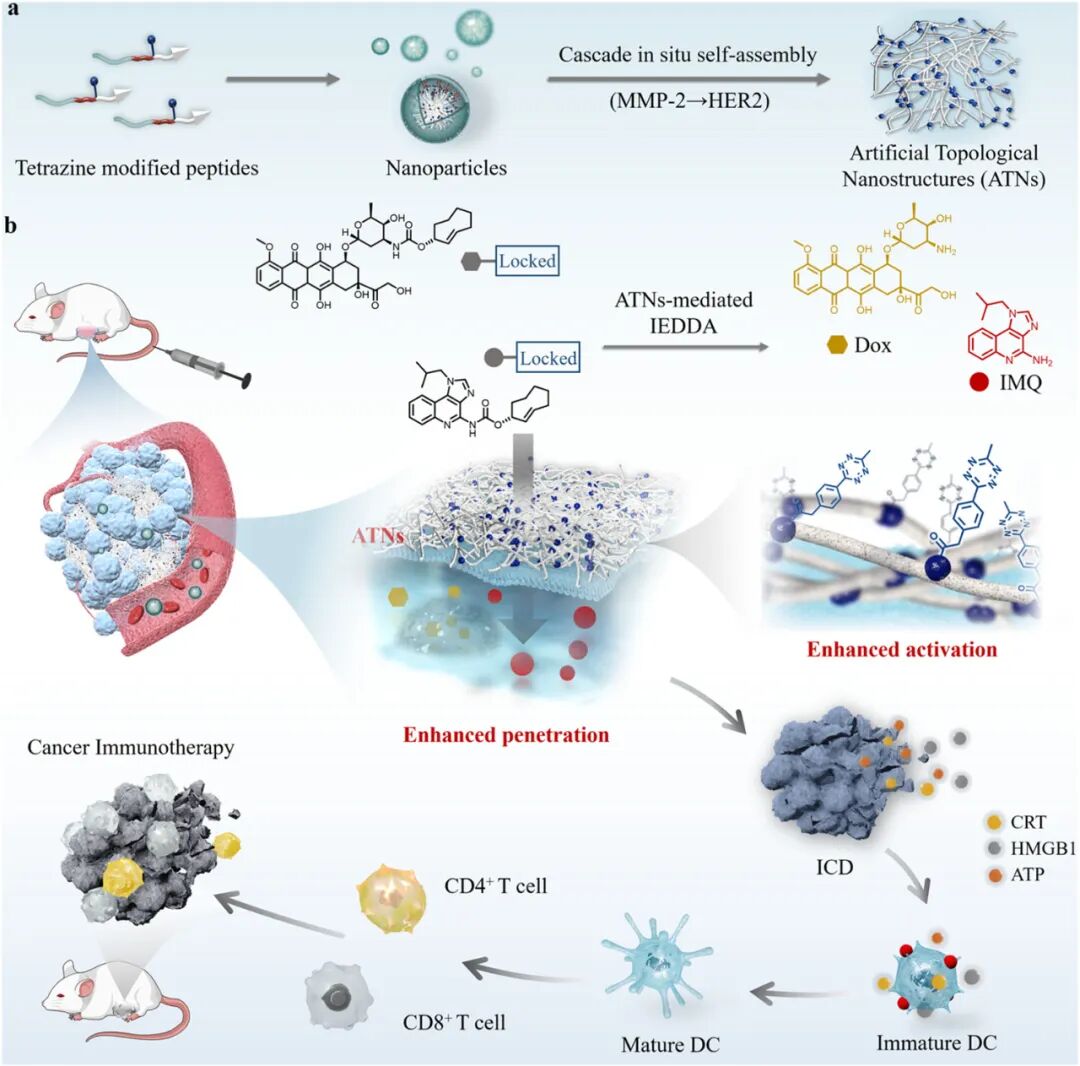
Figure1. Mechanism of enhanced bioorthogonal activation and drug penetration in cancer immunotherapy by self-assembled ATNs
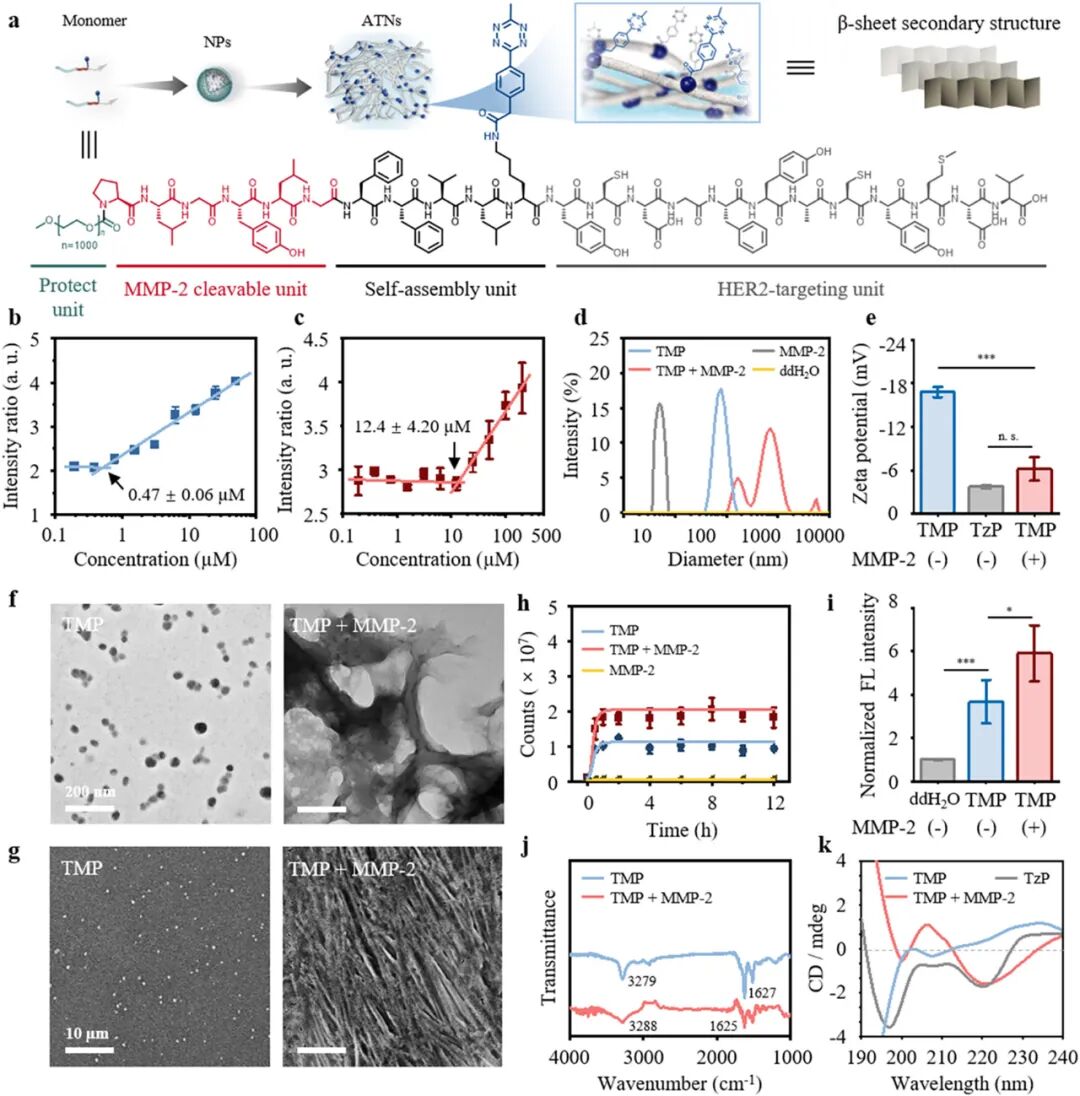
Figure2. Characterization of the molecular assembly mechanism of TMP induced by MMP-2
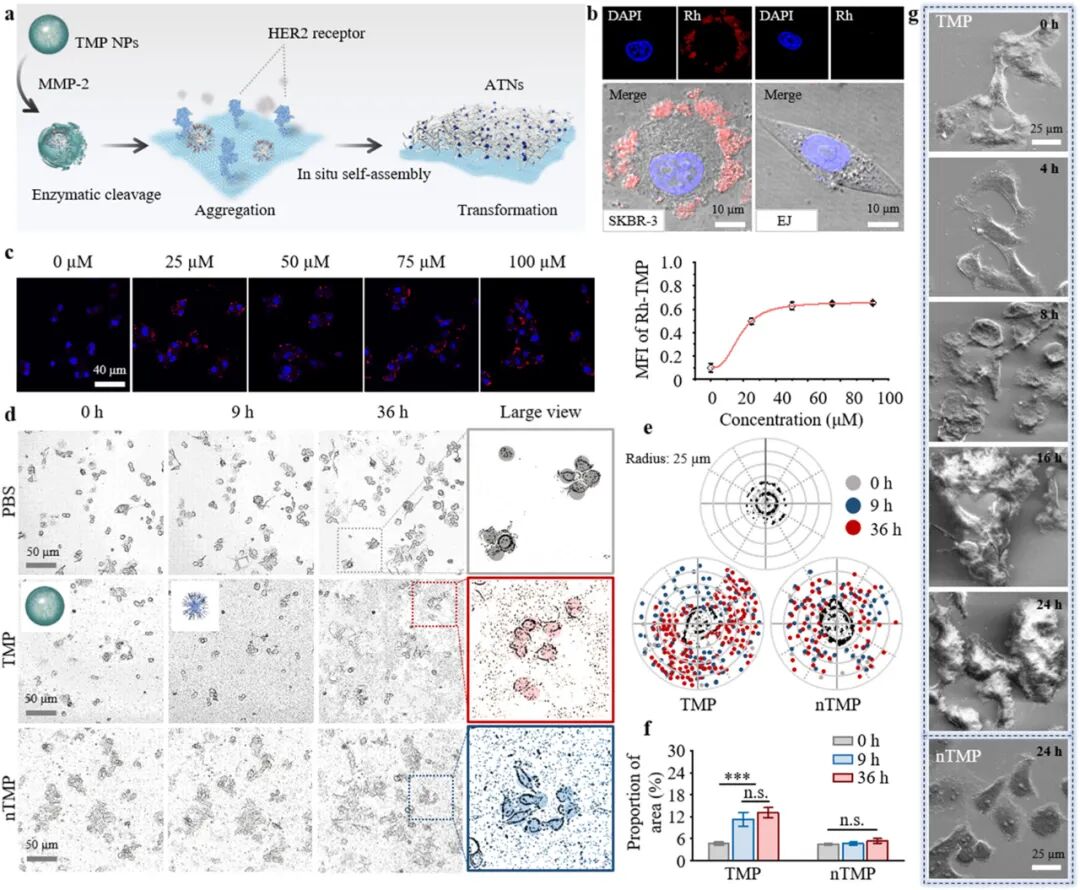
Figure3. Self-assembly of TMP into ATNs on the cell surface
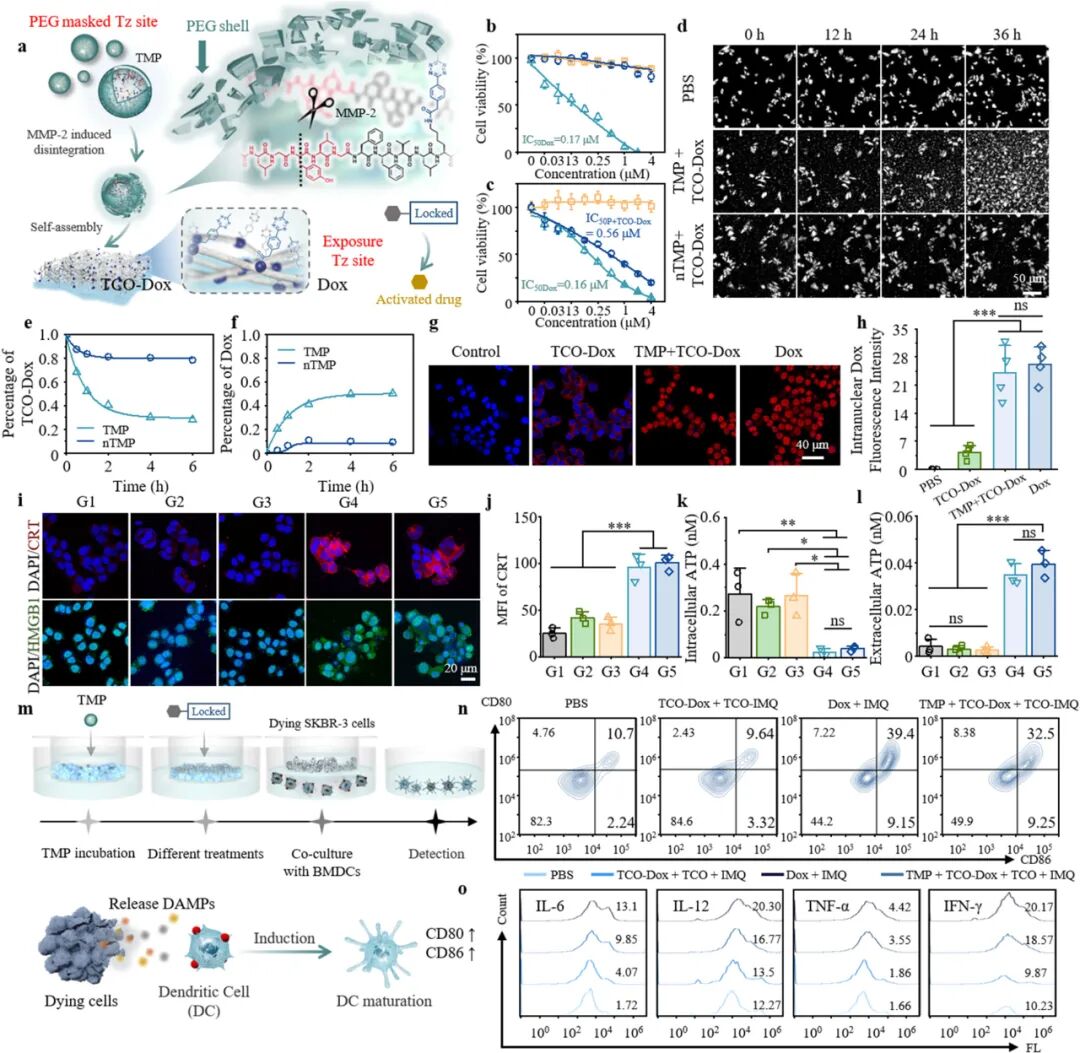
Figure4. Targeted prodrug activation mediated by ATNs and synergistic promotion of in vitro immune response
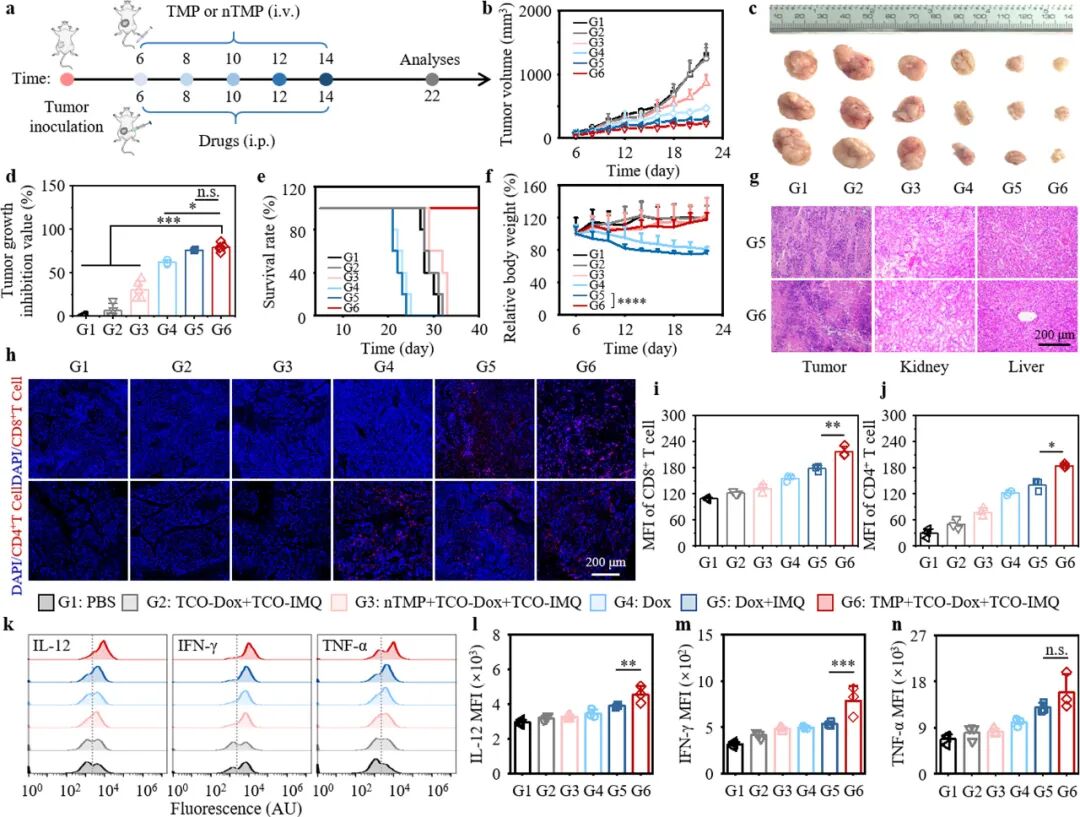
Figure5. In vivo anti-tumor and immune-stimulating effects of the in situ vaccine based on the ATNs catalytic system
DOI:10.1021/jacs.5c12835
Click to read the original article for more details