
Recently, the U.S. startup Orbital Composites has begun manufacturing wind turbine blades directly on-site at wind farms using 3D printers and robots. This initiative indicates that 3D printing technology is quietly transforming the U.S. wind power industry. Numerous companies and institutions are engaging in related projects, demonstrating significant potential in improving production efficiency and reducing costs.
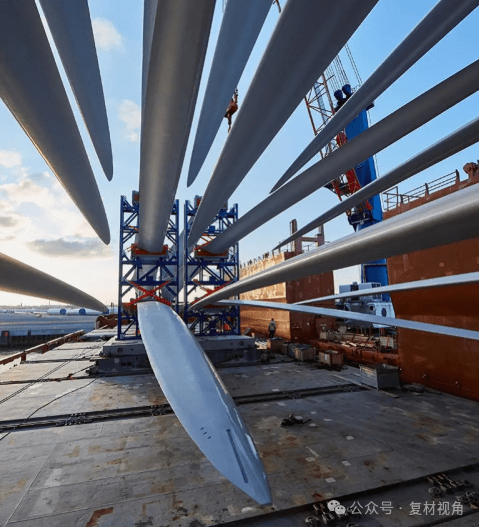
Compared to traditional manual processes, Orbital Composites’ 3D printed blade production speed has significantly increased, and the entire production setup can be flexibly transported to wind farms in a shipping container. Preliminary estimates suggest that costs can be reduced by up to 25%, and larger blade sizes can yield greater cost benefits. The project also plans to 3D print towers and other turbine components.
Gulf Wind Technology, the only independent wind turbine technology solution provider in the U.S., has announced a partnership with 3D printing company Stratasys to introduce additive manufacturing technology into the wind turbine blade manufacturing sector. The prototypes use Somos Perform Reflect materials, which offer high strength, high stiffness, and temperature resistance. 3D printing technology enables engineers to test blade shapes and designs more quickly, enhancing wind energy efficiency. They also plan to collaborate with the U.S. Department of Energy to develop cable robots for on-site turbine manufacturing.
Earlier this year, Oak Ridge National Laboratory (ORNL), UMaine, and Orbital Composites jointly launched a $4 million project funded by the Department of Energy, using Orbital’s containerized 3D printing robots to print wind turbine blade components on-site. Orbital Composites’ mobile robotic platform can improve labor efficiency by over 25%, and the delivery time for new blades is reduced by more than 50%.
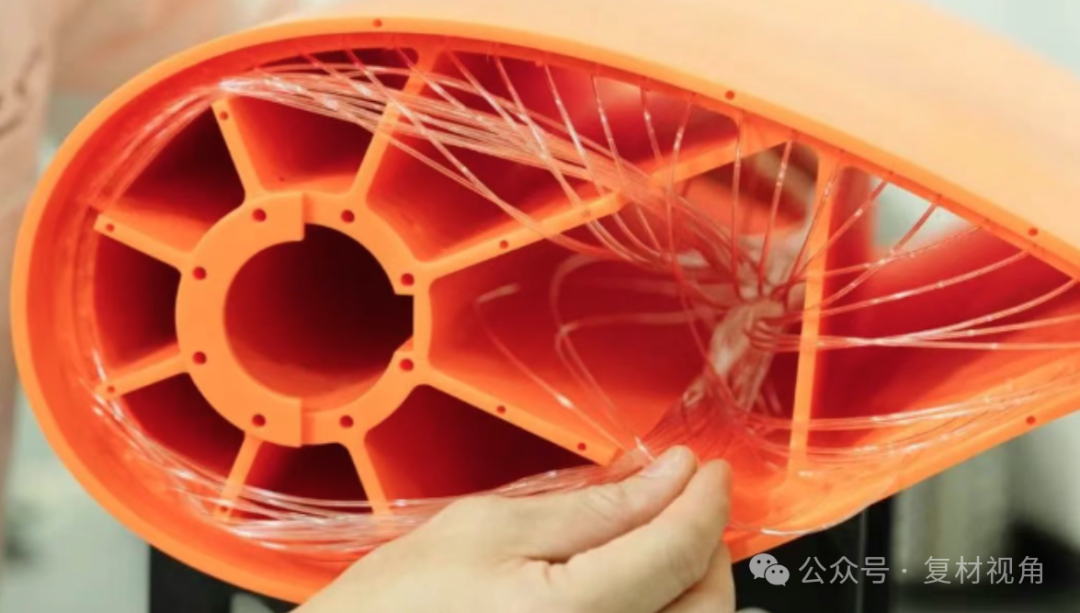
Previously, GE’s business units and LM, along with the Advanced Structures and Composites Center at the University of Maine, also participated in related projects funded by the Department of Energy. The projects aimed to design and manufacture 3D printed wind turbine blade tips; the University of Maine project focused on developing additive manufacturing solutions for large segmented wind turbine blade molds, with the goal of accelerating time-to-market for blades and reducing new blade development costs by 25-50% over six months. UMaine ASCC also plans to develop and use 100% recyclable bio-based thermoplastic polymers, reinforced with wood fibers, to lower costs.
3D printing technology is being widely adopted in the U.S. wind power industry, with numerous projects showcasing its significant advantages in improving production efficiency, reducing costs, and innovating material applications. As these projects continue to develop, they are expected to significantly expand wind power generation capacity, bringing new transformations and development opportunities to the wind power industry.
Editor | Composite Materials Editor
Reviewer | Cici

Source: Composite Materials Perspective
Disclaimer:The information published by this public account is sourced from the internet, journals, or provided by authors, and is intended solely for the exchange and sharing of information in the composite materials industry, with no commercial purpose.If there are any copyright or content disputes regarding the article, please contact us immediately, and we will address it promptly.


Publishing information and related inquiries in the composite materials industry
Please scan the QR code ↑ to contact the Composite Materials Editor
Light it up to let more people see it ↓↓↓