
In the early 20th century, Paul Ehrlich first proposed the famous “magic bullet” theory, suggesting that it is possible to find and develop drugs that specifically target the unique structural features of pathogens, killing only the pathogens without affecting normal tissues and cells. Subsequently, the concept of antibody-drug conjugates (ADCs) was introduced, combining the target specificity of monoclonal antibodies with the anti-tumor properties of cytotoxic molecules. After decades of attempts, ADC development achieved substantial success with the emergence of Mylotarg (Gemtuzumab Ozogamicin), an ADC targeting CD33, in 2000.Currently, 16 ADC drugs have been approved worldwide, including Pfizer’s Mylotarg and Besponsa, Roche’s Kadcyla and Polivy, AstraZeneca’s Lumoxiti and Enhertu, Seagen/Takeda’s Adcetris, Seagen/Astellas’ Padcev, Seagen/Genmab’s Tivdak, GSK’s Blenrep, Gilead’s Trodelvy, Rakuten Medical’s Akalux, ADCTherapeutics’ Zynlonta, Rongchang Bio’s Aidiqi, and Kelun-Biotech’s TROP2 ADC Lukan Shatu Zhunbai (sac-TMT, Jiatai Lai®) as well as ImmunoGen/Huadong Medicine’s Elahere. The treatment areas include lymphoma, leukemia, breast cancer, multiple myeloma, head and neck cancer, and urothelial carcinoma.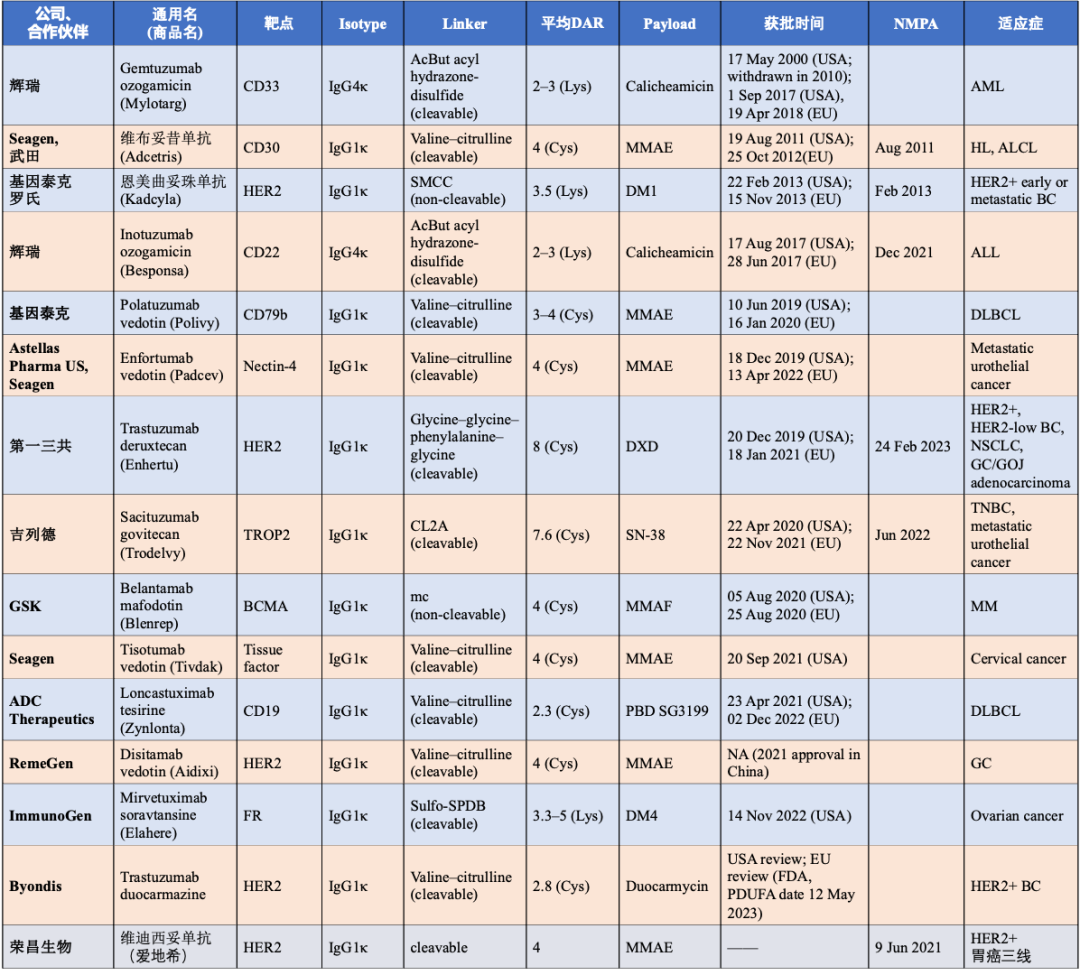
-
Kelun-Biotech’s TROP2 ADC Lukan Shatu Zhunbai (sac-TMT, Jiatai Lai®)
Indication: Adult patients with unresectable locally advanced or metastatic triple-negative breast cancer (TNBC) who have previously received at least two systemic treatments (including at least one treatment targeting the advanced or metastatic stage).
Research and Development Company: Sichuan Kelun-Biotech Biopharmaceutical Co., Ltd.
Target: TROP2
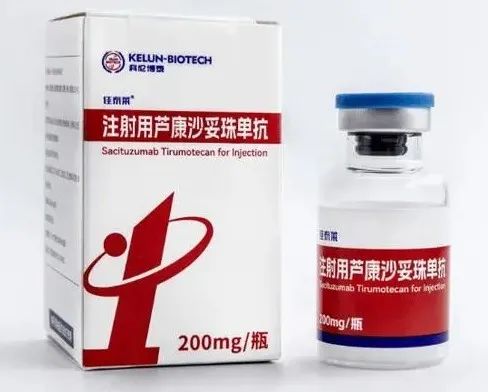
It consists of an anti-TROP2 humanized monoclonal antibody, a topoisomerase I inhibitor KL610023 derived from belotecan, and a novel linker. After the antibody binds to the TROP2 antigen, the cytotoxin is released intracellularly through endocytosis, inducing DNA damage in tumor cells, leading to cell cycle arrest and apoptosis. At the same time, because KL610023 has membrane permeability, it can achieve a bystander effect, killing adjacent tumor cells.
China’s first domestically approved TROP2 ADC. Approved by the National Medical Products Administration (NMPA) for marketing in China on November 27, 2024. Compared to chemotherapy, it shows significant statistical and clinical improvements in progression-free survival (PFS) and overall survival (OS).
-
Mylotarg® (gemtuzumab ozogamicin, Gemtuzumab)
Indication: Acute Myeloid Leukemia (AML) Research and Development Company: Pfizer Target: CD33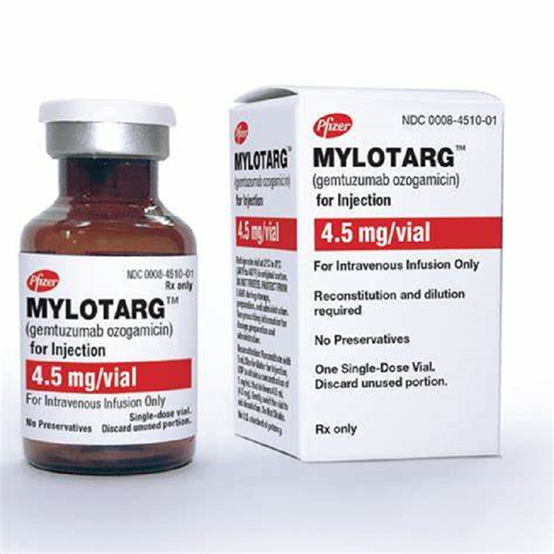 It consists of a humanized anti-CD33 monoclonal antibody, calicheamicin, and a cleavable linker. After the antibody binds to the CD33 antigen, the cytotoxin is internalized and released, inducing double-strand DNA breaks and cell death. The world’s first marketed ADC. It was accelerated approved by the FDA in 2000 for the treatment of acute myeloid leukemia (AML). Due to safety issues arising from the instability of the linker and premature release of the cytotoxin, it was voluntarily withdrawn from the market in 2010. Subsequently, Pfizer supplemented and updated clinical evidence (three clinical trials: ALFA-0701, AML-19, MyloFrance-1), adjusted specifications, changing the original 5mg/vial to 4.5 mg/vial, and adjusted the dosing regimen, recommending a dose change from 9mg/m2 to 3mg/m2, and resubmitted the application to the FDA. In 2017, Mylotarg® was approved and re-marketed for the treatment of newly diagnosed acute myeloid leukemia (AML) positive for myeloid cell differentiation antigen (CD33) in adults and children ≥2 years old with relapsed or refractory AML.
-
Adcetris® (brentuximab vedotin,维布妥昔单抗,安适利®)
Indication: Hodgkin lymphoma/systemic anaplastic large cell lymphoma Research and Development Company: Takeda and Seattle Genetics Target: CD30 It is a CD30-targeting ADC composed of a chimeric lgG1 antibody cAC10, MMAE, and a cleavable linker. After internalization, the proteolytic release of MMAE induces cell cycle arrest and apoptosis by disrupting the microtubule system. Due to the bystander effect of MMAE, BV is also effective in heterogeneous tumors expressing CD30. Approved by the FDA in August 2011 for the treatment of Hodgkin lymphoma (HL) and systemic anaplastic large cell lymphoma (sALCL). It was approved in China in May 2020 for the treatment of relapsed or refractory sALCL and CD30 positive HL patients, becoming the second ADC approved for marketing in China. In 2021, it was approved in the EU as a first-line treatment for CD30-expressing sALCL, becoming the world’s first ADC approved for first-line treatment.Brentuximab vedotin is a representative second-generation ADC, using human-mouse chimeric antibodies or humanized monoclonal antibodies instead of mouse-derived monoclonal antibodies, which reduces immunogenicity and enhances tumor targeting, and the linker used is also more stable. Its disadvantage is that it has a lot of naked antibodies, which compete with the conjugate for the antigen binding site, affecting efficacy. An excessively high drug/antibody ratio (DAR) can cause antibody aggregation, accelerate clearance, and increase non-specific toxicity.On average, Brentuximab carries 4 MMAE molecules, with a drug/antibody ratio (DAR) of 4, and a molecular weight of about 153kDa.
-
Kadcyla® (ado-trastuzumab emtansine, 恩美曲妥珠单抗,赫赛莱®)
Indication: Breast cancer Research and Development Company: Roche and ImmunoGen Target: HER2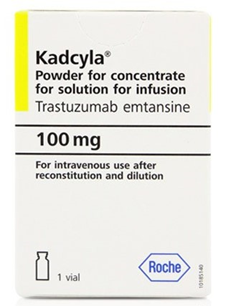 It is an HER2-targeting ADC composed of a humanized anti-HER2 IgG1 monoclonal antibody (trastuzumab), a small molecule cytotoxin DM1, and an uncleavable linker. It maintains high stability in systemic circulation and the tumor microenvironment. On February 22, 2013, the FDA approved Kadcyla® for the treatment of metastatic HER2-positive breast cancer patients who have previously received treatment with trastuzumab and taxanes. On May 3, 2019, the FDA approved Kadcyla® as a single agent for the adjuvant treatment of HER2-positive breast cancer patients with residual disease after neoadjuvant trastuzumab treatment. In January 2020, the NMPA approved Kadcyla® for adjuvant treatment of HER2-positive early breast cancer patients with invasive lesions remaining after taxane-based neoadjuvant treatment with trastuzumab, and for patients with unresectable locally advanced or metastatic breast cancer. It is the first ADC approved for marketing in China and the first ADC approved globally for solid tumors.Kadcyla® is the most commercially successful ADC. In 2021, the global ADC market exceeded $5.2 billion, with Kadcyla® accounting for half of the market, achieving sales of $2.17 billion.Kadcyla has an average of 3.5 DM1 molecules linked to each antibody, with a molecular weight of approximately 148,781 Da.
-
Besponsa® (inotuzumab ozogamicin, 奥加伊妥珠单抗,贝博萨®)
Indication: BCP-ALL Research and Development Company: Pfizer Target: CD22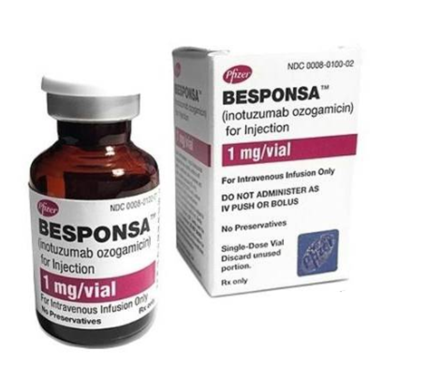 It is a humanized anti-CD22 monoclonal antibody conjugated with calicheamicin through an acid-labile hydrazone linker. CD22 is an endocytic receptor and a specific marker for B-cell acute lymphoblastic leukemia (ALL), expressed in over 90% of B-cell malignancies. Once the ADC binds to the CD22 receptor, the complex is internalized into the target cell, triggering the release of calicheamicin, which binds to the minor groove of the DNA double helix and causes site-specific double-strand DNA breaks, inducing apoptosis. Approved by the EMA in June 2017 for the treatment of adult patients with relapsed or refractory precursor B-cell acute lymphoblastic leukemia (ALL). Approved by the FDA in August 2017 for the treatment of adult patients with relapsed or refractory B-cell precursor acute lymphoblastic leukemia. This is the first FDA-approved antibody-drug conjugate targeting CD22. Approved in December 2021 in China, becoming the fourth ADC approved for marketing in China. The NMPA’s approval was based on data from overseas clinical trial B1931022 submitted in China, waiving the requirement for domestic registration clinical trials. After marketing, post-marketing studies (B1931034) are required. Besponsa® is Pfizer’s second ADC and a third-generation ADC product, with lower antibody immunogenicity, stronger targeting, higher cellular activity, and improved stability and hydrophilicity of the cytotoxic small molecule. The stability and uniformity of the ADC have also improved. The molecular weight of Besponsa is approximately 160 kDa, with an average of 6 calicheamicin molecules bound to each antibody, with a distribution range of 2-8.
-
Lumoxiti® (Moxetumomab pasudotox,帕西妥莫单抗)
Indication: Adult patients with relapsed or refractory hairy cell leukemia (HCL) Research and Development Company: AstraZeneca Target: CD22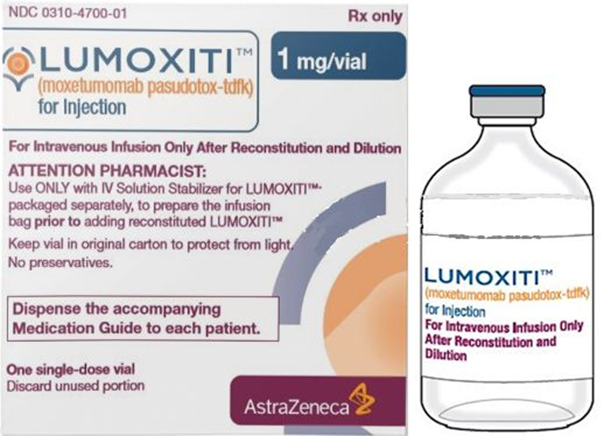 It consists of an anti-CD22 monoclonal antibody covalently linked to a 38 kDa fragment of pseudomonas exotoxin A (PE38). The Fv portion of the immunotoxin binds to CD22, and after internalization, induces apoptosis by catalyzing the ADP-ribosylation of the diphenylalanine residue in elongation factor-2 (EF-2). Approved by the FDA in September 2018 for the treatment of adult patients with relapsed or refractory hairy cell leukemia (HCL). Approved by the EMA in February 2021. However, five months later, in July of the same year, the EMA announced the withdrawal of its marketing authorization in the EU. Due to very low clinical use, AstraZeneca permanently withdrew Lumoxiti from the U.S. market in July 2023. Both withdrawals were for commercial considerations, not safety issues.
-
Polivy® (polatuzumab vedotin, 泊洛妥珠单抗,优罗华®)
Indication: Diffuse large B-cell lymphoma Research and Development Company: Roche Target: CD79b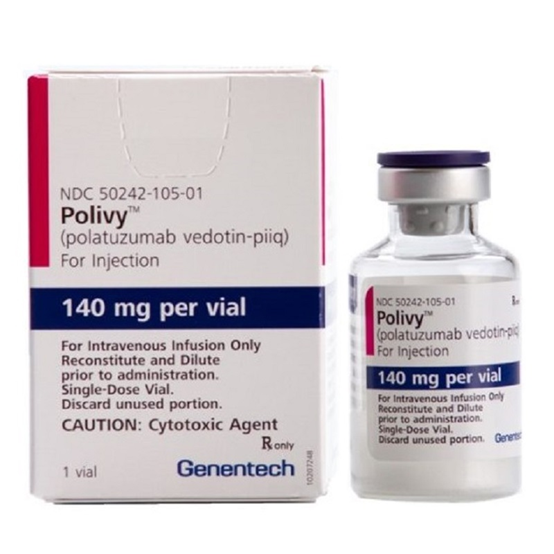 It is an ADC composed of an anti-CD79b monoclonal antibody, a cleavable linker, and MMAE. CD79b is a B-cell specific surface protein that is highly expressed in over 90% of B-cell non-Hodgkin lymphoma, such as diffuse large B-cell lymphoma and follicular lymphoma. After binding to the antibody, CD79b is rapidly internalized and delivered to lysosomes. Therefore, CD79b has become an ideal target for treating this type of lymphoma. It was first accelerated approved by the FDA on June 11, 2019, in combination with bendamustine and rituximab for the treatment of adult patients with relapsed or refractory (R/R) diffuse large B-cell lymphoma (DLBCL) after at least two prior therapies. Subsequently, it was approved in the EU and Japan in January and March 2021, respectively. In January 2023, Polivy® received official approval from the National Medical Products Administration (NMPA) in China. The indications are: In combination with rituximab, cyclophosphamide, doxorubicin, and prednisone for the treatment of previously untreated adult patients with diffuse large B-cell lymphoma (DLBCL); and in combination with bendamustine and rituximab for adult patients with relapsed or refractory diffuse large B-cell lymphoma who are not suitable for hematopoietic stem cell transplantation.Polivy® is the only innovative targeted drug approved for first-line treatment of DLBCL in China in over 20 years. Compared to traditional treatment regimens, Polivy® significantly improves clinical outcomes for patients, being the first new treatment regimen in 20 years to significantly improve outcomes for relapsed or refractory diffuse large B-cell lymphoma. Therefore, in the U.S., EU, and Japan, Polivy® was granted “orphan drug designation”, and in the U.S., it was granted “breakthrough therapy designation” by the FDA, while the EU EMA granted it “priority medicine designation”. The drug/antibody ratio (DAR) of Polivy® is 3-4, with a molecular weight of approximately 150 kDa.
-
Enhertu® (fam-trastuzumab deruxtecan-nxki, 德喜曲妥珠单抗,优赫得®)
Indication: Gastroesophageal junction cancer, metastatic gastric cancer, metastatic breast cancer Research and Development Company: AstraZeneca; Daiichi Sankyo Target: HER2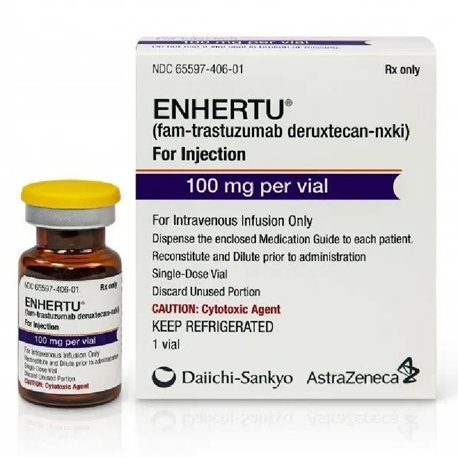 Enhertu® is a representative of third-generation ADCs, composed of trastuzumab targeting HER2, a cleavable tetrapeptide linker, and a cytotoxic topoisomerase I inhibitor. Studies have shown that T-DXd is effective against tumor cells with high or low HER2 expression or HER2 mutated tumor cells, possibly because: 1) T-DXd has a DAR value of up to 8, resulting in a highly effective payload; 2) the released payload has high membrane permeability, allowing it to enter adjacent tumor cells, producing a bystander effect; 3) the novel peptide-based linker has high stability in plasma. In December 2019, Enhertu was accelerated approved by the FDA for adult patients with unresectable or metastatic HER2-positive breast cancer who have previously received HER2-targeted therapy. In March 2022, a domestic application for marketing was officially submitted and included in the priority review catalog in May, with the first indication being: treatment of adult patients with unresectable or metastatic HER2-positive breast cancer who have previously received one or more anti-HER2 drugs.Enhertu® has shown remarkable efficacy in treating HER2-positive metastatic breast cancer, representing a rare significant advancement in ADC drug development in recent years, making HER2 the hottest ADC drug target currently. Enhertu® is the first and currently the only ADC drug with head-to-head comparison in second-line treatment of HER2-positive metastatic breast cancer, achieving positive results. According to market forecasts from Natrue’s sub-journal, Enhertu is expected to reach sales of $6.2 billion by 2026, capturing 40% of the global ADC market share and potentially replacing Kadcyla to become the new “king of drugs” in ADCs.
-
Padcev® (enfortumab vedotin, 恩诺单抗)
Indication: Urothelial carcinoma Research and Development Company: Seagen; Astellas Target: Nectin-4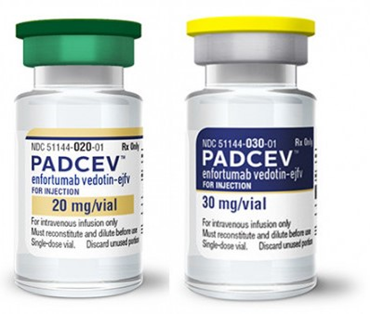 It is an ADC targeting Nectin-4, composed of a human monoclonal antibody targeting Nectin-4, a cleavable linker, and MMAE. Nectin-4 is a cell adhesion molecule that is overexpressed in 97% of urothelial carcinoma and is associated with tumor growth and proliferation.Nectin-4 is expressed at very low levels in healthy adult tissues but is highly expressed in various tumor cells, such as those in urothelial carcinoma, bladder cancer, breast cancer, ovarian cancer, gastric cancer, hepatocellular carcinoma, and pancreatic cancer, closely related to tumor occurrence and metastasis, promoting tumor cell proliferation, differentiation, migration, and invasion by activating the PI3K/AKT pathway. Therefore, Nectin-4 has become an important target for the diagnosis and treatment of many solid tumors. In December 2019, the FDA accelerated approved Padcev® for adult patients with locally advanced or metastatic urothelial carcinoma who have previously received treatment with a PD-1 inhibitor or PD-L1 inhibitor and platinum-based chemotherapy.Padcev® is the first ADC approved for the treatment of urothelial carcinoma and the first drug approved targeting Nectin-4.
-
Trodelvy® (sacituzumab govitecan, 戈沙妥珠单抗,拓达维®)
Indication: Triple-negative breast cancer Research and Development Company: Gilead Target: Trop-2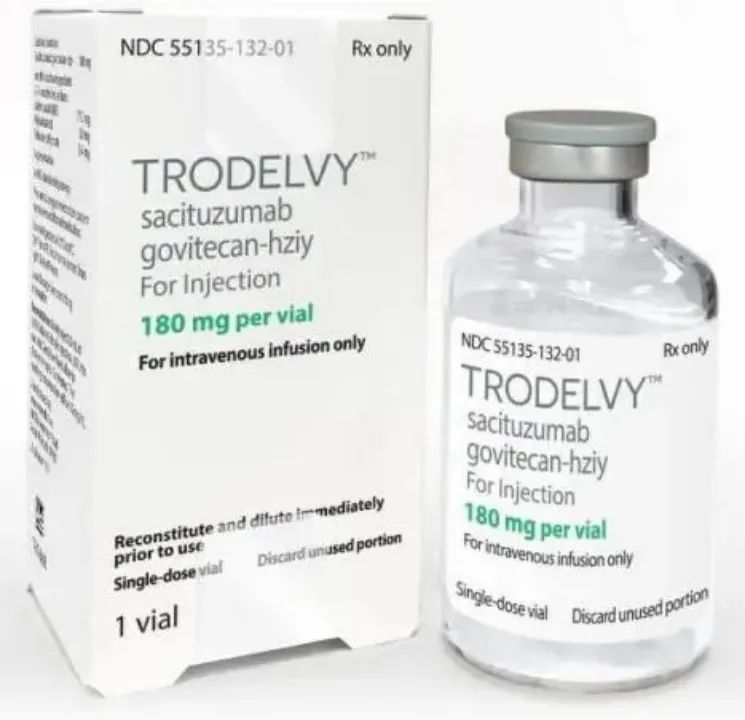 It is an anti-Trop-2 monoclonal antibody conjugated with SN-38 through an acid-labile hydrazone linker. SN-38 is a topoisomerase-1 inhibitor and the active metabolite of the chemotherapy drug irinotecan. After administration, the ADC binds to Trop-2 on tumor cells and promotes the release of SN-38, causing DNA damage and subsequently leading to cell cycle arrest. Due to the membrane permeability of SN-38, it can stimulate the anti-tumor effect of nearby cells without being internalized, producing a bystander effect.TROP-2, a transmembrane glycoprotein, is overexpressed in various tumor tissues such as breast cancer, gastric cancer, non-small cell lung cancer, small cell lung cancer, colon cancer, and pancreatic cancer, especially in triple-negative breast cancer, with an expression rate as high as over 90%. In April 2020, Trodelvy® was accelerated approved by the FDA for the treatment of adult patients with metastatic triple-negative breast cancer who have previously received two or more treatments for metastatic disease. In June 2022, the NMPA approved Trodelvy® for adult patients with unresectable locally advanced or metastatic triple-negative breast cancer who have previously received at least two systemic treatments, with at least one treatment targeting metastatic disease.
-
Blenrep® (belantamab mafodotin, 玛贝妥单抗)
Indication: Multiple myeloma Research and Development Company: GSK Target: BCMA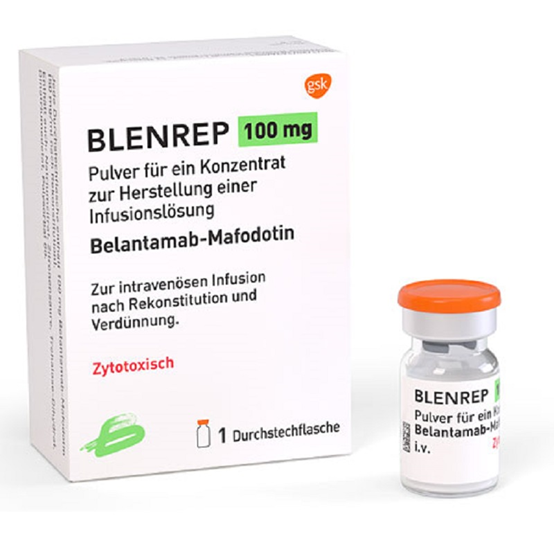 It is an lgG antibody targeting B-cell maturation antigen (BCMA), conjugated with MMAF through an uncleavable maleimide linker. BCMA is a cell surface protein that is highly expressed on malignant plasma cells and is an important target for treating multiple myeloma. Once belantamab mafodotin binds to BCMA, the complex is internalized and degraded in lysosomes, releasing MMAF, inducing growth arrest and apoptosis. Approved by the FDA in August 2020 for the treatment of adult patients with relapsed or refractory multiple myeloma who have received at least four prior therapies, including an anti-CD38 monoclonal antibody, an immunomodulator, and a proteasome inhibitor. In November 2022, the confirmatory clinical trial III DREAMM-3 of Blenrep® was declared a failure, which was a head-to-head superiority trial comparing the efficacy of Blenrep monotherapy with pomalidomide combined with low-dose dexamethasone (PomDex). In December of the same year, Blenrep® was withdrawn from the U.S. market, becoming the fastest drug to be withdrawn after “accelerated approval” by the FDA. However, this does not mean that GSK has stopped developing this drug; the DREAMM series of clinical studies have not been suspended, and GSK is looking for other potential benefits through combination therapy.
-
Akalux® (Cetuximab Sarotalocan Sodium, 沙西妥昔单抗)
Indication: Head and neck cancer Research and Development Company: Rakuten Target: EGFR It is composed of an EGFR-targeting antibody cetuximab conjugated with a photosensitizer IR700. Approved by the Japanese Ministry of Health, Labour and Welfare in September 2020 for the treatment of unresectable head and neck malignant tumors, it is also the world’s first photodynamic immunotherapy ADC, which requires combined use with the BioBlade laser system during treatment.Akalux® binds to the EGFR antibody on the surface of cancer cells and uses near-infrared light to irradiate the tumor site, activating the conjugated dye locally and destroying the tumor cell membrane that has already bound with the chemical, thus achieving the goal of killing cancer cells.
-
Zynlonta® (Loncastuximab tesirine,朗妥昔单抗)
Indication: LBCB Research and Development Company: ADCTherapeutics Target: CD19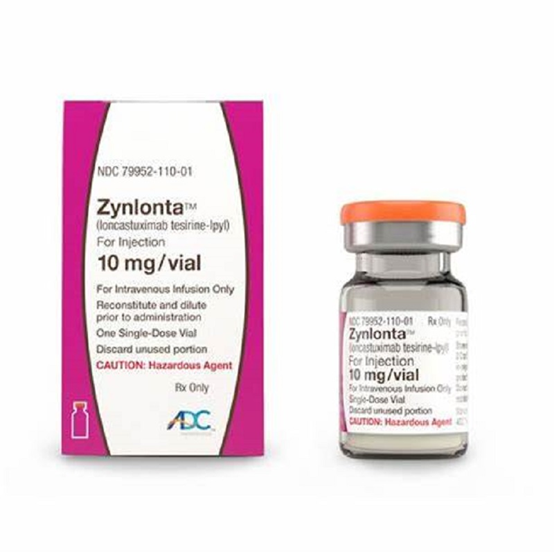 It is an anti-CD19 antibody conjugated with a cleavable enzyme-type linker and a cytotoxic alkylating agent SG3199. SG3199 is a synthetic PBD dimer that prevents cell division by promoting the formation of DNA interstrand cross-links, exhibiting potent cytotoxic effects. On April 23, 2021, Zynlonta® received accelerated approval from the FDA for patients with diffuse large B-cell lymphoma (DLBCL). In December 2022, Zynlonta® received conditional approval from the European Medicines Agency (EMA). Additionally, the CDE website shows that in July 2023, Linglu Pharmaceutical’s injection of Tairong Tuximab was submitted for marketing (Acceptance No.: JXSS2300057). This is also the first CD19 ADC submitted for marketing in China.
-
Aidiqi® (Disitamab Vedotin,维迪西妥单抗)
Indication: Gastric cancer, urothelial carcinoma Research and Development Company: Rongchang Target: HER2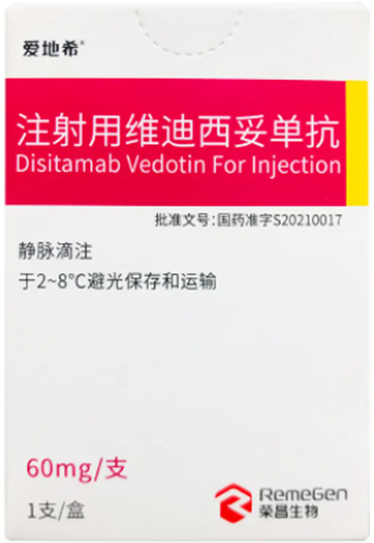 It is composed of a high-affinity novel humanized anti-HER2 antibody, a cleavable linker, and the microtubule inhibitor MMAE, with mechanisms including inhibition of HER2 signaling pathways and the cytotoxicity of MMAE. Approved by the NMPA in June and December 2021, Aidiqi® is indicated for the treatment of HER2-overexpressing locally advanced or metastatic gastric cancer (including gastroesophageal junction adenocarcinoma) patients who have previously received at least two systemic chemotherapy regimens, as well as for the treatment of locally advanced or metastatic urothelial carcinoma with 2+ or 3+ expression. Aidiqi® is the first domestically approved ADC product. In addition to the two approved indications, Rongchang Bio is also conducting multiple clinical studies targeting solid tumors, including breast cancer (BC), and is exploring treatments for other common cancers that overexpress HER2, such as non-small cell lung cancer (NSCLC), biliary tract cancer (BTC), and melanoma.
-
Tivdak® (tisotumab vedotin-tftv,替索单抗)
Indication: Cervical cancer Research and Development Company: Genmab Target: TF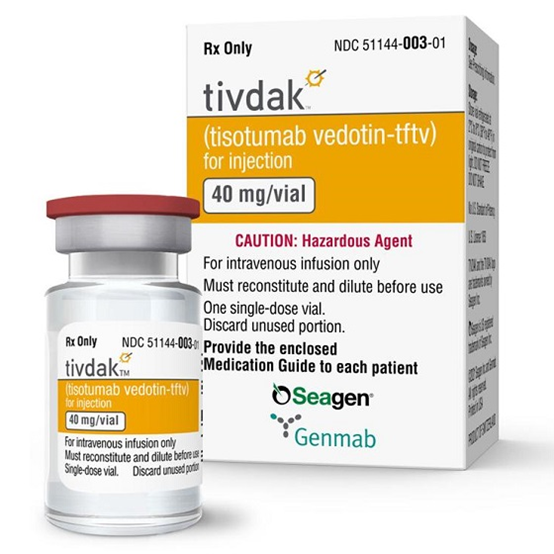 It is composed of a monoclonal antibody targeting tissue factor (TF-011), a cleavable mc-VC-PABC linker, and MMAE. Studies have shown that TF is highly expressed in cervical cancer tissue compared to normal cervical tissue. Once vedotin binds to TF, MMAE is delivered into the cell, blocking microtubule polymerization and terminating cell division. In September 2021, the FDA granted accelerated approval for Tivdak for adult patients with recurrent or metastatic cervical cancer who have disease progression during or after chemotherapy. Tivdak® is the first ADC approved for the treatment of recurrent or metastatic cervical cancer with disease progression during or after chemotherapy.
-
Elahere (mirvetuximab soravtansine-gynx,索米妥昔单抗)
Indication: Ovarian cancer Research and Development Company: ImmunoGen, Huadong Medicine Target: FRα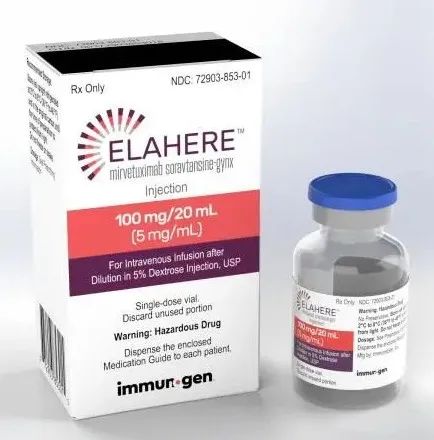 It is an FRα-targeting ADC composed of an IgG1 isotype anti-FRα humanized monoclonal antibody M9346A, an anti-microtubule agent DM4 (a derivate of maytansine), and a linker. FRα is highly expressed in 72%-100% of mesothelioma, 35%-68% of triple-negative breast cancer, 76%-89% of ovarian cancer, and 14%-74% of non-small cell lung cancer patient samples. In November 2022, it was accelerated approved by the FDA as a monotherapy for the treatment of previously treated adult patients with FRα-positive, platinum-resistant epithelial ovarian cancer, fallopian tube cancer, and primary peritoneal cancer. Conclusion The above are the 15 ADC drugs approved worldwide. From the perspective of the original research area, although only Aidiqi® comes from China, it shows that Chinese innovative pharmaceutical companies are no longer outsiders or bystanders, but participants and guests. Although the global biopharmaceutical industry has not yet ended its winter, many Chinese companies that persist on the path of original innovation are still walking alone. However, the most difficult moments have passed, and the spring of original Chinese drugs has quietly arrived.Source:1. BiG Bio Innovation Society: ADC Series on the Market2. Packaging Appearance of 15 ADC Drugs Approved Worldwide. Antibody Circle. 2024-04-13. Overview of Domestic ADCs and Bispecific Antibodies. Yaodu. 2023-08-174. Review of Approved ADC Drugs and Future Outlook. Biological Drug Transporter. 2024-04-115. 2023 Year-End Summary: ADC Drugs Advance Tumor Treatment Progress! Overview of ADC Drugs Approved Worldwide. Dongdong Cancer Friends Circle. 2023-12-236. Summary of Domestic Approved ADC Drugs (Antibody-Drug Conjugates). Lidokavivi. 2024-02-26Scan the WeChat QR code to add Yao Shikong editorPlease indicate: Name + Research Direction!