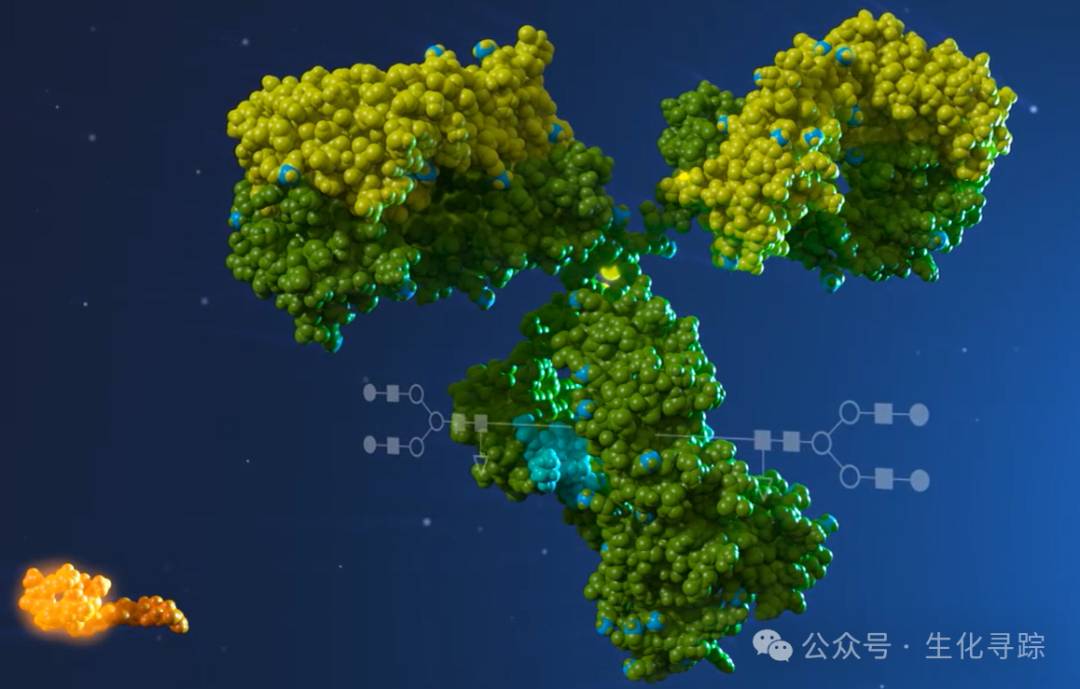
 Antibody-drug conjugates (ADCs) are rapidly emerging as a transformative approach in cancer treatment, due to their potential for targeted therapy, fewer side effects, broader application, and higher therapeutic index compared to traditional chemotherapy.While ADCs initially focused on hematological malignancies, there has been a clear shift towards solid tumor treatment, with approximately 90% of ADC trials currently targeting solid tumors.Limitations:Resistance is a significant concern, as cancer cells can adapt and resist the effects of cytotoxic payloads. Off-target toxicity is also an issue, as linkers can sometimes lead to unintended release of payloads in non-tumor tissues, resulting in adverse reactions. Limited tumor penetration further restricts drug delivery, leading to suboptimal efficacy. The complex structure of ADCs, which combines antibodies, payloads, and linkers, presents additional challenges for preclinical research and clinical application.Reportedly, only a small fraction of the administered dose (0.0003% to 0.08% per gram of tumor) accumulates at the target site, severely impacting efficacy. Current payloads also face clinical limitations, such as severe side effects and the development of resistance.ADC Development – LinkersThe ideal linker should remain stable in the circulatory system to prevent premature drug release and minimize off-target toxicity while ensuring specific release of the payload in target tissues. Additionally, the linker should have appropriate binding sites to facilitate efficient drug design.Linkers are primarily divided into two categories:cleavable linkers and non-cleavable linkers.Cleavable linkers are designed to release the payload in response to specific triggers in the tumor environment. These triggers include low pH, protease activity, or high glutathione levels. Chemical cleavable linkers, such as those based on hydrazone or disulfide bonds, break down through processes like proton cleavage or thiol reduction.Enzymatic linkers, including glucuronide or peptide-based linkers, degrade due to proteolysis or carbohydrate hydrolysis. Examples of cleavable linkers include valine-citrulline (Val-Cit), phenylalanine-lysine, and glutathione-sensitive disulfide linkers.
On the other hand, non-cleavable linkers do not possess chemical triggering properties. Instead, they remain attached to the payload even after internalization and release the payload throughlysosomal degradation of theantibody.
Recent advancements in linker technology have focused on optimizing chemical triggers and developing novel linkers to construct highly selective linkers, thereby reducing off-target toxicity. Innovations include the incorporation of hydrophilic groups such as phosphates or polyethylene glycol (PEG) to improve solubility and pharmacokinetics, particularly for ADCs containing hydrophobic payloads.
Studies have shown that shorter linkers can enhance ADC stability by providing spatial shielding for the payload. Furthermore, the rise of dual payload ADCs necessitates the development of linkers that can balance plasma stability and precise cleavage. These dual payload linkers typically adopt linear or branched designs and customize orthogonal reactive handles based on binding strategies.
ADC Development – Payloads
The ideal payload should possess high cytotoxicity (IC50 values in the picomolar or nanomolar range), low immunogenicity, circulatory stability, modifiable functional groups, and appropriate water solubility. The most common second-generation payloads include microtubule inhibitors, such as monomethyl auristatin E (MMAE, MMAF) and maytansine derivatives (DM1, DM4).
In addition to these traditional payloads, new drug types are being explored, such as RNA inhibitors, Bcl-xL inhibitors, NAMPT inhibitors, carmaphycins, and immunomodulators. Emerging technologies like PROTACs (proteolysis-targeting chimeras) and photosensitizers are also being investigated for their role as ADC payloads. Immuno-ADCs utilize immunomodulators to activate the immune system, garnering attention for their potential in advancing tumor immunotherapy.
The interaction between linkers and payloads is crucial for the functionality of ADCs, as the choice of linker often determines the applicability of the payload, and vice versa. Specificity is also critical, requiring antibodies with high affinity for tumor-specific antigens to minimize off-target effects. ADCs with payloads capable of promoting bystander effects are particularly beneficial for tumors with low or heterogeneous antigen expression, but careful balancing is necessary to avoid toxicity to healthy tissues.
Dual Payloads
The dual payload approach focuses on combining multiple mechanisms of action to enhance therapeutic efficacy. By integrating two different drugs, dual payload ADCs aim to reduce the likelihood of resistance, mitigate side effects, and improve anti-tumor efficacy. Utilizing multiple payloads can target cancer cells through different pathways, thereby lowering the chances of resistance.Developing dual payload ADCs requires complex linker designs to accommodate the connection of two different payloads. These designs often rely on traditional linear or branched linkers equipped with orthogonal reactive handles to ensure precise coupling. However, most dual payload ADCs remain in preclinical development stages. These ADCs still face challenges, including the risk of toxicity overlap between the two payloads. Additionally, their manufacturing processes are complex, involving multiple purification steps, which can pose significant challenges for quality control during production.Bispecific and Multispecific Antibodies:Bispecific antibodies (bsAbs) are designed to recognize two or more epitopes, which can be located on the same or different target molecules. They are constructed in various forms, such as scFvs, sdAbs, and full-length antibodies with engineered Fc regions. A special subclass of bsAbs, known as bispecific complementary antibodies (bpAbs), can bind two different, non-overlapping epitopes on the same antigen. This design enhances ADC internalization and lysosomal transport, thereby improving payload delivery. Bispecific antibodies also address challenges such as antigen downregulation by targeting multiple epitopes on the same molecule, ensuring effective binding and therapeutic action.On the other hand, multispecific antibodies (MsAbs) aim to bind two or more epitopes on the same or different targets, providing extended functionality beyond traditional monoclonal antibodies. MsAbs can crosslink cell surface proteins and recruit immune cells to eliminate tumor cells. These antibodies consist of various building blocks (BB), including Fab, scFv, Fc regions, cytokines, and single-domain antibodies. The design and selection of BB are crucial to ensure that the final MsAb meets the desired product characteristics and aligns with the target and mechanism of action. Each form must be carefully optimized for specific targets or epitopes, as the same configuration may not be universally applicable. MsAbs are being utilized in various applications, such as enhancing immune cell recruitment and promoting crosslinking of different cell surface proteins. However, their development often involves more complex manufacturing processes, requiring additional considerations to address production challenges.De Novo Design of Antibody-Drug Conjugates (ADCs) and Artificial IntelligenceArtificial intelligence (AI) and machine learning (ML) are increasingly being used to enhance the design and development of antibody-drug conjugates (ADCs). AI can identify novel ADC targets with higher tumor selectivity. Furthermore, AI plays a significant role in optimizing antibody affinity and biophysical properties, aiding in the design of new linkers. AI can also predict the synergistic effects of dual payload ADC drug combinations, while recent advancements in computational modeling methods make personalized drug combination therapies possible. These methods leverage genetic data, drug targets, and molecular information from malignant cell lines to assess potential synergistic effects between the two payloads.De novo protein design refers to the use of computational methods to generate entirely new proteins from scratch, rather than modifying existing proteins. This approach can create novel binding interfaces that are inaccessible to natural proteins.Advancements in linker chemistry, payload design, and multispecific antibody engineering are transforming the landscape of ADCs, with AI playing a key role in enhancing precision and efficacy. Innovations in stability, specificity, and chemical triggering ensure accurate payload delivery while reducing off-target toxicity. Bispecific and multispecific antibodies improve targeting precision, enabling better efficacy in complex tumor environments.References:10.14229/jadc.2025.01.30.030
Disclaimer: This article is based on publicly available information and is intended for knowledge sharing and dissemination, not as advice to anyone. If there are any infringements, please contact this public account for removal.
For more exciting content, please follow and share this public account.
Previous reviews:Emerging Trends in ADC DesignAre Dual-Target Dual Payload ADCs More Effective than Single Payloads?Innovative Payloads in Antibody-Drug Conjugates (ADCs) for Tumor TreatmentThe Impact of Components, Antigens, and Conjugation Methods on the Toxicity of Antibody-Drug Conjugates (ADCs)Mechanisms and Structural Optimization of Multispecific Antibodies (msAbs) (Reorganized)New Strategies for the Development of Antibody-Drug Conjugates (ADCs)Summary of Design Methods from Design to Production of Trispecific AntibodiesProduction and Expression Systems for Multispecific Antibodies (msAbs)Limitations and Engineering Solutions in the Development of Multispecific Antibodies (msAbs)Various Types of Multispecific Antibodies (msAbs) and Their StructuresNew Pathways for ADCs – Dual Payload ADCs