
Click below to follow and never miss cancer knowledge~
Author: Guo Lin
When it comes to cancer treatment, chemotherapy, surgery, and radiotherapy are the most familiar traditional methods. However, with the advancement of anti-cancer technology, a new type of “smart” anti-cancer drug that combines the advantages of chemotherapy and targeted drugs—Antibody Drug Conjugates (ADC)—has gradually gained attention. ADCs can not only target cancer cells more accurately but also reduce damage to healthy cells, thus being referred to as “precision chemotherapy.”
Despite their higher precision, these drugs still have some adverse reactions. This article will delve into the common side effects of ADC drugs and coping strategies, helping patients and their families better understand and manage these potential issues during treatment.
1
What Are ADC Drugs?
To understand the side effects of ADC drugs, we first need to clarify what ADCs are. ADC stands for Antibody Drug Conjugates. Its working principle can be simply understood as “targeted demolition”—using antibodies to accurately locate tumor cells and directly deliver cytotoxic drugs to these cells, thus reducing damage to normal cells. ADC drugs are like precise “smart bombs,” equipped with a targeting device (antibody), carrying a “bomb” (cytotoxic drug) that can destroy cancer cells, and a “linker” that binds the two together.
Although ADC drugs are designed to reduce side effects, they can still cause certain adverse reactions, primarily involving the blood, nervous system, liver, lungs, and eyes. Next, let’s take a look at how these adverse reactions occur and what protective measures can be taken.

Image source: Shetu Network
2
Adverse Reactions in the Blood System
Among the side effects of ADC treatment, the impact on the blood system is particularly prominent, especially causing neutropenia. Neutropenia is a common adverse reaction in cancer treatment, characterized by a significant decrease in white blood cell count. For instance, in the case of T-DXd, over 21% of patients undergoing treatment experience grade 3 or higher neutropenia. Neutrophils are a major component of white blood cells, accounting for about 50%-70%. When neutrophils are reduced, the body’s immune capacity significantly declines, making it particularly dangerous for cancer patients who already have low immunity.
To help everyone better understand the adverse reactions in the blood system, here are some common indicators:
Normal white blood cell count: 4.0~10×10^9/L. When the total white blood cell count falls below 4.0×10^9/L, it is termed leukopenia.
Normal neutrophil count: accounts for 50%-70% of white blood cells. When the neutrophil count falls below 2.0×10^9/L, it is called neutropenia; below 0.5×10^9/L is termed neutrophil deficiency, which poses a very high risk of infection.
Why do ADC drugs cause blood system adverse reactions?
The blood-related side effects of ADC drugs primarily stem from the following reasons:
-
Release of cytotoxic drugs: Although the cytotoxic drugs in ADCs are designed specifically for cancer cells, when they reach cancer cells and decompose in the body, they can also exert certain toxicity on normal blood cells, leading to a decrease in white blood cells, red blood cells, and platelets.
-
Bone marrow suppression: Some ADC drugs may affect bone marrow hematopoietic function while exerting their anti-cancer effects, suppressing the production of blood cells. Bone marrow suppression can lead to a comprehensive decrease in blood cell counts.
-
Immune reactions: Some ADC drugs may trigger immune responses, leading to damage or dysfunction of blood cells, causing anemia and thrombocytopenia.
-
Toxicity of drug metabolites: ADC drugs may produce toxic metabolites during metabolism in the body, which can adversely affect the blood system.
-
Drug release mechanisms: The instability of the linker may cause the cytotoxic drug to be released prematurely before entering the cancer cell, thereby affecting normal blood cells.
Measures to cope with blood system adverse reactions:
-
Regular monitoring of blood routine: During ADC treatment, patients should regularly monitor blood-related indicators, especially white blood cell and platelet counts.
-
Supportive therapy: Once significant leukopenia or thrombocytopenia occurs, supportive therapies such as leukocyte-stimulating drugs, hematopoietic factors, or blood transfusions can be employed.
-
Preventing infections: Patients with neutropenia should pay special attention to infection prevention, including maintaining personal hygiene, avoiding crowded public places, and reducing external stimuli.

Image source: Shetu Network
3
Adverse Reactions in the Nervous System
ADC drugs may also affect the nervous system, particularly sensory nerves. For example, MMAE, the active ingredient in this ADC drug, may exert toxic effects on surrounding nerves while killing tumor cells, leading to nerve damage in patients, manifesting as numbness in hands and feet, reduced sensation, and allergies, and in severe cases, even affecting walking ability.
Causes of nervous system adverse reactions:
-
Non-specific uptake by nerves: ADC drugs may be non-specifically absorbed by surrounding nerve cells, leading to damage from the cytotoxins in the drugs.
-
Premature release of drugs: Certain ADC drugs may have instability in their release process within the body, causing cytotoxins to be released into the bloodstream before reaching cancer cells and entering the nervous system.
-
Effects of microtubule protein inhibitors: Some ADC drugs carry microtubule protein inhibitors, which, while effective against cancer cells, may also damage normal nerve cells.
Strategies to cope with nervous system adverse reactions:
-
Early intervention: Once symptoms such as numbness or tingling occur, patients should promptly report to their doctors. Doctors may adjust the drug dosage or consider switching to other medications.
-
Nerve-protective drugs: Doctors may recommend the use of nerve-protective agents, such as vitamin B complex supplements, to help alleviate symptoms.
-
Rehabilitation training: Physical therapy or light exercise can help alleviate nervous adverse reactions while improving the patient’s quality of life.

Image source: Shetu Network
4
Adverse Reactions in the Liver
ADC drugs may have adverse effects on the liver during metabolism. Here are the specific manifestations and causes of these adverse reactions.
1
Increased metabolic burden
Since the liver is the main organ for drug metabolism, ADC drugs typically need to be broken down in the liver. For example, T-DM1 is associated with an increased risk of liver dysfunction, particularly when serum transaminase or bilirubin levels are abnormally elevated; patients should pay attention and communicate with their doctors promptly regarding whether dosage adjustments or discontinuation are necessary.
2
Target antigen expression and specific binding of ADC drugs
ADC drugs not only target tumor cell surfaces but may also bind with certain normal cells, causing liver toxicity. There may be a small amount of target antigens present in normal cells; when ADC drugs enter these normal cells through specific binding and release cytotoxic drugs, toxic reactions can occur. Thus, even if ideally, target antigens are mainly concentrated on the surfaces of tumor cells, the expression of target antigens in normal cells may still lead to the drugs mistakenly entering liver cells, resulting in liver damage.
3
Non-specific binding and linker stability issues
ADC drugs may also exert toxicity on organs or cells that do not express target antigens. For example, the IgG antibody portion of ADC drugs may non-specifically bind with Fc receptors, mediating the uptake of ADC drugs by non-tumor cells. Additionally, linker instability or enzymatic action in the body may cause drugs to be released prematurely in the circulatory system or tumor microenvironment, affecting normal cells and increasing liver toxicity.
4
Immune-mediated liver damage
As large molecular proteins, ADC drugs may also trigger immune responses, leading to immune-mediated liver damage, manifesting as elevated transaminases and other abnormal liver function indicators. Therefore, cancer patients receiving ADC treatment need to closely monitor liver function indicators.

Image source: Shetu Network
Strategies to cope with liver adverse reactions:
(1) Regular liver function testing:
During ADC treatment, patients need to regularly monitor liver function, including transaminases, bilirubin, etc., and promptly report any abnormalities to their doctors.
(2) Liver-protective drugs:
Under doctor’s advice, liver-protective drugs may be used in moderation to help reduce the burden on the liver.
5
Adverse Reactions in the Lungs
ADC drugs may have adverse effects on the lungs during metabolism. Here are the specific manifestations and causes of these adverse reactions.
The main adverse reaction of ADC drugs in the lungs is interstitial lung disease (ILD) or drug-induced pneumonia, with patients possibly experiencing symptoms such as difficulty breathing and dry cough. Here are the causes of lung adverse reactions and management suggestions:
1
Clinical attention and diagnostic difficulties
In clinical trials, lung adverse reactions are often a primary monitoring item for ADC drugs. Compared to liver and kidney damage, drug-induced lung injury has not received sufficient attention in clinical practice, primarily due to its diverse manifestations and lack of specific diagnostic methods. ILD symptoms can easily be confused with primary lung diseases, tumor progression, or infectious diseases, leading to misdiagnosis and missed diagnosis, which can be life-threatening if not promptly addressed.
2
Lung adverse reactions of T-DXd
The ILD associated with T-DXd is characterized by a high incidence, association with multiple factors, and typically occurring early in treatment. In several studies, the incidence of ILD or pneumonia related to T-DXd monotherapy reached over 15%, especially higher in Asian patients. Therefore, patients using T-DXd need to closely monitor ILD and implement early intervention and active management.
3
Lung safety of Trop-2 targeted ADC drugs
In contrast, the Trop-2 targeted ADC drug, sacituzumab govitecan (SG), has shown better lung safety in clinical studies. Research indicates that the incidence of ILD related to SG treatment is extremely low, mostly involving low-grade adverse events. For instance, in the ASCENT study, only one case of grade 3 ILD occurred in the SG group, and it was unrelated to the drug. Studies related to mUC (mucin) and lung cancer also demonstrate a low risk of ILD with SG treatment, with no new safety signals. Therefore, for patients requiring ADC treatment and concerned about lung adverse reactions, Trop-2 targeted SG drugs show superior safety.
Strategies to cope with lung adverse reactions:
Regular lung imaging examinations should be conducted to monitor the risk of interstitial lung disease. If symptoms such as difficulty breathing or dry cough occur, patients should immediately contact their doctors.

Image source: Shetu Network
6
Adverse Reactions in the Eyes
Eye-related adverse reactions from ADC drugs are relatively rare, but some patients may experience symptoms such as dry eyes and blurred vision, primarily manifested as keratitis or dry eye syndrome. Although this adverse reaction is not common, it can affect the daily lives of patients.
Measures to cope:
-
Artificial tears relief: Patients can use artificial tears or eye drops to alleviate dry symptoms.
-
Reduce external stimuli: Wearing protective glasses to avoid irritation from wind, sand, or bright light.
7
Hair Loss
The impact of ADC drugs on hair is milder than that of traditional chemotherapy drugs, but in some cases, patients may still experience hair loss. The incidence of hair loss varies depending on the type of drug.

Image source: Shetu Network
8
How to Scientifically Manage the Adverse Reactions of ADC Drugs
Adverse reactions caused by ADC drugs are diverse and exhibit certain individual differences, but responding scientifically can significantly reduce discomfort caused by side effects. Here are some comprehensive suggestions:
1
Regular check-ups and monitoring:
As the treatment cycle for ADC drugs is relatively long, patients should regularly undergo blood tests, liver function tests, and neurological function monitoring.
3
Timely feedback and communication:
Any discomfort symptoms should be promptly reported to doctors, and treatment plans can be adjusted if necessary.
3
Psycho-social support:
Maintaining an optimistic attitude and positive mental state is very important; family members should provide understanding and support to help patients cope with emotional fluctuations.
4
Healthy lifestyle:
A balanced diet, moderate exercise, and sufficient sleep are healthy habits that help patients improve immunity and enhance their ability to resist side effects.

Image source: Shetu Network
In summary, ADC drugs, as a new generation of anti-cancer weapons in “precision chemotherapy,” provide more treatment options for cancer patients due to their targeting and lower systemic toxicity. Although side effects still exist, most of them can be managed through scientific management and daily life adjustments. It is hoped that every patient undergoing ADC treatment can respond scientifically under the guidance of medical staff and ultimately overcome the disease, restoring health.
November Benefits
In collaboration with the Dance with Cancer Forum, GenePlus has launched the “Ji Ai 3000” public welfare testing project, exclusive benefits for gene testing starting from 2000+. For details, click “Public Welfare Upgrade! Tumor gene testing as low as 2000+, effectively improving cancer success rates!“ to learn more, or scan the QR code below to contact the assistant for free consultation.


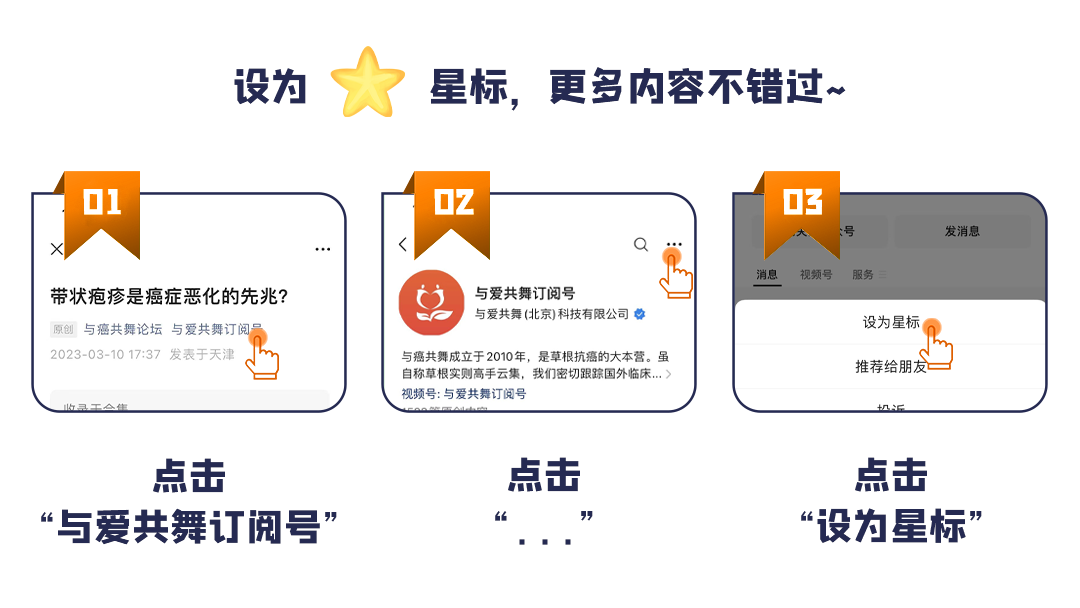
Star mark to follow, don’t miss exciting content!

Dance with Cancer
Scan to add Dance with Cancer Assistant
Helping you find the organization and join the group for communication