In the long journey of cancer treatment technology development, we have been pursuing a “magic bullet” that can accurately identify and eliminate cancer cells while sparing normal cells.ADC drugs—Antibody-Drug Conjugates—are a new therapeutic approach that comes close to this ideal. In recent years,ADC drugs have achieved remarkable success in the field of tumor treatment, with variousADC drugs demonstrating excellent efficacy in breast cancer, lymphoma, leukemia, and other cancers.
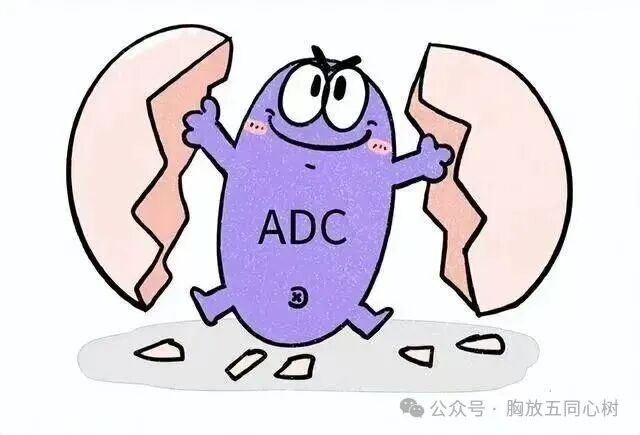
 What are ADC Drugs?
The concept of ADC drugs is quite intuitive—they are like precision-guided “biological missiles” composed of three parts:
Guidance System: A monoclonal antibody that can specifically recognize cancer cells. This antibody can accurately locate cancer cells expressing specific antigens and bind to them.
Warhead: A cytotoxic drug that effectively kills cancer cells. This drug is usually highly toxic and can cause severe harm to patients if used alone.
Linker: A chemical chain that connects the antibody and the toxic drug. It needs to remain stable in the bloodstream but release the toxic drug accurately inside the cancer cells.
This clever design allows ADC drugs to deliver highly toxic drugs to cancer cells precisely, while minimizing damage to normal cells.
 How do ADC Drugs Work?
The working process of ADC drugs can be divided into four key steps:
Targeting: After being injected into the body via intravenous administration, the antibody part of the ADC drug seeks out and binds to the surface of cancer cells expressing specific antigens. This is like the missile’s guidance system locking onto a target.
Internalization: Once the ADC drug binds to the cancer cell, the entire complex is “swallowed” into the cancer cell. This is a critical step that ensures the toxic drug is primarily released inside the cancer cell.
Precise Release: Inside the cancer cell, the linker will break under specific conditions, releasing the highly active cytotoxic drug. This is akin to the missile detonating its warhead inside the target.
Highly Effective Killing: The released toxic drug will damage the cancer cell’s DNA or microtubule structure, leading to cancer cell death. Since the toxic drug is released inside the cancer cell, its killing efficiency is extremely high.
Bystander Effect: It is worth mentioning that some ADC drugs also exhibit a “bystander effect”—the released toxic drug can penetrate cell membranes and kill adjacent cancer cells, which is particularly important for treating heterogeneous tumors.
 What are the Advantages of ADC Drugs?
Compared to traditional chemotherapy, ADC drugs have significant advantages:
High Precision: Traditional chemotherapy indiscriminately kills both cancer and normal cells, leading to severe side effects. In contrast, ADC drugs primarily target cancer cells, with minimal impact on normal tissues.
Significant Efficacy: By delivering highly toxic drugs directly to cancer cells, ADC drugs have a much higher killing efficiency than traditional chemotherapy.
Fewer Side Effects: Theoretically, ADC drugs should have lower systemic toxicity than traditional chemotherapy, potentially improving patients’ quality of life.
 Challenges Faced by ADC Drugs
Despite the enormous potential of ADC drugs, they also face several challenges:
Target Selection: An ideal target should be highly expressed on cancer cells and low or absent in normal tissues. Finding such targets is not easy.
Drug Resistance: Like many anticancer drugs, cancer cells may develop resistance to ADC drugs.
Adverse Reactions: ADC drugs still possess certain toxicity, with common adverse effects including bone marrow suppression, hepatotoxicity, neurotoxicity, and specific ocular toxicity.
High Costs: The development and production processes of ADC drugs are complex, leading to high treatment costs.
|
Target |
Drug Name (Generic Name) |
Main Indications (Some Representative Indications) |
|
HER2 |
Trastuzumab Deruxtecan |
Breast Cancer, Gastric Cancer, Non-Small Cell Lung Cancer |
|
TROP2 |
Sacituzumab Govitecan |
Triple-Negative Breast Cancer |
|
Nectin-4 |
Enfortumab Vedotin |
Urothelial Carcinoma |
|
CD30 |
Brentuximab Vedotin |
Lymphoma |
|
BCMA |
Belantamab Mafodotin |
Multiple Myeloma |
|
EGFR |
Cetuximab |
Colorectal Cancer, Head and Neck Cancer |
|
FRα |
MIRV |
Ovarian Cancer |
|
c-Met |
Teprotumumab |
Non-Small Cell Lung Cancer |
The table above summarizes some currently approved and representative ADC drug information for quick reference.
The journey of ADC drugs from concept to widespread clinical application has spanned decades, and this field is now experiencing explosive growth. With scientists deepening their understanding of cancer biology and advancements in biotechnology, ADC drugs are expected to bring new treatment hope to more cancer patients.

Wishing you a speedy recovery.
-END-