Antibody-drug conjugates (ADCs) have emerged as a promising approach for cancer treatment, garnering significant attention. By combining the selective specificity of monoclonal antibodies with the cytotoxicity of drug molecules, they enhance the therapeutic index, selectively targeting cancer cells while minimizing systemic toxicity. However, several challenges remain: including the selection of appropriate target antigens, enhancing antibodies, linkers, and payloads, as well as managing resistance mechanisms and side effects. Today, we will review strategies to overcome these barriers, such as site-specific conjugation technologies, novel antibody formats, and combination therapies, exploring the future potential of personalized medicine to advance ADC therapies.1. As of December 2023, FDA-approved ADC drugs, including targets and companion diagnostics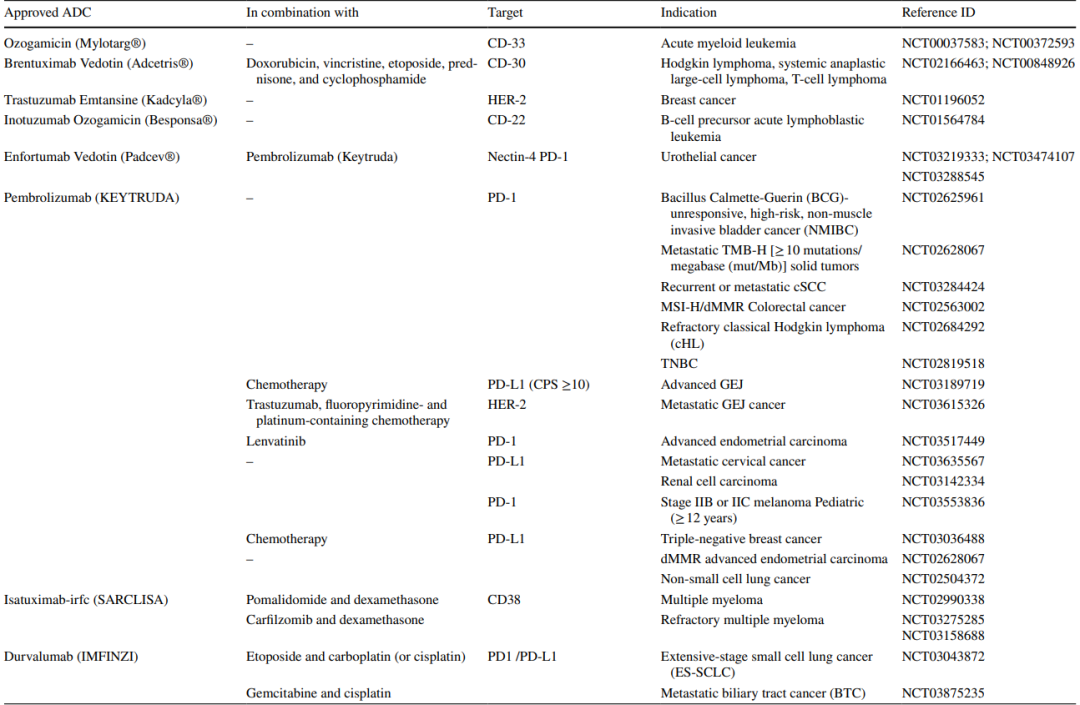
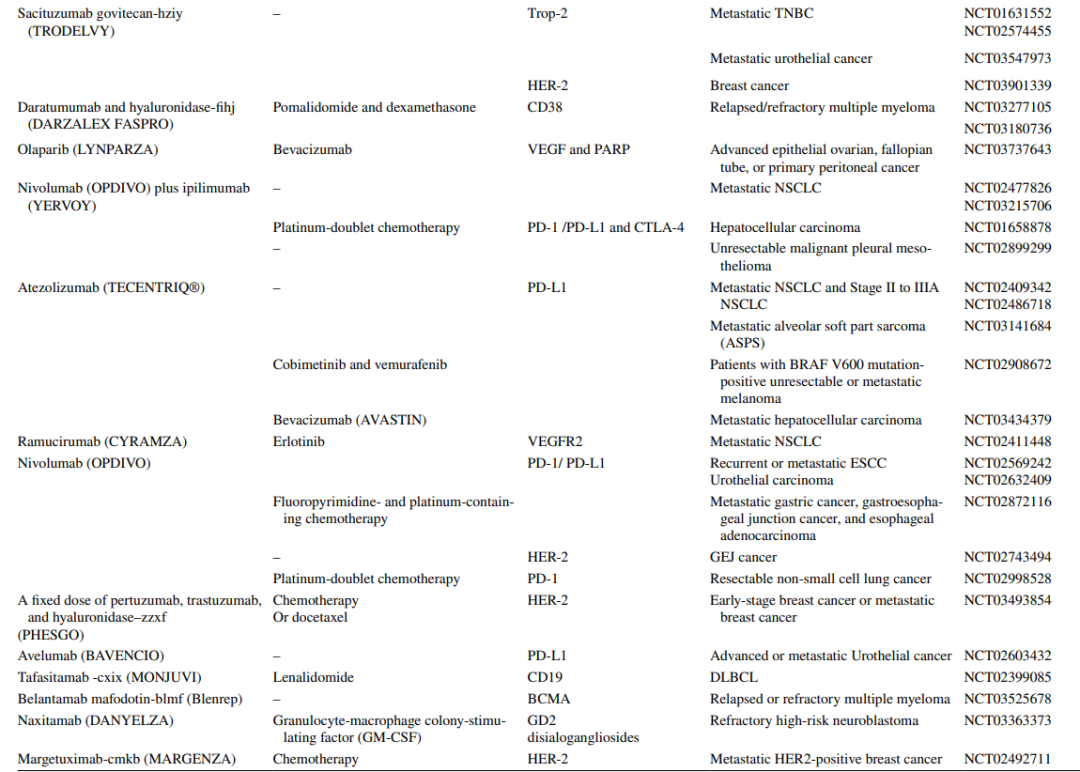
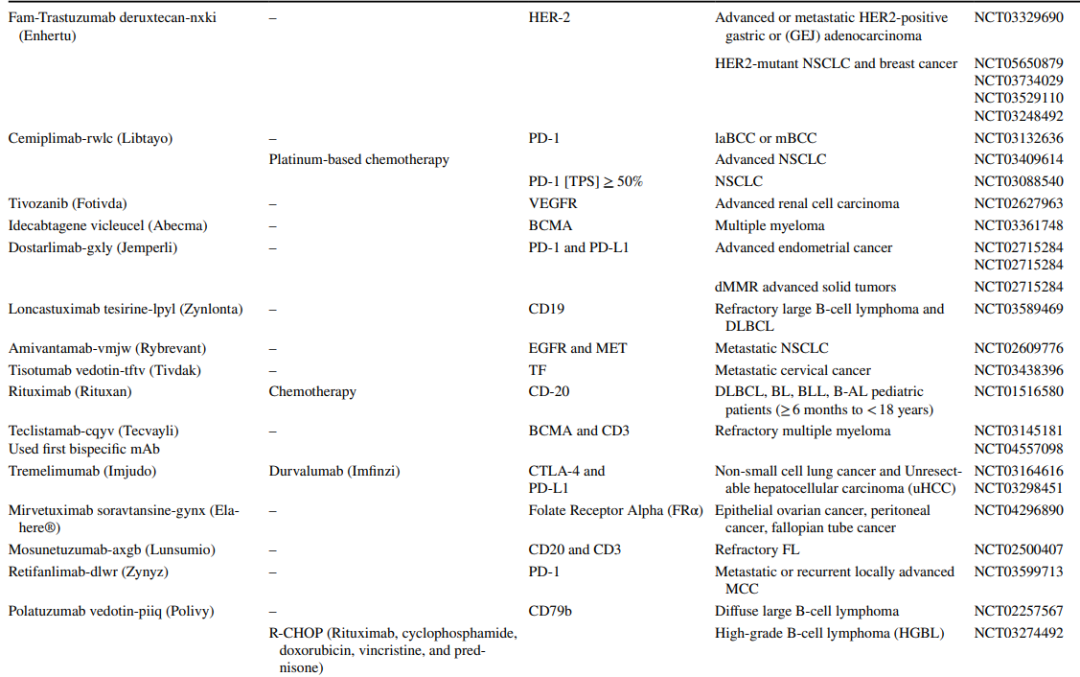 2. Composition of ADC drugs
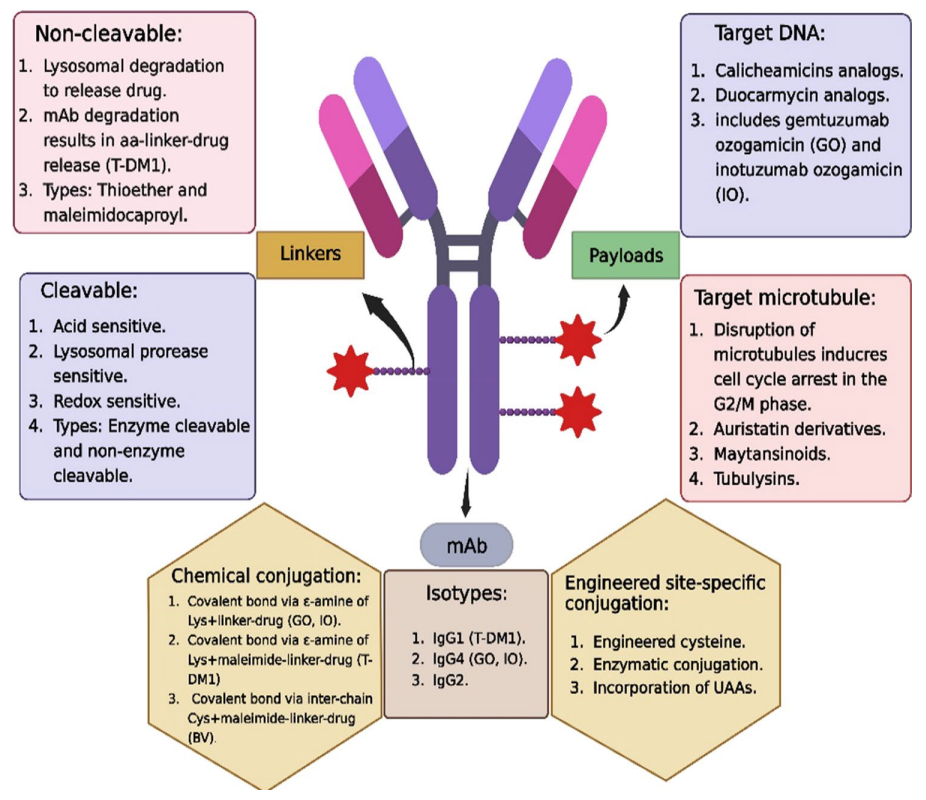 3. Gradual design of ADCs using AJICAP technology
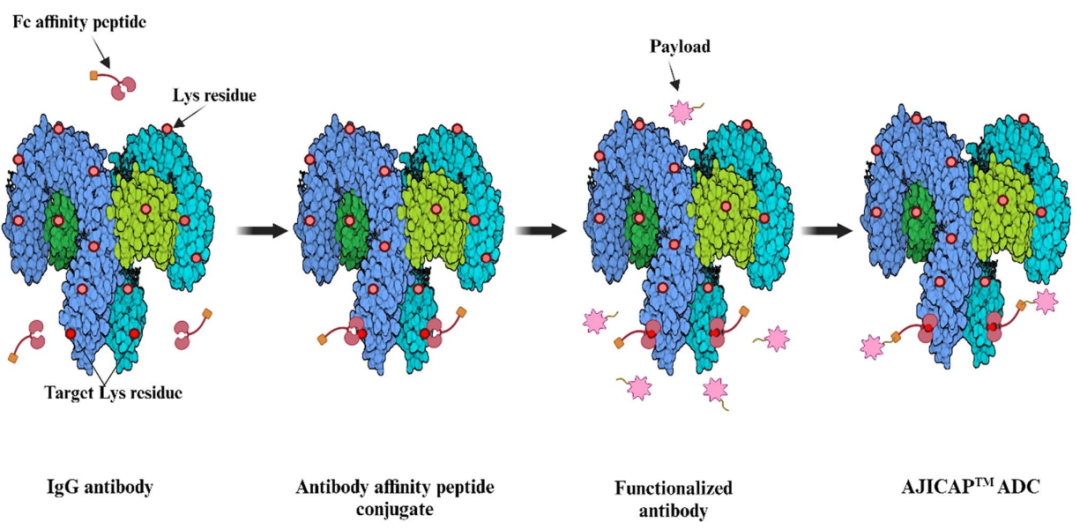 4. General description of the mechanism of action of antibody-drug conjugates
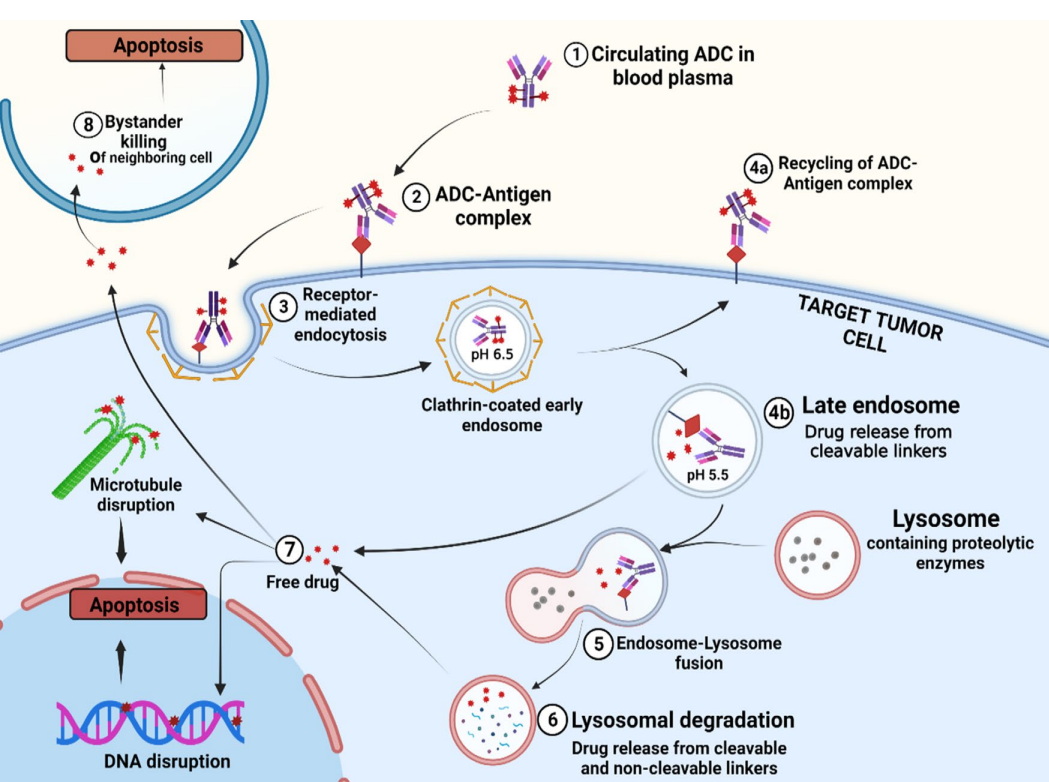 The mechanism involves several stages. First, the ADC attaches to specific antigens on cancer cells. This interaction triggers receptor-mediated endocytosis, where the complete ADC-antigen complex is internalized by the cancer cell. Some ADC-antigen complexes are recycled back to the cell surface, while the drug remains in the endosome. If this complex follows the drug release pathway, the endosome matures into a late endosome, leading to the degradation of the cleavable linker and the release of the cytotoxic payload. The late endosome then fuses with the lysosome, where the ADC is degraded by lysosomal enzymes, releasing the cytotoxic drug. Additionally, the free drug may also affect neighboring cancer cells, causing a bystander effect.5. Mechanisms of resistance to ADCs in HER2-positive breast cancer
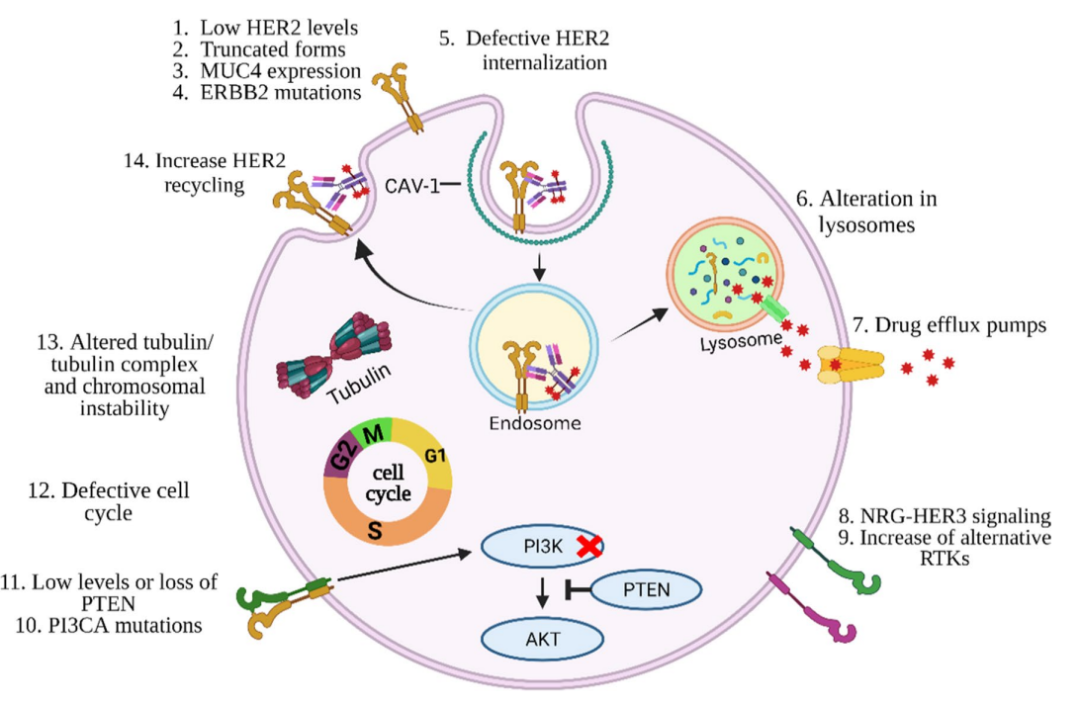 6. A simple method for rapid modification of hybridoma cells using CRISPR technology
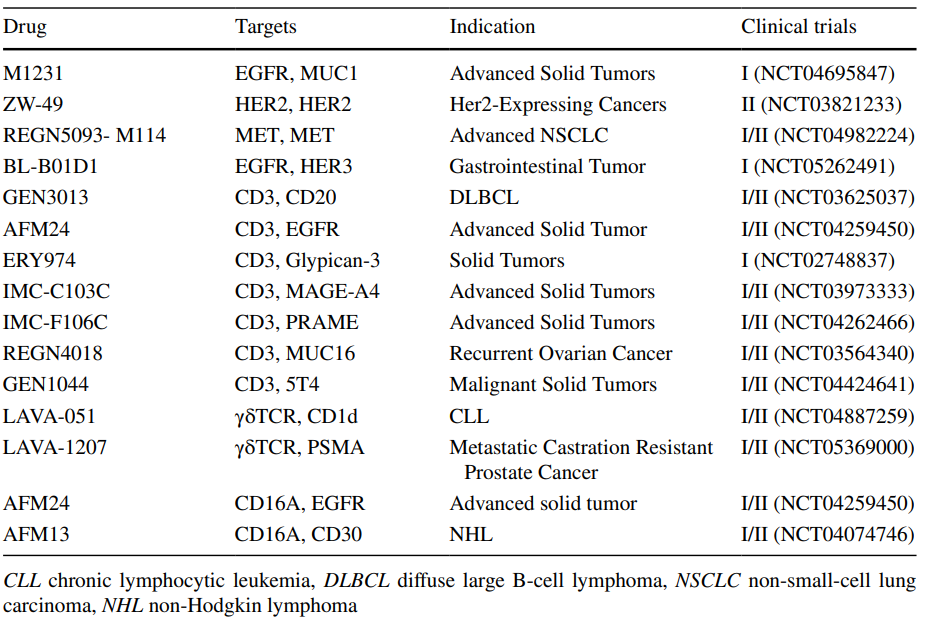
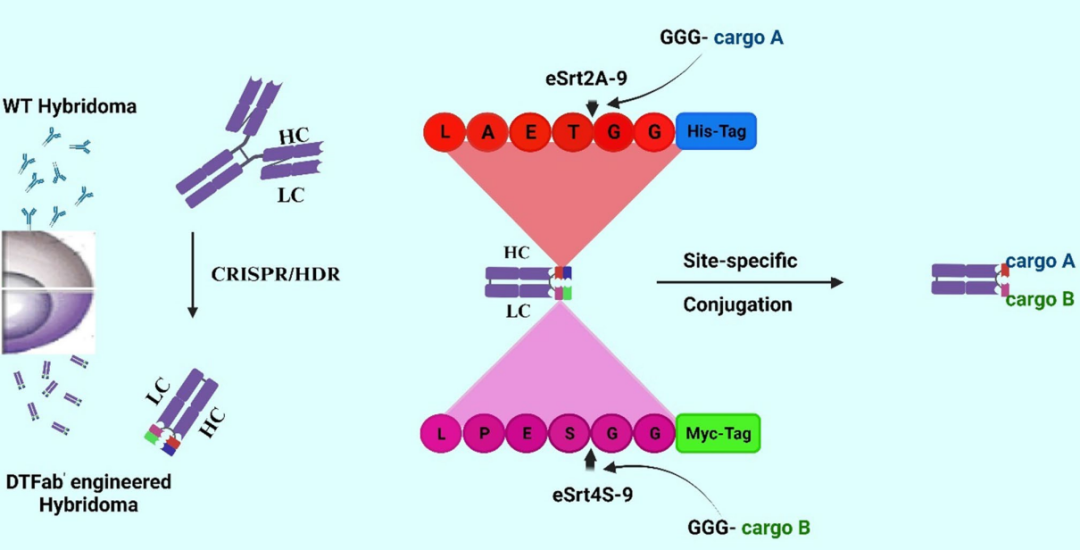 7. Clinical trials of bispecific ADCs
 As our understanding of the molecular mechanisms driving cancer progression expands, we look forward to the development of new ADCs that provide more effective and personalized treatment options for cancer patients.References:Kumari, S., Raj, S., Babu, M. A., Bhatti, G. K., & Bhatti, J. S. (2024). Antibody-drug conjugates in cancer therapy: innovations, challenges, and future directions. Archives of pharmacal research, 47(1), 40–65. https://doi.org/10.1007/s12272-023-01479-6.