On the battlefield between Russia and Ukraine, in addition to powerful aerial bombs, the Russian military is also ramping up the production and upgrading of suicide drones. These drones can target Ukrainian artillery, air defense systems, tanks, armored vehicles, and even other tactical targets like drones. Many of the equipment provided by the West has been destroyed by Russian drones, and the Russian military is continuously upgrading its drones based on the experiences gained in the war. Taking the Lancet as an example, the latest model has become a smart multi-purpose weapon capable of autonomously locating and striking targets, and can even transmit video back to confirm whether the target has been destroyed.
According to a report by LostArmour, as of February 28, 2024, the Russian military has conducted 1,163 attacks using the Lancet, destroying 363 targets, causing significant damage to 615 targets, with 91 instances where damage results could not be confirmed, and only 92 instances where the target was missed, indicating a very high effective destruction rate.
The Lancet suicide drone (Russian: БПЛА Ланцет, English: The Lancet Drone) is a loitering munition produced by ZALA Aero Group, a subsidiary of the Russian Kalashnikov Group.It was first publicly unveiled at the Russian Army Weapons Expo in 2019.
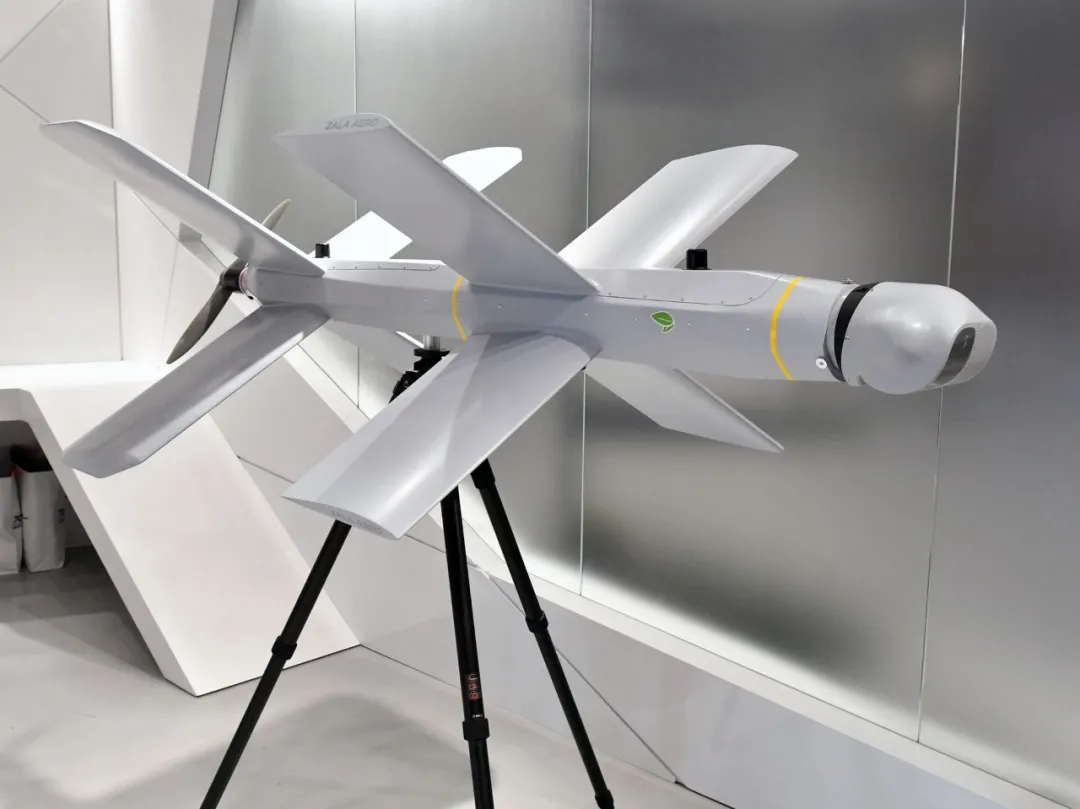
The original design of the Lancet drone features a propulsion system powered by a Czech AXi 5330 motor driving a dual-blade propeller setup. The current state of the motors used after Russia’s sanctions is unclear. It is equipped with electro-optical guidance and television guidance systems, allowing for control of the munition in the final flight phase. The drone also has intelligent navigation and communication modules. The operational radius of the Lancet drone is 40KM, with a flight endurance of 40 minutes and a maximum payload of 12KG, and it can be launched using a rail launch system.The front of the drone is equipped with an electro-optical turret containing a high-definition optical or infrared seeker, and the body has four wings arranged in an “X” shape that can be folded for easy transport and quick deployment. Its missile-like shape reduces air resistance, providing greater range and loiter time without changing the propulsion system.In attack mode, it can use high-explosive or fragmentation warheads.The drone is also designed with a laser protection device.According to Zala Aero’s chief designer Alexander Zakharov, the Lancet can play the role of a so-called “aerial mine”.The drone can dive attack at a maximum speed of 300 kilometers per hour (190 miles per hour), and can even attack slower drones.
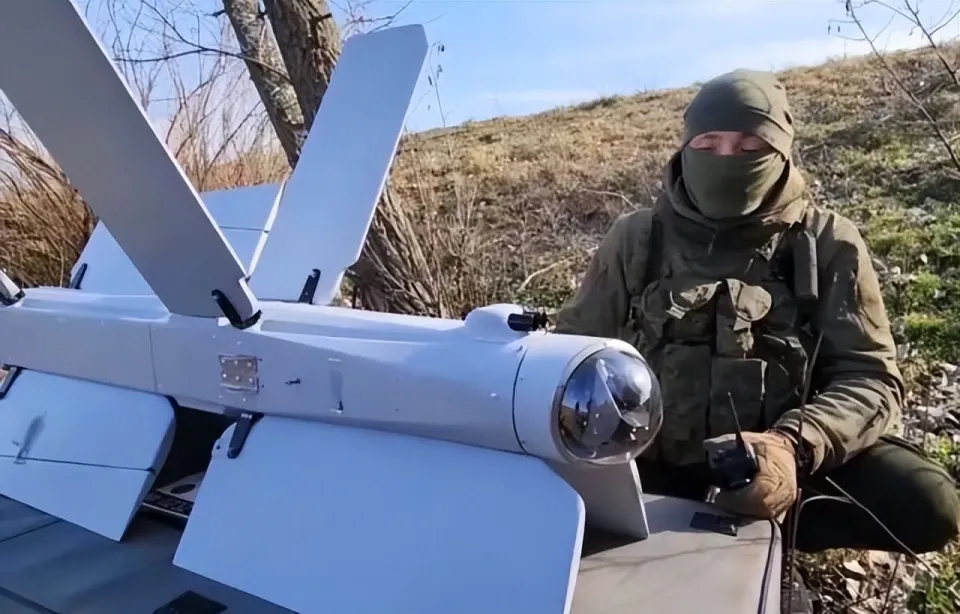
The Lancet-1, factory code “Product-51”, is a smaller version with a total combat weight of 5 kilograms, powered by an internal lithium battery and driven by a propeller, with a flight endurance of about 30 minutes, a cruising speed of about 80 kilometers, and a maximum range of up to 30 kilometers, with an actual attack distance of about 10-15 kilometers. It is equipped with a 1-kilogram warhead, comparable in lethality to two hand grenades. This type of loitering munition has been frequently used by the Russian military in combat tests in Syria, mainly for anti-terror operations against exposed personnel due to its small size and limited lethality.
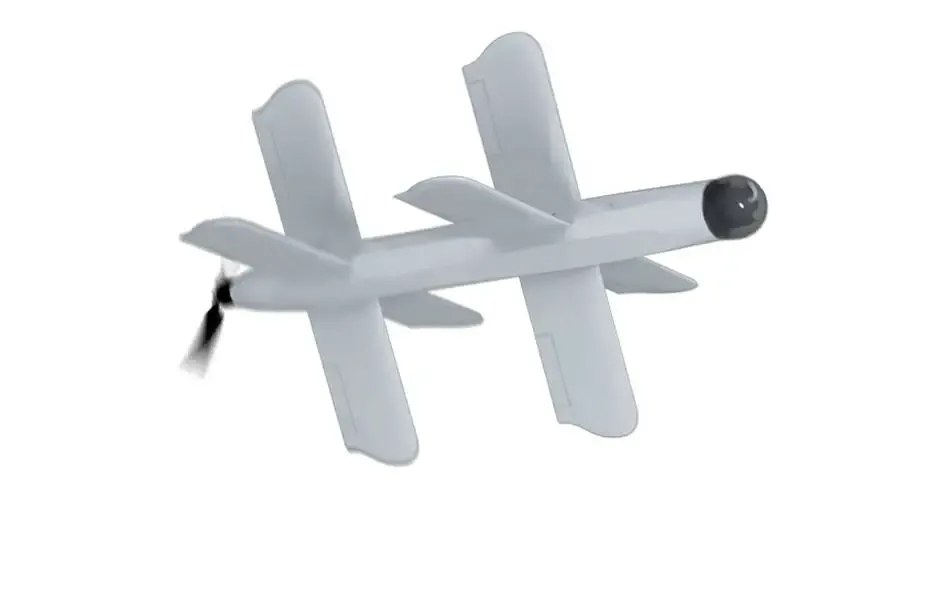
The Lancet-3, factory code “Product-52”, is a larger version, similar in shape to the Lancet-1 but with larger dimensions. For instance, the wingspan has increased to over 2 meters, and the launch weight has increased to 12 to 15 kilograms, still powered by an internal lithium battery and electric motor, with a flight endurance of about 30-40 minutes, a cruising speed increased to 110 kilometers per hour, and a maximum range of 40-50 kilometers, with an estimated actual attack distance of over 20 kilometers. The warhead of the Lancet-3 has increased to 5 kilograms, similar in weight to an 82mm mortar shell, and can be used as an area-effect weapon if aimed accurately. The Lancet-3 has moved beyond being a simple loitering munition for personnel targeting and has become a long-range anti-tank missile. Equipped with a thermal imager, the drone can fly at night at altitudes of 50-250m while avoiding obstacles.
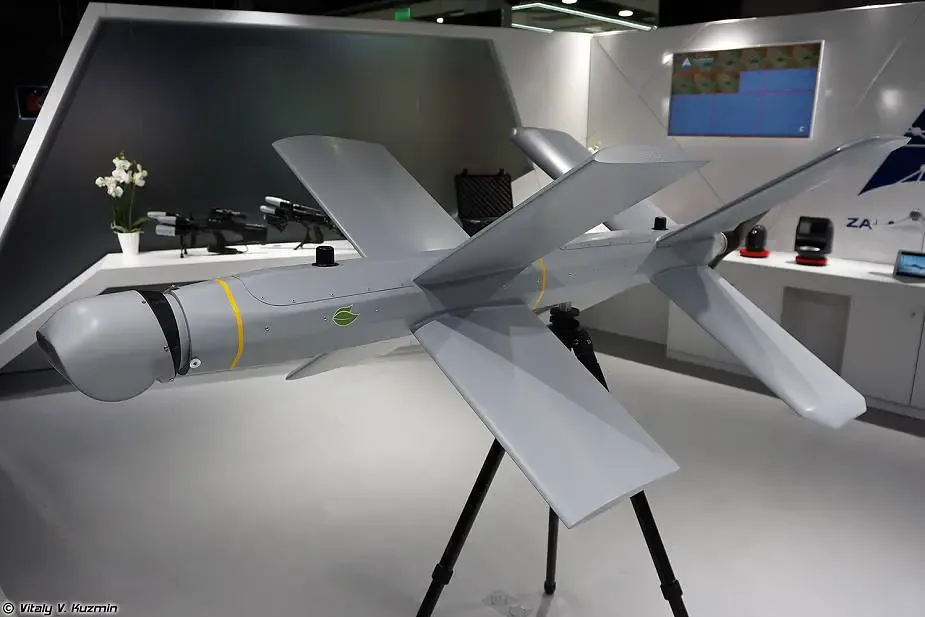
Russia has developed a new generation of the Lancet—“Product-53 (Изделие 53)”. This new drone has undergone significant upgrades, first redesigning the search system. It has reduced internal mechanical structures, lowering costs while improving system reliability, making it easier for mass production; second, it has added rapid launch capabilities for the Lancet loitering munition. The new Lancet has foldable wings and can be launched from a launch tube, using a four-tube launcher, and has swarm combat capabilities. It no longer requires a launch rail and does not need to be temporarily assembled before use. In addition, the new generation of the Lancet is equipped with artificial intelligence technology, enabling automatic networking, AI recognition, automatic search, and automatic attack, while enhancing electronic countermeasure capabilities to prevent interference and deception by enemies.
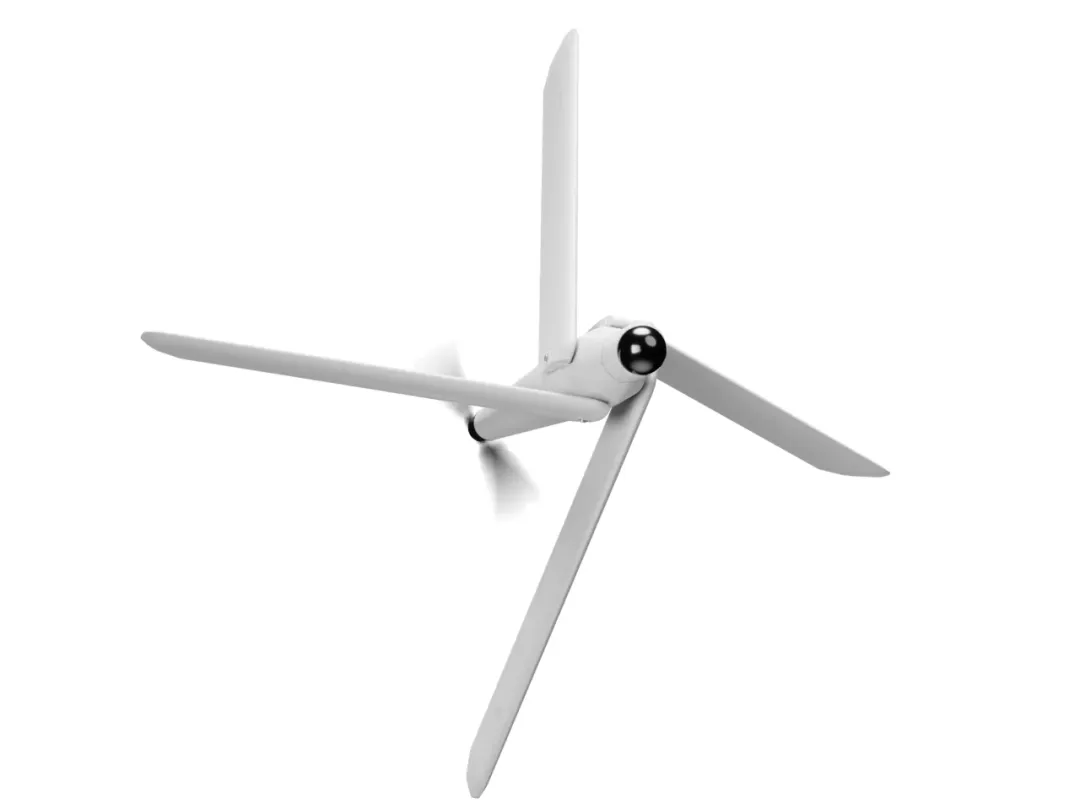
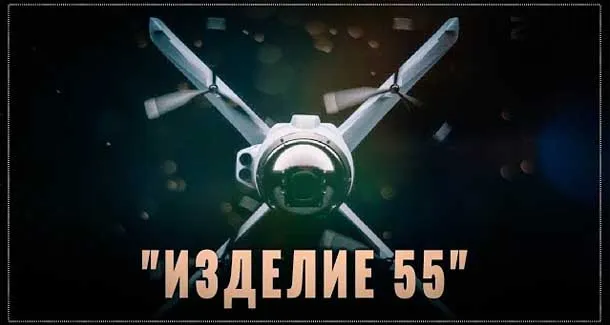
The new improved version based on Product-53 is Product-55 (Изделие 55), which adopts a four-wing layout with four motor drives, enhancing anti-jamming capabilities, retaining the enhanced warhead, and adding an infrared channel for all-weather operations.
Overall, the power of the Lancet drone itself is not particularly high, and its technical content is not very advanced, but it is easy to manufacture on a large scale and can be used anywhere. The Russian military has fully utilized its numerical advantage to compensate for the “Lancet”’s power and technical shortcomings, allowing it to achieve legendary status on the Ukrainian battlefield!
 Source: Military Eagle Dynamics Chief Editor: Wu MinDeputy Chief Editor: Yu Wenjing Duty Editor: Pan Huimin Editor: Su Yue Proofreader: Sun Yiwen