The key to successful IT work during hotel preparation is:
-
Proactive Planning: Everything starts with a good blueprint.
-
Cross-Department Communication: IT must maintain seamless communication with owners, management teams, engineering departments, and operations departments.
-
Vendor Management: Effectively manage vendors for multiple systems and devices to ensure timely and quality delivery.
-
Attention to Detail: A misplaced information point or incorrect interface parameter can hinder operations.
-
Documentation: Complete documentation is the foundation for efficient future operations.
We will elaborate on the above content
Phase One: Initial Onboarding (Usually 6-12 Months Before Opening)
Planning and Foundation
The core of this phase is planning, budgeting, and selection.
1. Familiarization and Integration:
-
Understanding the Project: Deep communication with owners, project managers, and hotel management company representatives (if any) to fully understand the hotel’s positioning (luxury, boutique, business, etc.), scale, brand standards, opening timeline, and budget.
-
Studying Blueprints: Carefully study architectural blueprints, low-voltage layout diagrams, and data center location maps to understand the layout and functional requirements of all areas, and verify and familiarize yourself with the blueprint points on-site as much as possible.
2. Developing IT Strategy and Budget:
-
Preparing Overall IT Budget: Based on brand standards, combined with communication of the needs of various hotel departments, create a detailed budget covering all hardware, software, networks, licenses, implementation services, and future operations.
-
Creating IT Project Backward Schedule: Create a master timeline that integrates IT tasks with the overall construction and renovation schedule of the hotel. (Leave a comment to obtain the backward schedule template)
3. Core System Selection and Bidding:
-
Property Management System (PMS): This is the heart of the hotel, and selection is crucial. Compare the functions, prices, and brand compatibility of different vendors (such as Opera, Protel, Shiji, etc.).
-
Network System: Plan the overall architecture of wired and wireless networks (core switches, aggregation, access), IP address planning, and internet access solutions (primary and backup lines).
-
Telephone System (PBX): Decide whether to use a traditional PBX or a more advanced IP phone system. Plan for guest room phones, administrative office phones, and the switchboard.
-
Other Key Systems: Start researching and selecting:
-
Room Control System (RCU)
-
Lock System
-
Sales Management System/Banquet Management System
-
Revenue Management System
-
Background Music and Television System (including IPTV/VOD)
-
Point of Sale System (POS)
-
Financial and Back Office Software
4. Low-Voltage Infrastructure Planning:
-
Low-Voltage Equipment Room: Confirm the location, size, power supply, air conditioning, and grounding of the low-voltage equipment room/data center meet standards.
-
Low-Voltage Wells/Trays: Review the paths of the integrated wiring (network, telephone, television) and the reasonableness of the low-voltage well locations.
-
Information Point Planning: Communicate with various departments (front desk, guest rooms, dining, finance, logistics, etc.) to determine the number and location of information points (network ports, telephone ports) needed in each area.
Phase Two: 3-6 Months Before Opening – Implementation and Integration
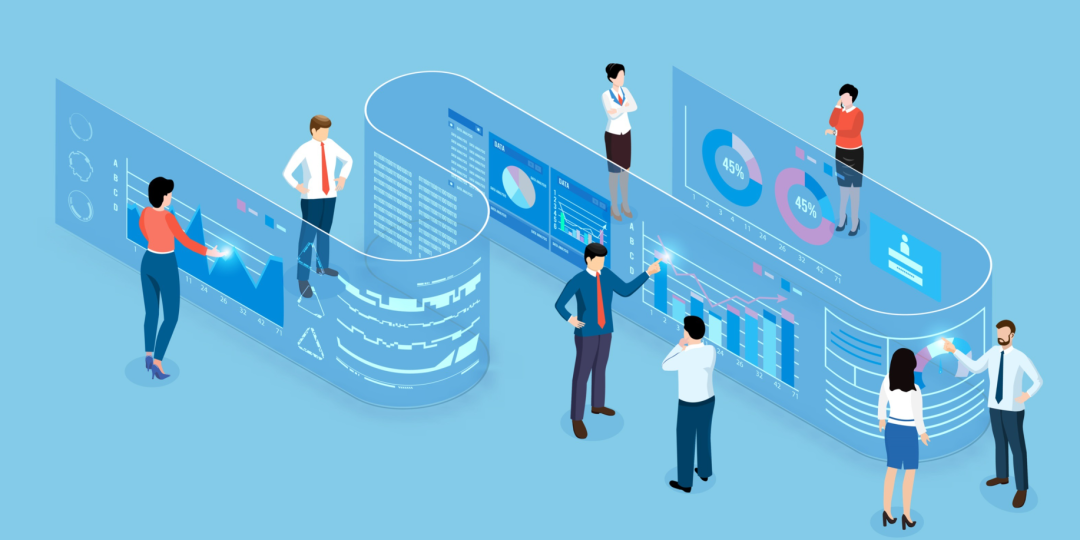
This phase is the peak period for construction, installation, and wiring, where IT needs to closely cooperate with the project team and construction party.
-
Infrastructure Construction and Supervision:
-
Integrated Wiring: Supervise the wiring contractor to complete the installation, wiring, and testing of network, telephone, and television cables in all areas, ensuring clear and standardized labeling.
-
Cabinets and Data Center: Install network cabinets, server cabinets, deploy UPS for different power outages, and complete the internal environment construction of the data center.
-
Wireless AP Installation: Install wireless AP devices according to the wireless planning diagram and conduct preliminary signal coverage tests.
Core Equipment Arrival and Installation:
-
Network Equipment: Install and configure core switches, aggregation switches, firewalls, routers, etc.
-
Servers and Storage: Install servers, storage devices, and build a virtualization platform (if applicable).
-
Telephone System: Collaborate with the engineering department to install the PBX host and voice gateway, and begin laying telephone lines.
Installation of Subsystems:
-
PMS/POS Server Installation: Install system servers and databases.
-
Interface Server Installation: Confirm the number of interfaces
-
Financial System: Confirm financial codes, T-Codes, and automatic early report testing (if any).
-
Banquet Sales Management System: Confirm the names, capacities, and sizes of banquet venues
-
Lock System: Install locks and card issuing machines, and conduct joint debugging tests with the PMS.
-
Gateway System: Debug the authentication page and test interfaces
-
Television and Background Music System: Install televisions, set-top boxes, and speakers.
-
Room Control System (RCU): Install RCU hosts, control panels, thermostats, etc., and conduct linkage debugging with lighting, curtains, and other high-voltage components.
Phase Three: 1-3 Months Before Opening – Debugging, Testing, and Training
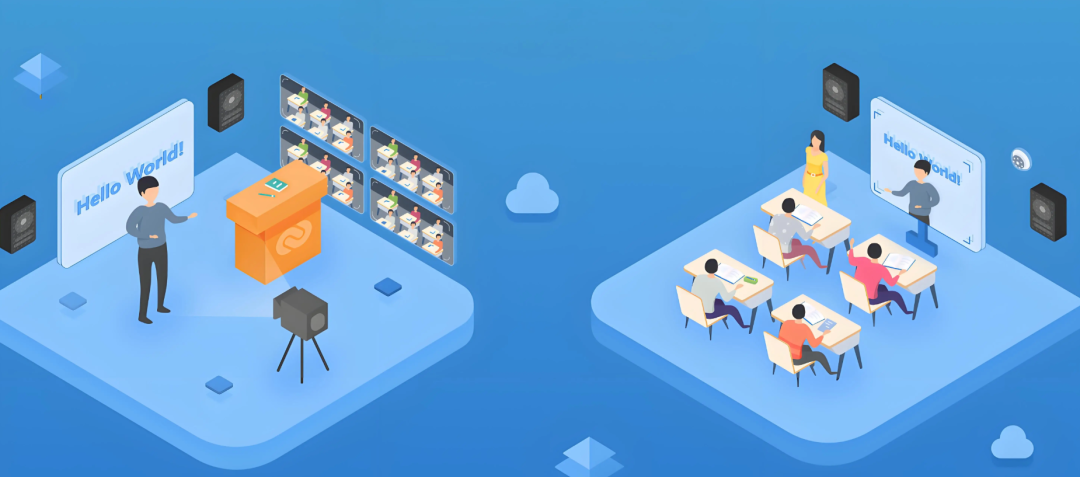
This phase is the critical period for system shaping, function verification, and personnel preparation.
-
System Integration and Debugging:
-
PMS ↔ Lock System: Automatic card issuance/cancellation upon check-in/check-out.
-
PMS ↔ Telephone: Automatic activation of long-distance calls upon check-in, deactivation upon check-out.
-
PMS ↔ RCU: Card insertion for power, lighting scene modes.
-
PMS ↔ POS: Real-time synchronization of account consumption.
-
PMS ↔ Financial System: Automatic transmission of night audit data.
-
Interface Debugging: This is the core of IT work. Ensure that all systems interface with the PMS and operate stably, for example:
-
Network Optimization: Comprehensive optimization of the wireless network, conducting stress tests to ensure coverage without dead zones and stable connections.
System Configuration and Data Initialization:
-
PMS Configuration: Create room types, room rate codes, package prices, user permissions, payment methods, etc., in the system.
-
Telephone System Configuration: Set extension numbers, call permissions, voicemail welcome messages, etc.
-
Permission Configuration: Create computer and system accounts for all employees and assign corresponding permissions.
Comprehensive Testing:
-
Simulated Operation Testing: Organize employees from various departments to simulate a complete guest experience process: from booking, check-in, issuing room cards, using in-room devices (air conditioning, television, telephone, internet), dining consumption, check-out to night audit.
-
Stress Testing: Simulate peak periods with multiple users checking in and checking out simultaneously to test system performance.
-
Backup and Recovery Testing: Verify the effectiveness of the data backup plan and whether recovery can be successfully performed.
Documentation Writing:
-
Start writing technical documents such as “IT Operations Manual,” “Network Topology Diagram,” “System Account List,” “Emergency Plan,” etc.

Phase Four: The Last Month Before Opening – Final Sprint and Opening Preparation
This phase is for identifying gaps, final preparations, and online support.
-
Final User Training:
-
Conduct final reinforcement training and assessments for front desk, guest room, dining, finance, sales, and other employees on system operations.
Final Checks and Optimization:
-
Room-by-Room Inspection: Together with the housekeeping and engineering departments, conduct final functionality confirmation of IT-related equipment (telephone, television, network, RCU) in each guest room.
-
Public Area Inspection: Check all public areas (lobby, restaurant, conference rooms) for Wi-Fi, telephone, POS machines, etc.
-
Final System Performance Tuning.
Go-Live Preparation:
-
Confirm that all system licenses are activated.
-
Prepare the “opening data” for the opening day (such as initial room rates, first reservation, etc.).
-
Develop a detailed “IT Support Plan for Opening Day” (leave a comment to obtain the template), with IT personnel on standby 24 hours.
Opening Support:
-
On the opening day, the IT manager must be on-site to handle any unexpected technical issues and ensure the system operates smoothly on the first day of operation.