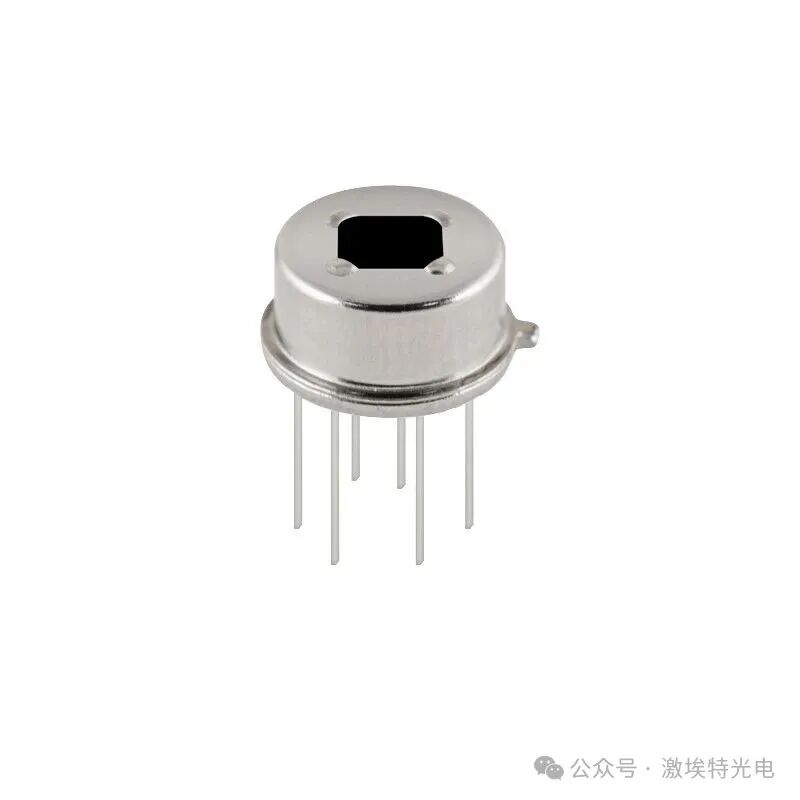
The pyroelectric infrared sensor is the core of passive motion detection technology, but its superior performance is not achieved independently by the sensor; it relies on a highly specialized front-end optical system. This article systematically discusses the working principle of this optical system, deeply analyzes the optical and mechanical properties of different substrate materials (silicon, germanium, zinc sulfide) for filters and their selection criteria, and reveals how the optical lens and sensor work together to achieve precise conversion from environmental radiation to effective electrical signals.
(Image source: Internet, please delete if infringing)
1. Introduction: The Dilemma of Bare Sensors and the Necessity of Optical Systems
A pyroelectric infrared sensor without optical lens assistance faces three fundamental dilemmas in complex environments:
1. Spectral Overload: Strong environmental infrared noise (such as sunlight and artificial light) can drown out weak human radiation signals.
2. Signal Dullness: The slow-moving temperature changes produced by the human body make it difficult to trigger an effective electrical signal response.
3. Narrow Perception: A small light-sensitive area leads to a short detection distance and narrow range, resulting in low practical value.
Therefore, the front-end optical lens is not a passive component but an active signal preprocessing system, whose core mission is to solve the above dilemmas and provide the sensor with “recognizable” signals.
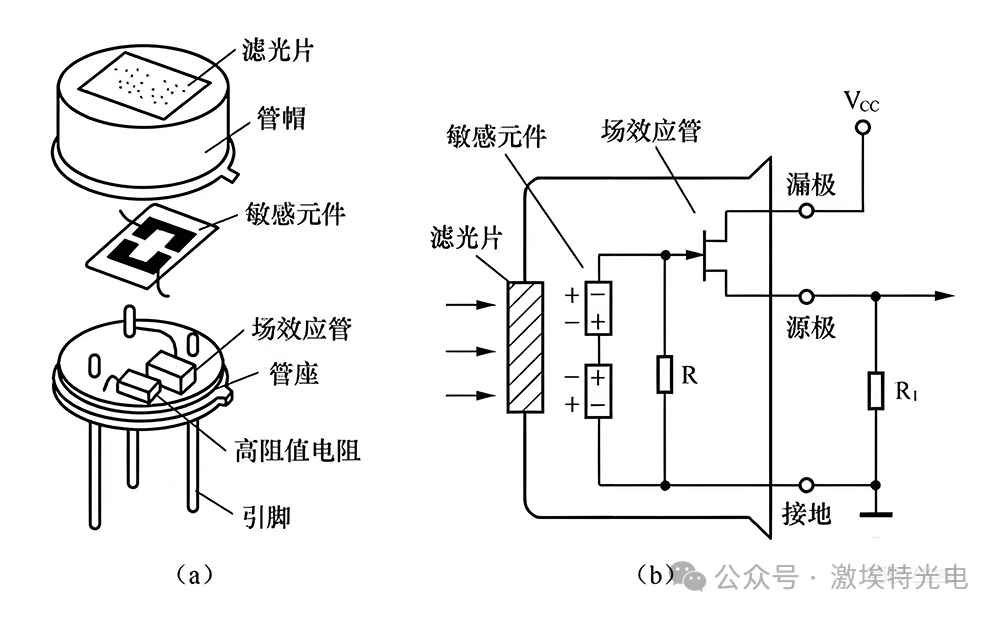
(Schematic diagram of the pyroelectric infrared sensor)
2. The Collaborative Mechanism of the Optical System: Extracting Effective Signals from Noise
The entire system’s workflow is a cycle of precise collaboration between the optical lens and the sensor. Its core function is to gradually refine the chaotic radiation in the environment into effective trigger signals. This efficient collaborative process can be clearly presented through the following cyclical collaboration flowchart:

This flowchart clearly demonstrates the closed-loop logic of signal circulation and processing between the optical system and the sensor. Below, we will delve into the functions of two key optical components.
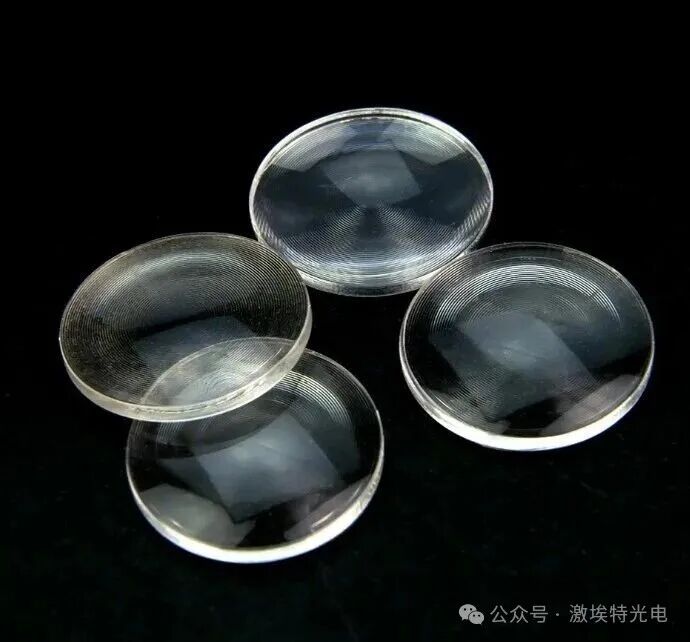
Fresnel Lens: The “Modulator” and “Amplifier” of Signals
Its primary function is spatial signal modulation. The precise concentric grooves on the lens surface divide the detection area into numerous “sensitive zones” and “blind zones.” When a human moves, it generates alternating signals of “light-dark-light” on the sensor, converting slow, direct current temperature changes into intense, alternating current electrical pulses. At the same time, its large aperture structure acts as a “signal amplifier,” gathering weak radiation from a wide area onto the sensor, significantly enhancing detection distance and sensitivity.
(Fresnel lens)
Optical Filter: The “Purifier” of Signals
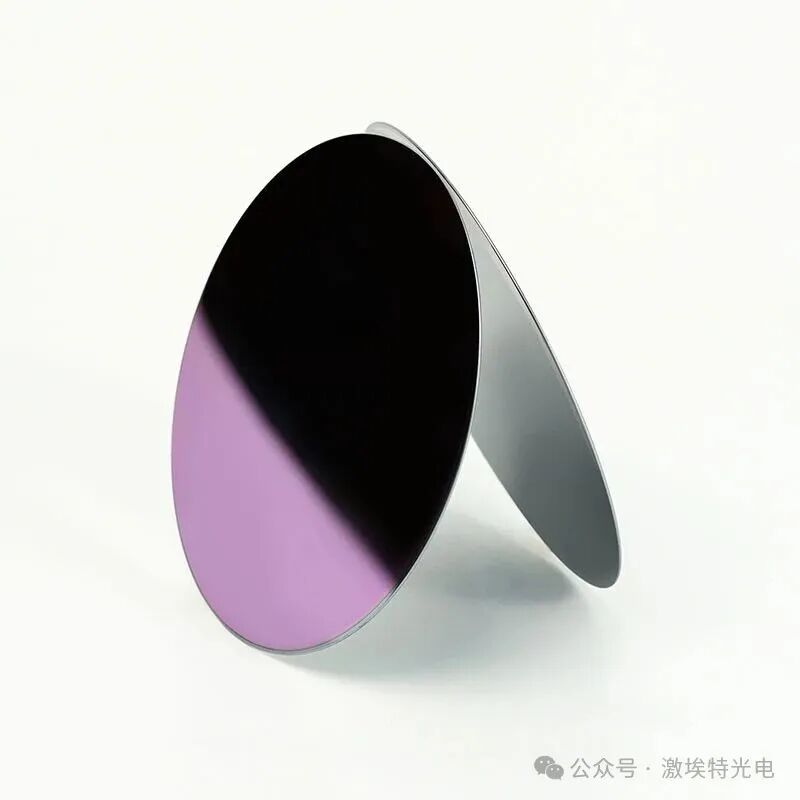
The modulated signal still contains various wavelengths of infrared noise. The role of the optical filter is spectral selection. It acts as a strict optical “gatekeeper,” creating a window that only allows efficient passage of 7-14μm (the peak radiation band of the human body) while blocking visible light and near-infrared interference radiation with a cutoff of up to 99.99% (OD4), ensuring that the signal entering the sensor is a “pure” human infrared signal.
After these two levels of processing, environmental noise is effectively suppressed, and the sensor ultimately receives a high signal-to-noise ratio, clearly defined alternating electrical signal, enabling reliable triggering.
(Zinc sulfide)
3. In-Depth Technical Analysis of Key Optical Components
3.1 Optical Filter: Engineering Trade-offs of Substrates and Coatings
The performance of the filter is the result of the intrinsic characteristics of the substrate and the coating technology working together.
A comprehensive comparative analysis of substrates is the core of engineering selection.
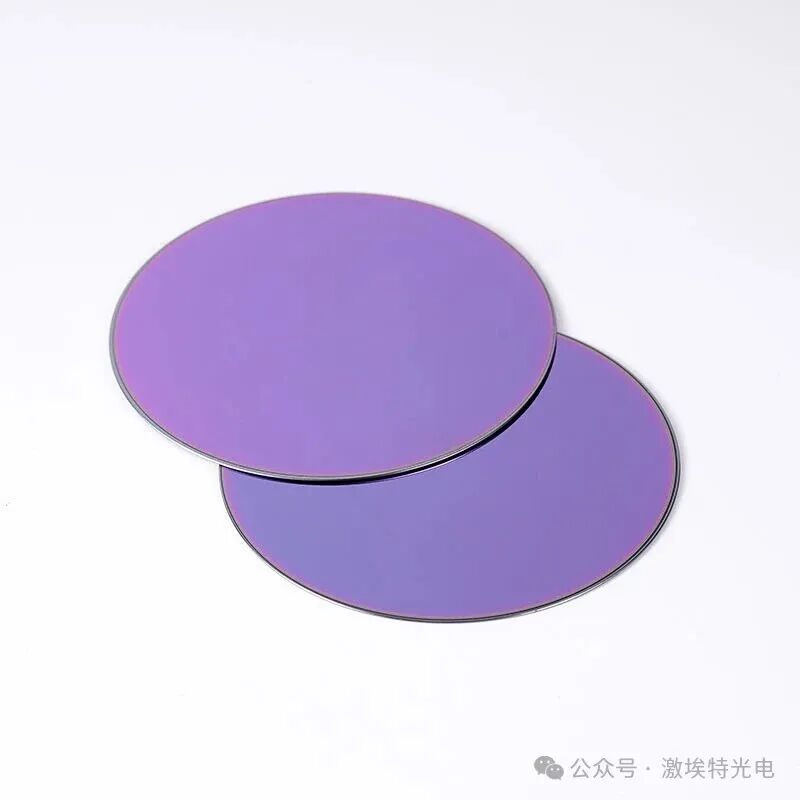
Silicon: The Most Cost-Effective Mainstream Choice
Silicon, with its near-perfect cutoff capability for visible and near-infrared light, has become the absolute mainstream in consumer and industrial fields. It has a good transmission window in the 1.2μm to about 7μm band. Although the transmission rate decreases in the band greater than 9μm due to phonon absorption, this defect can be effectively compensated by subsequent interference filter coatings, achieving a practical transmission rate of >85% in the target band. Combined with its high hardness, excellent chemical stability, and moderate cost, silicon achieves the best balance of performance, reliability, and economy.
(Zinc sulfide 2)
Germanium: Excellent Performance but Limited Professional Choice
Germanium has extremely high and flat transmission rates in the 2 to 15μm band, making it an ideal infrared optical material. However, its application is limited by two major factors: one is its extremely high cost; the other is its significant mechanical brittleness—moderate hardness but poor impact resistance, making it prone to breakage during processing and use. Additionally, its high refractive index of 4.0 leads to surface reflection losses exceeding 50%, necessitating the use of efficient anti-reflective coatings. Therefore, germanium is typically only found in high-end military and thermal imaging applications.
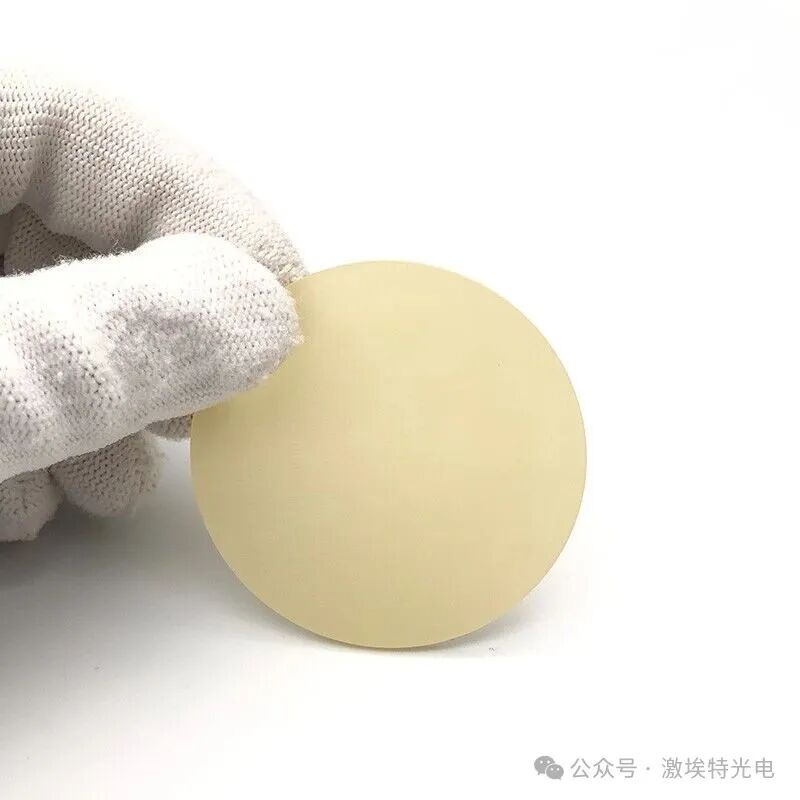
Zinc Sulfide: A Versatile Material with Wide Band Transmission
Zinc sulfide has an extremely wide transmission window from visible light to far infrared, making it suitable for multispectral systems. However, its high cost and low hardness, which makes it prone to scratching, limit its large-scale application in conventional PIR sensors.
In terms of coating technology and key parameters, the filter’s function is achieved through interference coatings deposited using vacuum evaporation technology. This coating system utilizes precise control of film thickness, employing the principle of light interference to achieve constructive interference (high transmission) in the target band and destructive interference (high reflection) in non-target bands. Key performance parameters include: average transmission rate in the passband (>85%@7-14μm), optical density in the cutoff band (>OD4), and cutoff steepness.
(Zinc sulfide)
3.2 Fresnel Lens: A Model of Low Cost and High Performance Manufacturing
The design and manufacturing of the Fresnel lens are entirely focused on the goals of low cost and mass production. Its substrate is almost invariably made of high-density polyethylene. HDPE is not only transparent to far infrared radiation but, more importantly, it can be precisely injection molded to replicate optical components with complex micro-groove structures at a very low cost. The lens’s focal length (which must strictly match the sensor), field of view, and detection zone design collectively determine the spatial pattern and reliability of detection.
The high performance of the pyroelectric infrared detection system is the result of the precise collaboration between optics and electronics. The Fresnel lens and optical filter together form a powerful front-end preprocessing system: the former solves the question of “when and where there is movement” through spatial modulation, creating a signal recognizable by the sensor; the latter answers the question of “is this human movement” through spectral filtering, identifying the nature of the signal.
In the selection of filter materials, the success of silicon does not stem from its perfection but is a model of engineering trade-offs—we utilize its perfect short-wave cutoff and mechanical advantages while compensating for its long-wave absorption defects through coating technology, ultimately achieving optimal system performance within cost constraints. The case of germanium illustrates that the outstanding performance of a single component, if not aligned with system-level cost and reliability goals, will inevitably limit its application range.Deeply understanding the dependency and collaborative relationship between optical lenses and sensors in this “signal chain” is the cornerstone for precise component selection, optimizing system design, and enhancing the reliability of the final product.