

Have you encountered these frustrating issues when detecting alcohol?
Clearly following the procedure, yet the All Gas sensor suddenly outputs a negative signal? After detecting high concentrations of alcohol, the sensor takes a long time to return to normal? These problems are actually related to your lack of attention to the “internal reaction logic of the sensor”! This practical guide will thoroughly explain the core precautions for using the All Gas sensor to detect alcohol, helping you avoid signal anomalies and equipment malfunctions!

01
Normal Working Principle of All Gas Sensor for Alcohol Detection

1. Gas Reaction Pathway
When ethanol gas enters the sensor, it only undergoes a chemical reaction on the surface of the SE (sensing electrode).

2. Role of Other Electrodes
CE (counter electrode) and RE (reference electrode) do not come into contact with ethanol gas.

3. Optimal Working Conditions
When an “appropriate amount of ethanol gas” enters, it will completely react on the SE working electrode, placing the sensor in the best measurement state.

4. Signal Characteristics
The reaction of ethanol on this sensor is a forward reaction, ultimately generating a positive output signal.

02
2 High-Risk Operations! Directly Cause Sensor Anomalies
Do not overlook these two details, as they can lead to signal confusion or prolonged recovery time:

1. Causes of Anomalies
-
Situation 1: Exposure to high concentrations of ethanol gas
-
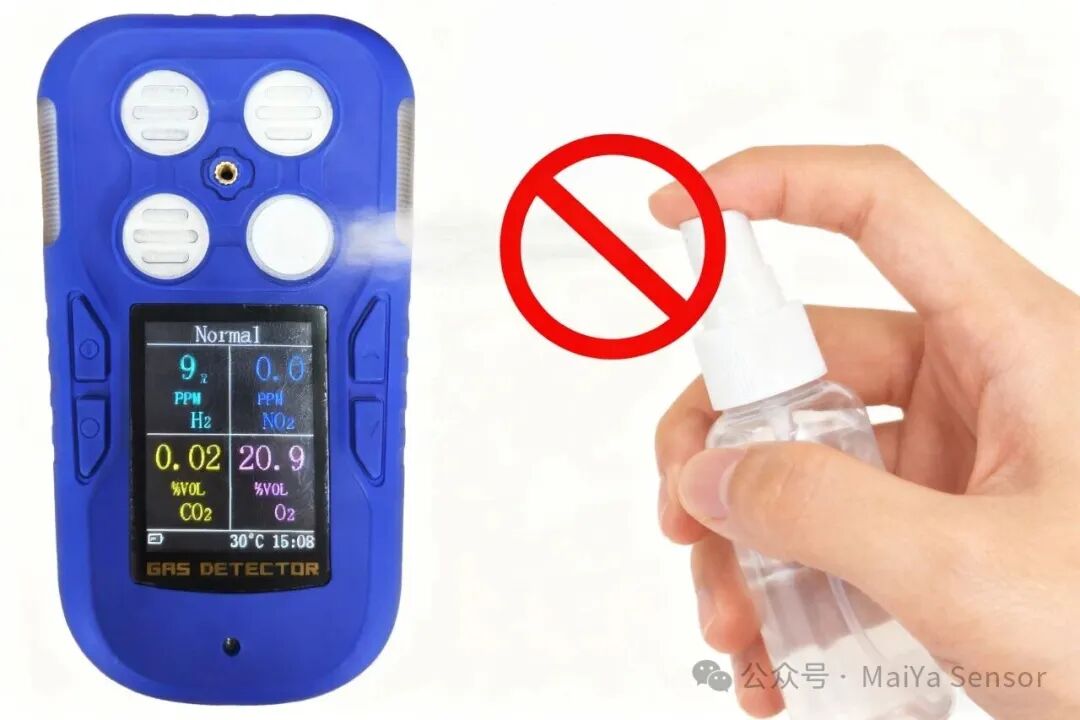
Situation 2: Directly aiming pressurized gas at the sensor’s air inlet

2. Consequences of Anomalies
-
Insufficient reaction: When a large amount of ethanol gas enters quickly, the SE working electrode may not fully react in a short time;
-
Electrode contamination: Under pressurized conditions, gas may seep into the RE reference electrode;
-
Signal inversion: Both of the above situations can cause the sensor output signal to switch from “positive” to “negative”.

3. Key Recovery Standards
If the ethanol concentration exceeds 1500 ppm and the sensor is in contact for 2 hours, a recovery period of at least 10 hours is required for the sensor to return to normal measurement functionality.

Friendly Reminder
-
Strictly control ethanol concentration during detection to avoid prolonged exposure to high concentrations above 1500 ppm;
-
Do not aim pressurized gas directly at the sensor’s air inlet to prevent abnormal gas seepage into the RE reference electrode;
-
If a negative signal switch occurs, first confirm the concentration and duration of exposure, allow it to rest for 10 hours before retesting, and avoid frequently restarting the device.
Have you encountered signal anomalies or slow recovery issues when using the sensor to detect alcohol? How did you resolve it? Feel free to share your experiences in the comments, and you can also ask questions; we will respond to each one! If you find this useful, remember to like and share it so that more friends can avoid pitfalls!
▼ Click the card below to follow Mai Ya Sensor ▼
From Hazards to Control: A Comprehensive Analysis of Methane (CH₄) Safety Protection
“Comprehensive Analysis of Carbon Monoxide (CO) Safety Protection: A Precise Control Guide for the Invisible Killer”
“Hydrogen Sulfide (H₂S) Protection Encyclopedia: The Deadly Crisis Behind the Smell of Rotten Eggs”


Click the blue text to follow us