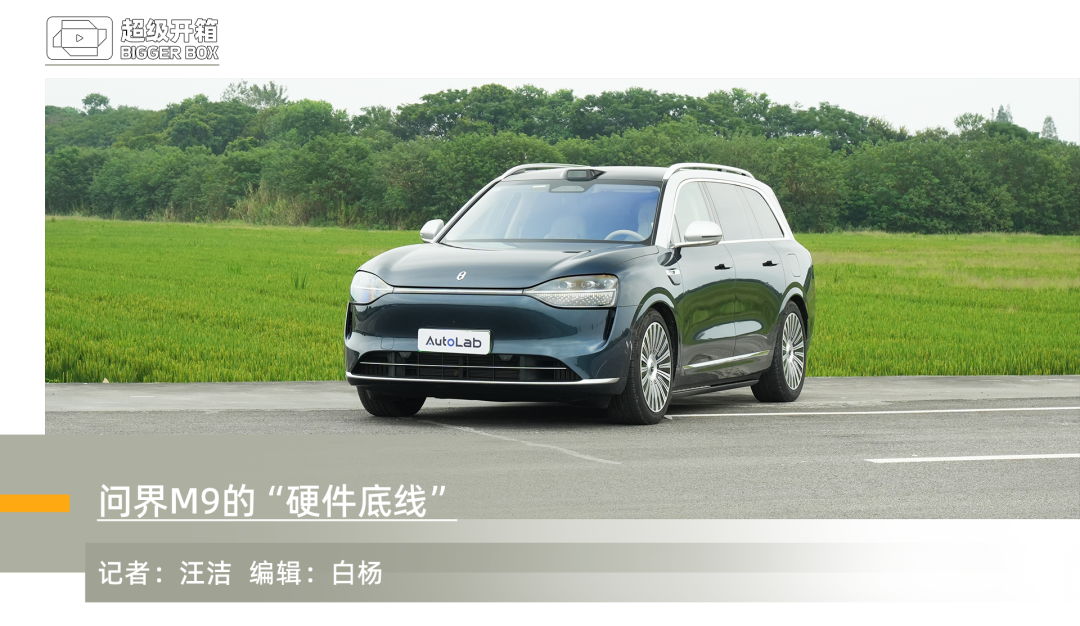
 While Musk has equipped Tesla’s L4 Robotaxi with only 8 cameras, Huawei has outfitted the Wanjie M9 with 4 LiDARs, 5 4D millimeter-wave radars, and a total of 36 hardware sensors.
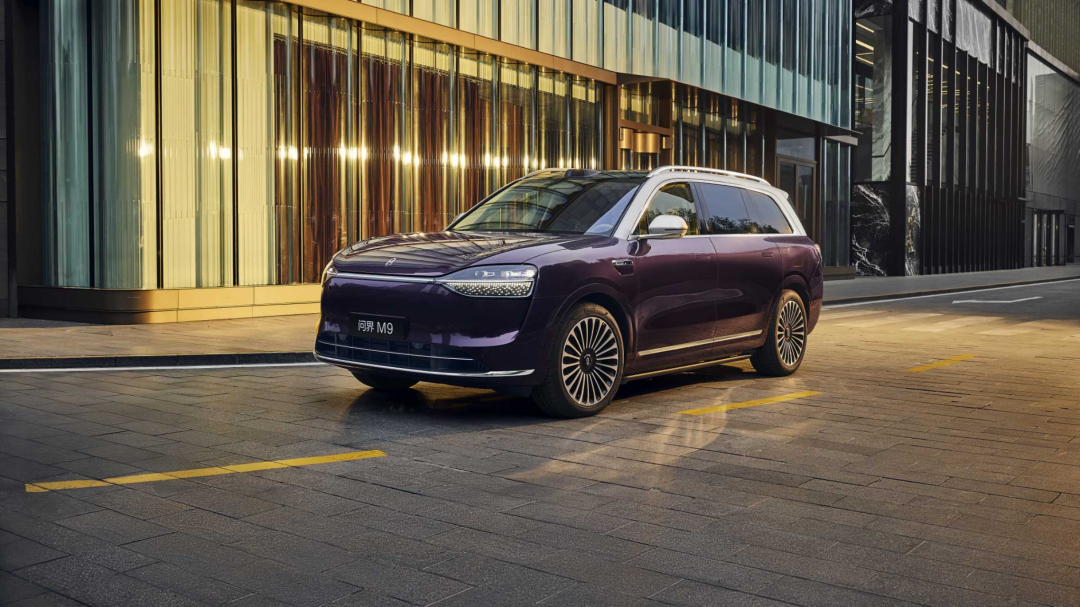 Musk firmly believes that a purely visual approach can achieve the transformation of machines, while for Huawei, “hardware is the bottom line,” and “safety redundancy cannot be replaced by ‘software algorithms’.” So, is the hardware accumulation a moat or an intelligence tax?We took a Wanjie M9 equipped with Huawei’s QianKun ADS version 4 to face real accident reconstruction scenarios to see how much safety redundancy the Wanjie M9 can provide with this hardware support.Dynamic Hazard AvoidanceWhen we encounter a suddenly appearing obstacle at high speed, braking may not be enough to avoid collision risks.To address this situation, Huawei has introduced the eAES enhanced emergency steering assist feature, evolving the vehicle from “able to stop” to “able to steer around.” The eAES function directly relies on the vehicle’s sensor configuration. What dangers can the newly added sensors help the Wanjie M9’s eAES solve? We recreated some classic scenarios and used a chart to visually display the vehicle’s performance.
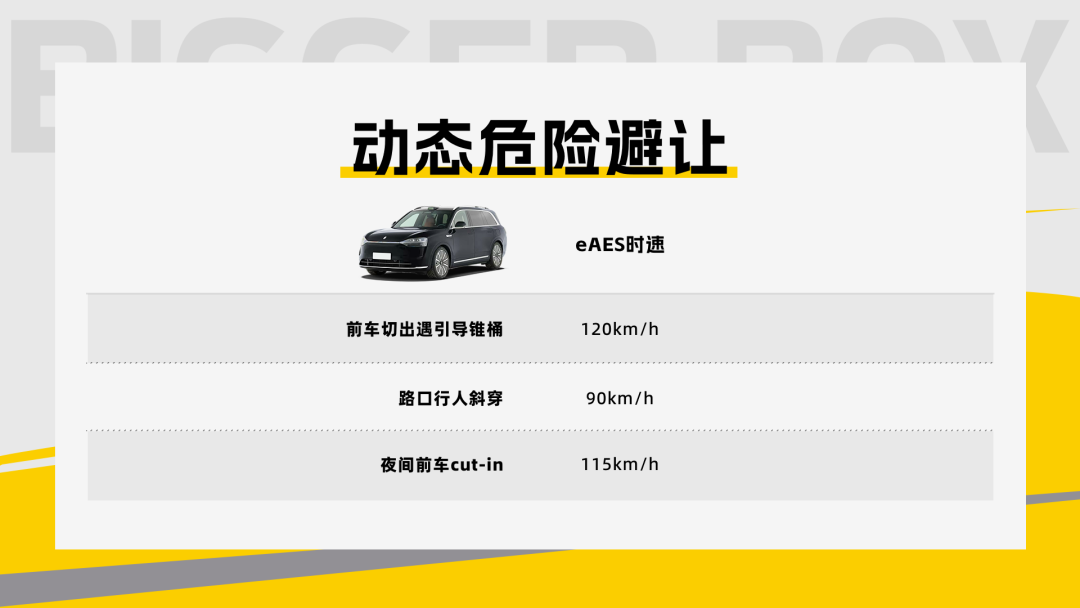 When a car suddenly changes lanes to avoid construction, the time we have to evade is extremely limited. At high speeds, such distances make it difficult to stop.However, at a speed of 120 km/h, the Wanjie M9 can not only recognize suddenly flashing guide cones but can also instantly trigger the eAES enhanced emergency steering assist to steer around the cones.When encountering pedestrians crossing at an intersection, it can trigger eAES at 90 km/h.When visibility is low at night and a vehicle cuts in closely, the Wanjie M9 can assess the risk and predict the other vehicle’s subsequent trajectory at a speed of 115 km/h, allowing it to evade.
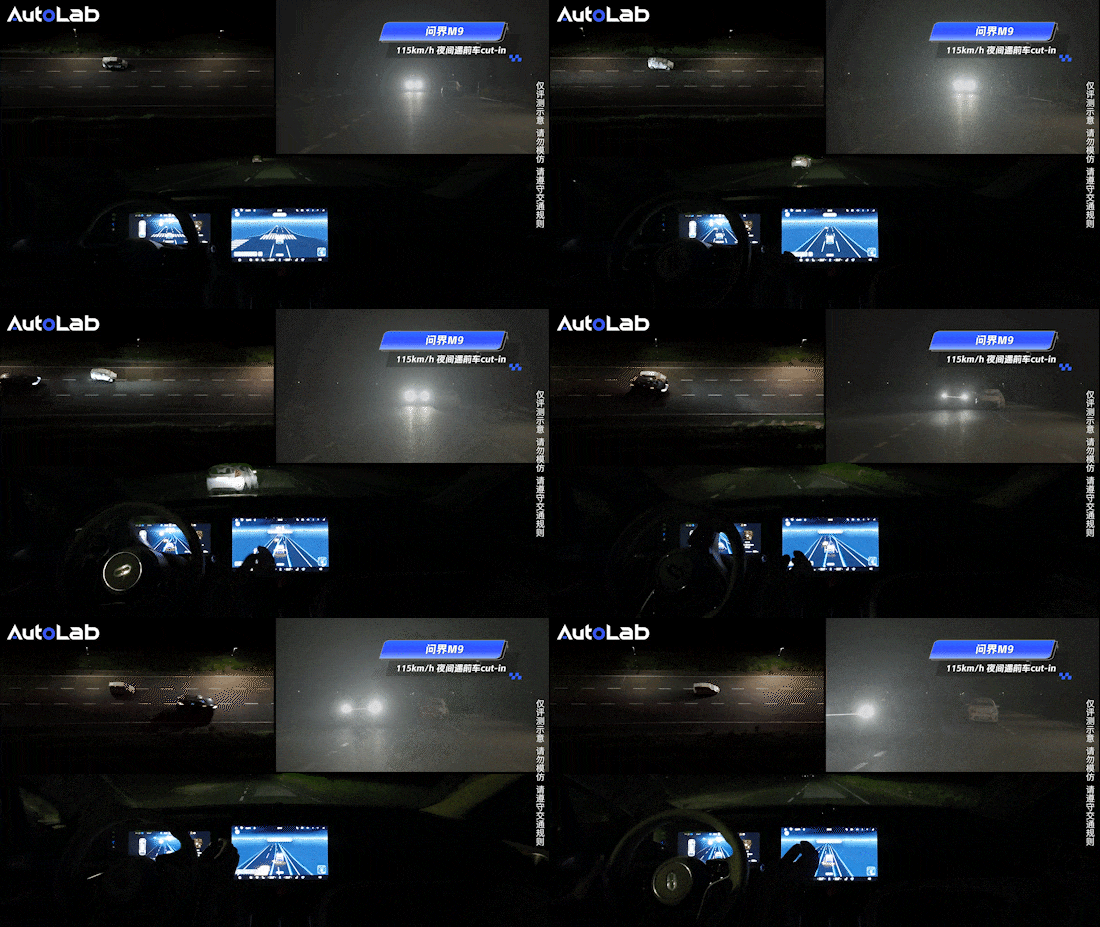 The challenge in recognition here is that when the rear of the cutting-in vehicle crosses the lane line, it is almost still in its original lane, and the longitudinal encroachment of the vehicle’s side area is very small, making it easy for sensors to filter out this information as noise, creating a false impression of no obstruction, or simply not recognizing it in time.However, the Wanjie M9, equipped with 192-line LiDAR and 4D millimeter-wave radar, is extremely sensitive to the outline of the preceding vehicle.Of course, if the driver has already seen the risk, they should prioritize taking action to ensure safety.But in situations where the driver cannot react in time or is completely unaware, the Wanjie M9’s eAES can still prevent an accident in milliseconds.Rain and FogThe Wanjie M9 is equipped with 3 4D millimeter-wave radars at the front, which not only broadens the perception range but also allows the Wanjie M9 to challenge dense fog and heavy rain due to the electromagnetic wave detection characteristics of 4D millimeter-wave radar.
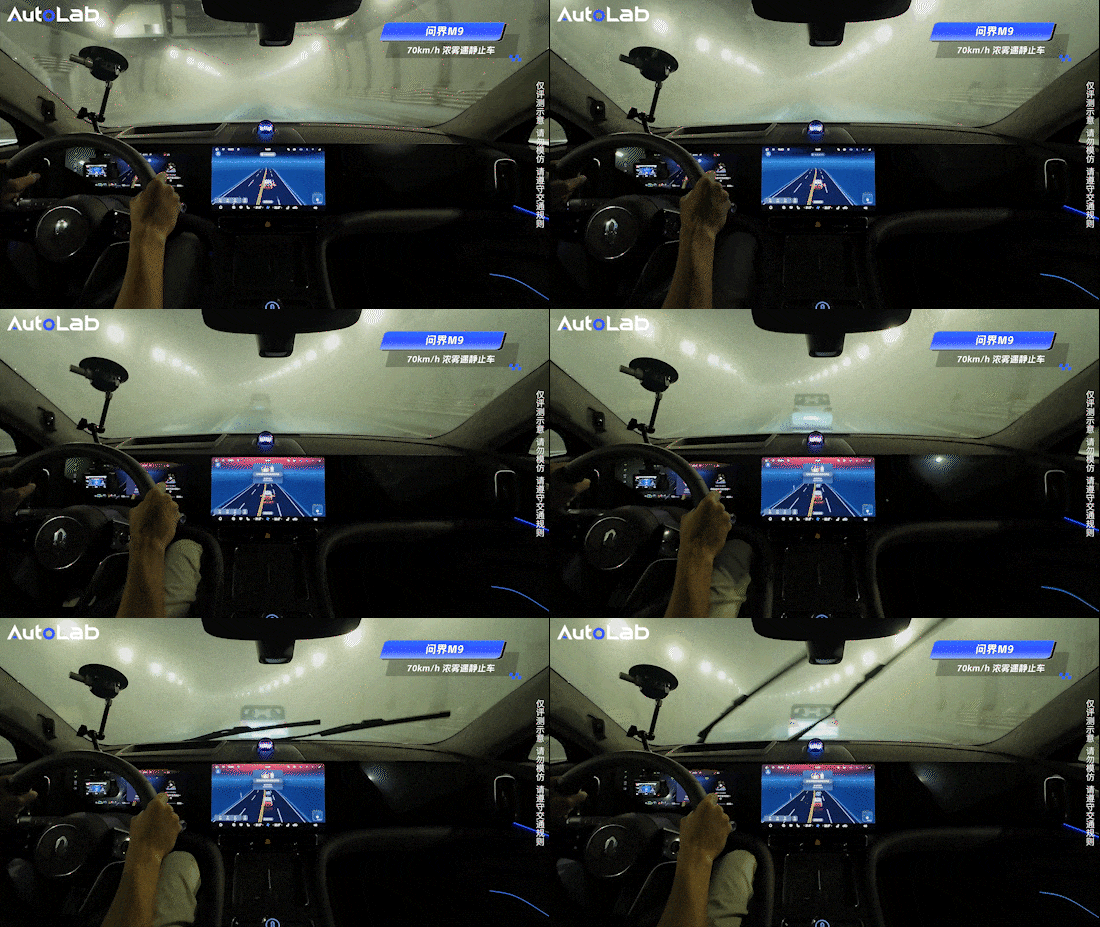
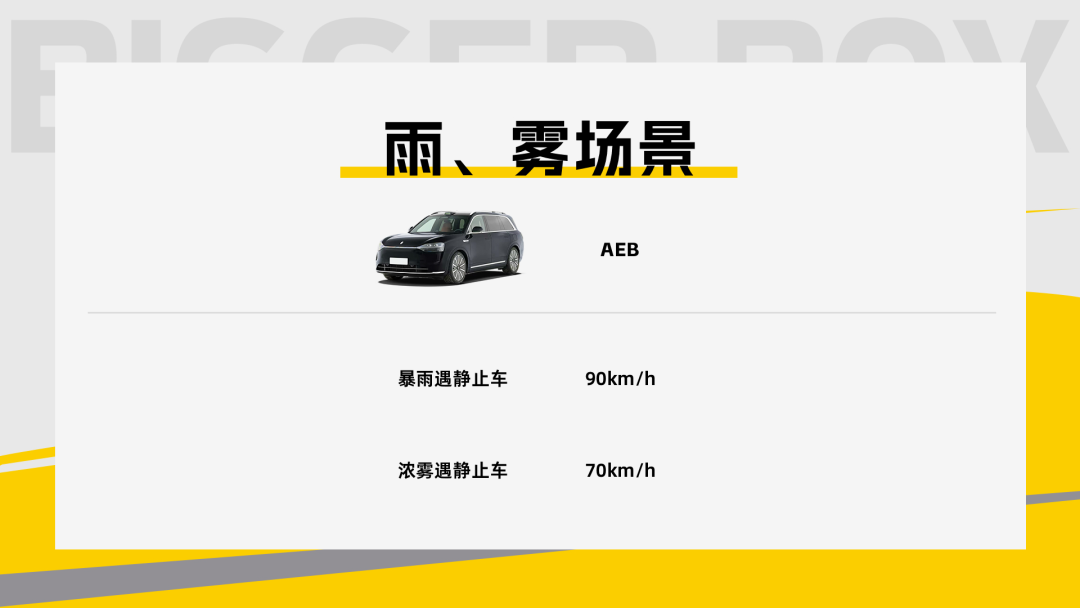 In dense fog scenarios, visibility is obstructed, and water droplets in the fog can scatter light beams, significantly reducing the working capabilities of cameras and LiDARs.However, the electromagnetic waves emitted by 4D millimeter-wave radar can penetrate dense fog, allowing the Wanjie M9 to identify a stranded vehicle in fog at a speed of 70 km/h.
 In heavy rain scenarios, the laser radar beams can be partially scattered and absorbed, and cameras can produce a lot of noise due to light refraction.However, the penetration and recognition capabilities of 4D millimeter-wave radar far exceed those of LiDAR and cameras. By combining algorithms to filter out noise, the Wanjie M9 can still identify a stranded vehicle in heavy rain at a speed of 90 km/h.All-AroundThe main distribution of the Wanjie M9’s perception hardware is as follows:One forward LiDAR and three 4D millimeter-wave radars at the front, two blind-spot LiDARs on the sides, one rear LiDAR, and two 4D millimeter-wave radars, forming a 360° surround perception system.Thus, it also has the capability to avoid lateral and rearward risks.
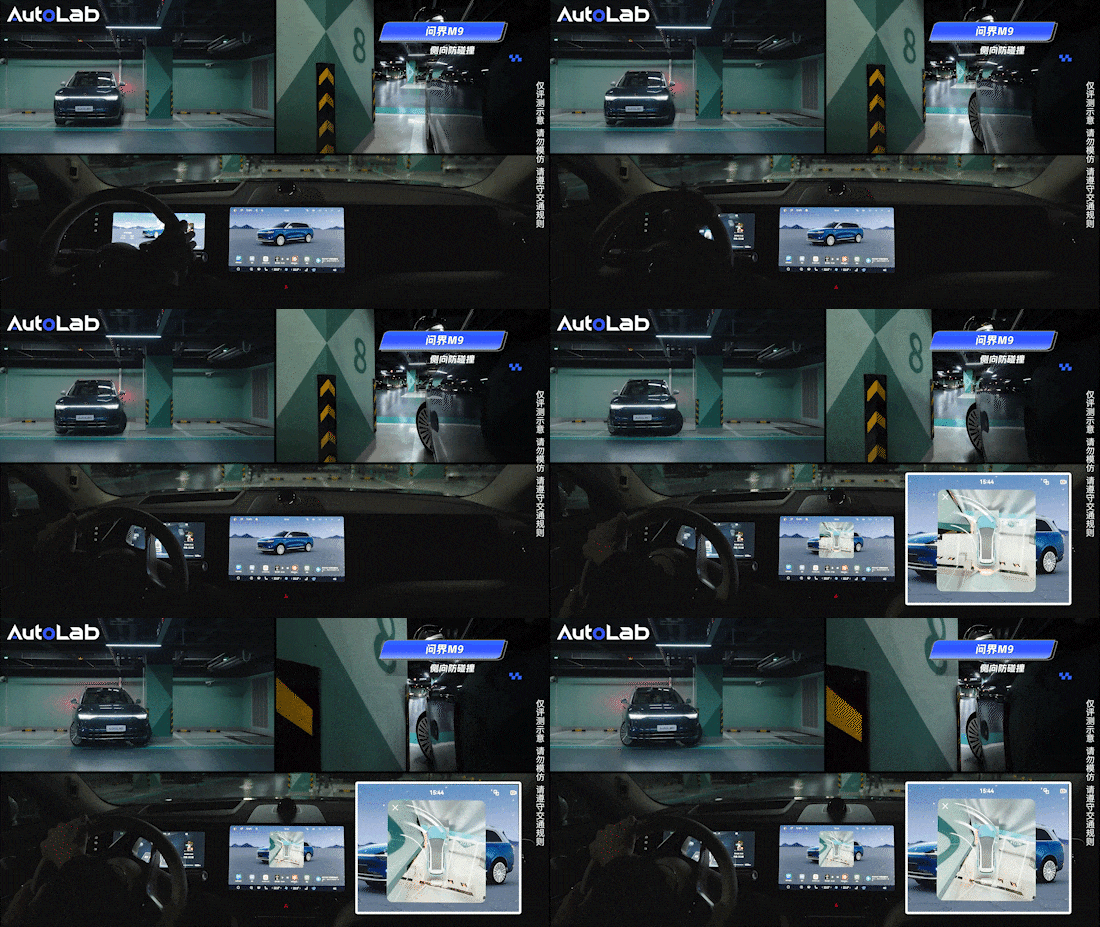
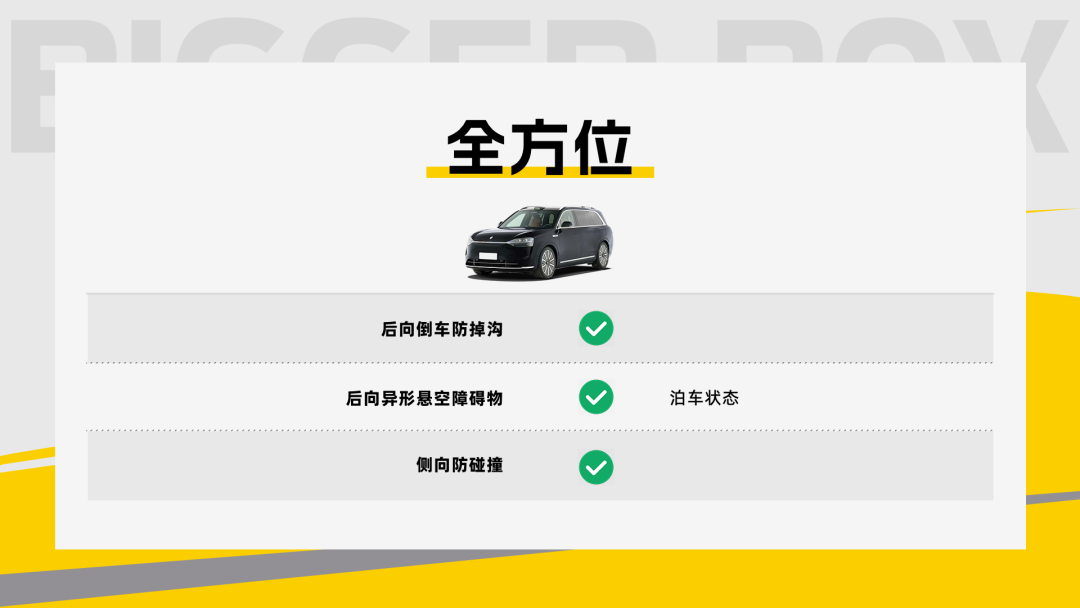 First, let’s look at the lateral aspect.The area around the car door is usually a perception blind spot.When we turn at corners or near obstacles like walls or road pillars, if we misjudge the distance and get the car stuck, the car door is usually subject to “repeated friction.” Here, we recreated a scenario where the Wanjie M9 was taken out of a parking space with an early turn of the steering wheel. When the side of the car was about to scrape against a pillar, it immediately “self-rescued” by triggering the lateral collision avoidance function to stop.
 For the rear, we tested two scenarios.One was during APA automatic parking, where there was a suspended fan duct above the rear of the car.The other was during reverse idling in an area with a negative ditch.
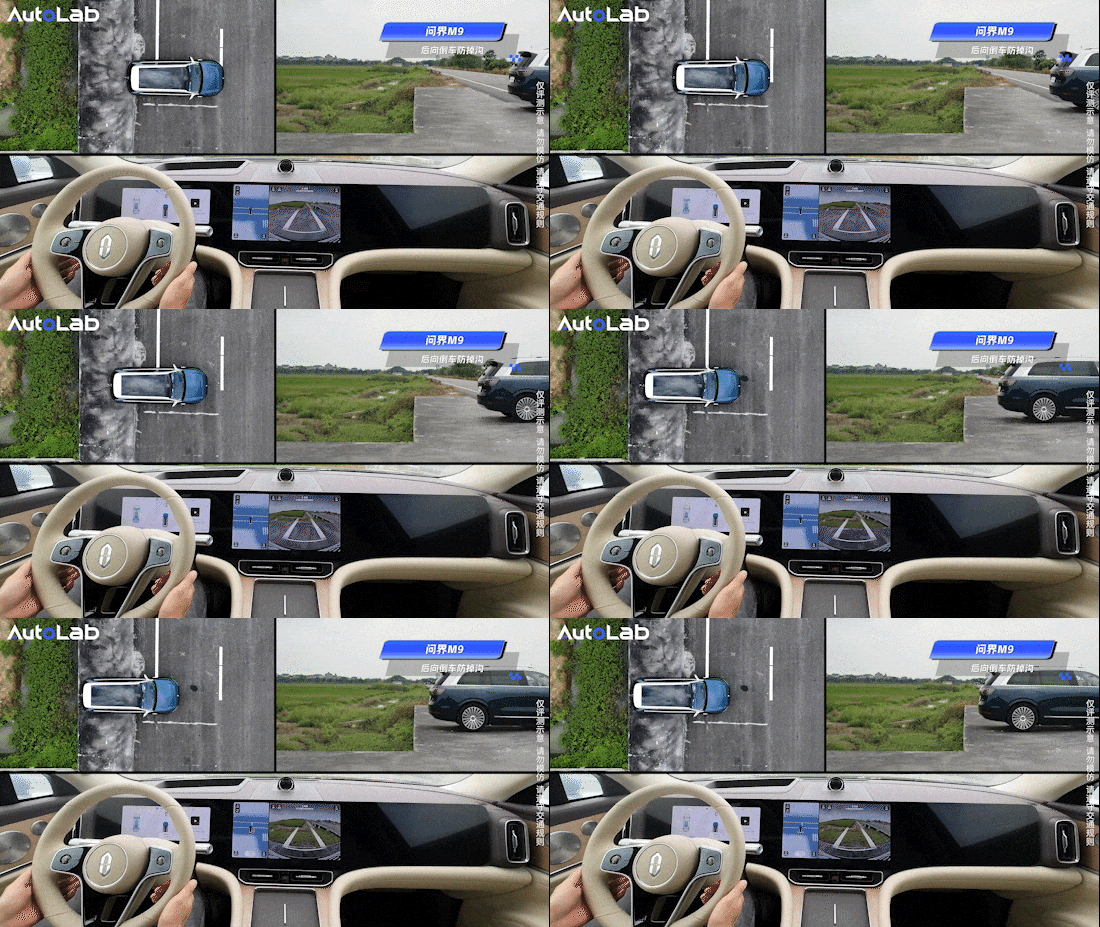 Whether it is an obstacle suspended in the air or a depression in the ground, the Wanjie M9 can perceive it. Here, the 4D millimeter-wave radar, which can directly detect height information, plays a crucial role.Final ThoughtsThrough the above tests, it can be seen that in sudden dangers, extreme weather, and all-scenario blind spots, the Wanjie M9’s multi-sensor fusion solution provides multiple guarantees.Huawei has built a “hardware moat” in perception with 36 sensors, especially 4 LiDARs and 5 4D millimeter-wave radars.It may not be the only answer, but at the current stage of technology, it undoubtedly adds a crucial layer of certainty to safety.The industry’s technical route dispute is far from over, but for users, having more hardware may mean more assurance.After watching this video, do you trust the purely visual approach or the multi-sensor fusion solution more?
END