 In complex PCB design, there is a seemingly insignificant yet crucial “small role”—the jumper. It acts as a “bridge” in the circuit, silently connecting various components and solving layout challenges. But did you know? Improper use of jumpers can lead to the collapse of the entire circuit! Today, we will unveil the classification, functions, and key details of jumpers that even seasoned engineers might overlook!1. What is a Jumper?
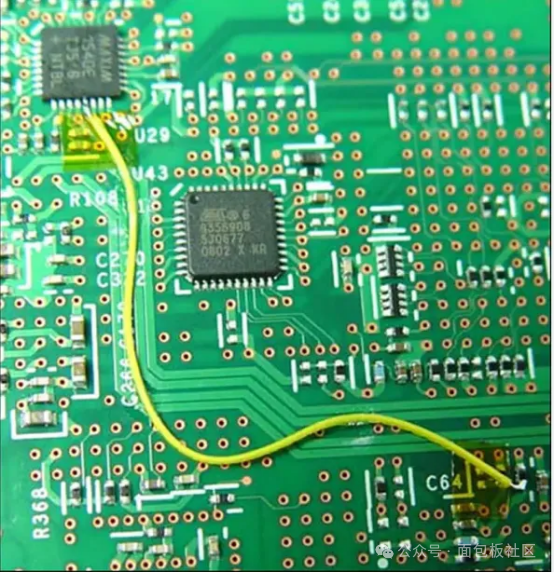
A jumper is a “circuit shortcut” achieved through thickened wires or special connections in PCB design, specifically addressing the following issues:
-
Components cannot be directly connected;
-
Components are too far apart;
-
Pin numbering errors need correction.
2. Four Major Classifications of Jumpers: How Many Have You Used?
-
Copper Wire Jumper: Simple and direct, but layout interference must be considered;
-
Resistor Jumper: Stabilizes signals, with resistance value selection being key;
-
Solder Jumper: Flexible but tests soldering skills;
-
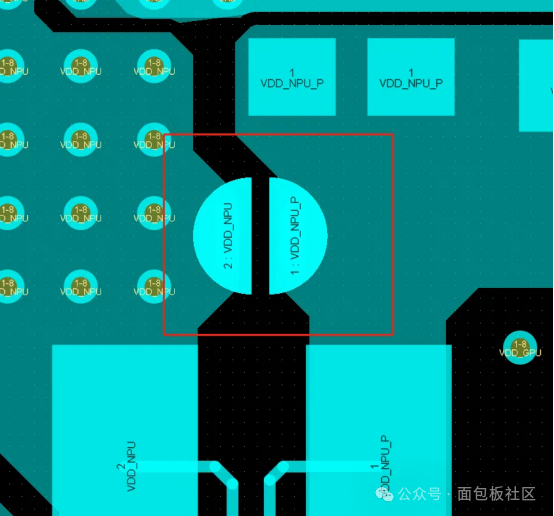
PCB Jumper: Achieved through connection holes, offering high flexibility.
3. Three Core Functions of Jumpers
-
Connecting Complex Circuits: Like a “circuit matchmaker”, solving the “long-distance relationship” of components;
-
Signal Separation: Avoiding interference in high-power circuits;
-
Improving Reliability: Reducing failure rates and making designs more stable.
4. “Death Traps” in Jumper Usage
While jumpers are beneficial, falling into these traps can ruin the entire design!
-
Jumpers that are too long or coiled → Signal attenuation;
-
Improper positioning → Interference with other circuits;
-
Weak soldering → Intermittent circuit connection;
-
Incorrect grounding → Causes noise.
5. Essential for Engineers: Golden Rules for Jumper Design
-
Short and Straight: Keep lengths as short as possible to avoid winding;
-
Away from Sensitive Signals: Such as high-frequency or analog circuits;
-
Soldering Must Be Inspected: Use a magnifying glass to check solder joint quality;
-
Testing and Verification: Use a multimeter to check connectivity before powering on.
Conclusion:Though small, jumpers are the “invisible MVP” in PCB design. Mastering their correct usage can make your circuit design much more efficient! What pitfalls have you encountered with jumpers? Feel free to share in the comments!
END
Popular Recommendations:
USB Type-C Interface is Highly Attractive
DDR Signal Quality: The Difference Between Adding or Not Adding Termination Resistors is Huge!
Which Comes First, the Fuse or the TVS? Two Groups of Engineers Are Debating!
Profitable Products Easily Cracked
Disassembling a Telecom Set-Top Box: A Textbook Case of Hardware Design Cost Reduction!
Why Is There a Frequent Requirement for MOSFETs to Turn Off Quickly, but Not for Quick Turn-On?
Why Do MOSFETs Need Driver Circuits?