In modern electronic devices, the combination of touch screens and LCD modules is central to achieving human-computer interaction. The bonding process between the two directly determines the product’s display effect, thickness, reliability, and cost. Among these, frame bonding is a fundamental and widely used bonding technology.
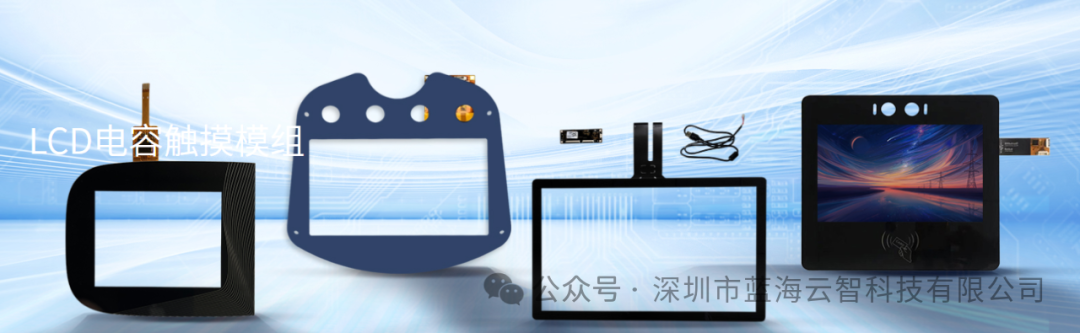
1. Introduction to Frame Bonding Technology
Frame bonding, also known as “口字胶贴合” (Kouzi adhesive bonding), is a non-full bonding technology. Its core process involves forming a “口” (Kou) shaped adhesive frame around the edges of the touch screen (Cover Lens) and the LCD using double-sided adhesive tape (usually foam adhesive or PET optical tape) to fix the two together. The touch screen and LCD do not make complete contact; instead, there is a physical gap, typically filled with air.
2. Structure and Working Principle of Frame Bonding
A typical frame bonding structure from top to bottom includes:
1. Touch Screen / Cover Glass: The outermost protective layer and human-computer interaction interface.
2. Double-Sided Adhesive Frame: Located around the edges, providing structural support and adhesion.
3. Air Layer: The gap between the touch screen and the LCD.
4. LCD: Responsible for image display.
The working principle is as follows: when a user touches the cover glass, the sensor detects the command and transmits it to the mainboard, which controls the LCD to display the corresponding image. Light emitted from the LCD must pass through the air layer and the touch screen before reaching the human eye.
3. Analysis of the Advantages and Disadvantages of Frame Bonding Technology
Advantages:
1. Low Cost: The process is simple, the materials used are inexpensive, and there is no need for expensive vacuum de-bubbling equipment, making the overall manufacturing cost significantly lower than that of full bonding technology.
2. Simple Process, High Yield: With fewer production steps and relatively relaxed environmental and equipment requirements, production efficiency and yield rates are higher.
3. Easy to Repair: If either the touch screen or LCD is damaged, they can be easily separated and replaced, reducing the difficulty and cost of after-sales maintenance.
4. Good Impact Resistance: The air layer in the middle provides a certain buffering effect, making it less likely to transmit stress and cause damage to the LCD when subjected to external pressure or impact.
Disadvantages:
1. Poor Display Effect: This is the most significant drawback of frame bonding. Due to the presence of the air layer, light undergoes multiple reflections and refractions as it passes through different media (glass-air-glass), resulting in images appearing gray, less transparent, and with lower contrast, especially under strong light conditions.
2. Prone to Dust: If the seal is not tight or the adhesive frame ages, dust and moisture from the air may enter the gap between the touch screen and LCD, affecting aesthetics and usability, and making it difficult to clean.
3. Thicker Structure: To accommodate the air layer and ensure structural strength, a certain gap must be reserved, which prevents the module from being as thin as possible, hindering the design of lightweight devices.
4. Touch Experience: The presence of a gap may cause light refraction, leading to a slight visual discrepancy between the touch indication point and the actual image.
4. Application Fields of Frame Bonding Technology
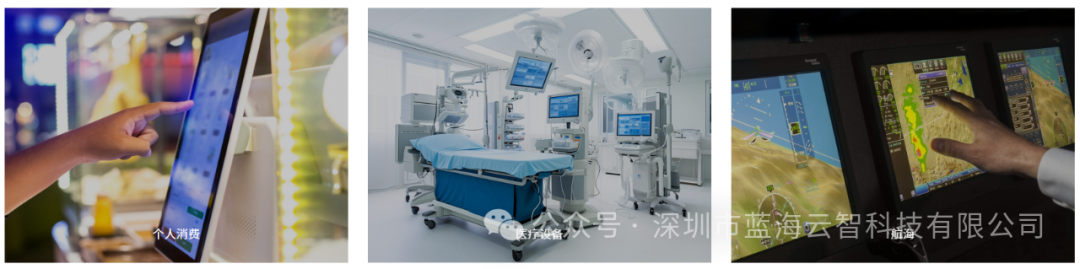
Despite its shortcomings in display quality, the significant cost advantages of frame bonding technology still give it strong vitality in specific market areas.
1. Cost-Sensitive Consumer Electronics:
· Low-end and entry-level smartphones: Especially in emerging markets with budget phones and feature phones.
· Ordinary tablets and portable DVD players: These devices typically do not have high display quality requirements, with cost being the primary consideration.
· Aftermarket displays for vehicles: Such as portable navigation devices and retrofitted central control screens.
2. Industrial Control and Automation Equipment:
· Industrial touch screens, human-machine interfaces, industrial control panels, etc. These devices emphasize stability and maintainability in harsh environments, where display quality is not the primary pursuit, making frame bonding’s easy repair and impact resistance ideal.
3. Home Appliances and Smart Home Devices:
· Control panels for smart refrigerators, washing machine operation screens, air conditioner remote controls, etc. These products typically have smaller display interfaces and do not require extreme display quality, with cost control being key.
4. Other Specific Fields:
· Such as public information query terminals, certain educational devices, low-end POS machines, etc.
Conclusion
As a classic bonding technology, frame bonding has found its stable market position due to its low cost, high yield, and ease of maintenance. While it cannot meet the high-end market’s pursuit of extreme display quality and ultra-thin design, it remains an economical, reliable, and practical solution in a wide range of applications that are price-sensitive and emphasize durability and maintainability. In the future, as display technology continues to evolve, frame bonding technology will continue to play an important role in its advantageous fields.