In industrial automation production lines, from small material conveyors to large automotive assembly lines, the presence of PLC electrical engineers is indispensable. They act as the “brain designers” of industrial systems, using programming and practical skills to ensure precise operation of cold machinery. This article will provide a comprehensive understanding of this role, covering core knowledge, job responsibilities, essential skills, and growth paths.
1. Understanding: What is a PLC and a PLC Electrical Engineer?
A PLC, or Programmable Logic Controller, is a digital operation electronic system designed specifically for industrial environments, capable of controlling various mechanical devices and production processes through programmed instructions. A PLC electrical engineer is a professional technician who engages in automation system design, programming, debugging, and other tasks centered around PLCs, serving as the core link between industrial needs and automation implementation.
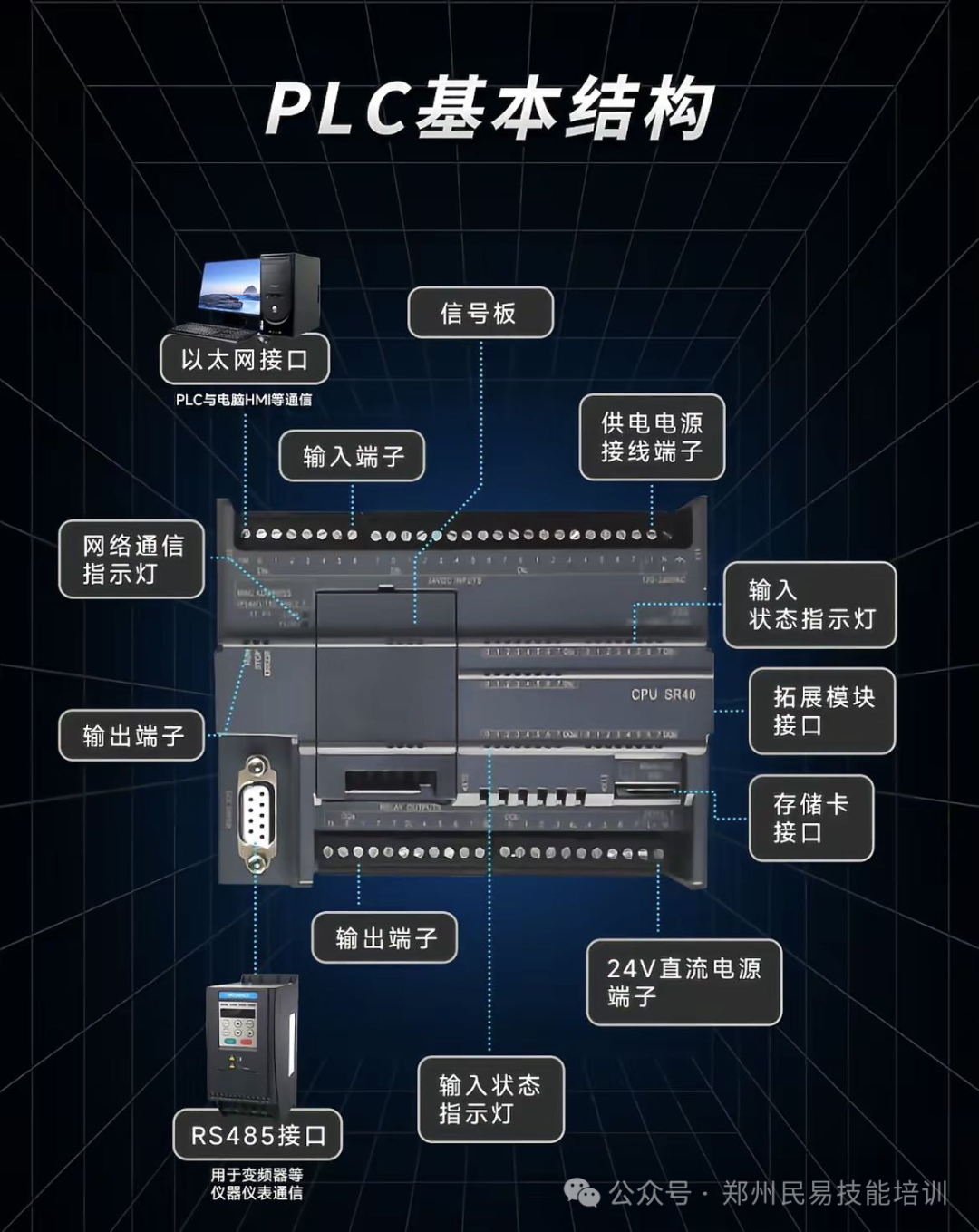
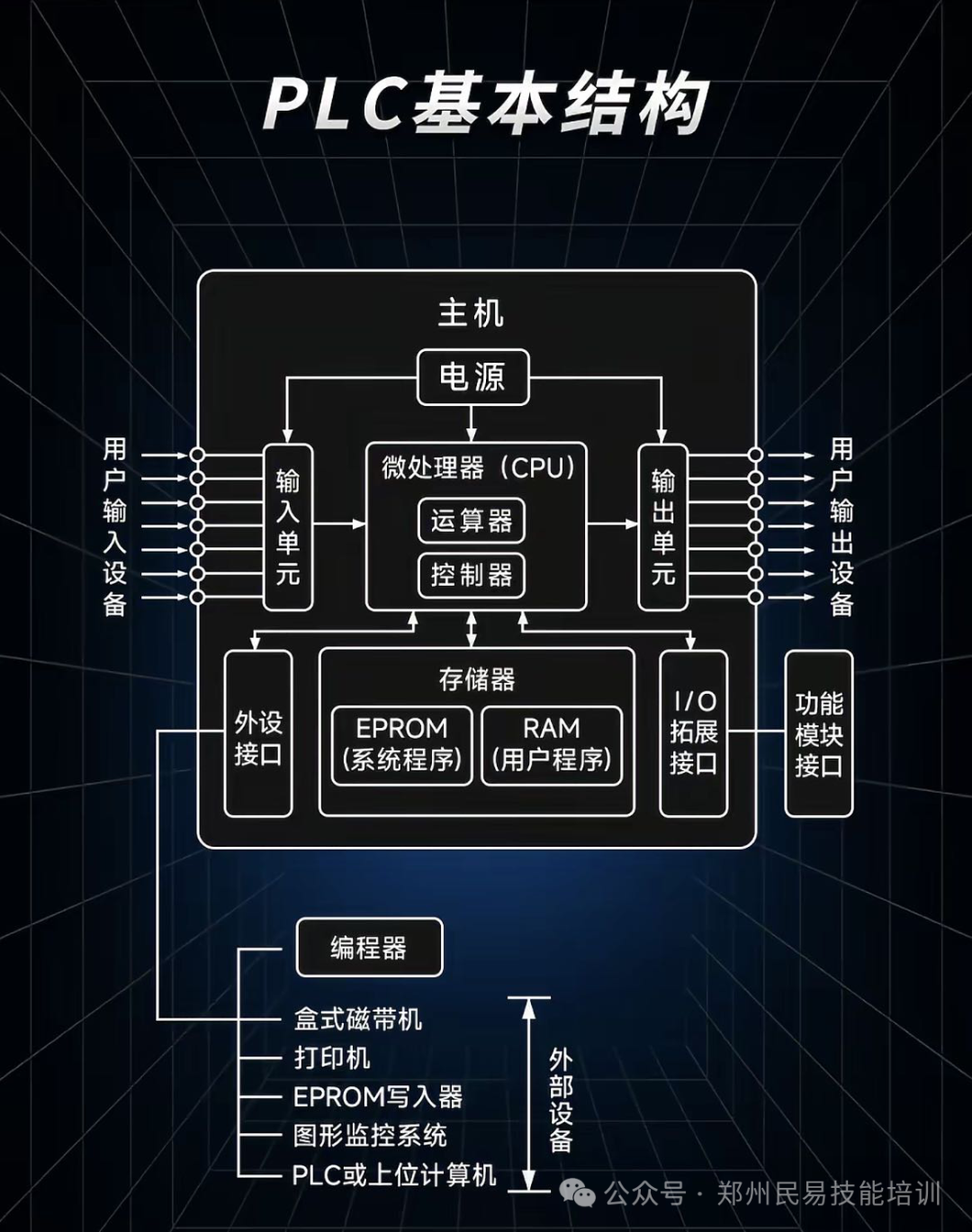
2. Daily Work: More than Just Programming, It’s About Full Process Control
The work of a PLC electrical engineer spans the entire lifecycle of automation projects, appearing complex yet having a clear structure, with each step relying on practical skills and attention to detail.
1. System Design and Hardware Selection
First, deeply understand the production process, such as the procedural requirements of automotive welding lines and the temperature control standards of chemical reaction kettles, before determining the control logic. Then, draw electrical schematics, select compatible PLC hosts, sensors, contactors, and other components, while planning the communication methods between the PLC, touch screens, and frequency converters.
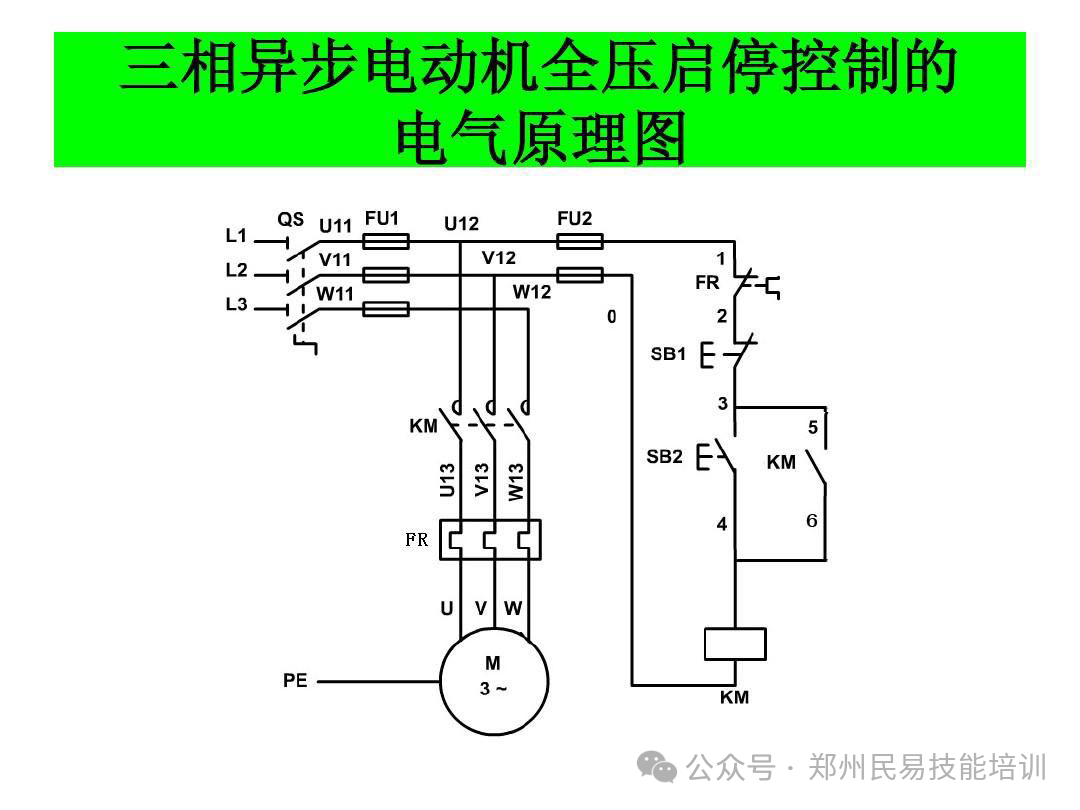
(Note: The image shows the electrical schematic of a one-way overload protection self-locking control circuit, including core components such as the start button SB, thermal relay FR, and AC contactor KM.)
2. Programming Development and Drawing Schematics
Using programming languages such as ladder diagrams and function block diagrams, convert process logic into PLC-recognizable programs. For example, write the start-stop program for a belt conveyor, setting up self-locking for the start button and overload shutdown logic. At the same time, use AutoCAD Electrical to draw standardized wiring diagrams for easier subsequent construction and maintenance.
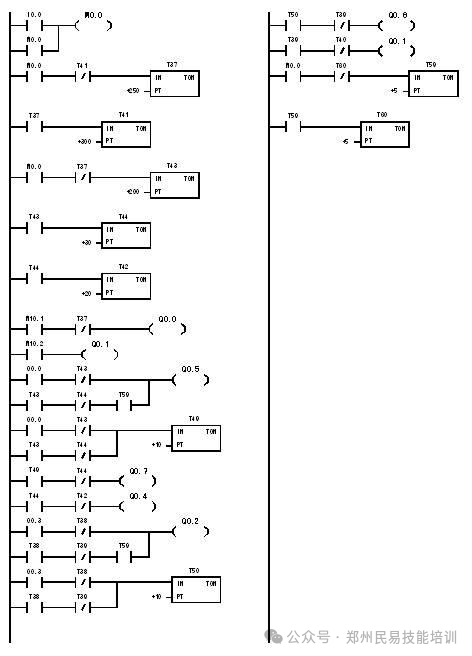
(Note: The corresponding PLC ladder diagram for the above circuit, where X0 is the start button, X1 is the thermal relay protection, X2 is the stop button, and Y0 controls the output relay.)
3. On-Site Debugging and Troubleshooting
This is the most challenging aspect that tests practical skills. Engineers need to connect the wiring on-site, import the program into the PLC, and conduct online debugging. If the equipment fails to start or operates abnormally, they must use tools like multimeters and PLC online monitoring to locate the issue, which could be loose wiring or a logical error in the program.
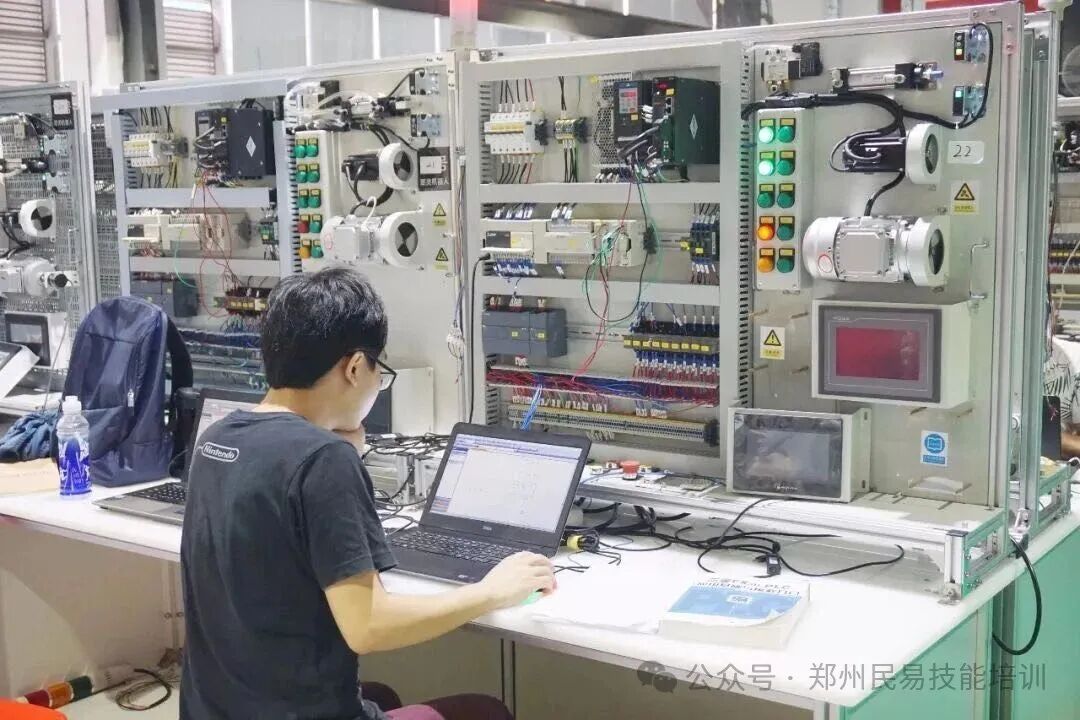
(Scene Note: An engineer connects a laptop to the PLC to monitor the program’s running status in real-time and troubleshoot the start-stop issues of the conveyor.)
4. Maintenance Optimization and Technical Support
Regular inspections of equipment are necessary, backing up programs to prevent loss, and optimizing programs based on changes in production processes. For instance, when increasing the speed of the production line, adjust the linkage parameters between the PLC and the frequency converter. Additionally, provide training for on-site operation and maintenance personnel and write technical documentation.
3. Essential Skills: A Balance of Hard and Soft Skills
To excel in this role, hard skills are fundamental, while soft skills are a bonus; both are indispensable.
1. Core Hard Skills
Proficient in mainstream brands: Prioritize mastering programming logic for user-friendly PLCs like Siemens S7-200SMART and Mitsubishi FX; Skilled in wiring practices: Understand the wiring rules for NPN/PNP sensors and PLCs, such as connecting the brown wire of an NPN sensor to 24V+, the blue wire to 0V, and the black wire to the PLC input; Master industrial communication: Familiar with common bus protocols like Modbus and Profinet to enable data exchange between PLCs and other devices.
2. Key Soft Skills
Possess strong problem-solving abilities to quickly address on-site emergencies; have good communication skills to liaise with clients, production teams, and colleagues; and maintain a willingness to learn, keeping up with new technologies like Industry 4.0 and digital twins.
4. Growth Path: A Clear Route from Beginner to Expert
Even those with no background can gradually grow into a senior PLC electrical engineer, with the key being the combination of theory and practice:
1. Beginner Stage: Learn the basics of electrical control, practice basic instructions using simulation software, and complete small cases like single-button start-stop;
2. Intermediate Stage: Attempt small projects, such as controlling solenoids with sensors, and master simple communication between PLCs and touch screens;
3. Advanced Stage: Participate in complete production line projects, obtain certifications like Siemens SCE, and delve into specialized fields such as motion control or industrial communication;
4. Senior Stage: Become a project leader and even explore the integration of PLCs with AI and IoT, transitioning into a smart manufacturing solution architect.
In summary, PLC electrical engineers are the core force in industrial automation. This job requires continuous learning, but each project implementation and troubleshooting brings a sense of accomplishment. For those looking to enter the field, starting with a PLC and a small project, and persisting in practical work, can gradually lead to this opportunity-filled domain.
Contact us at 15538070757