
Industrial Robots and PLCs
The Art of “Dialogue”
An In-Depth Analysis of 6 Common Communication Methods

In an automated production line, industrial robots act like tireless “operators,” while PLCs (Programmable Logic Controllers) serve as the “team leaders” issuing commands. The ability of these two to communicate smoothly directly determines the efficiency and stability of the entire production line. Just as humans communicate through various methods such as phone calls, messaging, and face-to-face conversations, the “signal interaction” between robots and PLCs also has multiple modes, each with its own advantages and disadvantages, suitable for different production scenarios. Today, we will discuss these 6 mainstream “communication methods” in simple terms.
1
The Most Direct “Shouting” Method

Digital I/O Hardwired Connection
This method is like two people talking directly on a landline phone, where the “interfaces” of the robot and PLC are directly connected by wires, transmitting simple “on/off signals”—for example, when the PLC shouts “start,” the robot begins to work; when the robot sends “done,” the PLC arranges the next task, and emergency stop or alarm commands are also transmitted this way.

Advantages
The advantages are particularly prominent: first, it is simple, requiring no complex setup; just connect the wires and it works, making it the lowest cost option; second, it has a fast response time, with commands transmitted in just a few milliseconds, almost without delay, and it has strong anti-interference capabilities, unaffected by motor noise or electromagnetic interference in the workshop; third, it is easy to maintain; if there is a problem, you can quickly find the fault by checking the continuity of the wires with a multimeter.

Disadvantages
The disadvantages are also quite obvious: the number of “signal points” that can be connected by wires is limited, usually only a few dozen; if the robot and PLC are far apart, or if there are several robots on one line, the wiring can become tangled like a “spider web,” taking up space and costing more; if you want to add a new command, you have to re-run the wires, which is particularly troublesome.
This method is suitable for simple production lines, such as one robot paired with one PLC, where only basic signals like start and stop need to be transmitted, especially in scenarios requiring high response speed.
2
Transmitting “Gradual Signals”

Analog I/O Interaction
If digital signals are “black and white” commands, then analog signals are “gradually changing shades of gray.” They transmit continuously varying signals such as 4-20mA current or 0-10V voltage, conveying parameters like “speed” and “force”—for example, the PLC tells the robot to “slow down to half speed,” or the robot feeds back the “current grip pressure” to the PLC.
This is suitable for scenarios requiring precise parameter adjustments, such as allowing the robot to fine-tune its speed based on material position or collecting data from pressure sensors for simple control.

Advantages
The advantage is the ability to precisely adjust continuously varying parameters, such as controlling the robot’s movement speed during welding or collecting the distance data measured by sensors, all without complex setups.

Disadvantages
The disadvantages are also quite prominent: signals, like sound, become “fuzzy” the further they travel; if the wires are long or there is significant interference in the workshop, accuracy will decrease; the number of signals that can be transmitted is also limited, usually only 4-8 channels per module, and adding signals requires adding modules, which is not cheap; moreover, it can only transmit data in one direction, either the PLC sends commands or the robot transmits data, but not both ways.

This is suitable for scenarios requiring precise parameter adjustments, such as allowing the robot to fine-tune its speed based on material position or collecting data from pressure sensors for simple control.
3
The “High-Speed Broadband” in Factories

Profinet Communication
This is the most commonly used “communication method” in factories today, similar to the fiber optic broadband we use, connecting robots and PLCs via network cables. It can transmit not only on/off signals and parameters but also text information, with extremely fast speeds. It is a technology led by Siemens, and is supported by mainstream robots from ABB, KUKA, as well as PLCs from Siemens and Mitsubishi.

Advantages
There are numerous advantages: speeds reach microsecond levels, faster than blinking; it can transmit hundreds of signals simultaneously, with a single network cable connecting multiple devices, making wiring particularly simple; adding new devices is as easy as plugging in a network cable, offering excellent scalability; and it allows for remote fault checking, enabling diagnostics without having to go to the equipment.

Disadvantages
The disadvantage is that the threshold is a bit high: you need to set parameters like IP addresses and device names, requiring technical personnel to have some professional knowledge; low-end robots or PLCs may not have dedicated modules, requiring additional investment; and there are high requirements for network cables, which must be industrial-grade to avoid disconnections.
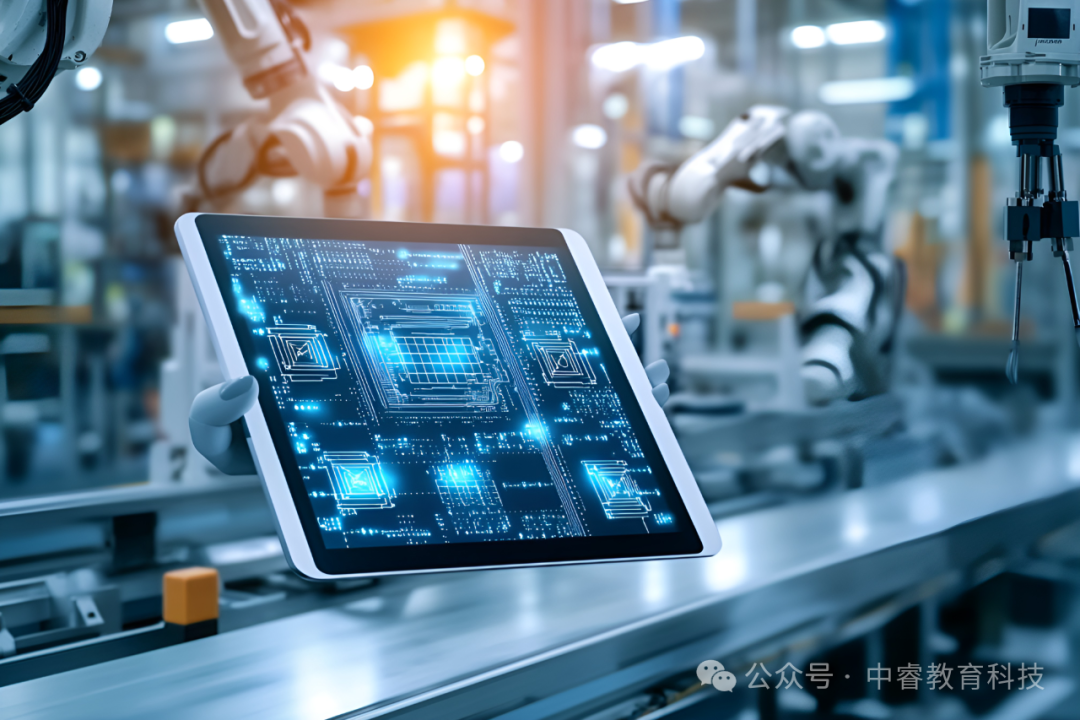
Currently, complex production lines such as automotive welding and electronic component assembly almost all use it, making it the first choice for scenarios involving multiple robots working together and large amounts of data being transmitted in real-time.
4
The “Universal Language” Across Brands

Modbus Communication
If the robots in the factory are domestic and the PLC is imported, it’s like two people speaking different languages; in this case, Modbus serves as the “universal translator.” It comes in two types: one is the “wired version” using RS485 (Modbus RTU), and the other is the “wireless version” using network cables (Modbus TCP), corresponding data through “register addresses”—for example, if the PLC writes “1” to a certain address, the robot knows to start.

Advantages
The advantages are particularly user-friendly: the protocol is free and open-source, with a wealth of online resources, and it is easy to set up; it has strong compatibility, supporting both domestic and imported devices; Modbus TCP transmits over network cables, so distance is not a concern, while the RTU version can transmit up to 1200 meters using RS485, making it very suitable for large workshops.

Disadvantages
The disadvantages include relatively slow response times: the RTU version can transmit a maximum of 19,200 data points per second, while the TCP version has a delay of about 10-100 milliseconds, making it unsuitable for high-speed production; data is not encrypted, resulting in average security; and only one “master device” can command multiple “slave devices,” meaning multiple devices cannot issue commands simultaneously.
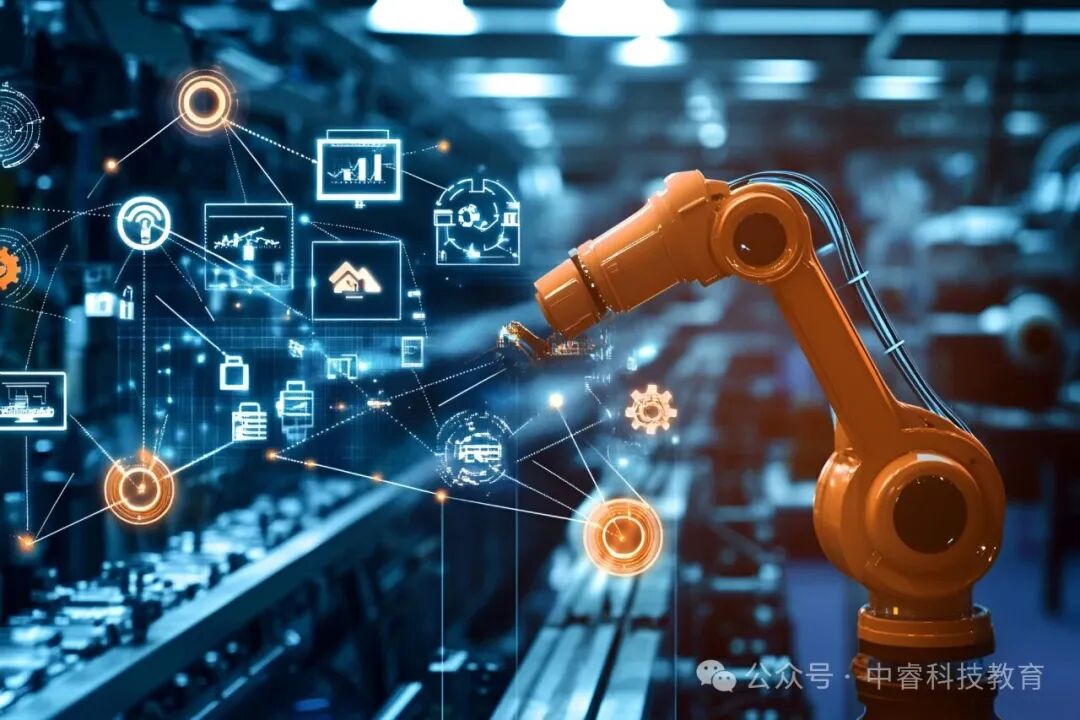
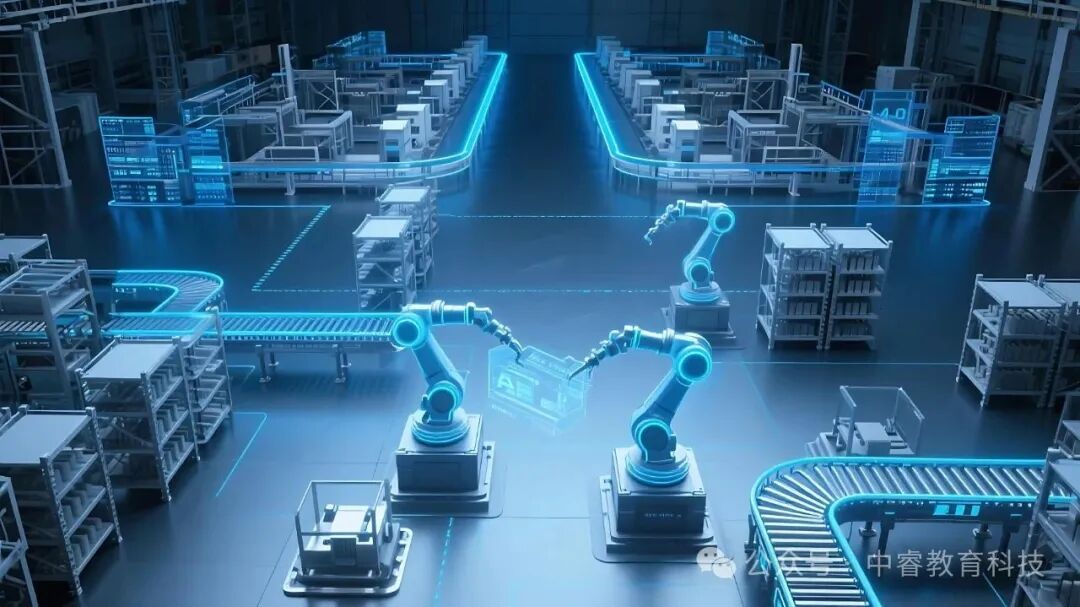
This is suitable for scenarios involving mixed-brand devices, such as domestic robots paired with Siemens PLCs, or production lines for material handling and packaging where speed is not a high requirement.
5
The “Exclusive Channel” for High-End Production Lines

Ethernet/IP Communication
This is a “high-end communication method” led by Rockwell, akin to an internal dedicated line for enterprises, offering fast speeds and strong stability, capable of connecting robots, PLCs, and vision systems, not only transmitting commands but also fault diagnosis information, achieving “seamless collaboration.”

Advantages
The advantages are all about hard power: real-time performance reaches microsecond levels, and it can prioritize signals, transmitting important commands first; it can connect thousands of devices and supports hot-swapping—new devices can be added without stopping the system; the diagnostic function is excellent, allowing for immediate identification of issues, facilitating maintenance; and it works particularly well with Rockwell PLCs and ABB/KUKA robots.

Disadvantages
The disadvantages are high costs and high thresholds: the protocol is somewhat closed, and some domestic devices may not be well supported; it requires specialized software (such as Rockwell RSLogix) for debugging, and technical personnel need training; modules and switches are also expensive, leading to high initial investment.
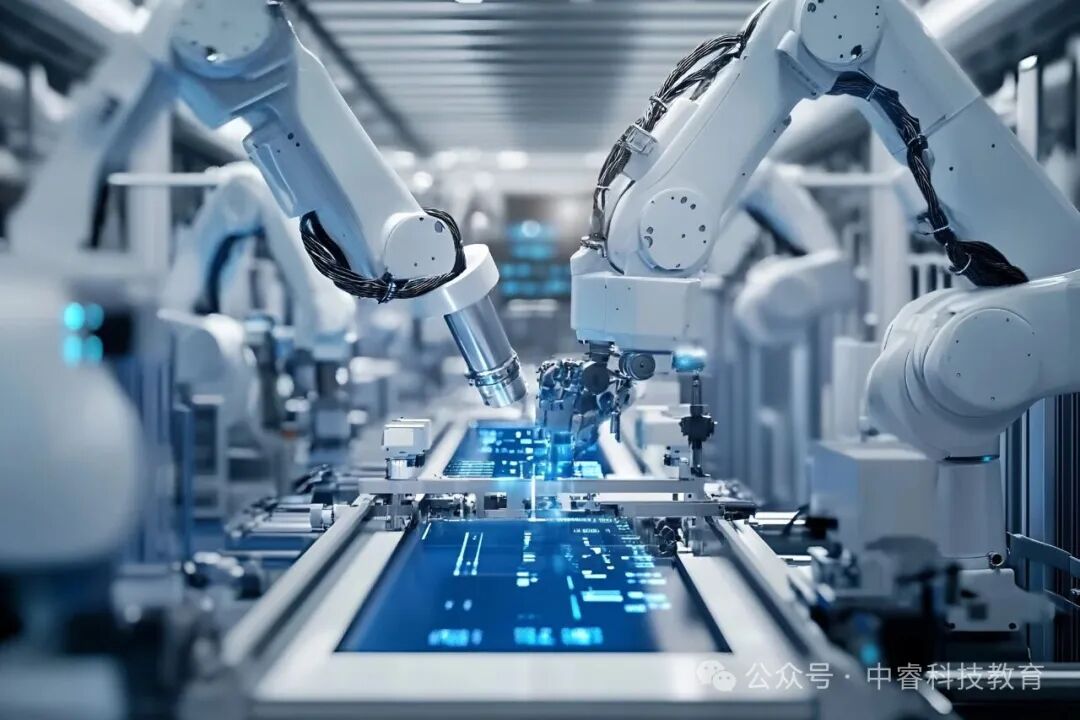
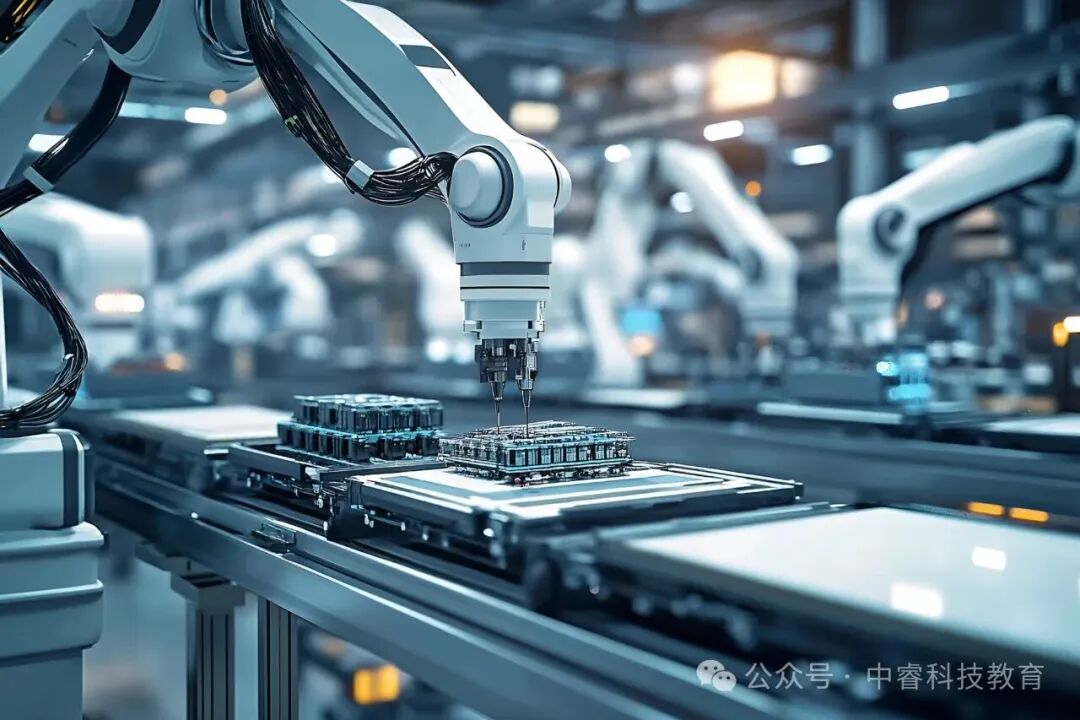
This is suitable for high-end manufacturing industries such as aerospace and precision electronics, or complex collaborative scenarios involving multiple robots and vision systems.
6
The “Tough Guy Choice” for Harsh Environments

Dedicated Bus Communication
In welding and painting workshops, where conditions are dirty and there is strong electromagnetic interference, ordinary communication methods are prone to “disconnections”; this is where dedicated buses like DeviceNet (led by Rockwell) and CANopen (international standard) come into play. They are based on CAN bus technology and can connect 64 devices with just two wires, making them particularly robust.

Advantages
The advantages include excellent anti-interference capabilities: they can operate stably regardless of dust, oil, or strong electromagnetic fields; wiring is simple, with just two wires running to the end, and costs are lower than Ethernet; they can diagnose the status of each device, allowing for precise fault location.

Disadvantages
The disadvantages include relatively slow speeds: the maximum data transmission rate is 1 megabit per second, which is slower than Ethernet; the signal capacity is limited, making it unsuitable for large data transmissions; and there may be slight differences between devices from different brands, requiring compatibility testing in advance.
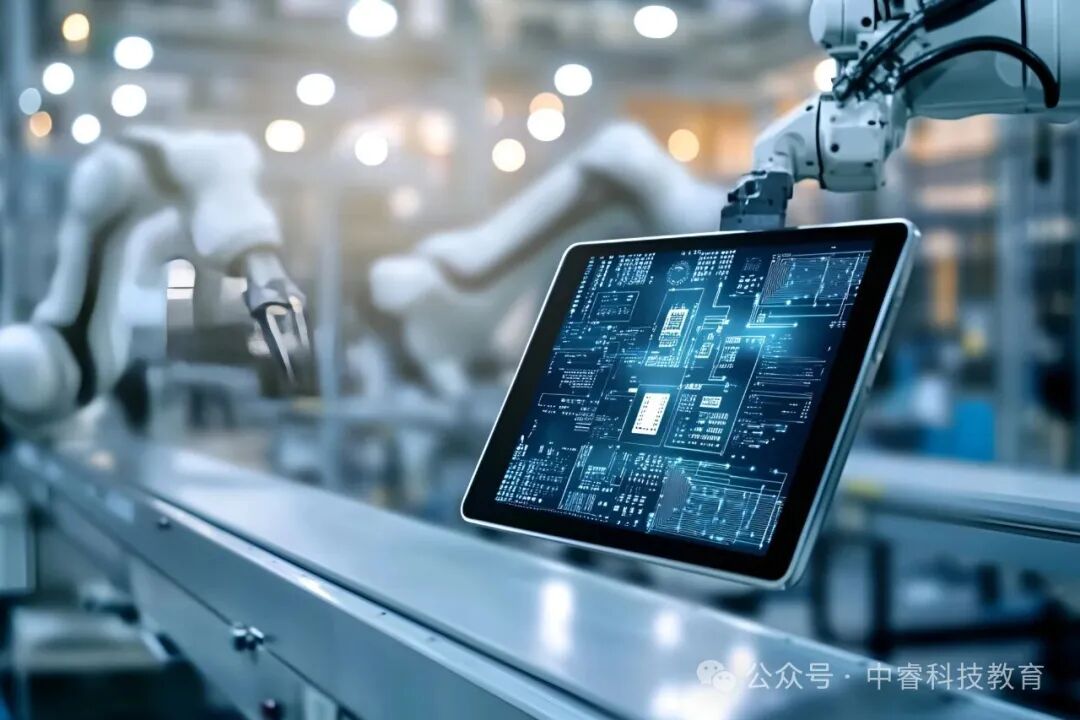

This is suitable for production lines in harsh environments, such as automotive parts processing, welding workshops, or low-speed multi-device control scenarios.
How to Choose? A Table to Help You Decide
|
Communication Method |
Response Speed |
Scalability |
Anti-Interference |
Cost |
Suitable Scenarios |
|---|---|---|---|---|---|
|
Digital I/O Hardwired |
Very Fast (Millisecond Level) |
Poor |
Strong |
Lowest |
Simple Production Lines, Low Signal Control |
|
Analog I/O |
Medium |
Poor |
Medium |
Low |
Parameter Adjustment, Sensor Data Collection |
|
Profinet |
Very Fast (Microsecond Level) |
Very Strong |
Medium-Strong |
Medium-High |
Complex Production Lines, High-Speed High-Precision Control |
|
Modbus |
Medium-Low |
Medium-Strong |
Medium |
Low-Medium |
Multi-Brand Mixing, Medium-Low Speed Control |
|
Ethernet/IP |
Very Fast (Microsecond Level) |
Very Strong |
Strong |
High |
High-End Manufacturing, Multi-Device Collaboration |
|
Dedicated Bus |
Medium |
Medium |
Very Strong |
Medium |
Harsh Environments, Medium-Low Speed Multi-Node |
Practical Advice: How to Choose for Different Scenarios
1. Beginners/Teaching Training: Choose Digital I/O Hardwired or Modbus RTU, low cost and easy to use, suitable for student learning or small workshops;
2. Mainstream Industrial Production Lines: Prioritize Profinet, good compatibility and fast speed, currently used in most factories, unlikely to go wrong;
3. Mixed-Brand Devices: Modbus TCP is the first choice, no need to consider brand compatibility, and setup is simple;
4. High-End Precision Manufacturing: Ethernet/IP is more reliable, with top-level collaboration and stability;
5. Welding/Painting Workshops: Dedicated buses (DeviceNet/CANopen) are robust, with strong anti-interference capabilities, suitable for harsh environments.
Final Reminder: Avoid These Pitfalls in Factory Operations
1. Clarify Requirements First: Do you need to transmit on/off signals or parameters? How fast should the response be? How many devices need to be connected? Don’t blindly choose high-end options; the right fit is best;
2. Ensure Hardware Compatibility: Some older PLCs do not have Ethernet modules, so they need to be retrofitted in advance; otherwise, communication methods like Profinet cannot be used;
3. Wiring Matters: Use shielded cables for digital and analog signals, industrial-grade cables for Ethernet, and install terminal resistors for bus communication to reduce interference;
4. Check Mapping Before Debugging: Ensure that the PLC’s “commands” correspond to the robot’s “actions” before testing speed and stability, taking it step by step;
5. Leave Room for Expansion: Install a few spare interfaces in case you need to add sensors or new devices in the future without needing to rework the system.
There is no absolute good or bad in the “communication” between robots and PLCs, only suitable choices. Whether it’s a simple hardwired connection or complex Ethernet communication, as long as the right method is chosen, the production line can operate efficiently, which is the core charm of industrial automation.