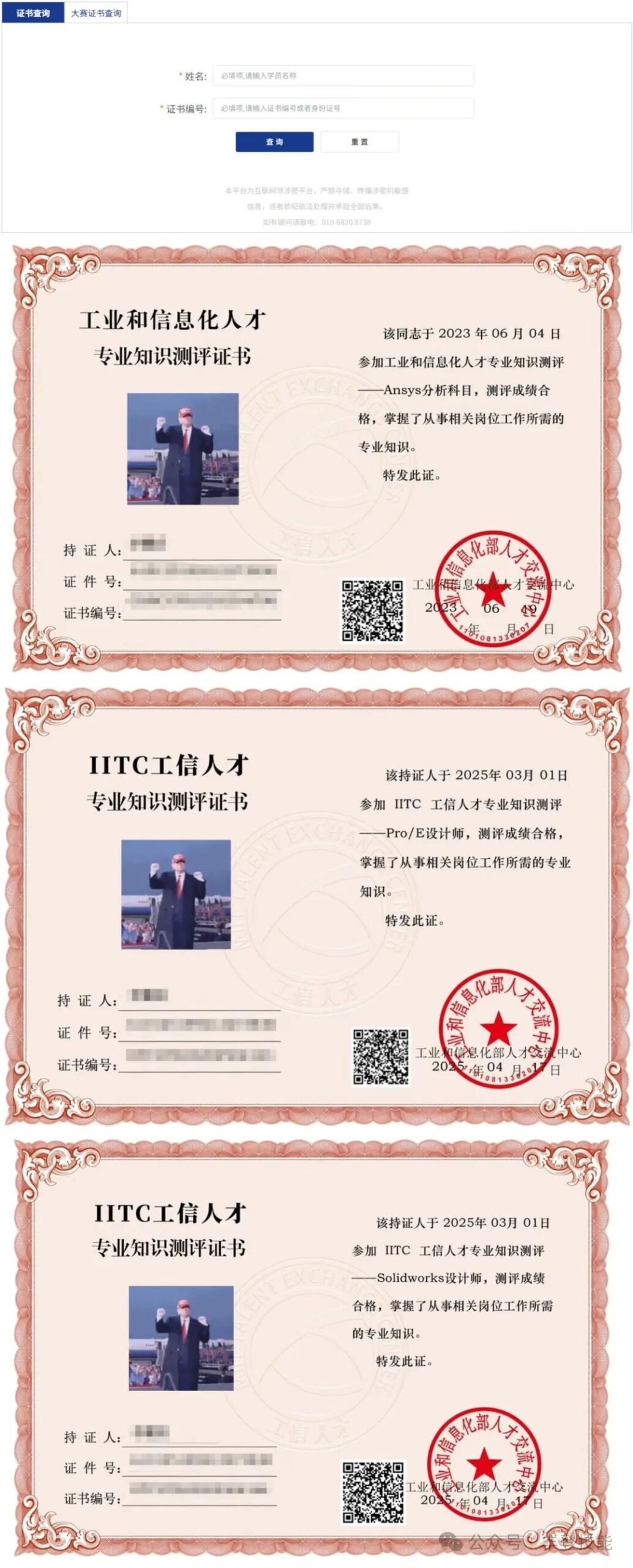
PLC Application Engineer | Job Positioning
⚡ PLC Application Engineer is a crucial technical position in the field of automation control, primarily responsible for the programming, debugging, maintenance, and optimization of Programmable Logic Controllers (PLCs).🏭 They play a key role in modern manufacturing, smart factories, logistics, warehousing, and energy sectors, acting as the “brain” of automation system design and control.🌍 This profession requires familiarity with industrial control logic and electrical systems, as well as programming thinking and information integration, serving as a true bridge between traditional industry and smart manufacturing.
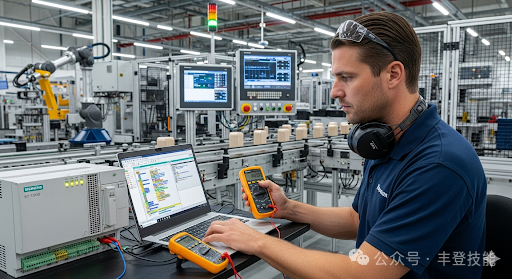
PLC Application Engineer | Core Responsibilities
🔧 PLC Programming and Debugging: Write PLC programs based on process requirements to achieve and debug control system functions.⚙️ Device Control and Integration: Responsible for the connection and control of various electrical devices, sensors, and actuators in automated production lines.🛡 System Maintenance and Fault Diagnosis: Conduct daily inspections, fault troubleshooting, and repairs of PLCs and related equipment to ensure stable system operation.📑 Technical Documentation Preparation: Write project proposals, operation manuals, and maintenance specifications to create standardized technical documentation.🚀 System Optimization and Upgrades: Improve existing control systems to enhance production efficiency and stability, promoting the level of intelligence.
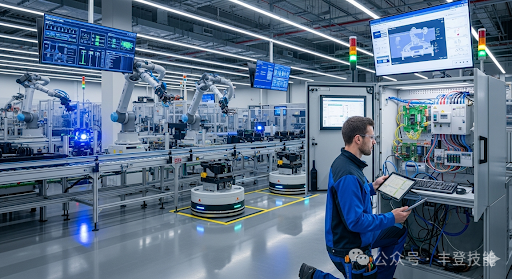
PLC Application Engineer | Professional Skill Composition
💻 Programming Skills: Familiar with programming languages of mainstream PLCs such as Siemens, Mitsubishi, Omron, and AB (Ladder Diagram, Structured Text, Function Block, etc.).🔌 Electrical Knowledge: Master the drawing of electrical schematics, assembly of electrical control cabinets, and wiring techniques for sensors and actuators.📡 Automation Integration Capability: Able to integrate PLCs with HMIs (Human-Machine Interfaces), frequency converters, servo motors, and industrial robots.🧪 Debugging and Troubleshooting Skills: Possess the ability to quickly locate problems and resolve hardware and software faults.🌐 Information Integration Skills: Understand the methods for connecting PLCs with SCADA, MES, and industrial IoT systems.
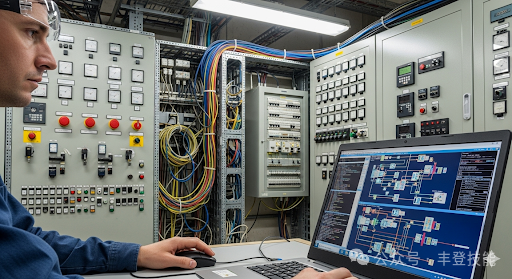
PLC Application Engineer | Operational Execution Chain
📍 Requirement Analysis → Communicate with process engineers to clarify production processes and control objectives.📍 Solution Design → Develop the control logic framework and select appropriate PLC models and peripherals.📍 Programming Implementation → Write PLC control programs, set logical instructions and operating parameters.📍 On-site Debugging → Perform wiring, debugging, and operational testing on-site, correcting issues.📍 System Commissioning → Complete system linkage trial operation and enter the stable production phase.📍 Maintenance and Optimization → Regularly inspect the system, optimize logic, upgrade programs, and improve efficiency.

PLC Application Engineer | Typical Application Environments
🏭 Manufacturing Automation Production Lines: Applied in automation control of mechanical processing, packaging, assembly, and conveying.🚉 Transportation and Rail Transportation: Provide reliable control in subway, railway signal systems, and automated gates.⚡ Energy and Power: Used for boiler control in power plants and pump station control in water treatment plants.📦 Logistics and Warehousing: Applied in automated sorting, conveying systems, and vertical warehouses.🤖 Smart Factories and Industrial Robots: Achieve robot collaboration and flexible manufacturing.
PLC Application Engineer | Career Growth Path
👨💻 Junior Engineer: Master basic programming and simple control system debugging, capable of independently completing small projects.👨🔧 Mid-level Engineer: Capable of undertaking complex system design and debugging tasks, with experience in multiple brands of PLCs.👨🏭 Senior Engineer/Project Supervisor: Participate in large automation project management, coordinating system design and team collaboration.🧑💼 Automation Technology Manager: Responsible for corporate automation strategy, technology upgrades, and team building.🌍 Industry Expert/Solution Architect: Provide enterprises with overall solutions for smart manufacturing and industrial internet.
PLC Application Engineer | Industry Trend Insights
🤖 Smart Manufacturing Upgrade: With the advancement of Industry 4.0 and smart factories, the application scope of PLC technology continues to expand.🌐 Integration with IoT: The interconnection of PLCs with industrial internet (IIoT) and cloud platforms is becoming a trend.🧠 Integration of Edge Computing and AI: Future PLCs may integrate more intelligent algorithms for self-learning and predictive control.📈 Domestic Substitution: Domestic PLC brands are rapidly rising, and the demand for talent in this field is significantly increasing.🌍 Cross-industry Integration: PLC technology will closely integrate with robots, sensors, and MES systems, promoting full-process digitization.
PLC Application Engineer | Comprehensive Value Overview
📌 PLC Application Engineers are the backbone of modern industrial automation, designing and implementing control logic to make complex production processes efficient, stable, and intelligent.💡 As smart manufacturing advances, the value of PLC technology talent is reflected not only in equipment control but also in their ability to promote deep integration of automation and information technology within enterprises.🌍 In the future industrial development blueprint, PLC Application Engineers will be a key driving force for achieving digital transformation and green manufacturing, with their career value and development potential continuously rising.

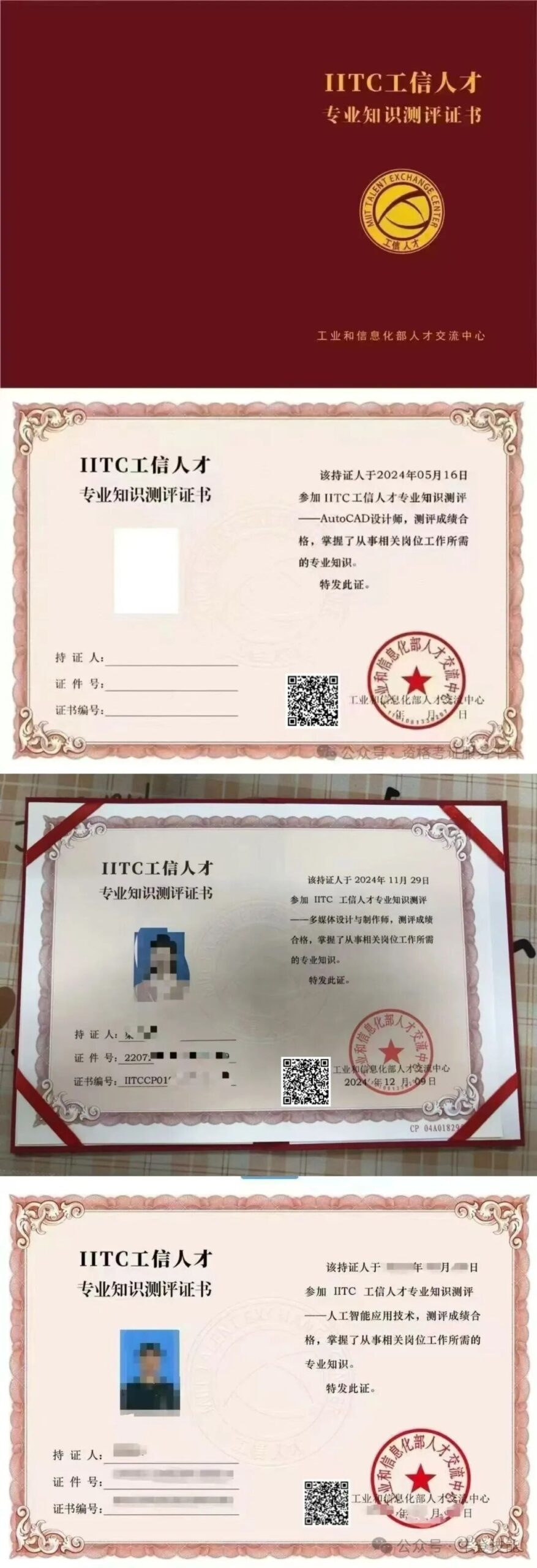
PLC Application Engineer | Certificate Issuance
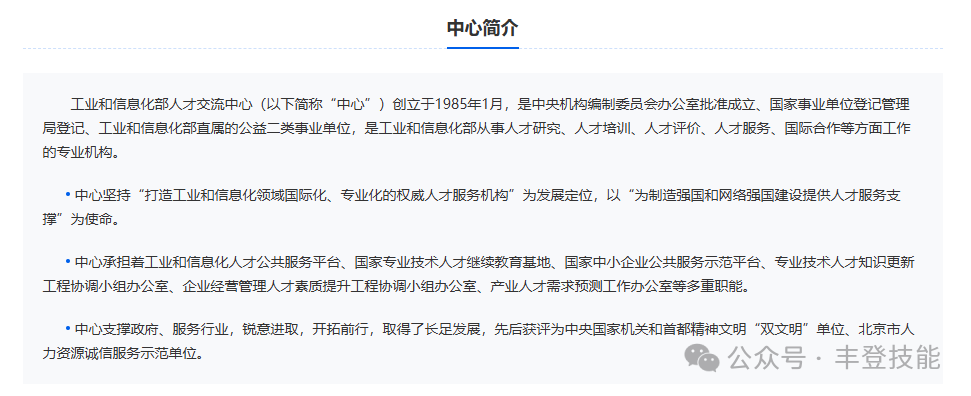
Ministry of Industry and Information Technology Talent Exchange Center
https://www.miitec.cn/

PLC Application Engineer | Certificate Style

PLC Application Engineer | Examination Requirements
1. Examination Conditions: Applicants must be at least 18 years old (candidates under 18 can collect their certificates after turning 18 with their ID).
2. Registration and Examination Process:
Registration Form Filling: Candidates must provide personal basic information, including name, gender, ID number, contact information, and the name and level of the certificate they are applying for. Please ensure the information is accurate.
Electronic Photo Requirements:
Background Color: White;
Photo Specifications: 2-inch recent front-facing color half-length photo, size 358 * 441 pixels, resolution 350dpi, file format JPG;
File Size: Between 14K-20K;
File Naming Method: Use the format “NameIDNumber.JPG” (no extra symbols needed).
Exam question bank will be issued, and candidates should actively prepare for the exam within the specified time and attend on time.

PLC Application Engineer | Certificate Query
IITC Industrial and Information Technology Talent Knowledge Assessment Network
https://cx.miitec.cn/bookSearch