At three in the morning, your smartwatch suddenly vibrates—not as an alarm, but as a warning for abnormal heart rate. This small device independently completes the entire process from data collection to risk assessment without being connected to the internet. This is the magic of Edge AI—bringing AI down from the cloud to the terminal devices, building a “local intelligent brain” in your smartwatch, home appliances, and cars.1. What is Edge AI? The “grounded” brother of cloud AI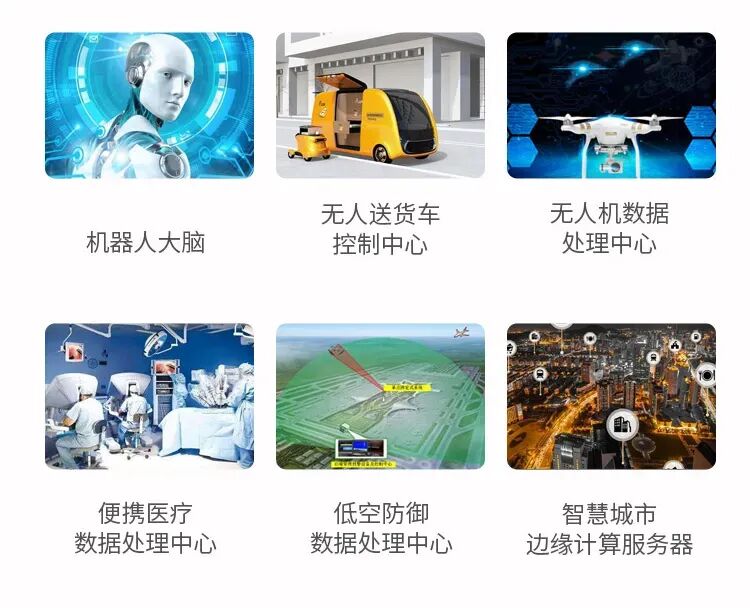 Application Scenarios of Edge AI▲ Edge AI is like a “local office”, allowing intelligent decisions to be made instantly at the device level (the six scenarios in the image have already been commercialized).Traditional cloud AI requires data to be uploaded to servers for processing, similar to “remote consultations”; whereas Edge AI acts like a “community clinic”—performing calculations locally on the device. For example:– Your phone runs beauty algorithms locally while taking photos, without uploading the original images to the cloud.– Factory quality inspection cameras identify product defects in real-time without waiting for cloud feedback.– Smart home voice assistants can still respond to basic commands like “turn on the light” even when offline.This “local processing” brings three major advantages:fast response (millisecond-level decision-making), data savings (no need to upload raw data), and enhanced security (privacy data is not leaked). Huawei’s HarmonyOS “distributed AI” is a typical example, allowing home appliances like refrigerators and TVs to run AI tasks independently.2. From Wrist to Factory: Four Killer Applications of Edge AI1. Consumer Electronics: Smartwatch as a “Health Guardian”
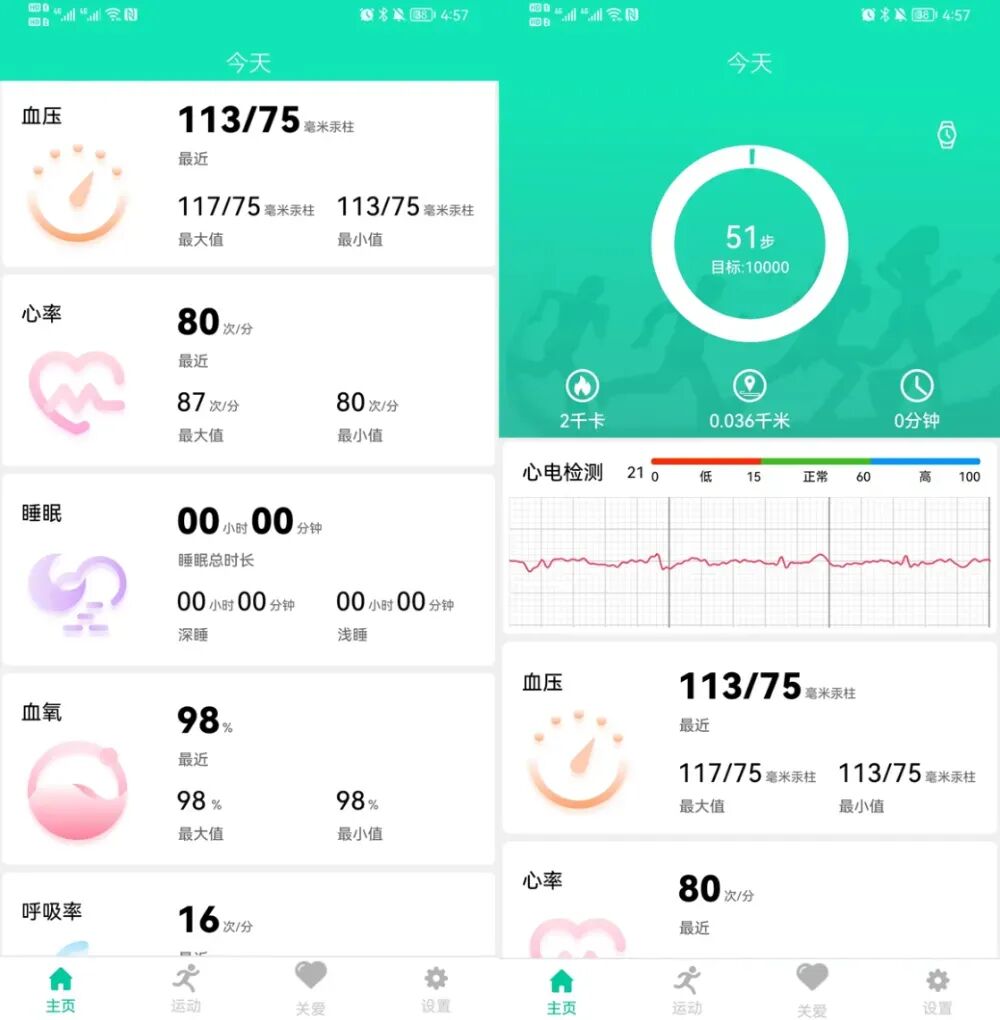 Smartwatch Health Monitoring Interface▲ This smartwatch can analyze heart rate, blood oxygen, and other eight indicators offline, with a battery life of up to 14 days.The ECG function of the Apple Watch Series 10 can generate real-time electrocardiograms thanks to the built-in S10 SiP chip, which integrates a neural network engine. It can complete abnormal heart rate assessments in 0.3 seconds, while traditional cloud solutions require at least 2 seconds.Even more impressive is the balance of battery life: by using model compression technology, algorithms that originally required GPU operation are compressed to run on microcontrollers, reducing power consumption by 90%. The sleep monitoring feature of the Xiaomi Mi Band 8 is an example, consuming only 2mAh per day.2. Industrial Quality Inspection: Cameras Transform into “Eagle Eyes”
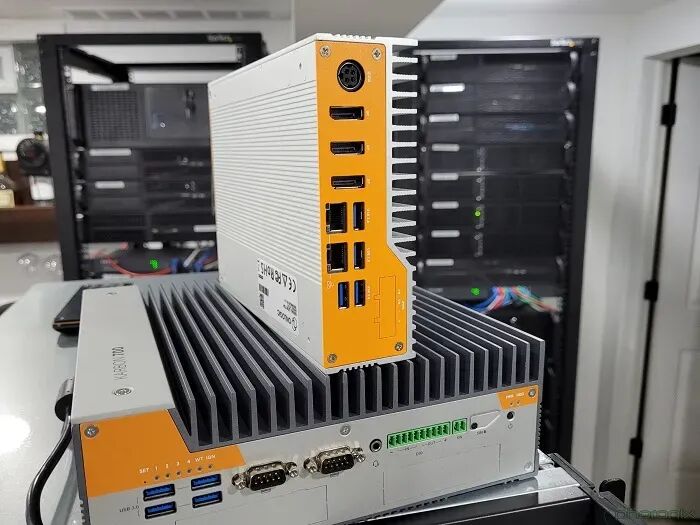 Industrial Edge Computing Device▲ This edge computing box enables ordinary cameras to have defect detection capabilities, with a false detection rate of less than 0.1%.In automotive welding workshops, traditional quality inspection requires manual monitoring of screens displaying weld seams on the production line. Now, data collection boxes equipped with edge AI chips can be directly installed on the production line, marking defects in real-time with an accuracy of 99.7%!After implementation in a new energy battery factory, detection efficiency increased fivefold, saving 2 million yuan in labor costs annually. The key lies in the real-time advantages of edge devices—detecting flaws immediately stops production, avoiding batch scrapping.3. Smart Home: Voice Assistants That Work Offline
 Low-Power AI Chip▲ This chip, the size of a fingernail, allows the speaker to recognize 100 commands even when offline.The Tmall Genie IN Sugar uses the MediaTek MTK8167 chip, which integrates a dedicated AI processing unit. It compresses the voice recognition model to 2MB, allowing it to respond to commands like “play Jay Chou’s song” locally, with a response speed three times faster than cloud solutions.Moreover, it offers privacy protection: your voice is not uploaded to the cloud, and all processing is done within the device. This is why even when the network cable is unplugged, basic functions remain operational.4. Medical Devices: Portable Ultrasound as a “Mobile Doctor”
 Application Scenarios of Edge AI_2▲ This edge computing solution allows the ultrasound device to automatically identify fetal heart rates, assisting doctors in remote areas with diagnosis.Mindray Medical’s portable ultrasound device, integrated with the NVIDIA Jetson Nano module, can perform automatic fetal heart rate measurements on the device. In rural clinics with poor network conditions, doctors can receive instant diagnostic suggestions, reducing misdiagnosis rates by 40%.This “AI + Medical Device” model is becoming widespread—blood glucose meters can analyze blood sugar trends, and ECG machines can automatically identify abnormal waveforms, elevating the level of grassroots medical care.3. Technological Breakthroughs: Three Black Technologies Enabling AI to Run on Smartwatches1. Model Compression: Slimming Down AI
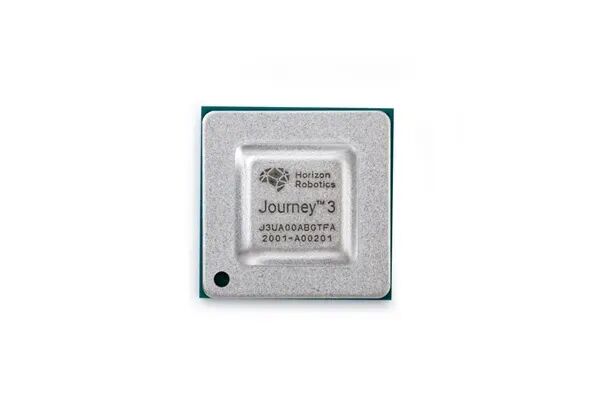
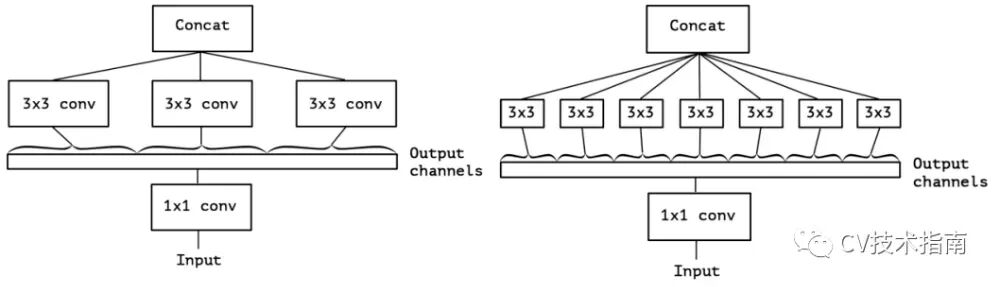 Lightweight Model Architecture Diagram▲ The left side shows the traditional model (3 branches), while the right side shows the lightweight model (7 branches), maintaining accuracy while reducing volume by 70%.By using “knowledge distillation” technology, the “experience” of large models is transferred to smaller models. For example, Google compressed BERT into MobileBERT, reducing parameters from 340M to 14M while maintaining 90% performance.Huawei’s “Noah’s Ark Lab” has gone further, developing dynamic networks—models can automatically “slim down” based on input content, using small models for simple tasks and large models for complex tasks, reducing average energy consumption by 65%.2. Low-Power Chips: Saving Power for AILow-Power AI Chip_2▲ The Horizon Journey3 chip is designed for automotive-grade edge AI, with a computing power of 20TOPS and a power consumption of only 5W.Traditional GPUs require 1W of power for every TOPS of computing power, while dedicated edge AI chips (like Horizon Journey3) can achieve 4TOPS/W. This efficiency improvement allows edge devices to operate stably without fans.Even more innovative is the storage-compute integrated architecture—integrating memory and computing units together, eliminating the need to move data back and forth, like “having the kitchen and dining room together”, which naturally enhances efficiency. The Black Sesame A2000 chip adopts this design, achieving a threefold improvement in energy efficiency.3. Federated Learning: Collective Learning for AIAI models from multiple hospitals want to train together, but data privacy regulations prevent sharing medical records. What to do?Federated learning allows model parameters to be updated locally, sharing only gradient information.A diabetes screening project improved model accuracy from 82% to 91% using this method, while original data remained on hospital servers. This is the data security advantage of edge AI—“I control my data”.4. Changes That Ordinary People Can FeelIn the next two years, edge AI will bring three noticeable changes:Smarter Phones: When taking photos, scene recognition and portrait blurring functions will respond faster, while battery life will increase by 20%.More Reliable Home Appliances: Robotic vacuum cleaners won’t get lost due to network disconnection, and smart locks will still recognize faces even during power outages.Safer Privacy: Voice assistants and health devices will no longer require “consent to upload data” to use advanced features.Of course, edge AI also has limitations—complex tasks (like video editing) still require cloud computing power. But just as PCs evolved from mainframes, AI is transitioning from the cloud to edge devices, ultimately achieving a “cloud-edge collaboration” intelligent new ecosystem.