In large exhibitions, disaster rescue,
military exercises, and other scenarios,
when dozens or even hundreds of devices simultaneously connect to a wireless self-organizing network,
issues such as “insufficient bandwidth, signal interruptions,
and difficulty in resisting interference” often become pain points.
However, wireless self-organizing network devices are designed with four core technologies,
which can maintain stable performance even in densely packed multi-node networks,
becoming a “reliable backbone” for cross-scenario communication.

Multi-node does not “crash”:
Logic for ensuring bandwidth and speed

When multiple nodes transmit simultaneously,
signal “channel grabbing” can easily lead to stuttering,
the wireless self-organizing network relies on two major technologies to solve this:
First is intelligent channel reuse and dynamic frequency division.
Devices automatically detect channel occupancy rates and assign adjacent nodes to different sub-channels to avoid co-frequency interference —
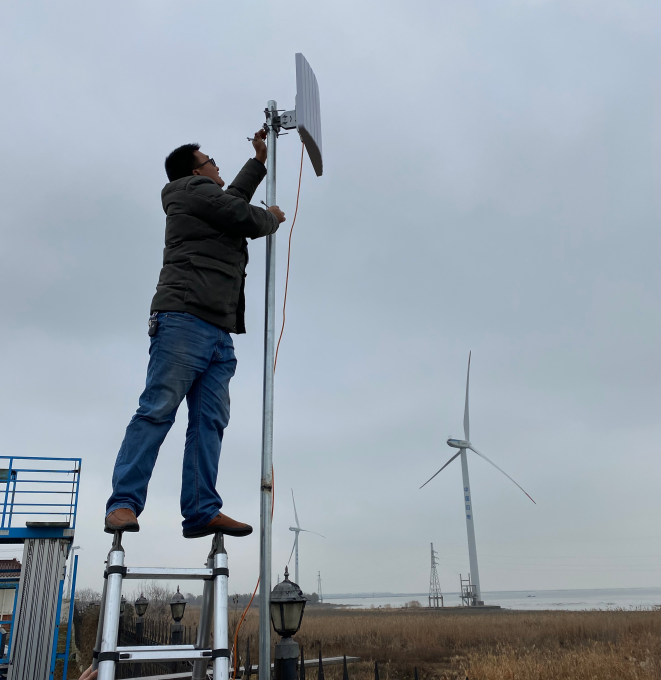
for example, in a large industrial area, when 50 sensors are simultaneously transmitting data, the devices switch between 2.4GHz and 5.8GHz dual bands, keeping each device’s transmission speed above 10Mbps to meet real-time data needs.
Second is traffic priority scheduling.
Critical data such as voice and video are marked as “high priority” to prioritize bandwidth allocation; non-urgent data (like historical logs) is transmitted with delays.
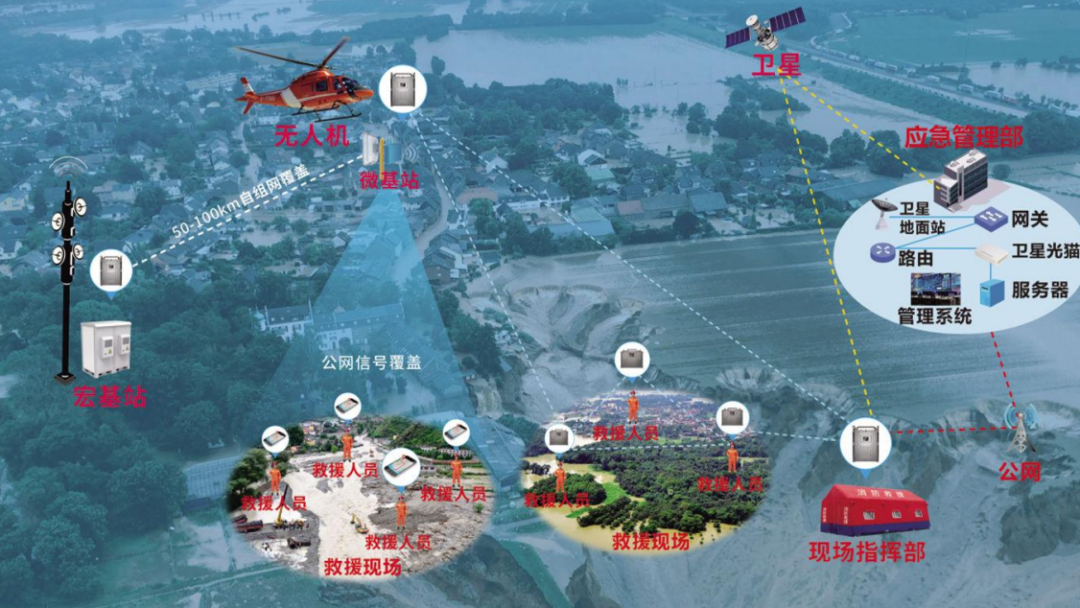
In emergency rescue situations, voice commands and video of injured persons can be transmitted first, ensuring that critical information is “not delayed or lost” even with multiple nodes connected.



Interference resistance in complex environments:
Allowing signals to “penetrate” interference sources
Smart Connected World
Whether it is industrial electromagnetic radiation,
or deliberate interference on the military battlefield,
wired self-organizing networks rely on three layers of protection to build a “signal barrier”:
First is frequency hopping communication technology..
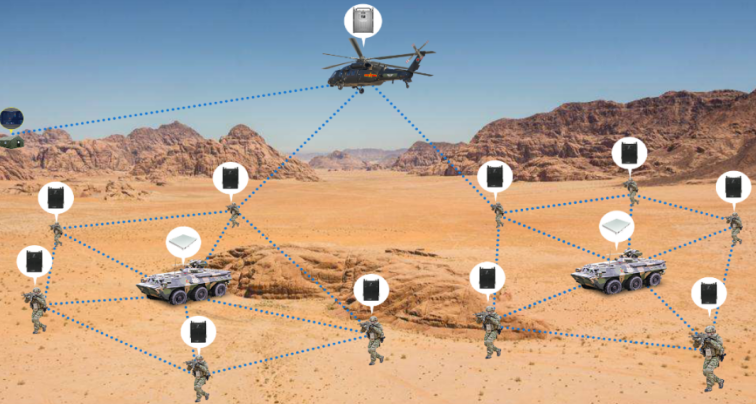
Devices switch communication frequencies dozens of times per second according to a preset algorithm, making it difficult for adversaries or interference sources to lock onto a fixed frequency.
For example, during military exercises, even when encountering simulated electromagnetic interference, devices can still maintain a communication success rate of over 80%.
Second is MIMO multi-antenna technology.
By using multiple antennas to simultaneously transmit and receive signals, it can enhance bandwidth and cancel out interference through signal superposition — in densely built urban rescue scenarios, multiple antennas can bypass building obstructions, reducing signal attenuation.
Finally, adaptive filtering.
Devices can identify interference signal characteristics in real-time and automatically filter out noise; for example, in strong electromagnetic environments like substations, they can effectively shield high-frequency interference generated by equipment operation, ensuring stable data transmission.
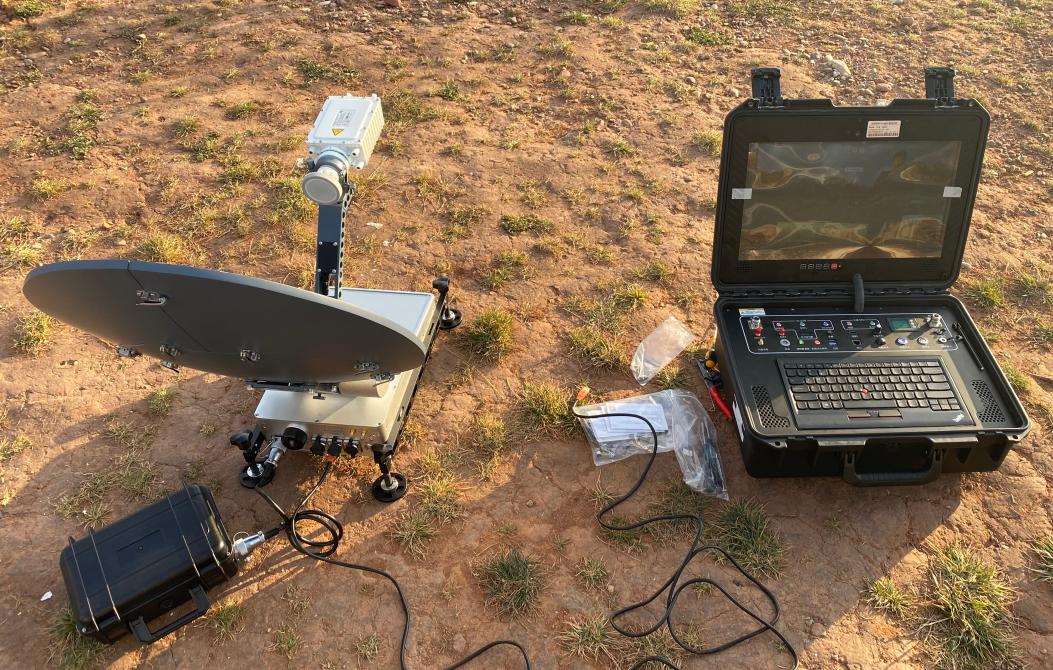
Breaking through the “last mile”
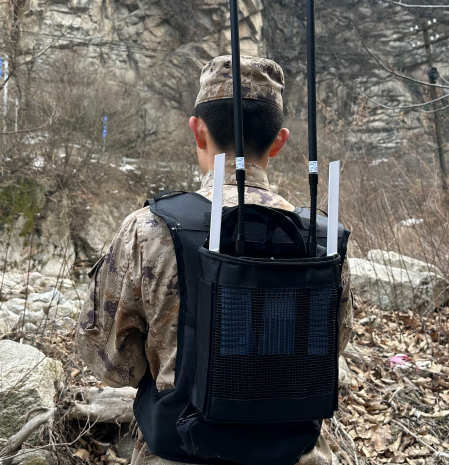
Supporting network communication in three disconnection scenarios
IP67 protection level
AES128/256 encryption
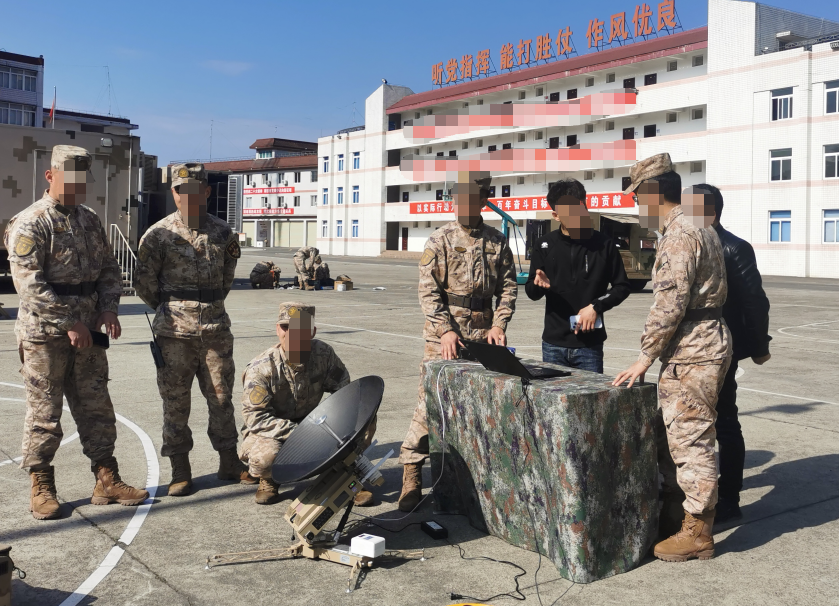
Self-healing and dynamic routing:
When a node fails, it “automatically compensates”,when a path is blocked, it “real-time switches”
In multi-node networking, single node failures or link congestion are common; wireless self-organizing networks achieve self-repair through “distributed intelligence”:
The core of self-healing is “real-time fault detection + rapid reconstruction”.
Each node periodically sends “heartbeat signals” to surrounding nodes; once a node’s signal disappears, adjacent nodes immediately determine its failure and automatically take over its communication tasks — for example, in earthquake rescue, if a relay drone runs out of power, surrounding drones can take over within one second, ensuring the rescue link remains uninterrupted.
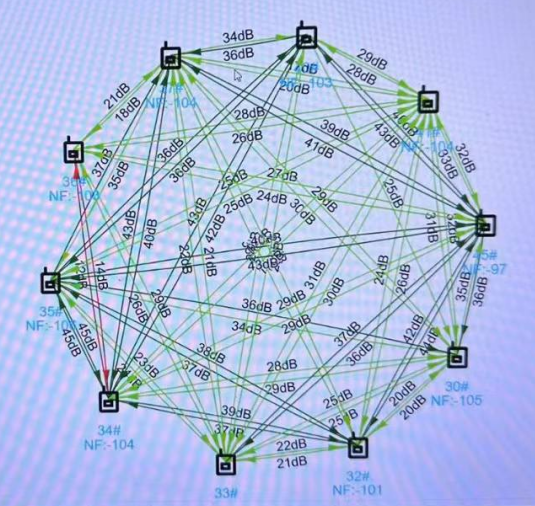
Dynamic routing relies on “intelligent algorithms to select the optimal path”.
Devices calculate the delay and packet loss rate of each transmission path in real-time, automatically avoiding congested or unstable links. For example, in large event security, when a certain area becomes congested due to dense nodes, devices will automatically switch to a “drone relay + ground node” hybrid path to maintain stable transmission rates.

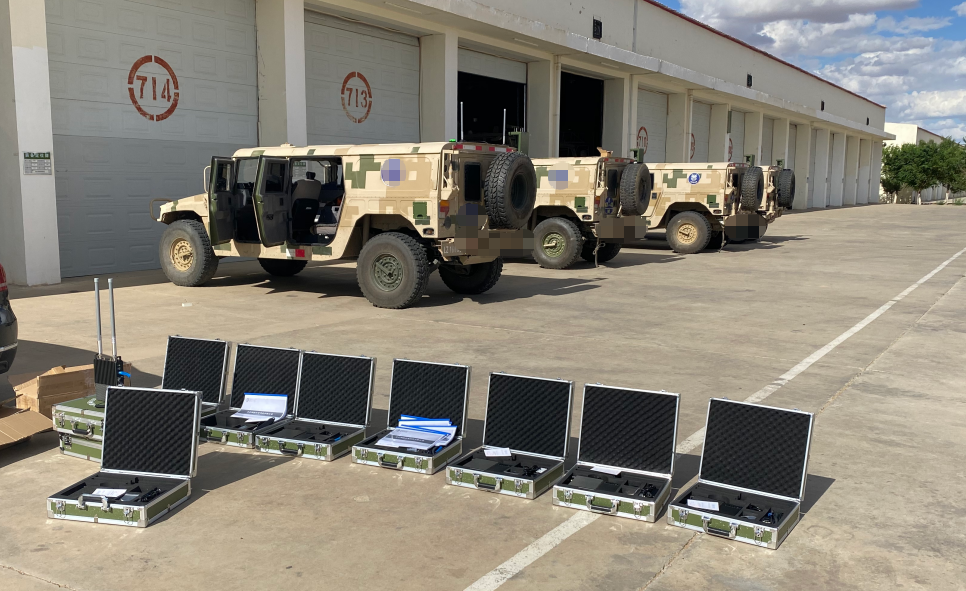
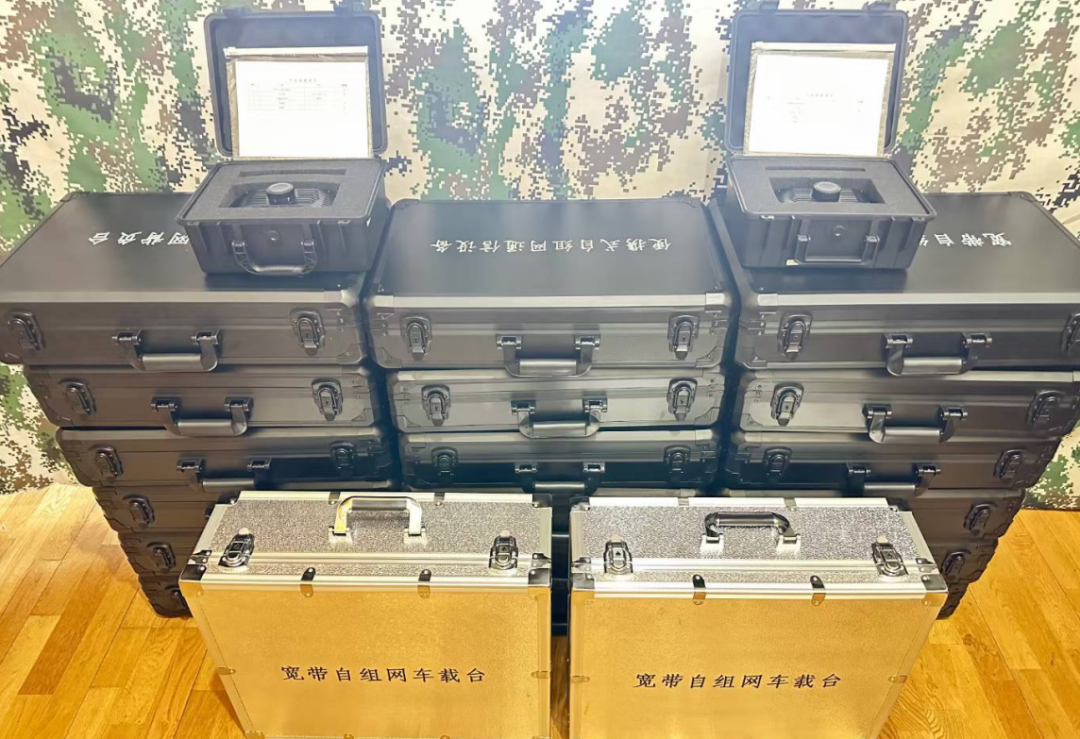
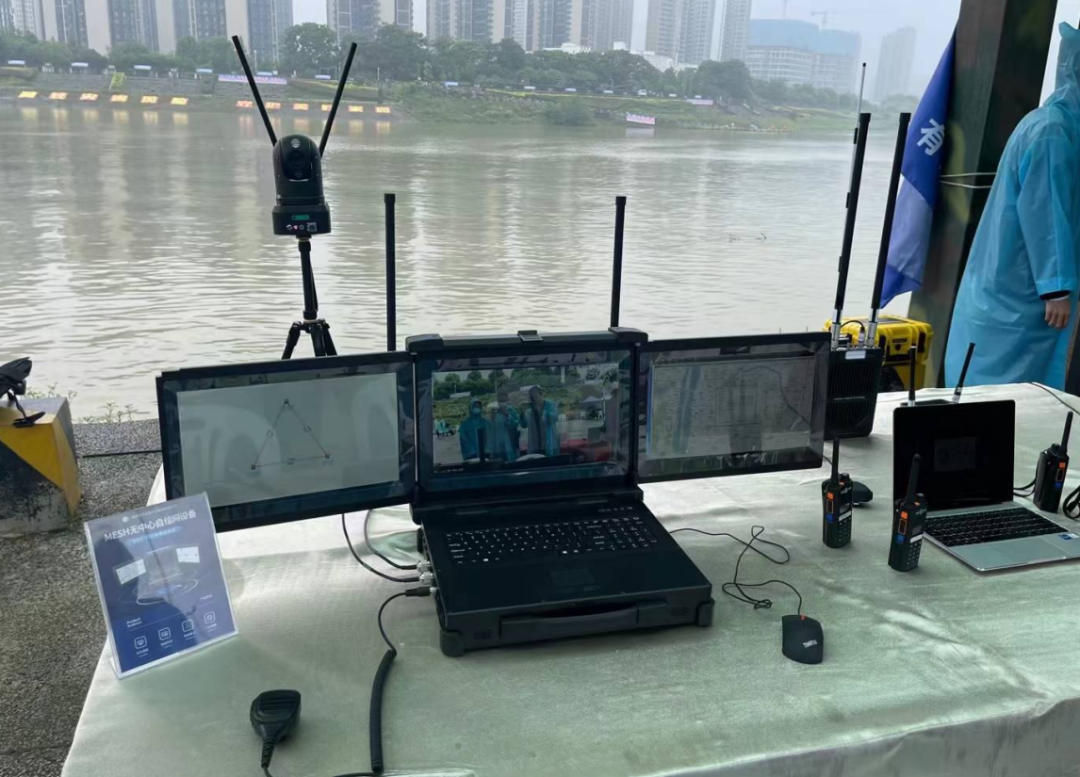
Focusing on wireless communication
Smart Wireless, Connecting Everything
From industrial monitoring to emergency rescue,
from military collaboration to large event security,
the “anti-congestion, anti-interference, self-healing” capabilities of wireless self-organizing network devices
essentially solve the core pain points of multi-node networking through technology.
For decision-makers, this characteristic of “no manual intervention, adapting to complex scenarios” not only reduces operational costs but also ensures that communication is “not dropped, not stuttering” at critical moments — this is the core reason for the rapid adoption of wireless self-organizing networks across various fields.
What interference situations are you facing in your current project scenario? Share and discuss in the comments, and welcome technical experts to offer their insights!

Contact Number|15735979040
Beijing Hanxun Technology|Self-organizing network equipment manufacturer