
LC-MS/MS
ADC Drug Biological Analysis
A Dual Advantage in Speed and Cost
0
1
Definition of Antibody-Drug Conjugates (ADC)
Antibody-drug conjugates (ADC) consist of an antibody, a cytotoxic drug, and a linker (as shown in Figure 1[1]), and are considered an innovative therapeutic approach targeting various types of tumors and cancers. They can enhance the therapeutic parameters of cytotoxic drugs while reducing the likelihood of systemic cytotoxicity. ADCs rely on highly targeted tumor antigen recognition and effective endocytosis, recognizing and binding to specific tumor antigens on the cell surface, and then entering tumor cells via endocytosis. The linker or antibody is then degraded in the nuclear body or lysosome, releasing the cytotoxic drug to kill tumor cells[2], while also prolonging the half-life of the cytotoxic drug and reducing its dose-limiting toxicities[3-5].
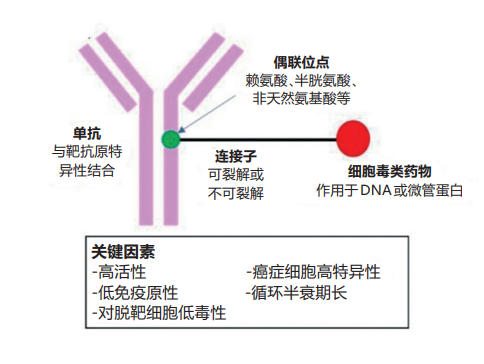
Figure 1 Schematic Diagram of ADC Structure[1]
0
2
General Bioanalytical Strategy for ADCs
Data from the biological analysis of ADC drugs play an important role in drug metabolism and toxicity evaluation in preclinical and clinical studies. Due to the complexity of the ADC structure and the variability of the DAR (Drug-to-Antibody Ratio) during drug metabolism, it is usually necessary to quantitatively analyze several major forms, including total antibody (DAR≥0), conjugated antibody (DAR≥1), and unconjugated drugs[6-10]. Bioanalytical methods based on ligand-binding assays (LBA) and liquid chromatography-tandem mass spectrometry (LC-MS/MS) have been used to analyze various ADC analytes[9,11]. Among them, LBA is typically used to detect total antibodies and conjugated antibodies, while LC-MS/MS is mainly used for the analysis of cytotoxic drugs bound to antibodies and unconjugated cytotoxic drugs. The bioanalytical strategies for FDA-approved drugs are summarized in Table 2.
Table 2 Summary of FDA-Approved ADC Drugs
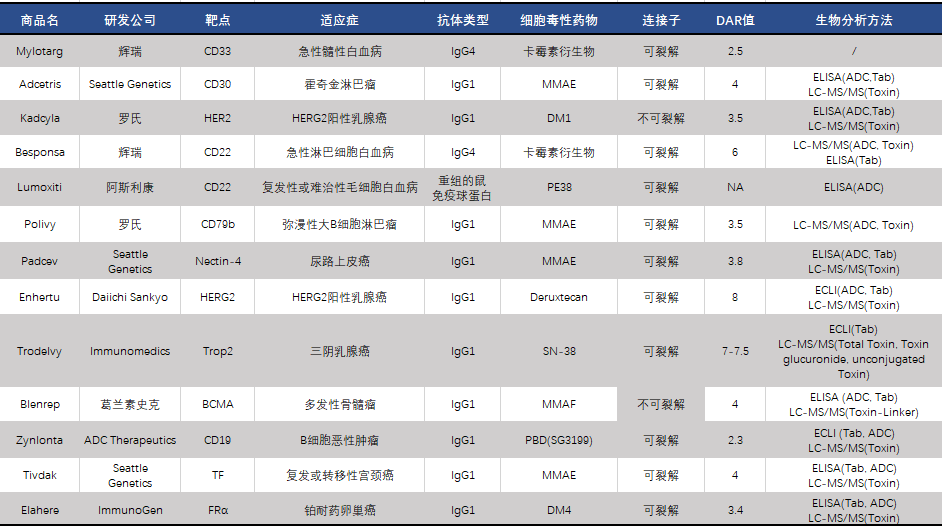
Note: ELISA: Enzyme-Linked Immunosorbent Assay; ECLI: Electrochemiluminescence; LC-MS/MS: Liquid chromatography-tandem mass spectrometry;
ADC: Antibody-drug conjugate; Tab: Total Antibody; Toxin: Cytotoxic Drug;
For the determination of total antibodies and conjugated antibodies, the most widely used methods are ELISA (Enzyme-Linked Immunosorbent Assay) and ECL (Electrochemiluminescence immunoassay), as shown in Figure 2. For the detection of total antibodies, the target antigen or monoclonal antibody against the CDR region (Complementarity Determining Region) of the ADC antibody is usually coated for capture, and detection is performed through the antibody portion of the ADC drug. For the detection of conjugated antibodies, there are two methods: one uses the same capture reagent as total antibody detection, while the detection reagent is an antibody against the cytotoxic drug; the other uses an antibody against the cytotoxic drug as the capture reagent, while the detection reagent is a monoclonal antibody against the target antigen or CDR region. The detection of free cytotoxic drugs is performed by directly analyzing the cytotoxic drug after extraction using common small molecule bioanalytical pre-treatment methods such as protein precipitation, liquid-liquid extraction, or solid-phase extraction.
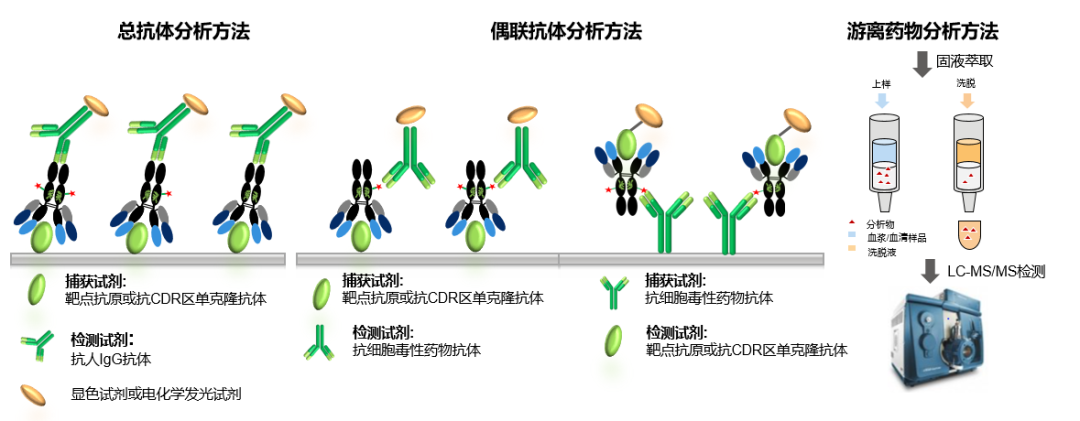
Figure 2: Common Strategies for ADC Bioanalysis
However, when faced with the long preparation cycle of specific reagents or when the specificity and affinity of the reagents do not meet testing requirements, the LC-MS/MS platform can provide a fast, cost-effective, high-quality solution for analyzing all components of ADC from a single sample.
0
3
LC-MS/MS: Comprehensive Analysis of ADC Drugs from a Single Sample
As the technology for detecting antibodies and other protein substances using LC-MS/MS methods matures, and due to its good specificity, in the bioanalysis of ADC drugs, it can be used not only for the quantitative analysis of free small molecule cytotoxic drugs and small molecule cytotoxic drugs conjugated to antibodies, but also for the quantitative analysis of the antibody portion through characteristic peptide segments after appropriate immunocapture and enzymatic treatment. This means that we can use the same sample on the LC-MS/MS platform to simultaneously detect total antibodies, conjugated antibodies, as well as conjugated and unconjugated drugs. The specific process is shown in Figure 3, where a sample undergoes immunocapture, and the supernatant is directly used for the detection of free cytotoxic drugs, while the captured antibody portion is divided into two parts for processing, detecting conjugated antibodies and total antibodies.
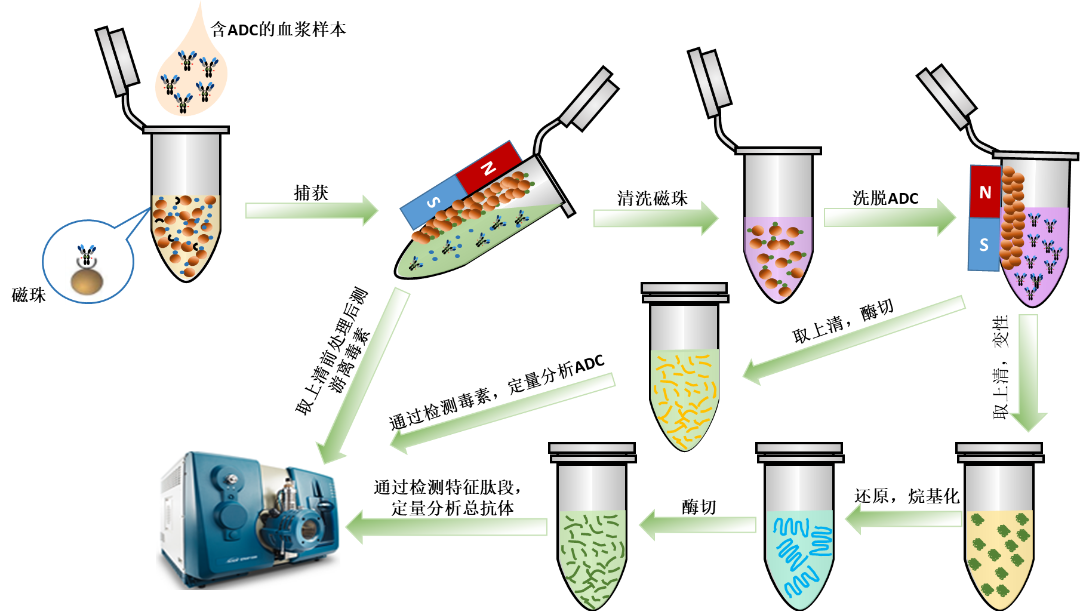
Figure 3 LC-MS/MS Platform Analysis Flow for ADC
3.1 Analysis of Free Cytotoxic Drugs
There are two main considerations for the analysis of free cytotoxic drugs: sensitivity and stability. Due to the targeting nature of ADCs and the fact that preclinical safety evaluations are conducted on healthy animals, the concentration of free toxins in plasma is extremely low, necessitating a limit of quantification at the picogram level. Figure 4 shows the LC-MS/MS chromatogram of rat plasma samples containing 10 pg/mL MMAE. Furthermore, the commonly used protein precipitation method may introduce interference if the sample is not clean enough; therefore, liquid-liquid extraction or solid-phase extraction methods can be used to make sample pre-treatment cleaner and also concentrate the sample, enhancing sensitivity.
To obtain the true concentration of free toxins in the sample, the stability of the linker between the antibody and the toxin in plasma must also be examined. In the stability assessment experiments, not only the stability of the toxin itself in biological matrices needs to be assessed, but also whether the ADC releases free toxins during sample storage and processing.
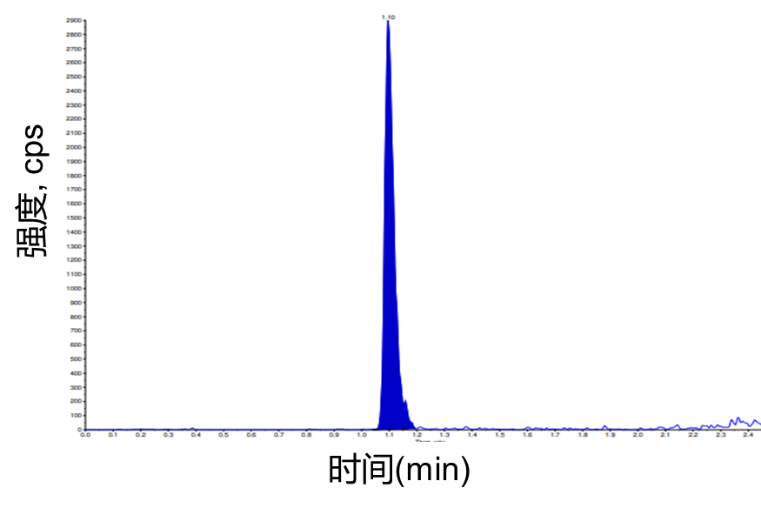
Figure 4 LC-MS/MS Chromatogram of Rat Plasma Samples Containing 10 pg/mL MMAE
3.2 Analysis of Conjugated Antibodies
Analyzing conjugated antibodies requires selecting different dissociation conditions for different linkers. If enzymes are used to cleave the toxins, the choice of enzyme and the conditions for enzyme digestion must be carefully optimized to achieve the highest possible enzyme cleavage recovery. As shown in Figure 5, through this method, the standard curve can demonstrate good linear regression over a concentration range of about 100 times. For cleavable linkers, we can select the corresponding enzyme to cleave it and then directly measure the concentration of toxins. For non-cleavable linkers, we can use Trypsin for enzyme digestion and then measure the toxin-linker conjugated antibody portion..
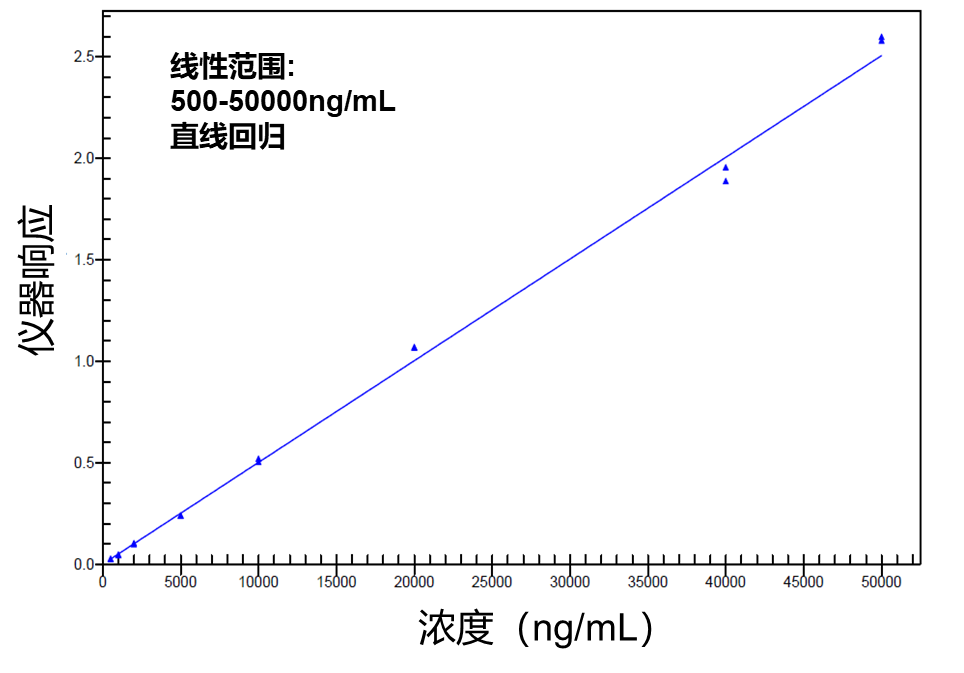
Figure 5 Standard Curve of ADC Drugs in Rat Plasma
3.3 Analysis of Total Antibodies
Similar to conjugated antibodies, the determination of total antibodies requires steps such as capture and enzymatic cleavage, where each step requires careful exploration in terms of reagent selection, reaction time, and dosage to achieve ideal recovery rates.
3.4 Determination of DAR Value
As ADC drugs are metabolized in the body, the payload of small molecule drugs on the antibody gradually decreases, corresponding to changes in the DAR (Drug-to-Antibody Ratio). The trend in DAR changes can assist in explaining the safety and efficacy of ADCs. An ideal ADC drug should not release cytotoxic drugs during blood circulation but should release them upon reaching the target organ, thereby reducing biological toxicity and enhancing efficacy. Due to the different absolute molecular weights of ADCs with varying DARs, high-resolution mass spectrometry quadrupole-time of flight analyzers (HRMS-Q-TOF) have advantages in DAR analysis due to their high resolution, specificity, and accuracy compared to ordinary mass spectrometers such as triple quadrupoles; however, their sensitivity is often limited to the microgram/mL level.
The determination of DAR values can be approached in several ways. One way is to directly detect the DAR of intact ADC molecules, which requires immunocapture followed by deglycosylation and then entry into high-resolution mass spectrometry for the measurement of the intact molecule, directly reflecting the situation of the toxin linked to the ADC molecule. For some toxins that are only linked to the light or heavy chains and have relatively simple linking situations, specific reagents can also be considered for reduction or enzymatic digestion, and then measure the ADC subunits. The advantage of this approach is that it can enhance sensitivity. This part of the scheme needs to be specially customized based on specific cases.
0
4
Comparison of Platforms for Analyzing ADC Antibody Portions
In summary, LBA and LC-MS/MS platforms have their advantages in terms of specificity reagent requirements, specificity, sensitivity, and throughput for analyzing total and conjugated antibodies of ADC drugs. As shown in Table 2, the LBA platform highly relies on the quality and preparation of specific reagents, which affects the specificity and development cycle of the method. However, its advantage lies in good sensitivity, reaching picogram levels.
The LC-MS/MS platform analyzes antibodies through characteristic peptide segments and does not rely on specific reagents, resulting in a shorter method development cycle and lower costs compared to the LBA platform. This advantage is even more pronounced in the bioanalysis of emerging bispecific ADC drugs. At the same time, a single sample can be used to determine multiple forms of ADC, with a limit of quantification of 10 ng/mL, which can meet general testing needs. Therefore, the choice of analysis platform can be made based on testing requirements. When the preparation cycle of specific reagents is too long or the specificity of the reagents is not ideal, choosing the LC-MS/MS platform for ADC drug detection can achieve rapid development and validation of methods and sample analysis within six weeks, while also reducing costs since high-cost specific reagents are not required. Moreover, the unique advantage of the LC-MS/MS platform is that it can provide concentration results for all components from a single sample, leading to better comparability of data.
Of course, with the continuous development of mass spectrometry technology, the sensitivity of LC-MS/MS analysis will have more room for improvement in the future to meet more application scenarios.
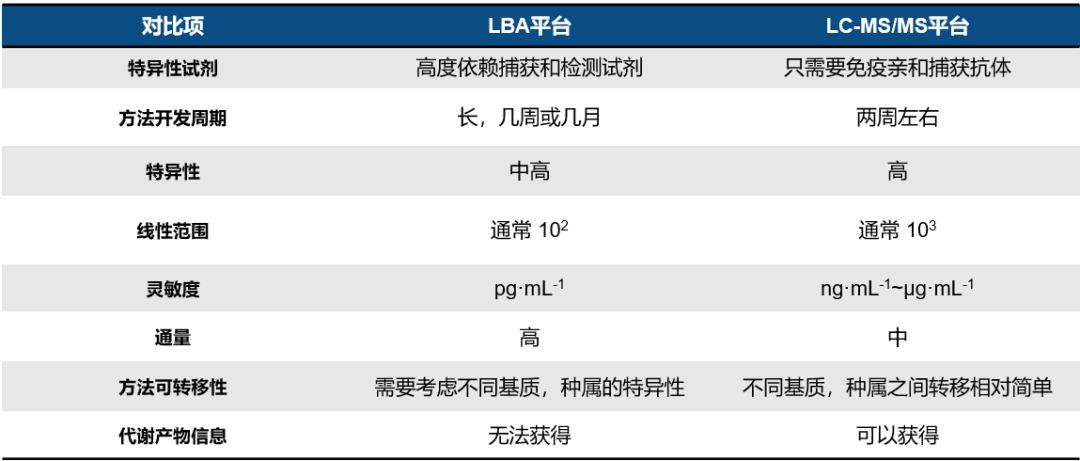
Table 2 Comparison of LBA and LC-MS/MS Platforms for Analyzing Antibody Components
0
5
Our Experience
WuXi AppTec’s bioanalysis department has extensive experience in the biological analysis of ADC drugs and has developed and validated various bioanalytical methods that comply with GLP regulations. Our internal analytical library includes various common toxins on the market such as MMAE, MMAF, SN38, DM4, Exatecan, DXD, and Camptothecin, with sensitivities reaching 10 pg/mL, fully meeting testing needs. For the determination of total antibodies and drug-conjugated antibodies, we have rich project experience on both the LBA and LC-MS/MS platforms. Notably, we have already developed methods on the LC-MS/MS platform that achieve sensitivities of 10 ng/mL for total antibodies and drug-conjugated antibodies. To shorten the method development cycle, we have established efficient method development processes and a diverse reagent library, allowing us to quickly complete method development in two weeks and method validation and sample analysis in four weeks, accelerating project timelines.
WuXi AppTec Testing Division Bioanalysis Department
The one-stop service platform of WuXi AppTec’s Testing Division Bioanalysis aims to provide comprehensive and professional bioanalytical solutions for global clients. The bioanalysis department has GLP laboratories in both China and the United States, relying on immunochemistry and mass spectrometry platforms and international quality standards to provide bioanalytical services for global clients’ new drug development projects. Over the years, the laboratory has passed comprehensive inspections by the National Medical Products Administration (NMPA), the U.S. Food and Drug Administration (FDA), the Organization for Economic Cooperation and Development (OECD), the European Medicines Agency (EMA), and the Pharmaceuticals and Medical Devices Agency (PMDA) of Japan multiple times. Our team has accumulated over 17 years of industry experience, with over 600 team members, providing comprehensive and systematic solutions for chemical drugs, biological drugs, oligonucleotides, gene and cell therapy drugs, assisting clients in successfully filing IND, NDA, and BLA for their drugs.
References
[1] Research and Consideration of Antibody-Drug Conjugates in Gastric Cancer Treatment. Xiao Lihai, Xia Gang, Wang Jiancheng et al., Biomedical Transformation [J] 2022, 3(1).
[2] Lu J; Jiang, F; Lu, A.; Zhang, G. Linkers Having a Crucial Role in Antibody–Drug Conjugates. Int. J. Mol. Sci. 2016, 17(4), 561.
[3]. Chari, R.V.J. Targeted cancer therapy: Conferring specificity to cytotoxic drugs. Acc. Chem. Res. 2008, 41, 98–107.
[4] Senter, P.D. Potent antibody-drug conjugates for cancer therapy. Curr. Opin. Chem. Biol. 2009, 13, 235–244.
[5] Senter, P.D. Potent antibody-drug conjugates for cancer therapy. Curr. Opin. Chem. Biol. 2009, 13, 235–244.
[6] Stephan JP, Chan P, Lee C et al. Anti-CD22-MCC-DM1 and MC-MMAF conjugates: impact of assay format on pharmacokinetic parameters determination. Bioconjug. Chem. 19(8), 1673–1683 (2008)
[7] Buckwalter M, Dowell JA, Korth-Bradley J et al. Pharmacokinetics of gemtuzumab ozogamicin as a signal-agent treatment of pediatric patients with refractory or released acute myeloid leukemia. J. Clin. Pharmacol. 44(8), 873-880(2004)
[8] Hussain A, Gorovits B, Leal M et al. Pharmacokinetics of immunoconjugate anti-cancer agent CMD-193 in rats: ligand binding assay based approach to determine in vivo immunoconjugate stability. Bioanalysis 6(1), 21-32(2013)
[9] Kaur S, Xu K, Saad Om, Dere RC et al. Bioanalytical assay strategies for the development of antibody drug conjugate biotherapeutics. Bioanalysis 5(2), 201–226 (2013)
[10] Alley SC, Benjamin DR, Jeffrey SC et al. Contribution of linker stability to the activities of anticancer immunoconjugate Bioconjug. Chem. 19(3), 759-765(2008).
[11] Gorovits B, Alley S, Bilic S et al. Bioanalysis of antibody–drug conjugates. AAPS ADC working group position paper. Bioanalysis 5(9), 997–1006 (2013).
WuXi AppTec Testing Division
WuXi AppTec Testing Division (Laboratory Testing Division, LTD) is a comprehensive testing platform for global drug development and medical devices, providing world-class integrated testing solutions, empowering scientists to transform their ideas into the best healthcare products, accelerating the translation from research to clinical application, benefiting the general public.
We provide integrated services for global submissions, integrating pharmacy, pharmacology, efficacy evaluation, safety evaluation, and bioanalysis to assist compounds in obtaining IND approval and achieving the next development milestone.
END

WuXi AppTec Testing Division
https://labtesting-cn.wuxiapptec.com