Previous Reviews
-
2023 Overview of Antibody Drug Industry Development
-
History of Monoclonal Antibodies, This Article is Enough!
-
Brief Discussion on the Mechanism of Action and Advantages/Disadvantages of Antibodies
-
How to Name Monoclonal Antibodies, Read This!
 Magic Bullet – ADC
Antibody-drug conjugates (ADC) are a class of targeted biological agents composed of an antibody, a linker, and a cytotoxic drug (payload), which efficiently transports cytotoxic drugs to target tumor cells using monoclonal antibodies as carriers, combining the powerful killing effect of traditional chemotherapy with the tumor-targeting ability of antibody drugs.
Three Key Components of ADC ADC typically consists of an antibody, a linker, and a cytotoxic drug (Figure 2).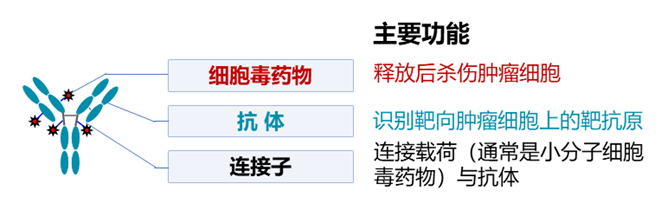 Figure 2 Schematic Diagram of ADC Drugs (Image Source: Public Data)
1
Antibody Component
Usually a specific monoclonal antibody,capable of recognizing and binding to specific antigens on the surface of cancer cells. Antibodies are classified into five types based on their heavy chain constant region sequences: Immunoglobulin M (IgM), IgD, IgG, IgE, and IgA. Among the five classes, an IgG subtype, IgG1, is most commonly used in cancer immunotherapy.Currently, most ADC drugs are based on the IgG1 scaffold due to its high affinity for target antigens and relatively long half-life in the bloodstream, which facilitates accumulation at tumor sites. Additionally, IgG1 exhibits relatively strong antibody-dependent cellular cytotoxicity (ADCC) and complement-dependent cytotoxicity (CDC), and is easy to produce. (Brief Discussion on the Mechanism of Action and Advantages/Disadvantages of Antibodies)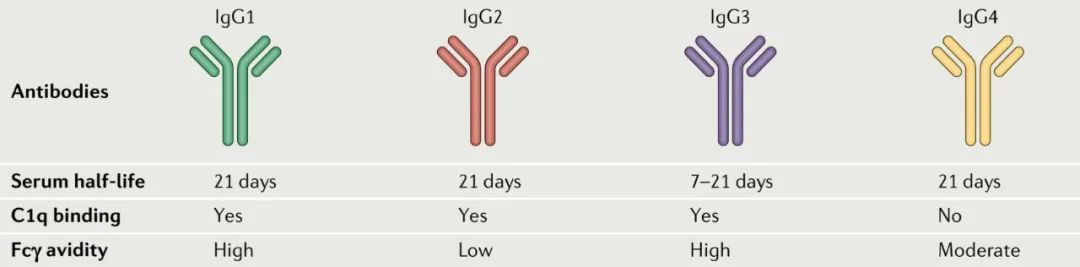
Figure 3 Comparison of Different IgG
(Image Source: Public Data)
2
Cytotoxic Drug Component
A small molecule drug with cytotoxicity, characterized by high toxicity and low immunogenicity, capable of killing cancer cells or preventing their proliferation.

Figure 4 Cytotoxic Drug of ADC
(Image Source: Public Data)
3
Linker Component
A chemical link that connects the antibody and the cytotoxic small molecule drug, which can becleavable or non-cleavable, determining the release method of the cytotoxic drug after reaching the cancer cell. When designing ADC drugs, considerations for the linker include: First, it must ensure good stability of the ADC in the bloodstream; second, it must ensure that the ADC can accurately release the effector molecules at the target location.
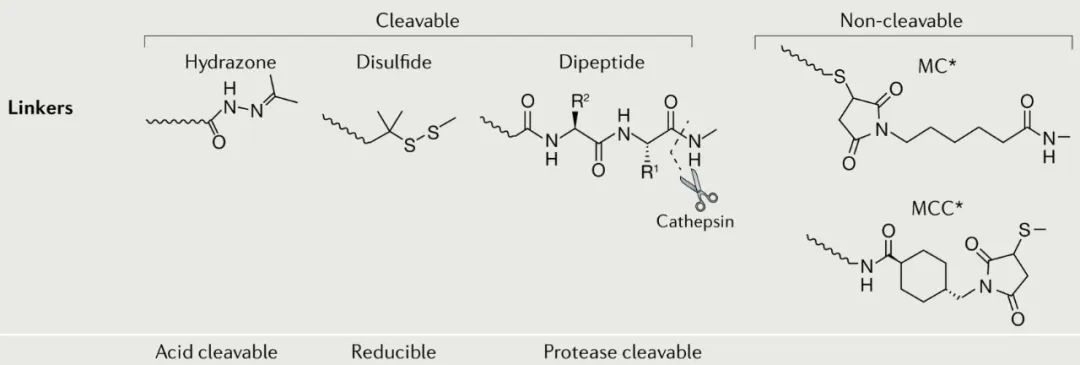
Figure 5 Linker of ADC Drugs
(Image Source: Public Data)
How Do ADC Drugs Work? Traditional cytotoxic drugs lack tumor targeting capability, while the specificity of antibodies can compensate for this deficiency. The antibodies in ADC drugs typically target antigens on the surface of tumor cells. Ideally, these antigens are highly expressed in tumor cells and low or not expressed in normal healthy tissues, achieving targeting. Therefore,ADC drugs can be considered as cytotoxic drugs equipped with “navigation”, guided by antibodies to direct cytotoxic drugs to tumor cells, reducing impact on normal cells, thus having a high efficacy and low toxicity, hence being called “magic bullets”.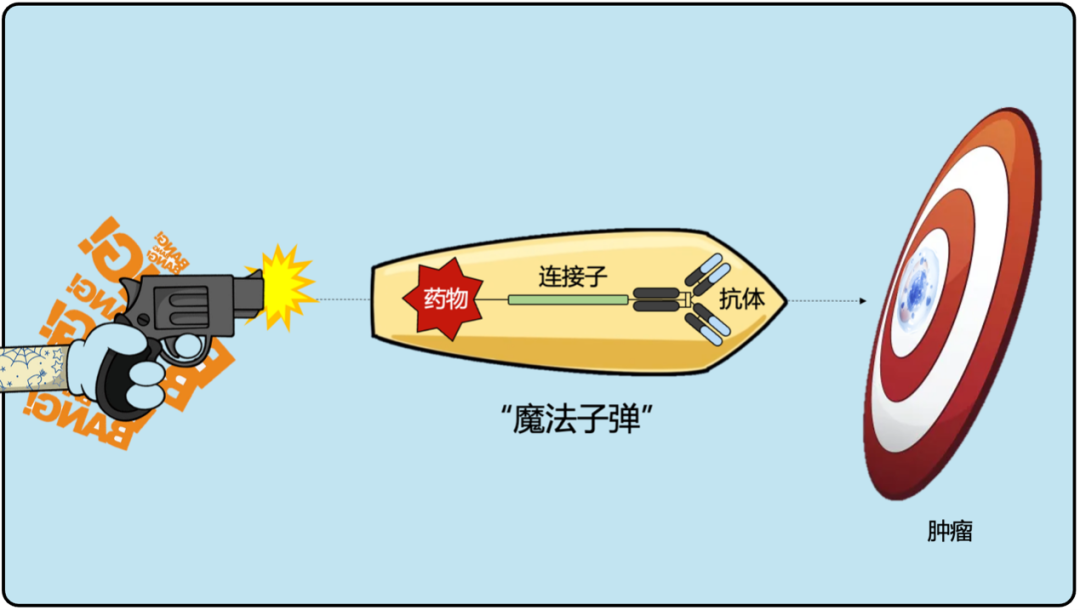
Figure 6 Linker of ADC Drugs
(Image Source: Public Data)
①Highly Specific and High Affinity Antibodies (Guidance System for Cytotoxic Drugs);
②Highly Stable Linkers (Bridges between Antibodies and Drugs, Controlling Drug Release within Cancer Cells);
③Highly Effective Small Molecule Cytotoxic Drugs (Projectiles that Destroy Cancer Cells).
After ADC drugs are infused into the bloodstream, they exert their effects in the body through the following steps (Figure 7):
-
Antibodies bind to specific antigens on the surface of cancer cells.
-
After binding, the antibodies internalize the ADC drug into the tumor cell through endocytosis.
-
The antigen-antibody-drug complex is delivered to the lysosomal chamber.
-
Inside the cell, the linker is cleaved by specific enzymes, releasing the cytotoxic agent.
-
The released cytotoxic drug kills the cancer cells.
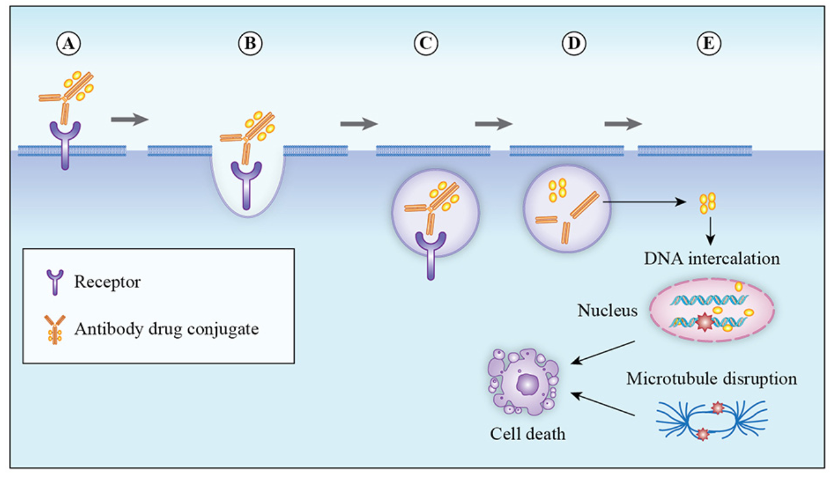
Figure 7 Mechanism of Action of ADC Drugs
(Image Source: Molecules. 2020, 25(20): 4764.)
An ideal ADC drug maintains stability in the bloodstream, accurately reaches the therapeutic target, and ultimately releases the cytotoxic drug near the target (such as cancer cells). To achieve the desired efficacy and safety of ADC drugs, five core elements must be comprehensively considered during ADC construction: Target, Antibody, Linker, Toxin, and Conjugation Method. More details in the next issue →
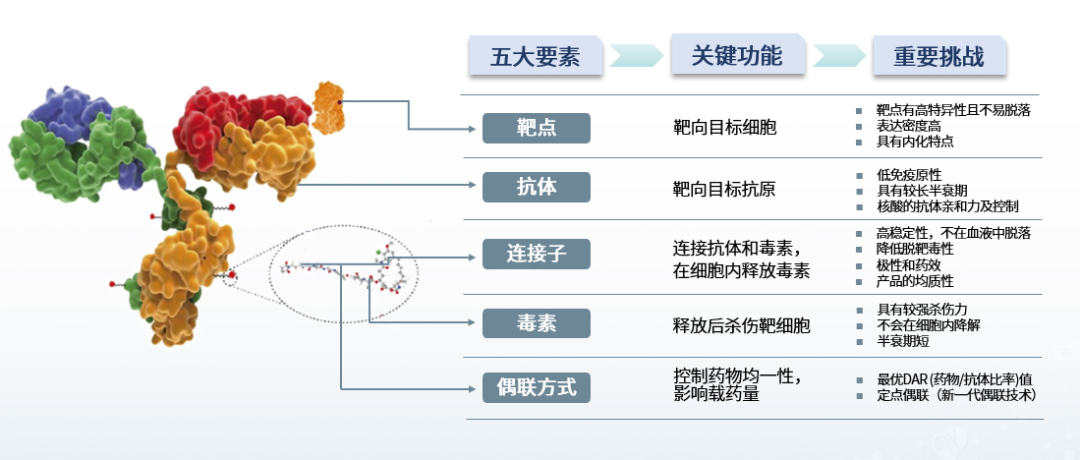
Figure 8 Five Core Elements for Constructing ADC Drugs
(Image Source: Public Data)
References:
1. ADC? Antibody-Drug Conjugates? Everything You Want to Know is Here
https://mp.weixin.qq.com/s/1GOQCu-pQRTduBrRHDXK9A
2. ADC Detailed Series Part One – Target Chapter
https://mp.weixin.qq.com/s/4EGSSZQNf1BqL59QDhr2ug
3. Comprehensive Overview of ADC Drug Development
https://mp.weixin.qq.com/s/0V45II4md60QPcVCyD0xgg
4. A Single Article to Clarify What ADC Drugs Are!
https://mp.weixin.qq.com/s/_wVLiTSxHm9PyTPlyK9njg
END Compiled and Edited by: Sesame Walnut Disclaimer: This article only represents the author’s personal views and does not represent any organization or this public account’s position. If there are any inaccuracies, please kindly point them out. If reprinting is needed, please indicate the author and source: Dandelion Biopharma.
Further Reading
Guidelines for Clinical Pharmacology Considerations of ADC (Including Global ADC Drug Market Overview)
ADC’s 2023 Highlights: Top 10 Events
What are T Drugs, B Drugs, and I Drugs in Antibody Drugs?