
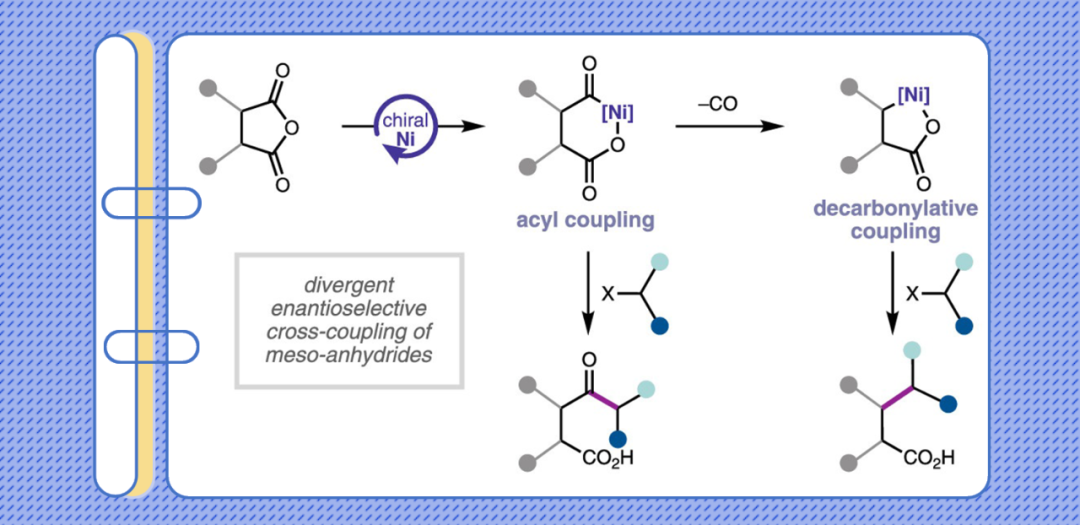
The nickel-catalyzed asymmetric reductive cross-coupling reaction can rapidly and modularly obtain enantiomer-rich building blocks from simple electrophilic precursors. The reductive coupling reaction can differentiate two different series of enantiomer-enriched products through a common organometallic intermediate, and this reaction has a particularly wide range of applications, but is underdeveloped. Here, the teams of Sarah E. Reisman from the California Institute of Technology and Matthew S. Sigman from the University of Utah introduce the development of a bis(oxazoline) ligand that enables the desymmetrization of meso anhydrides. When using secondary benzylic electrophiles, the catalyst controls three newly formed stereocenters to achieve diastereoselective acyl cross-coupling, generating ketone products. Additionally, in the presence of an additional halogen transfer catalyst, the use of primary alkyl halides for decarbonylative alkylation reactions yields enantiomer-rich β-alkanoic acids. Analysis of the reaction rates for a range of catalysts and substrates supports the notion that to improve reaction performance, adjustments must be made to the different electrophilic activation steps of the two catalysts. These studies illustrate how reaction design can differentiate common nickel acyl intermediates into acyl or decarbonylative coupling products, and emphasize how the bidentate ligand system can interact with unactivated alkyl halides in nickel-catalyzed asymmetric reductive coupling.
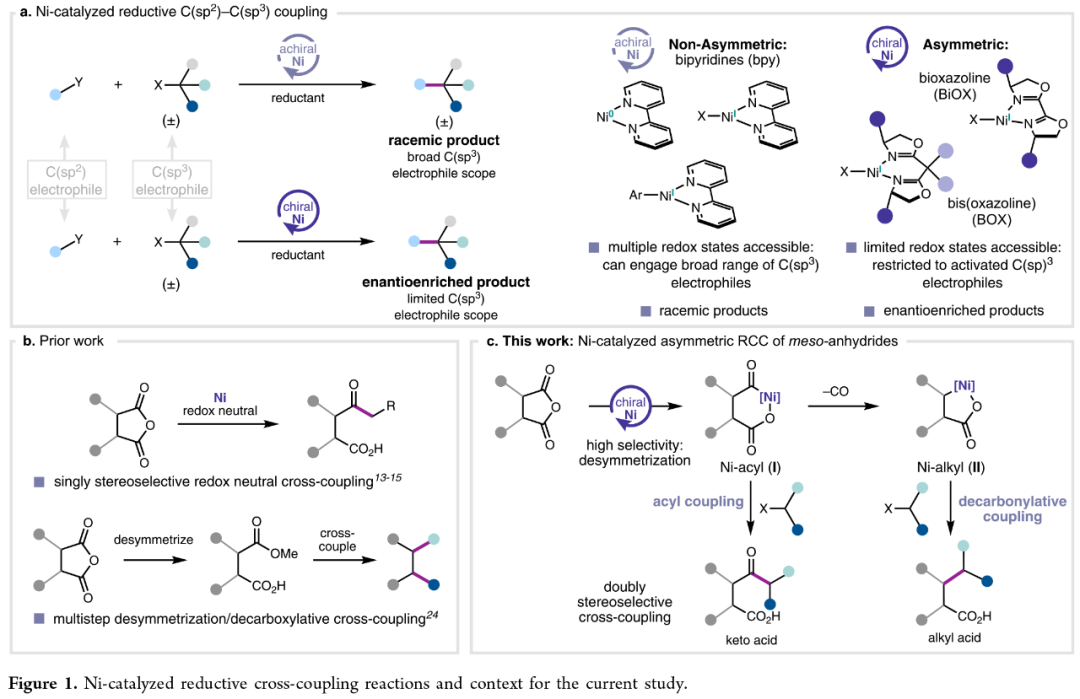
Figure 1. Nickel-catalyzed reductive cross-coupling reaction and its research background (Image source: J. Am. Chem. Soc.)
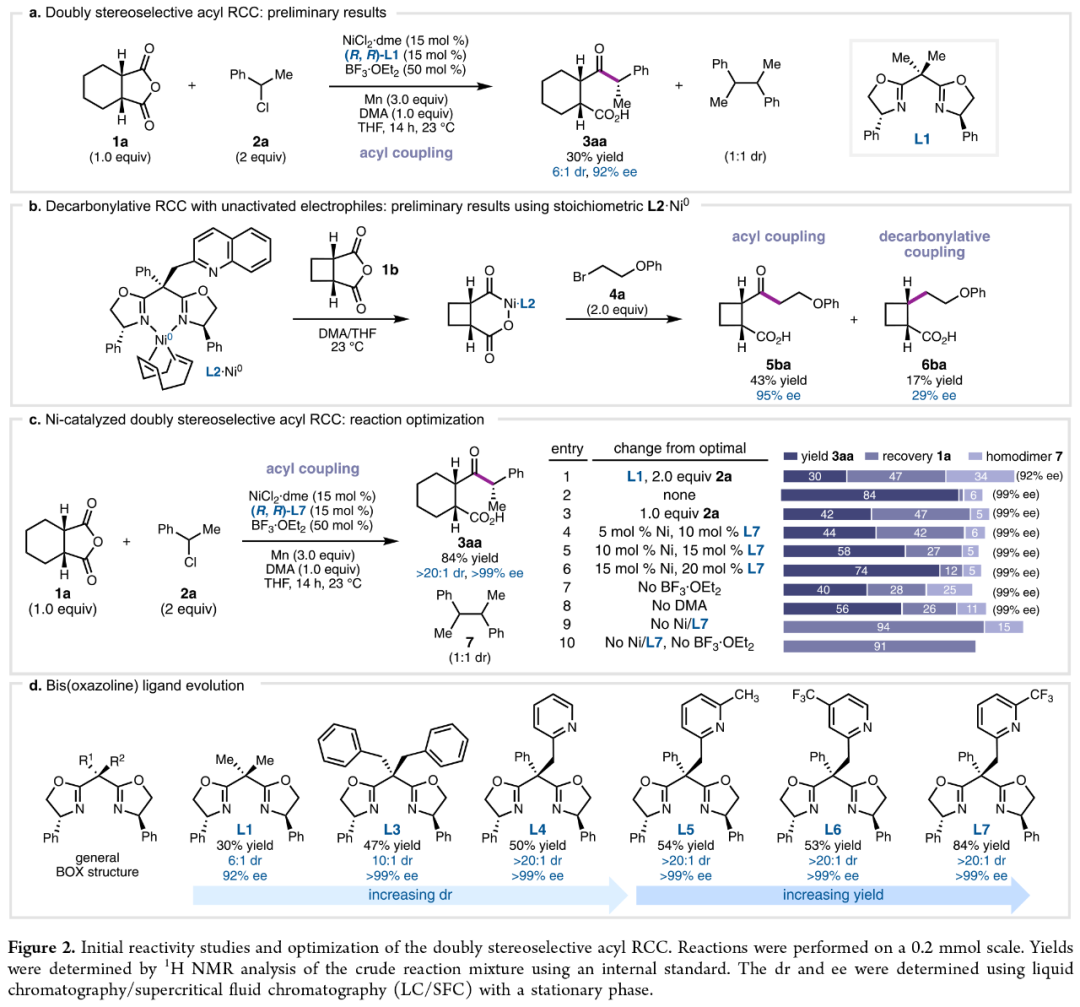
Figure 2. Preliminary reactivity studies and optimization (Image source: J. Am. Chem. Soc.)
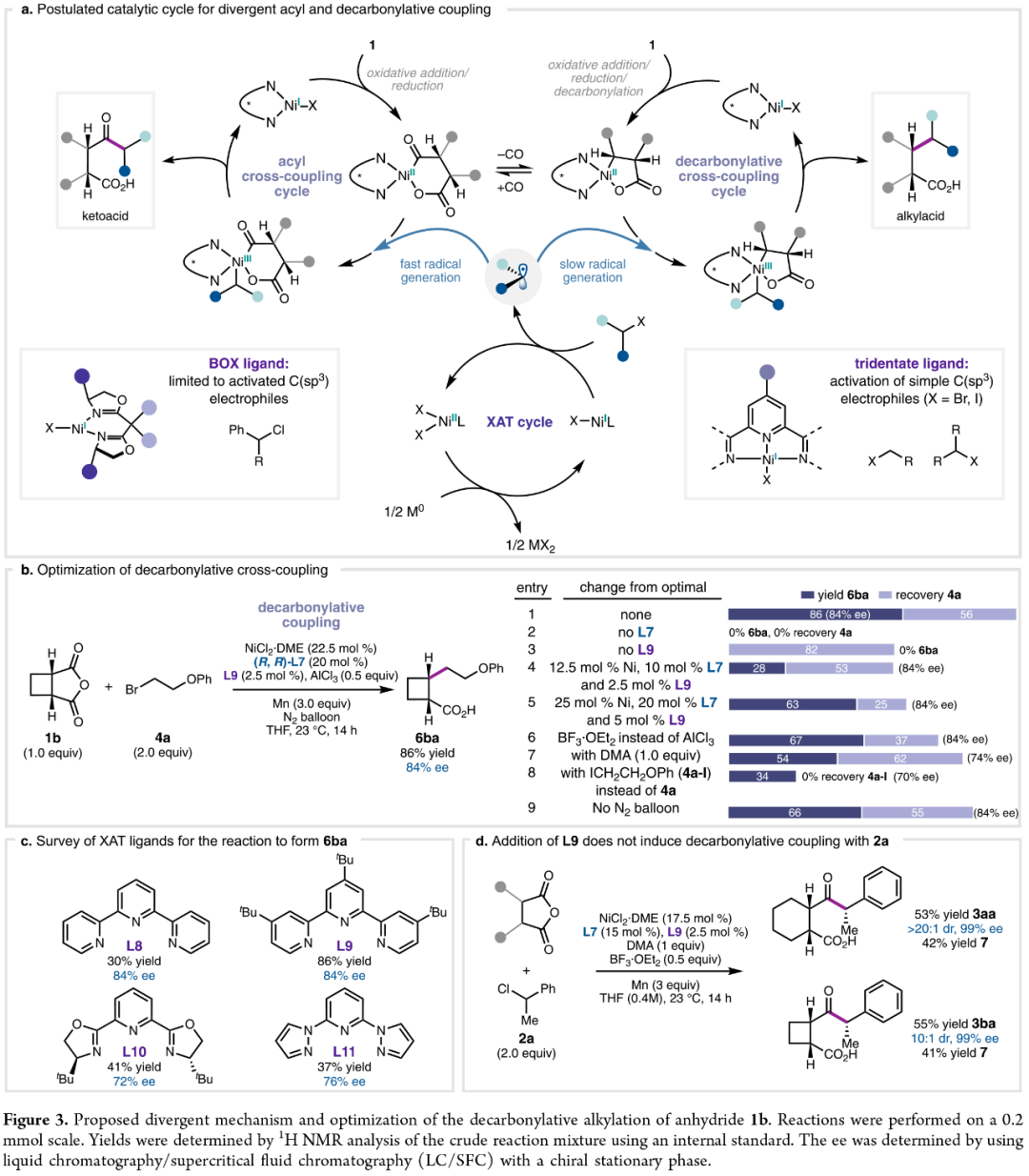
Figure 3. Proposed dispersive mechanism and optimization (Image source: J. Am. Chem. Soc.)
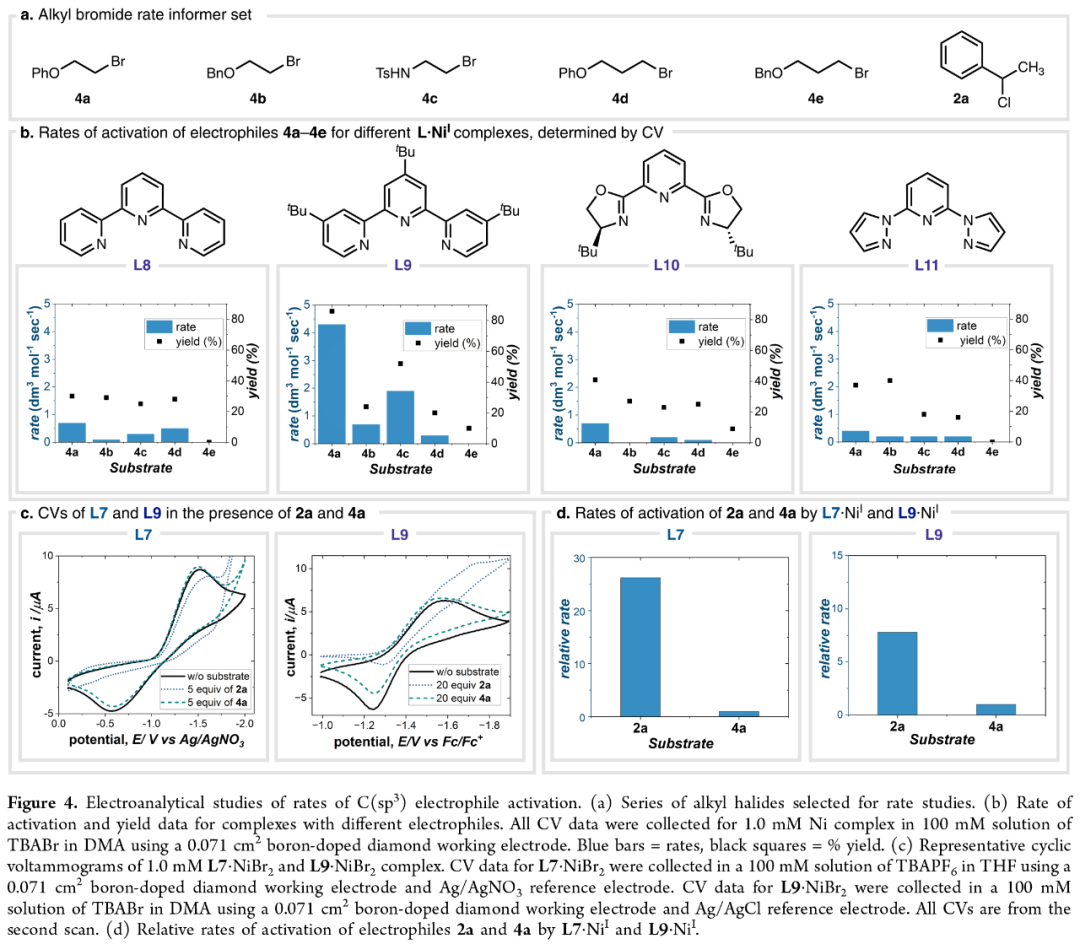
Figure 4. Electroanalytical studies (Image source: J. Am. Chem. Soc.)
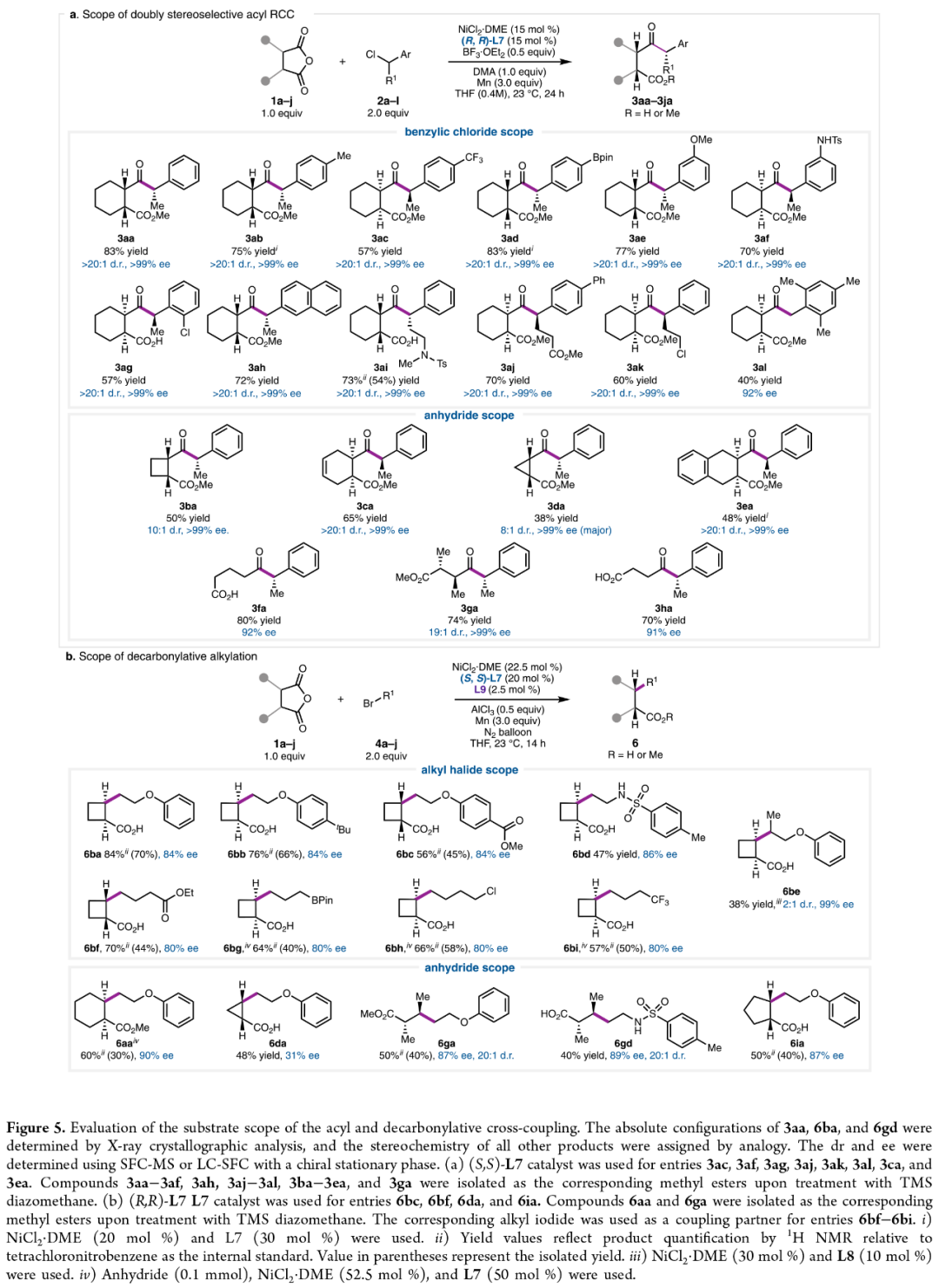
Figure 5. Assessment of substrate scope (Image source: J. Am. Chem. Soc.)
Long press to identify and read the original text

Paper Information
Ángel D. Hernández-Mejías, Alexander M. Shimozono, Avijit Hazra, Sven Richter, Zhengjia Tong, Neil F. Langille, Kyle Quasdorf, Andrew T. Parsons, Matthew S. Sigman*, Sarah E. Reisman*. Ni-Catalyzed Enantioselective Desymmetrization: Development of Divergent Acyl and Decarbonylative Cross-Coupling Reactions. J. Am. Chem. Soc., 2025, https://doi.org/10.1021/jacs.4c14767.

Red envelope activities, submissions, reprints, cooperation, etc.
Add WeChat: ChemBeanGo101