
from J. Am. Chem. Soc.
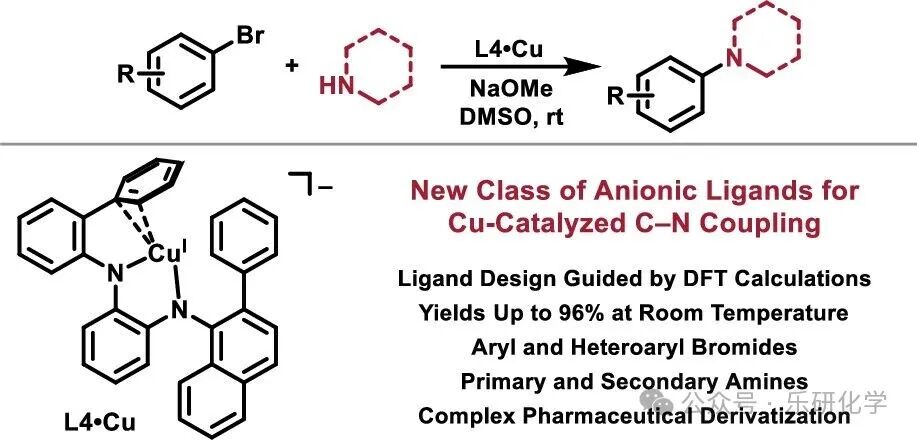
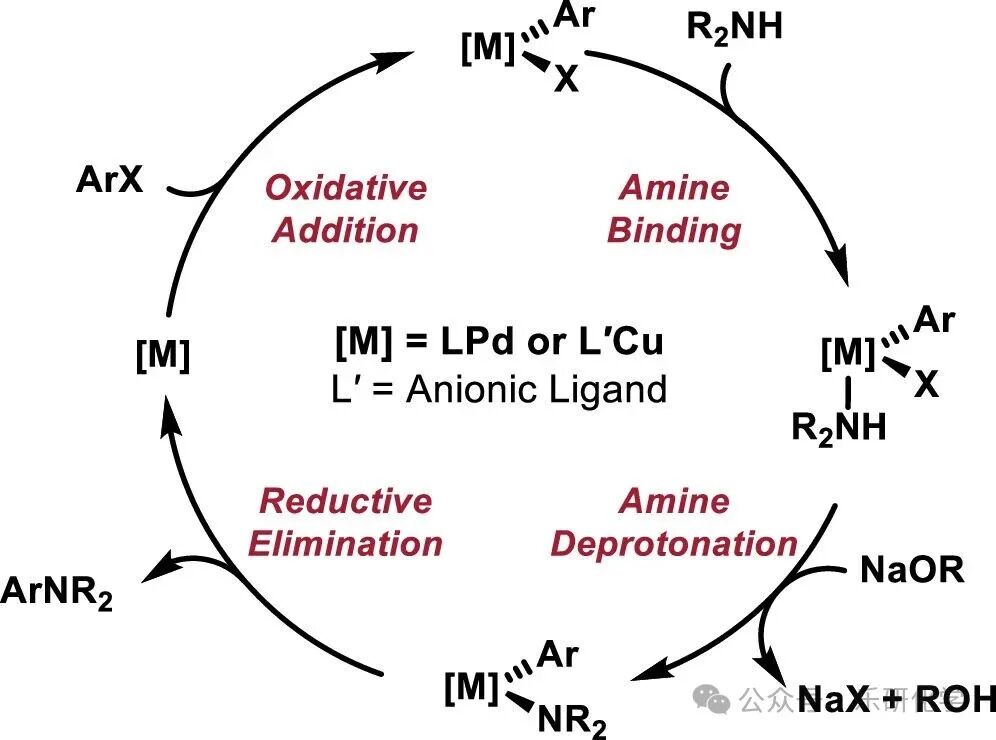
Hello, everyone! Those who often work in medicinal chemistry know that Cu-catalyzed Ullmann coupling, while a substitute for Buchwald coupling, has not been as effective due to the difficulty of Cu oxidation addition. Upon reflection, electron-rich ligands are beneficial for oxidation addition, and previous neutral ligands were clearly insufficient. So why not try anionic o-phenylenediamine ligands?
o-Phenylenediamine Ligands — Cu-Catalyzed Room Temperature C-N Coupling
01
Mechanism
LEYAN.COM
02
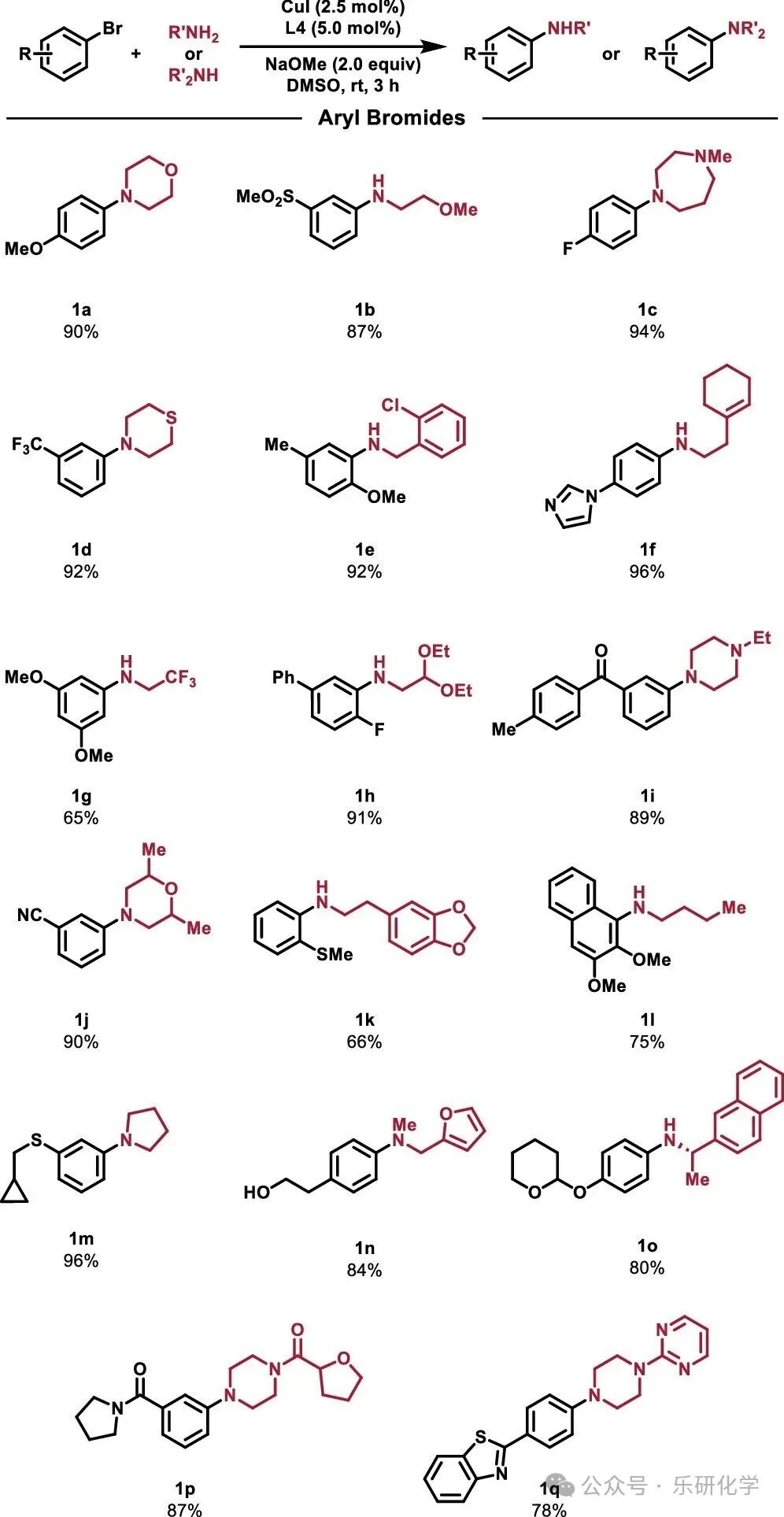
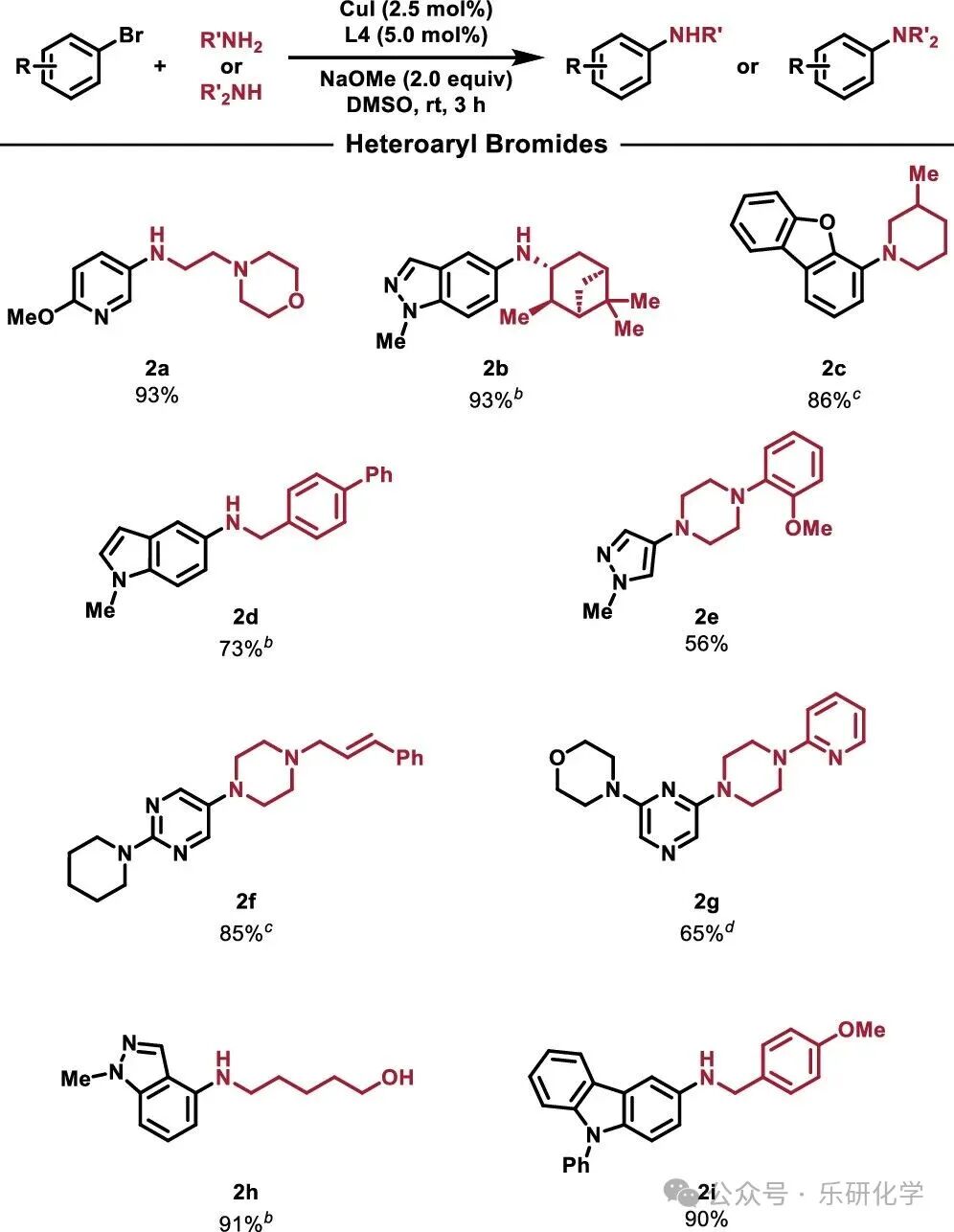
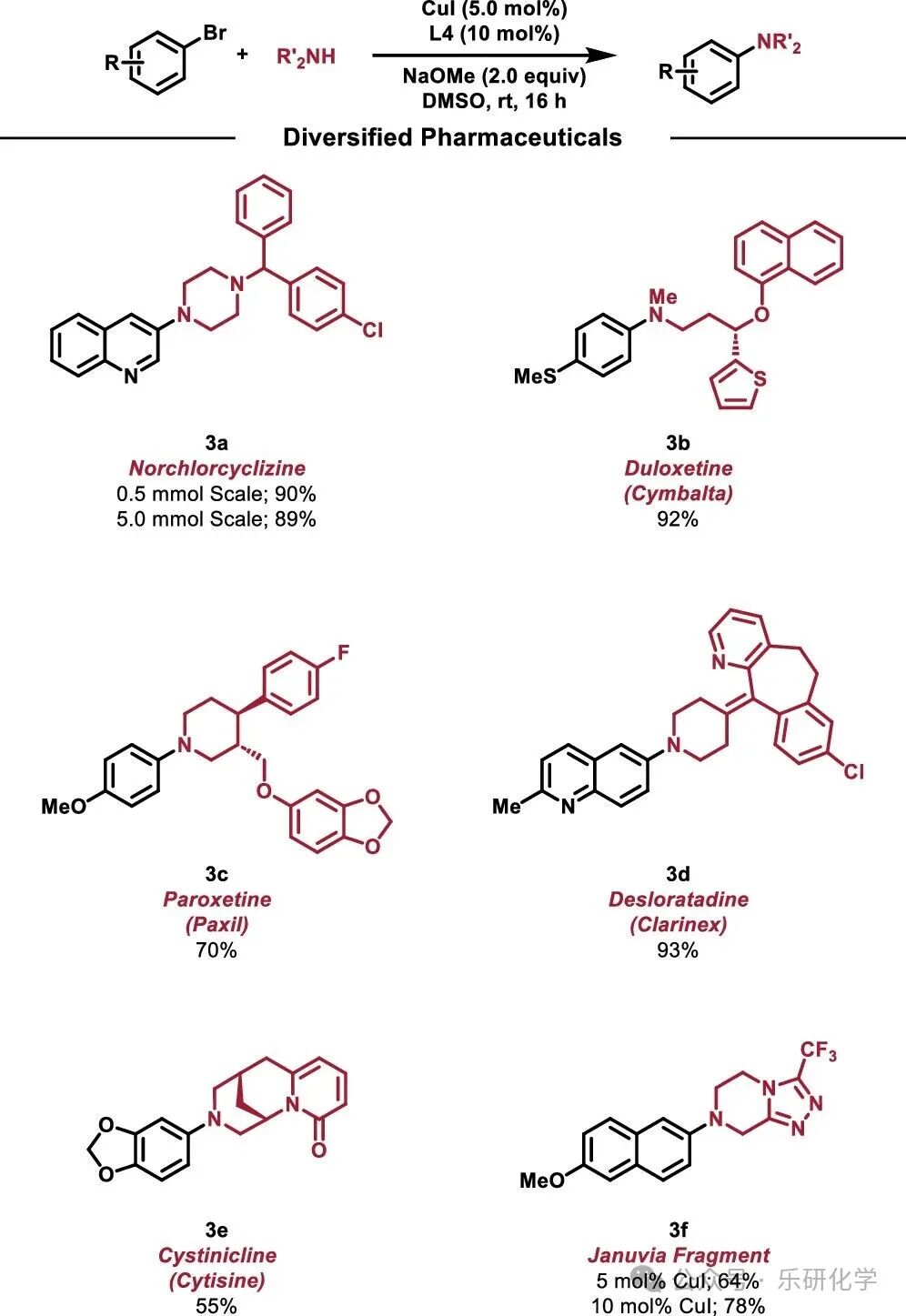
Substrate Expansion
LEYAN.COM
03
Highlights
LEYAN.COM
[1] The Stephen L. Buchwald research group developed aryl o-phenylenediamine as a ligand, achieving Ullmann C-N coupling of aryl bromides with aliphatic amines at room temperature;
[2] This method has a wide substrate scope, including but not limited to aryl bromides such as benzene, pyridine, pyrimidine, pyrazine, indole, indazole, pyrazole, carbazole, naphthalene, and quinoline;
[3] The method exhibits good functional group tolerance, accommodating sensitive functional groups such as alcohols, aldehydes, alkenes, and benzylic groups, and the electronic nature of substituents on the aromatic ring has little effect on the reaction, allowing reactions to proceed in the presence of both electron-withdrawing and electron-donating groups;
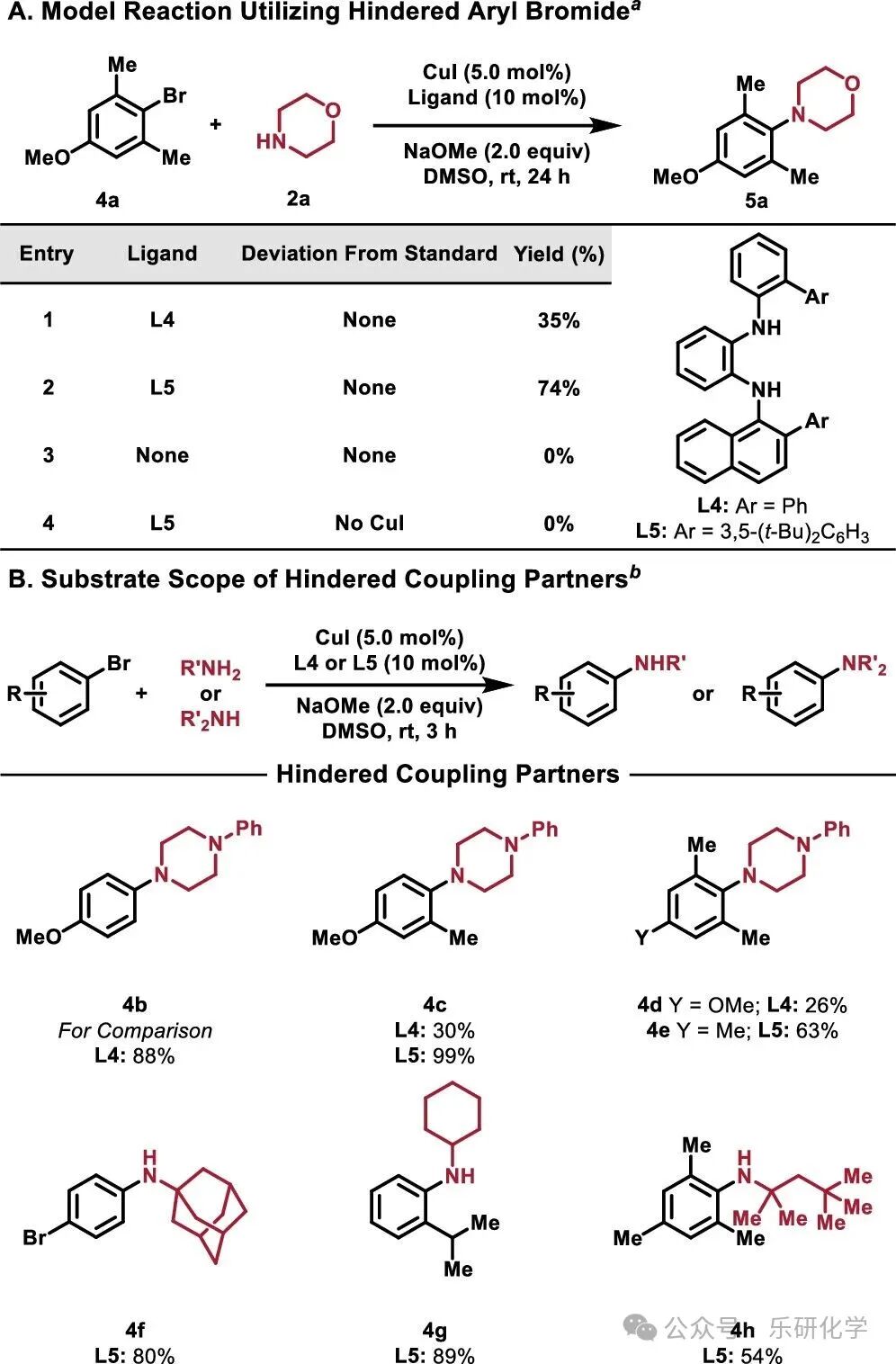
[4] Notably, this method shows good steric tolerance compared to other Ullmann couplings, allowing for the transformation of bulky aliphatic amines or ortho-substituted aryl halides;
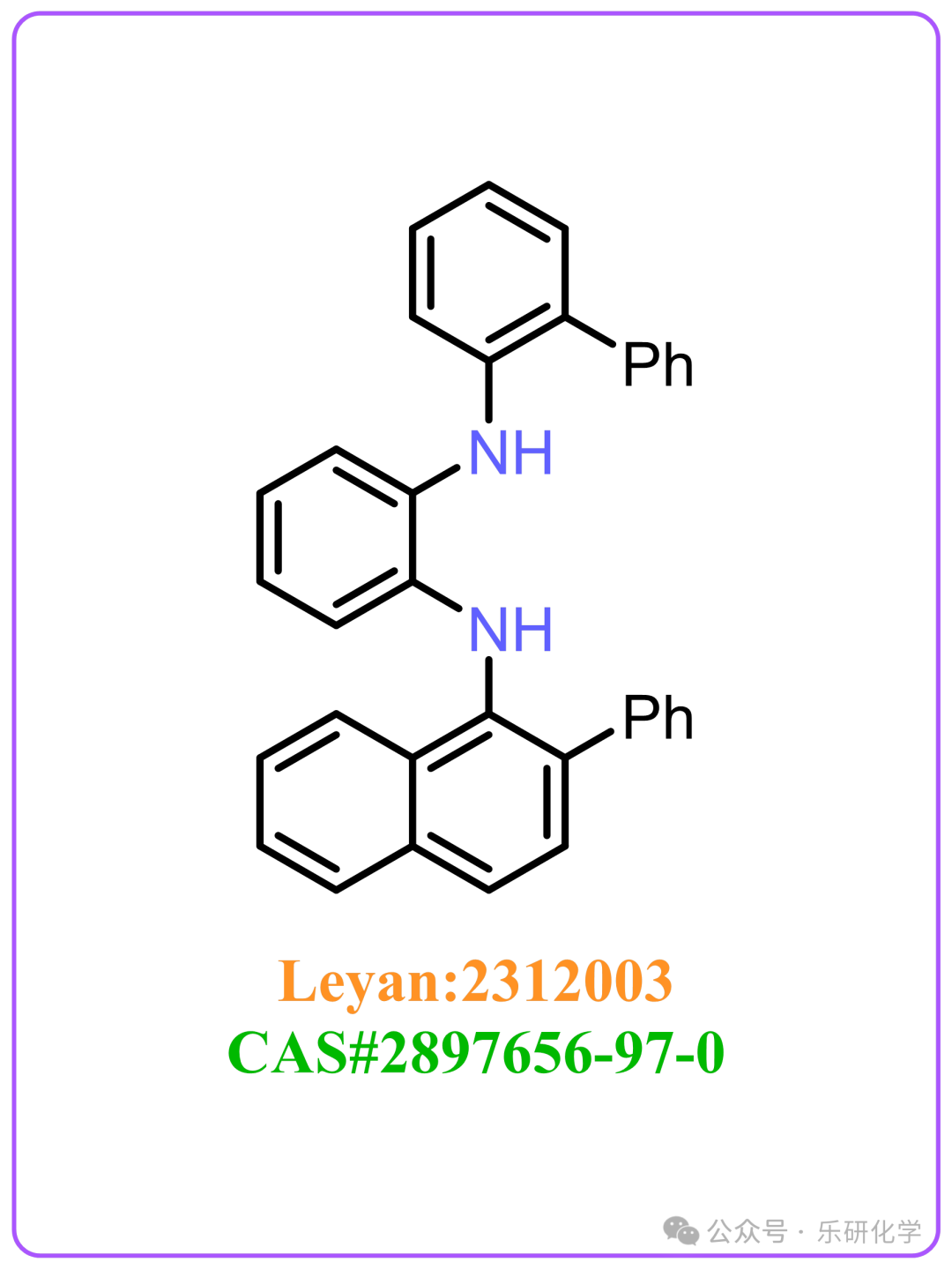
[5] The ligand used in the reaction is a commercially available reagent, readily available from LEYAN.
04
References
LEYAN.COM
Room-Temperature Cu-Catalyzed Amination of Aryl Bromides Enabled by DFT-Guided Ligand Design
Seoung-Tae Kim, Michael J. Strauss, Albert Cabré, Stephen L. Buchwald
J. Am. Chem. Soc. 2023, 145, 12, 6966–6975
DOI: 10.1021/jacs.3c00500