Recently released data on China’s electricity consumption for July 2025 shows that the total electricity consumption in our country reached 1,022.6 billion kWh, a year-on-year increase of 8.6%. This is the first time in history that a single country has exceeded 1 trillion kWh in a month, setting a new height in the history of human electrification.
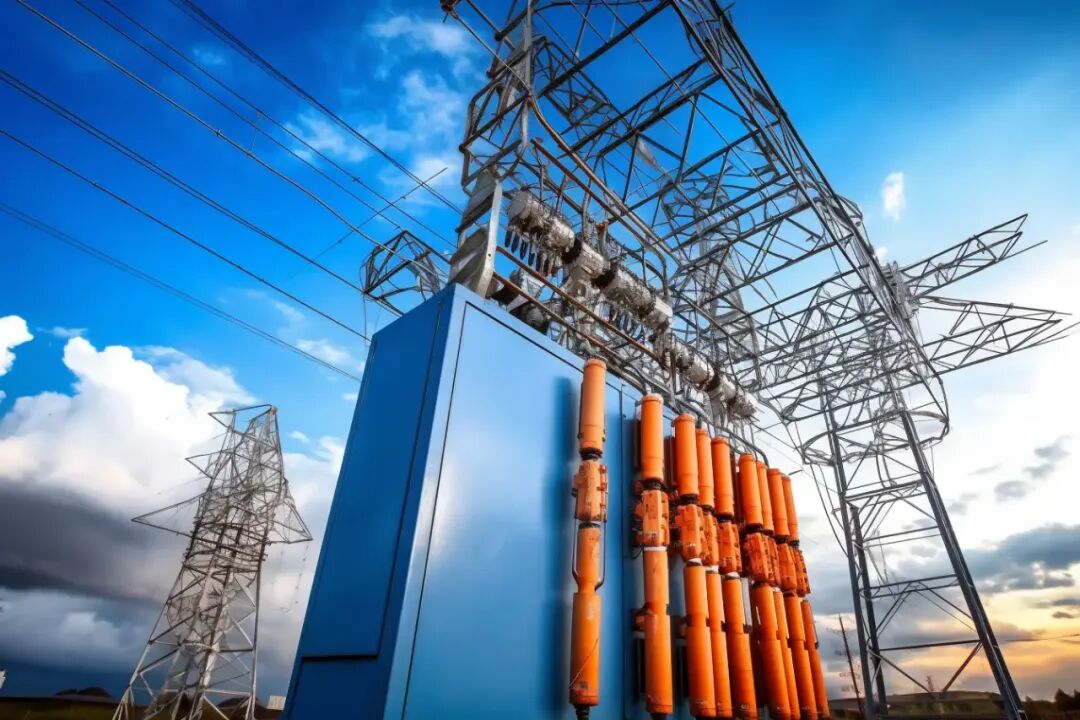
The continuous improvement of electrification means that modern social life and production require a strong power system support. From traditional power sources like thermal and hydroelectric power to new energy green power, the generation methods are undergoing profound changes. Under the dual carbon goals, renewable energy generation has become the key to sustainable development. With photovoltaic and wind power as the main sources, new energy power is limited by the fluctuating characteristics of “depending on the weather,” making energy storage a necessary choice for continuous output. Among various energy storage technology routes, hydrogen storage, with its long duration, high energy density, and green zero carbon characteristics, can be seen as a new generation method, and hydrogen power may become a new concept of power resource.
AEM, the Powerful Driver of Large-Scale Hydrogen Power
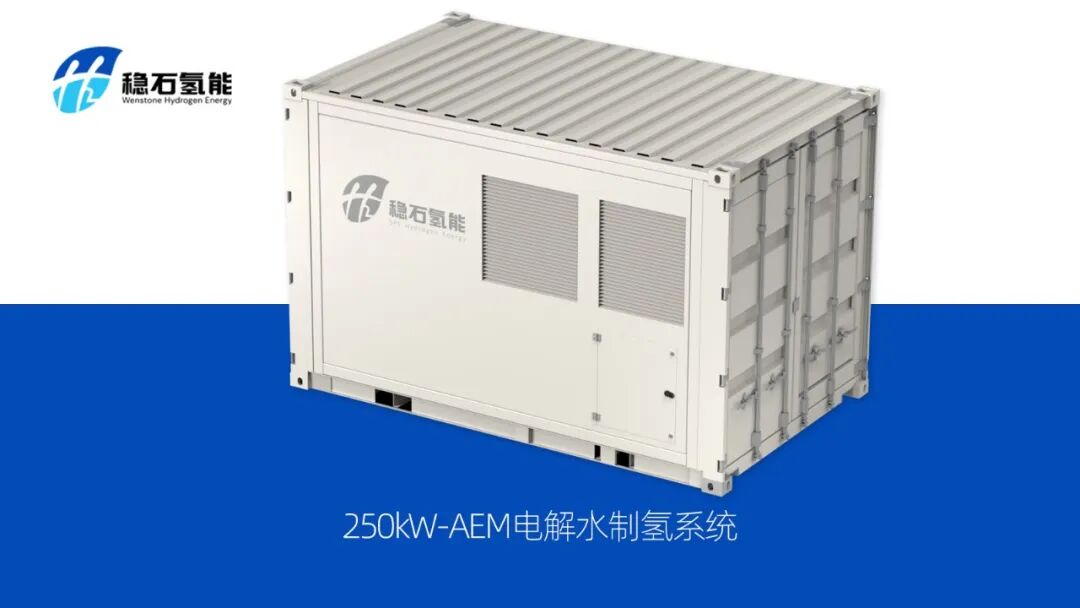
With low cost, high efficiency, and deep adaptation to new energy fluctuating power characteristics, AEM has unique advantages in producing green hydrogen from green electricity. By deploying large-scale AEM hydrogen production systems, a significant amount of green hydrogen can be produced, which can solve the issues of wind and solar power curtailment and utilize surplus electricity. The produced green hydrogen can supply hydrogen-oxygen power generation units, achieving zero carbon green hydrogen power generation.
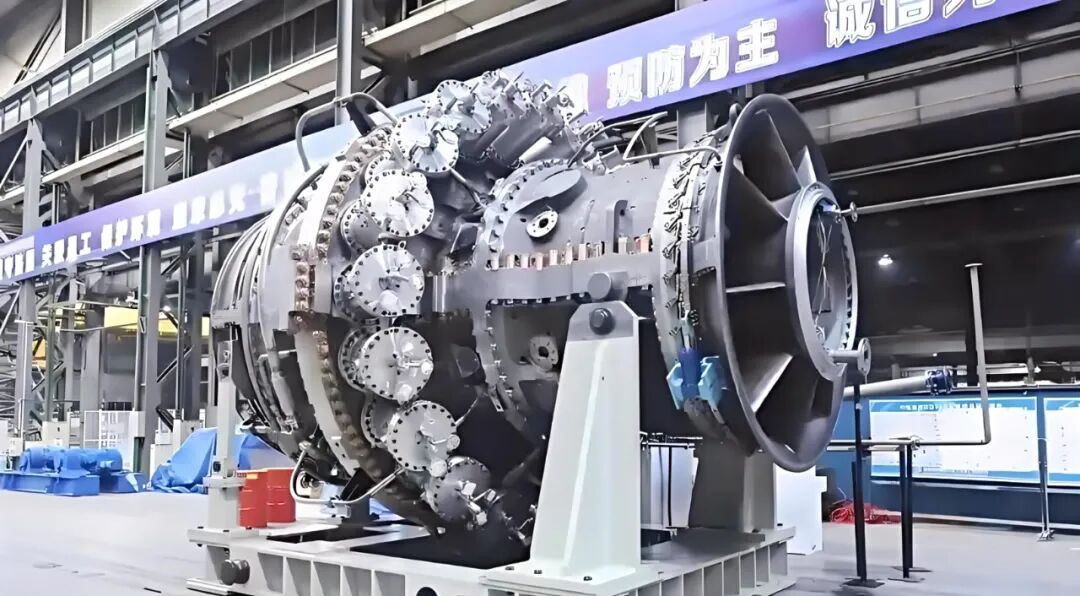
Conventional hydrogen-oxygen power generation units are designed as internal combustion systems, using high-temperature gases produced by hydrogen-oxygen combustion to directly drive turbine rotation, ultimately converting mechanical energy into electrical energy through generators. Due to the rotating machinery power generation, its principle and output characteristics are similar to thermal power, which can not only provide stable power to the grid but also has a certain rotational inertia, effectively smoothing grid frequency fluctuations and ensuring safe and stable operation of the grid. This form of power generation can complement renewable energy power such as wind and solar, enhancing grid stability while significantly reducing carbon emissions, achieving a win-win situation.

SOC, the Answer to the Electric-Hydrogen-Electric System
Solid Oxide Electrolysis Cells (SOEC) are the reverse process of Solid Oxide Fuel Cells (SOFC). By electrolyzing water vapor or other compounds at medium to high temperatures (600-1000℃), they convert electrical and thermal energy into hydrogen and other energy sources. The biggest feature of this technology is its reversible operation, which can also be understood as bidirectional operation. In the SOEC process, applying electricity can achieve hydrogen production, completing the conversion from electricity to hydrogen. When power supply is needed, simply running the system in reverse can complete the feedback process from hydrogen to electricity (SOFC).
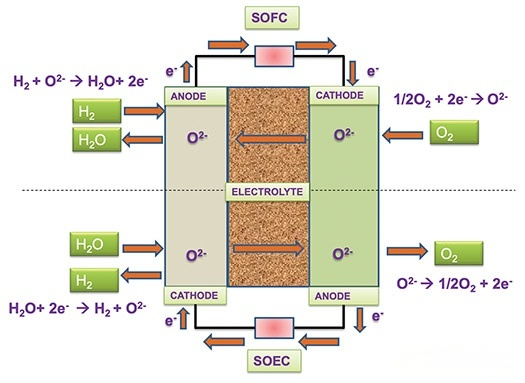
The entire electric-hydrogen-electric closed loop can be achieved with a single set of equipment (SOEC/SOFC), effectively avoiding energy losses during conversion between multiple systems and improving overall energy utilization efficiency. For example, in a factory with distributed photovoltaic systems coupled with SOEC systems, high-quality waste heat can be recovered for heating or hot water, achieving an overall energy utilization rate of 85%-90%.


With the deep implementation of the dual carbon goals, clean energy has become a consensus for energy use in a low-carbon society. On one hand, the government’s increasing support for green energy will bring benefits to the development of hydrogen power. On the other hand, continuous breakthroughs in technology and new material research are accelerating the process of “reducing costs and increasing efficiency” in the hydrogen energy industry, further promoting the large-scale commercialization of hydrogen power.
As a representative of new hydrogen production technology, the commercially available AEM and the SOC with huge commercial potential have begun to show their prominence in the rapidly growing hydrogen energy industry.
Written by: Hou Hongliang
Images from the internet
 Previous Recommendations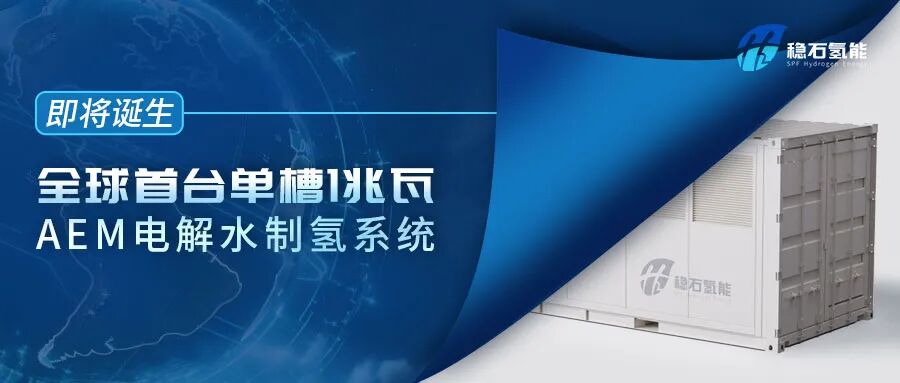
Coming Soon | The World’s First Single-Slot 1 Megawatt AEM Electrolyzer for Hydrogen Production
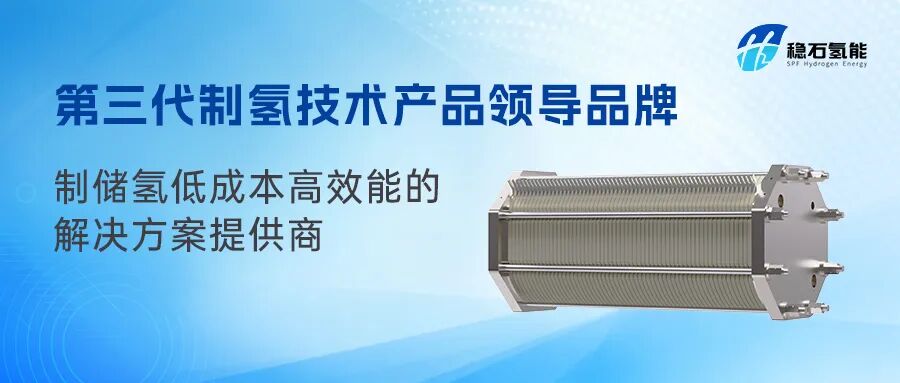
Stable Hydrogen Energy – Leading Brand of Third-Generation Hydrogen Production Technology Products