Follow “Electronic Engineering Magazine” and add the editor on WeChat
Regional groups are now open. Please send a message with 【Shenzhen】【Shanghai】【Beijing】【Chengdu】【Xi’an】 to the public account
Want to know how a breathable belt sensor works, or want to design one yourself? This quick guide will help you master the principles of sensing and the basics of circuits. Whether you are a hobbyist, a student, or an engineer exploring wearable health technology, you will gain practical insights to start your own design journey.
Diaphragmatic breathing, also known as abdominal breathing, is a breathing method that expands the abdomen through deep inhalation, allowing the lungs to fully expand. This method utilizes the diaphragm— a dome-shaped muscle located at the base of the lungs— which contracts downward during inhalation to create space for lung expansion and relaxes upward during exhalation to expel air.
In contrast, chest breathing (also known as thoracic breathing or shallow breathing) relies on the upper chest muscles, resulting in shorter and less efficient breaths, limiting oxygen intake and often leading to stress and tension. Studies have shown that diaphragmatic breathing can lower heart rate and blood pressure, promote relaxation, and improve overall breathing efficiency.
Wouldn’t it be great if we could measure our breathing movements, capture our breathing state in real-time, and receive meaningful feedback? The breathable belt sensor is a simple and effective solution. It detects changes in the diameter of the chest or abdomen during breathing and converts that movement into a voltage signal for recording and analysis, allowing for the assessment of breathing patterns, frequency, and depth.
First, note that while piezoelectric, inductive, capacitive, and strain gauge sensors are commonly used for breathing monitoring, this article focuses on a more accessible alternative: conductive rubber wire and stretch sensors. These materials provide a low-cost, flexible solution for detecting abdominal or chest expansion, making them ideal for DIY projects, classroom experiments, and basic biofeedback systems.
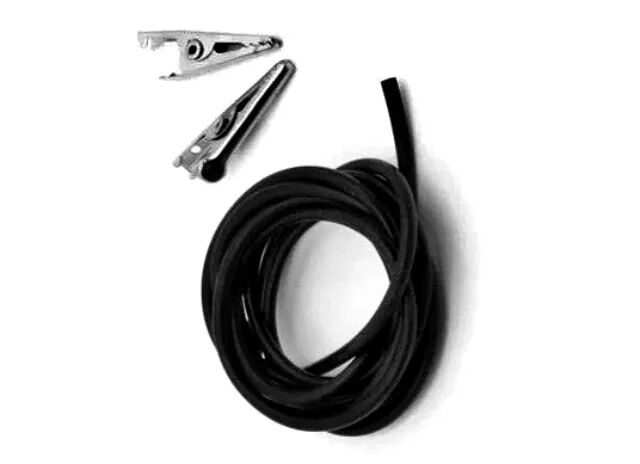
Figure 1: A universal 2mm diameter conductive rubber wire stretch sensor kit, simplifying the assembly of the breathable belt.(Source: Author)
It has been observed that the standard 2mm conductive rubber wire commonly found in the electronics hobbyist market has a resistance of about 140 to 160Ω per centimeter. This characteristic makes it suitable for creating a breathable belt that generates voltage in response to changes in chest or abdominal circumference during breathing.
Next, firmly adhere the flexible sensing element— the conductive rubber wire— to the inner side of a fabric strap of appropriate size to create the sensor. When in use, wrap it around the body and wear it in the area where breathing expansion is most noticeable.
Design parameter description: This carbon black-doped conductive rubber wire has a resistance of about 140Ω/cm in its relaxed state. During stretching, the distance between conductive particles increases, resulting in a proportional increase in resistance.
Once the external force is removed, the rubber will gradually return to its original length, but not immediately. Full recovery may take one to two minutes, depending on the material and environmental conditions. Typically, this wire can be stretched to more than 50% to 70% of its original length, but it must remain within this range to avoid damage. For example, a 15cm long conductive rubber wire should not be stretched beyond 25 to 26cm.
Note that the characteristics of this conductive rubber wire stretch sensor are not completely linear. Its resistance may vary due to batch differences, making it most suitable for general sensing of stretching movements rather than precise measurements.
To accurately interpret the signals, a custom circuit that can reasonably respond to changes in the length of the rubber wire must be employed; otherwise, the data obtained will be unreliable. The output connector of the adapter electronic circuit should provide a voltage proportional to the degree of stretching of the sensing element.
Honestly, this article will not delve into the mechanical structure of the breathable belt sensor, although using conductive rubber wire in circuits is relatively straightforward. However, both mechanical and electrical connections can be somewhat tricky.
The following diagram shows the proposed electronic circuit for the resistive stretch sensor front end (clearly not the final appearance). This circuit has been optimized for voltage scaling and linearization to produce an analog output suitable for most microcontroller ADCs.
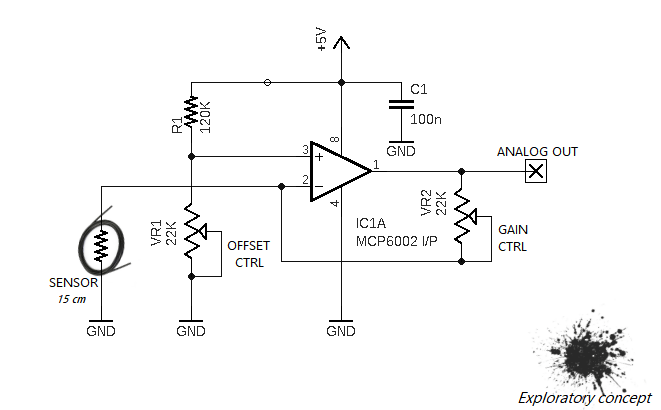
Figure 2: The suggested sensor front-end circuit presents a simplified analog approach.(Source: Author)
At this point, the design scheme for the breathable belt sensor (commonly known as the breathing belt) has been clearly presented. It includes a resistive stretch sensor for detecting changes in chest or abdominal expansion during breathing. As the breathable belt stretches, the system generates an analog output voltage that varies within a specified range. This voltage is approximately proportional to the amount of stretch, providing a continuous signal that reflects the breathing pattern.
Additional note: Proportional output means that the sensor output voltage varies in proportion to its supply voltage. In other words, the output signal changes with the supply voltage itself, so any fluctuations in the supply voltage will cause corresponding changes in the output. This characteristic is common in unamplified sensors, where the output is typically expressed as a percentage of the supply voltage.
Before concluding, I just discovered another resistive strain sensor worth mentioning: Yamaha’s GummiStra. This is a rubber-like stretchable sensor capable of detecting strains from small to large, both statically and dynamically (it can stretch up to twice its original length). You can visit Yamaha’s technical page for detailed performance information.
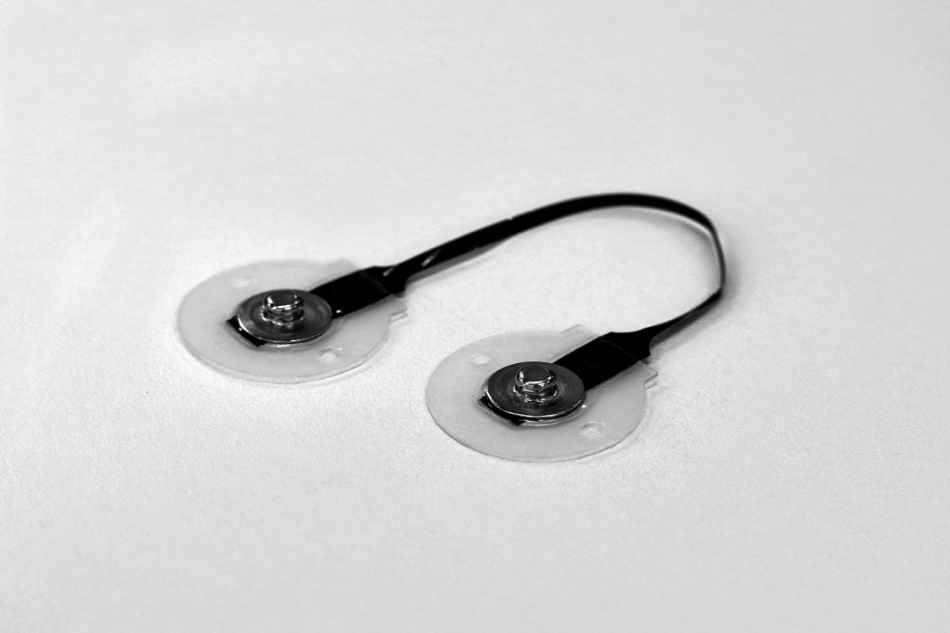
Figure 3: GummiStra opens up new applications for resistive stretch sensing in wearable devices, robotics, and structural health monitoring.(Source: Yamaha)
We will pause here. What unique insights do you have on the design of breathable belt sensors? Feel free to share your thoughts or questions in the comments section.
(Editor: Franklin)
THE END
Follow “Electronic Engineering Magazine” and add the editor on WeChat
Regional groups are now open. Please send a message with 【Shenzhen】【Shanghai】【Beijing】【Chengdu】【Xi’an】 to the public account