Click the blue text
Follow us

1. Shenzhen’s Global Position and Development Background in Consumer 3D Printing
1.The Origin and Early Landscape of 3D Printing Technology: Originating in the 1980s in the United States, it primarily served high-end fields such as aerospace and medical, dominated by European and American manufacturers, with high equipment prices and complex operations.
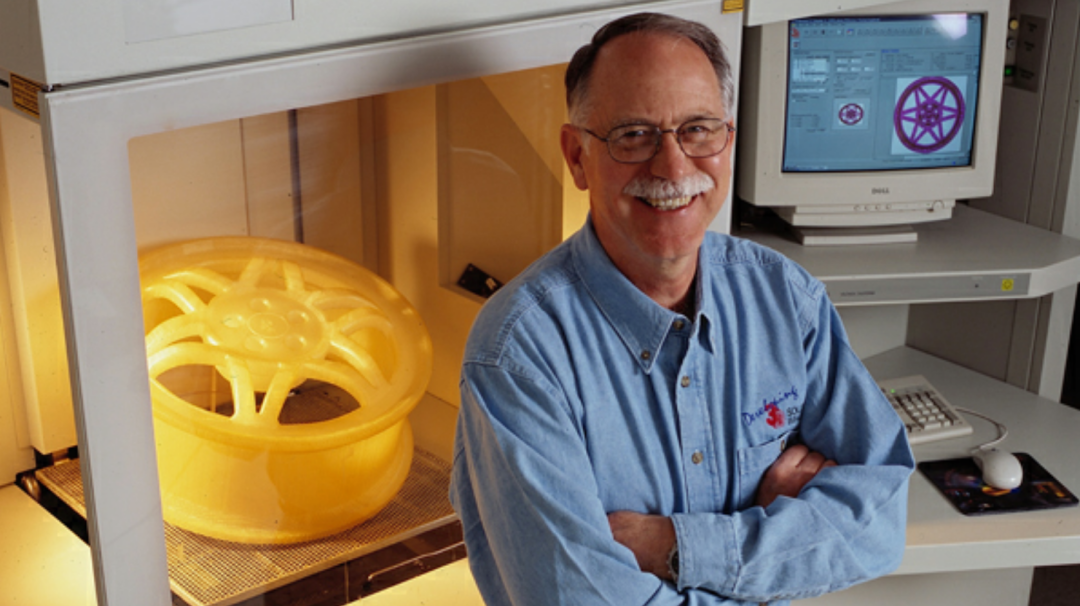
▲ Father of 3D Printing: Charles W. Hull
2.Opportunities for Consumer 3D Printing Emerge: In 2005, the UK released open-source designs for 3D printers, lowering industry barriers, with European and American companies reducing prices to several thousand dollars, but the market remained niche.
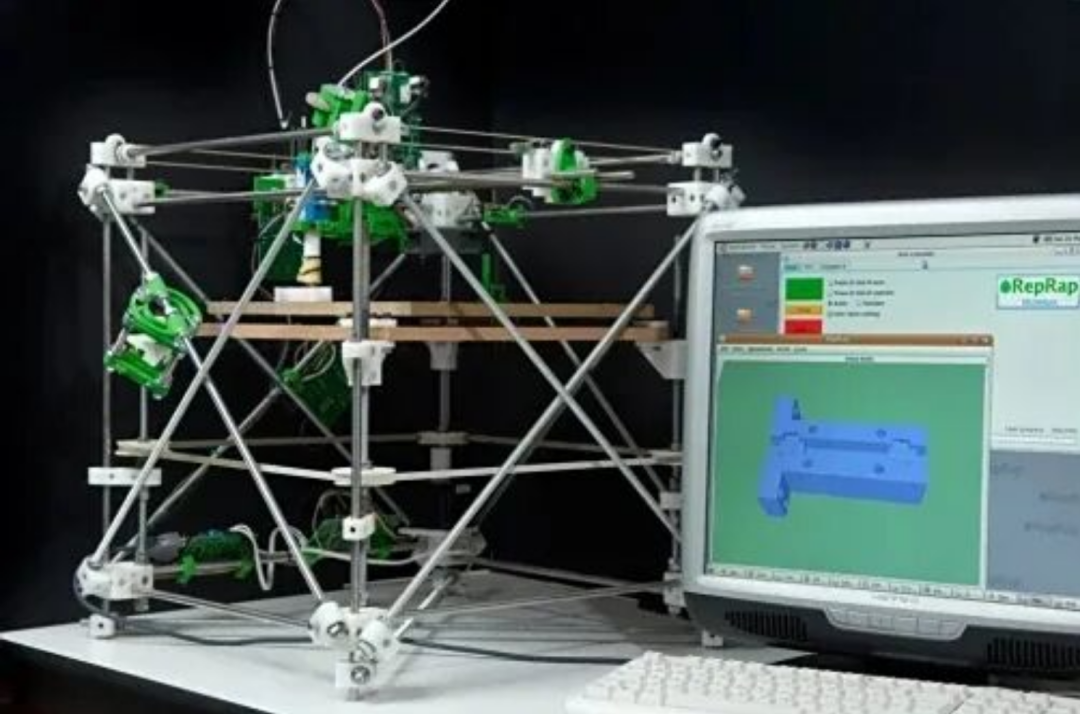
▲ RepRap (short for Replicating Rapid Prototyper) is a 3D printer project initiated by Adrian Bowyer and others at the University of Bath in 2005.
3.The Rise of Shenzhen and Its Global Market Position: Shenzhen companies occupy 95% of the global entry-level 3D printer market share through technological innovation, with three of the top five consumer 3D printing companies (Creality, Tiertime, and Anycubic) coming from Shenzhen, reshaping the global market landscape.
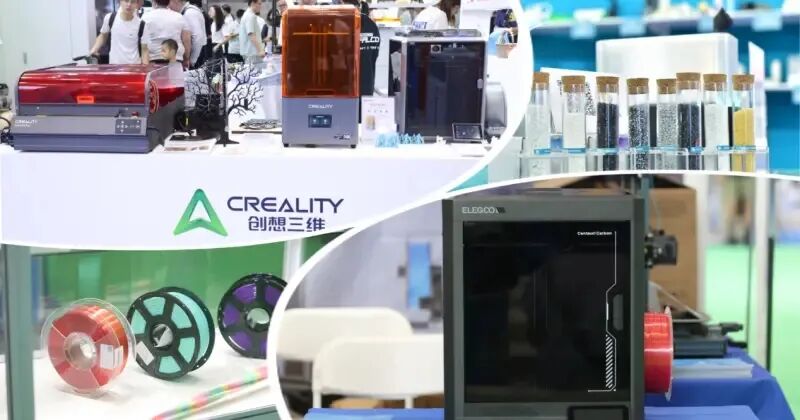
▲ Creality 3D Printer
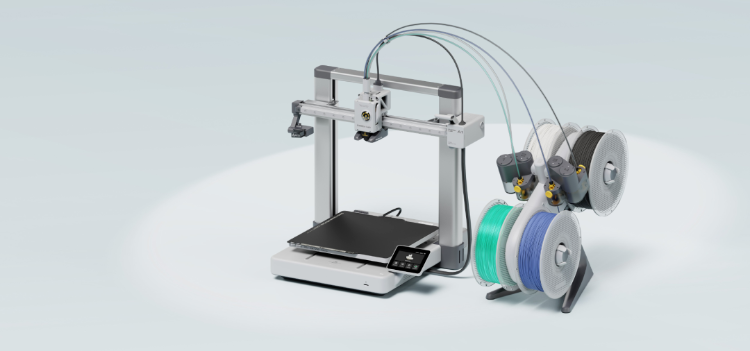
▲ Tiertime 3D Printer
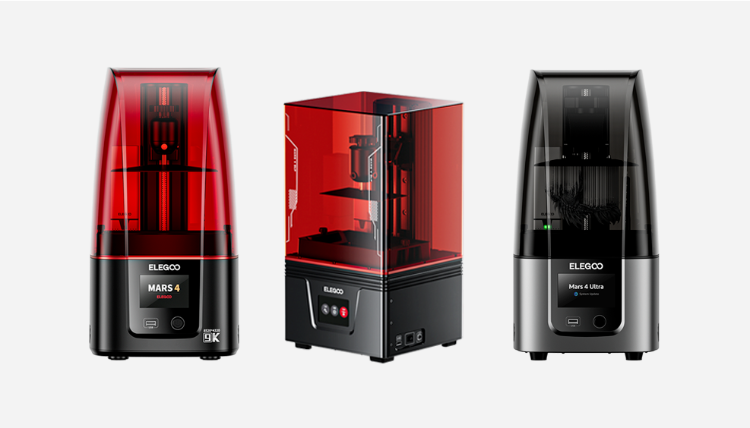
▲ Anycubic 3D Printer
2.Reasons for the Formation of the Pearl River Delta Supply Chain’s “Super Elasticity”
There are three points:
1.The Driving Force of Strong Economic Vitality: It acts as a “toughening agent,” promoting ecological-level collaborative capabilities.
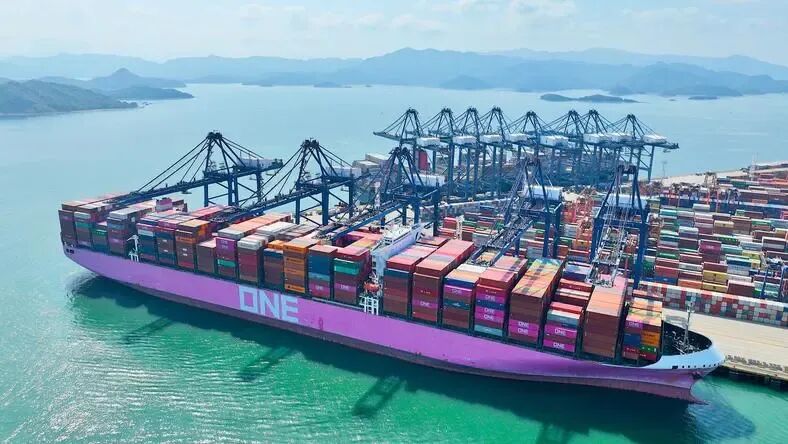
2.Support from Industrial Cluster Density: Within a radius of 100 kilometers around Shenzhen (Dongguan, Huizhou, Guangzhou), a complete industrial ecosystem has formed, allowing for rapid procurement of key components, with supply chain response times measured in hours, enabling the assembly of a 3D printer every two minutes.
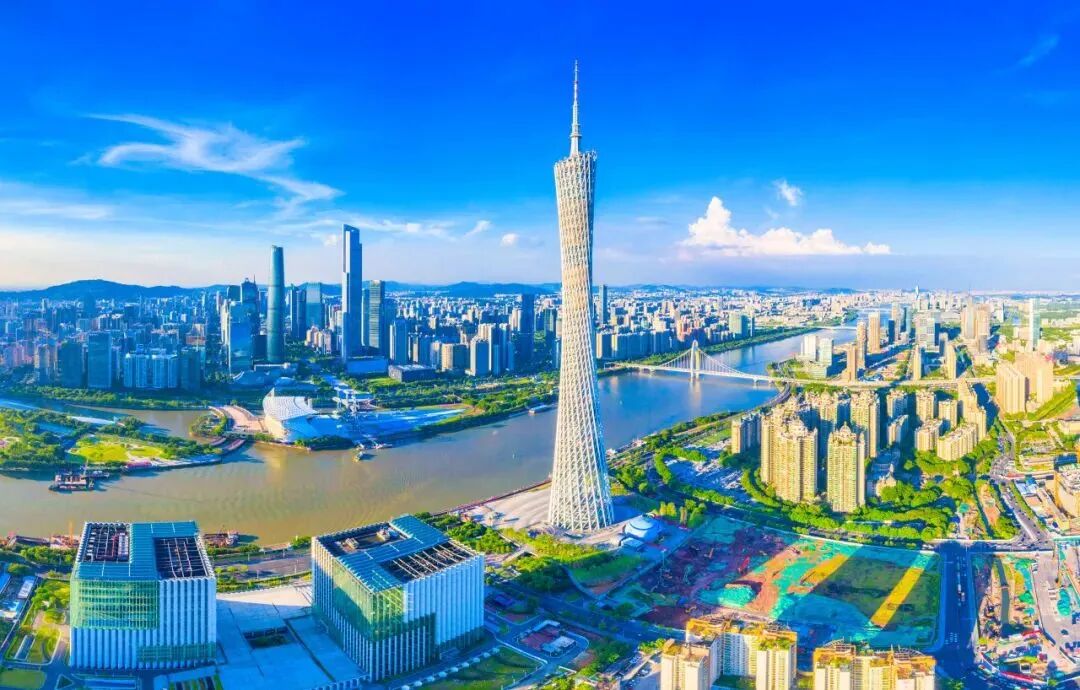
3.Shenzhen possesses a strong market sensitivity and flexible innovation gene: Companies quickly enter the consumer market, activating demand by reducing prices through mass production and cost control; relying on a network of small and medium-sized enterprises, they can quickly adjust capacity and suppliers based on order fluctuations and technological iterations.
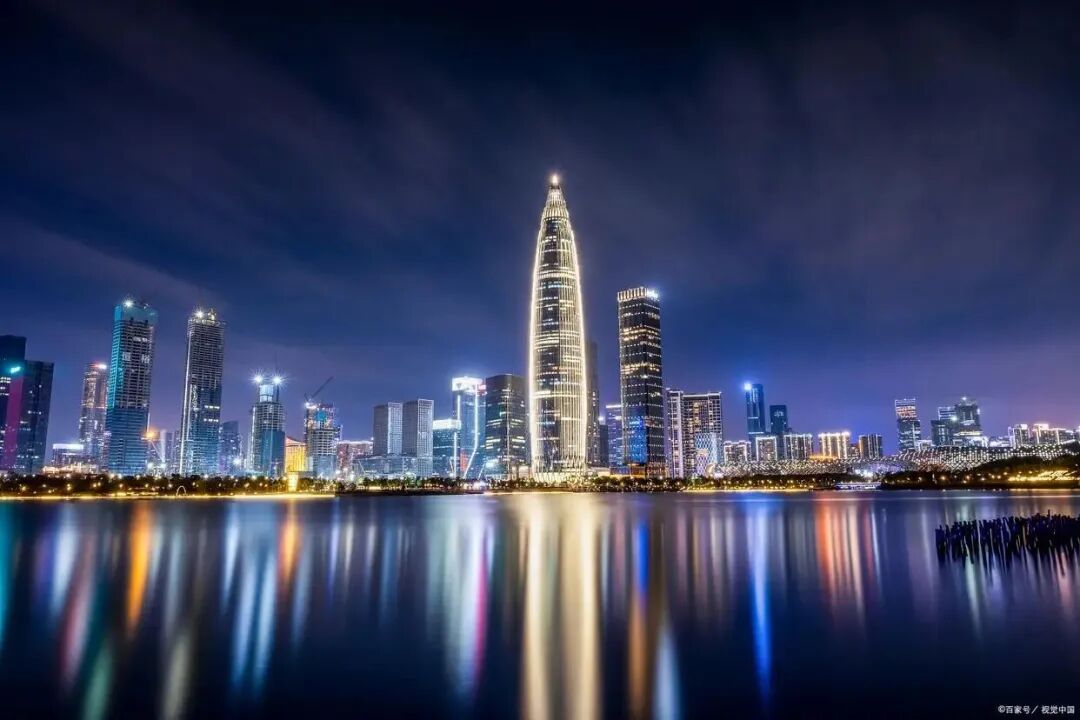
3. The Irreplicable Characteristics of Shenzhen’s 3D Printing Industry Chain
1.“3D Printing +” Innovation Capability: The collaborative output efficiency and speed with industries such as AI and robotics are outstanding, quickly absorbing all links of the industrial chain, forming a self-repairing function of the chain, a unique characteristic in the country.
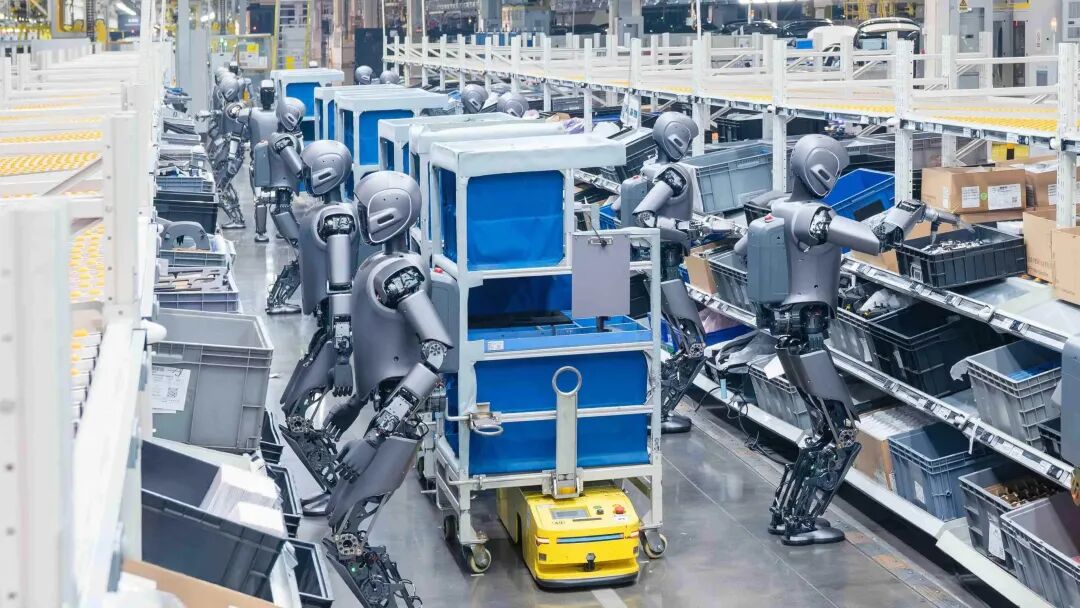
▲ Well-known technology company UBTECH’s humanoid robot collaborative training at the Zeekr 5G smart factory
2.Full Industrial Chain and Industrial Cluster Effect: A preliminary full industrial chain of additive manufacturing has formed, including modeling systems, materials, equipment, and application services, resulting in significant agglomeration effects for Shenzhen’s 3D printing industry.
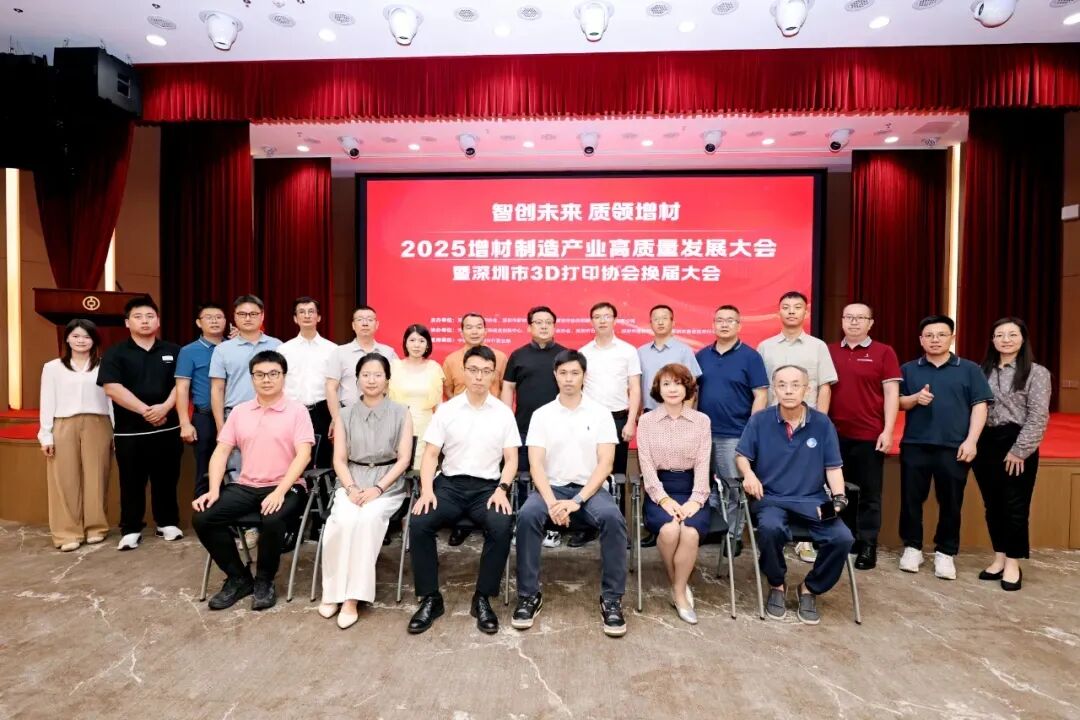
▲ The 2025 High-Quality Development Conference of the Additive Manufacturing Industry and the Shenzhen 3D Printing Association’s Re-election Conference
3.Shenzhen’s consumer-level 3D printing is already far ahead, laying a solid industrial foundation for our industrial-grade. Meanwhile, we aim to open up a new landscape for Shenzhen’s additive manufacturing through cutting-edge industrial fields such as aerospace, petrochemicals, embodied intelligence, and automotive electronics. By going global and innovating beyond borders, we hope that technological innovation will not be limited to textiles and robotics, and believe that in the future, whether in artificial intelligence or in the field of rockets and satellites, important structural components and functional integrations will bear the mark of Shenzhen’s intelligence.
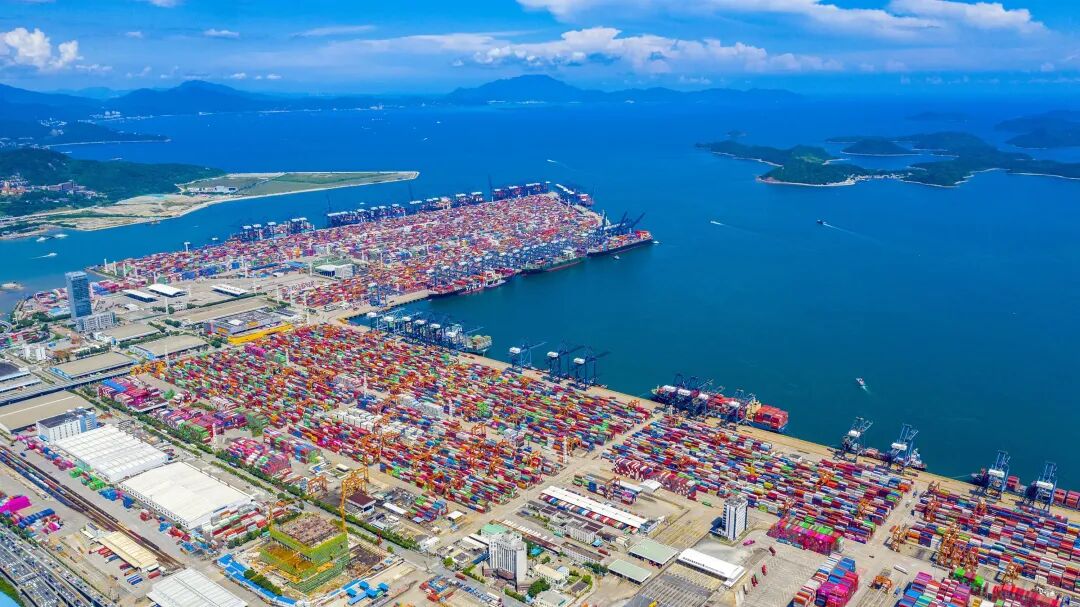
4. Key Policies Supporting Shenzhen’s 3D Printing Enterprises
1.Based on the larger context, Shenzhen is currently opening the door to new intelligent manufacturing technologies in 3D printing through its technological innovation, AI, and robotics, combining soft and hard technologies. The opening of these manufacturing technology doors will undoubtedly lead Shenzhen towards a future with more technological barriers, greater technological prospects, more technological innovation, and more industrial attributes. During this period, relevant units at the municipal, provincial, and even national levels are continuously strengthening their support for the 3D printing industry and industrial intelligence. Through policy issuance and guidance, they are constructing 3D printing manufacturing innovation centers, provincial-level additive manufacturing equipment innovation centers, engineering laboratories, and academician workstations, etc., to support the 3D printing industry cluster. Currently, Shenzhen has established industrial clusters in Bao’an, Longhua, and Pingshan, achieving rapid response.
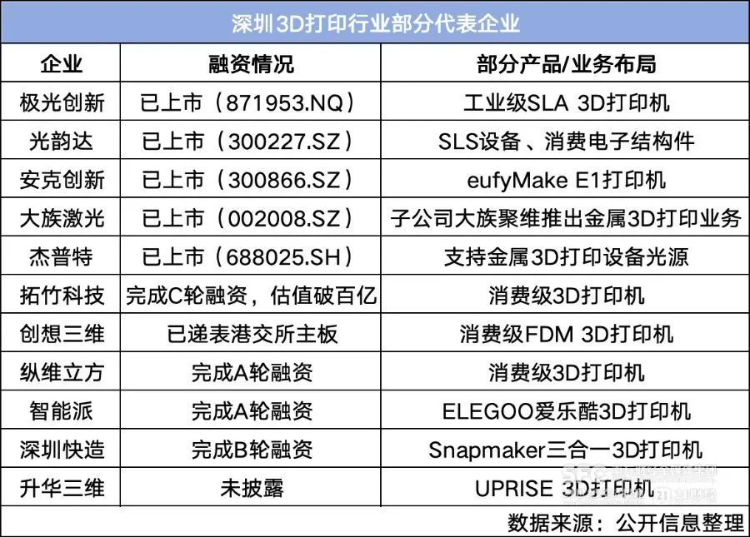
▲ Representative companies of Shenzhen’s 3D printing sector
5. Insights from Shenzhen’s 3D Printing Going Global for Chinese Technology Enterprises
1.From catching up to leading: China’s advanced manufacturing is gradually dominating the reshaping of the international manufacturing landscape.
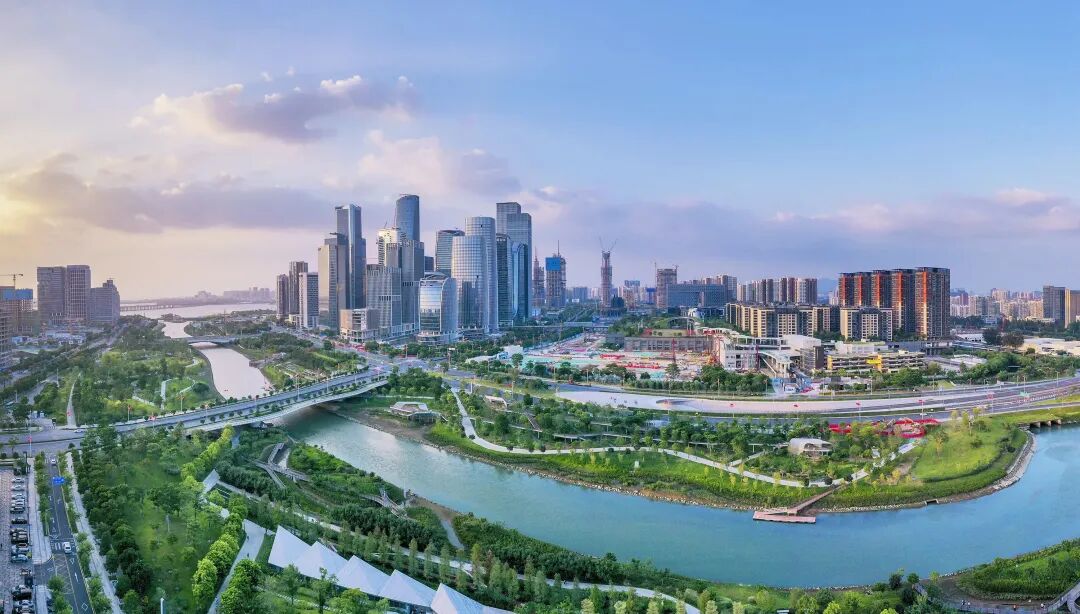
2.Brand Label Upgrade: The label of “Made in China” is gradually transforming into “Influence of Chinese Thinking”.
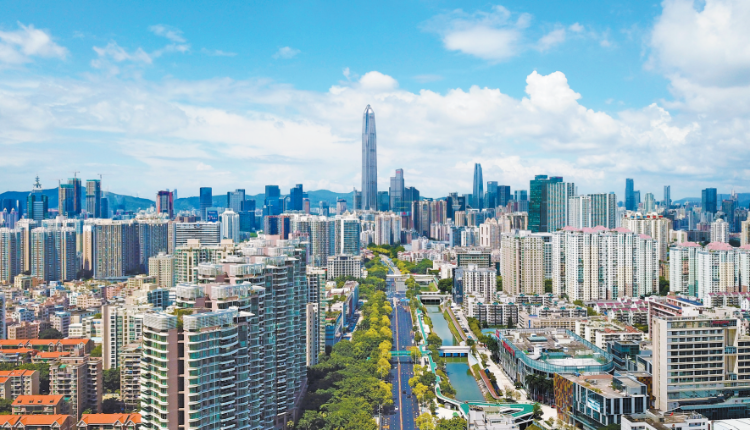
3.Innovation Direction Requirements: Innovation needs to move towards top-level innovation to enhance core competitiveness.
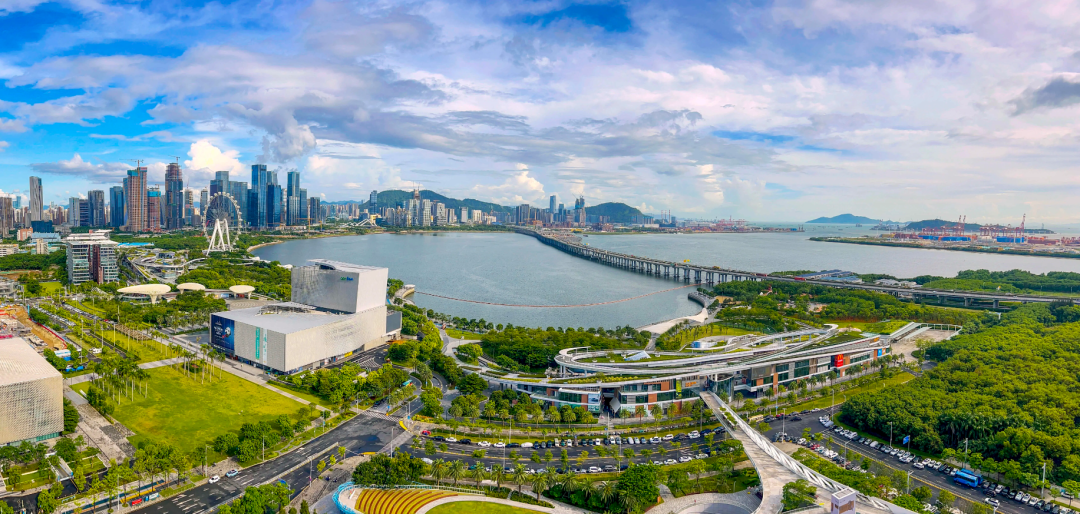
Shenzhen’s practice confirms: China’s advanced manufacturing is moving from catching up to global leadership, and the label of “Made in China” is accelerating its upgrade to “Influence of Chinese Thinking.” This is not only a rewriting of market share but also enlightens Chinese technology enterprises: Top-level innovation is the “North Star” of globalization, and ecological construction can achieve the “evergreen tree” of the industry..
 Source: Images Material source from the internet, Frontier Additive, Shenzhen 3D Printing Association Edited and published.Disclaimer: The content shared by the Frontier Additive, Shenzhen 3D Printing Association’s public account remains neutral, and is for the purpose of conveying more information, for reference only. The content comes from open channels such as the internet, and all rights belong to the original author. If there are errors in source attribution or infringement of your legal rights, please contact the author with proof of ownership, and we will promptly correct or delete it.