Click on the arrow to follow us!
Atmospheric pollution mainly originates from industrial emissions, vehicle exhaust, energy combustion, and certain agricultural activities. The harmful gases released not only endanger human health through respiratory and skin contact but also increase the risk of chronic diseases, especially threatening children, the elderly, and vulnerable populations. Additionally, they can cause irreversible damage to plants, animals, soil, and water resources, disrupting ecological balance.
Among these, carbon dioxide and certain volatile organic compounds are greenhouse gases. Their increased concentration may exacerbate the greenhouse effect, drive global warming, and trigger extreme weather events. Furthermore, atmospheric pollution leads to multiple economic losses: corrosive gases (such as sulfur dioxide and hydrogen sulfide) erode industrial equipment; pollutants reduce crop yields and quality; smog and photochemical smog decrease visibility, disrupt traffic operations, and increase accident risks.

The Songbai Sensor S7 series sensors play a key role as “environmental sentinels” in atmospheric environment monitoring. They continuously and real-time sense the concentration of various gases in the air, providing a data foundation for air quality assessment, early warning, and scientific governance. With the development of IoT big data and artificial intelligence technologies, gas sensors have expanded from being core components of traditional large monitoring stations to a miniaturized, grid-based, intelligent perception network.
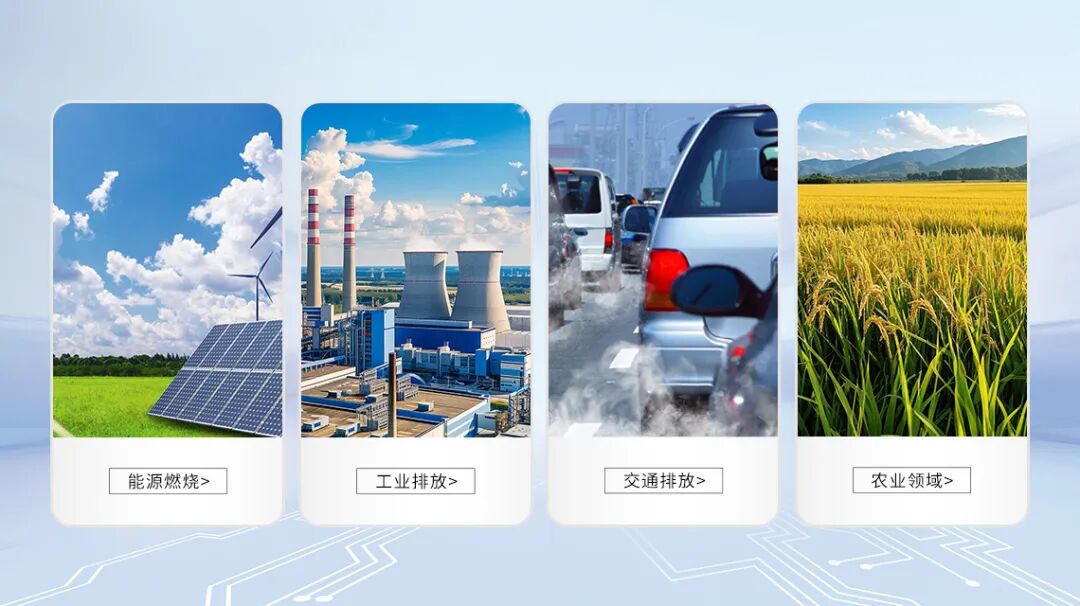
Applications of Gas Sensors in Atmospheric Environment
Nitrogen Dioxide Sensor: Nitrogen dioxide (NO₂) is a typical gaseous pollutant in the atmosphere, primarily originating from industrial emissions, vehicle exhaust, and fossil fuel combustion. It not only triggers respiratory diseases but is also a key precursor for acid rain and photochemical smog. The nitrogen dioxide sensor, with ppb-level detection accuracy and strong anti-interference capability, monitors NO₂ gas concentration changes in real time, providing critical data support for pollution tracing, early warning, and governance, connecting to ventilation systems to ensure environmental safety.
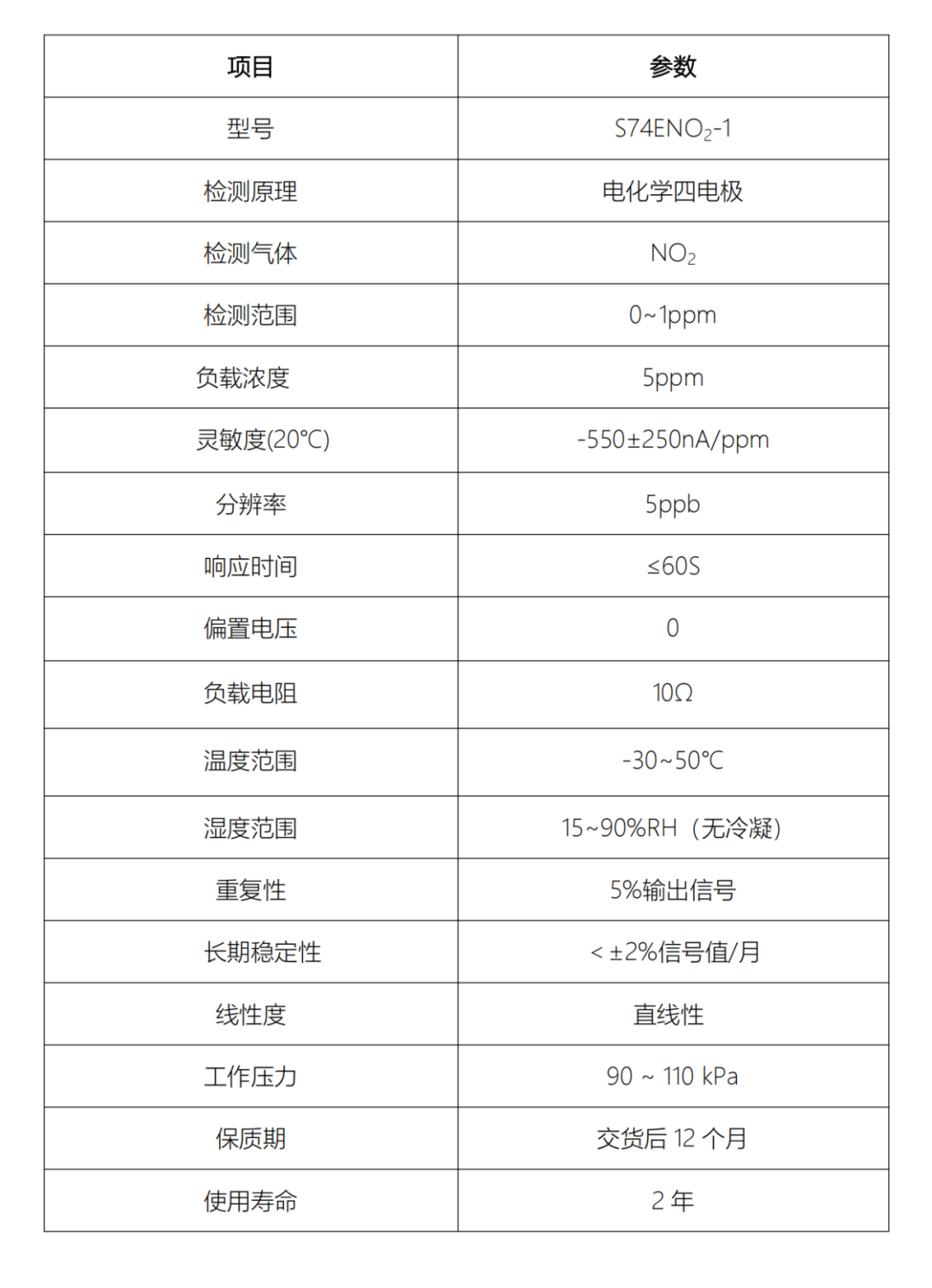
Ozone Sensor: Ozone (O₃) is a typical secondary pollutant in the atmosphere, mainly formed by the reaction of nitrogen oxides (NOₓ) and volatile organic compounds (VOCs) under strong light. High concentrations of ozone can irritate the human respiratory tract and are also a core component of photochemical smog. The ozone sensor, with good long-term stability, can maintain stable performance under various environmental conditions, playing a key role in ensuring safety, enhancing efficiency, and controlling quality.
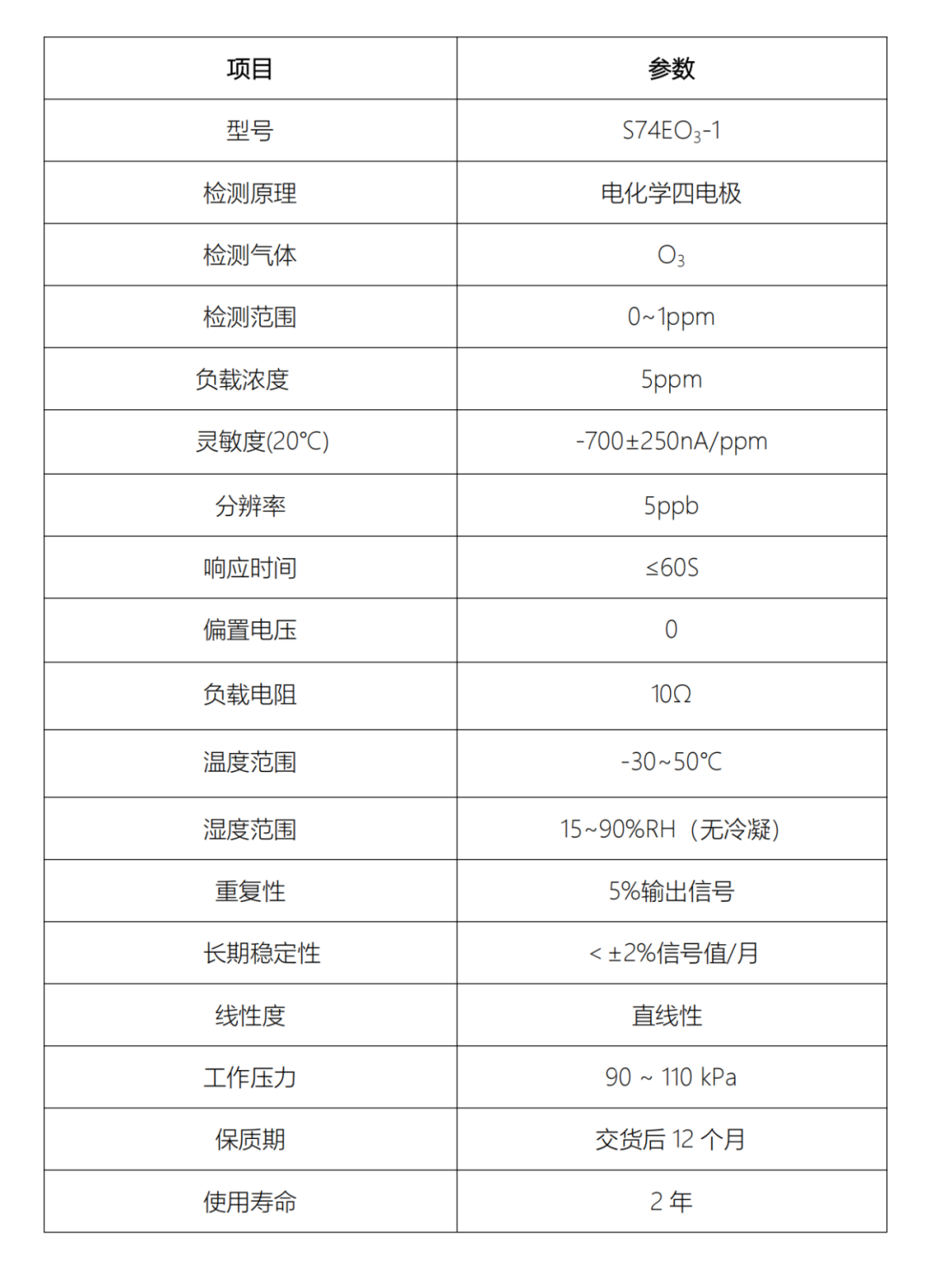
Sulfur Dioxide Sensor: SO₂ oxidizes in the atmosphere to form sulfuric acid, a major component of acid rain. It not only causes a series of environmental hazards but also poses a significant threat to human health. The sulfur dioxide sensor can be used for real-time, continuous detection of SO₂ concentration in the air, providing core data support for air quality assessment, pollution source supervision, acid rain prevention, and public health warnings.
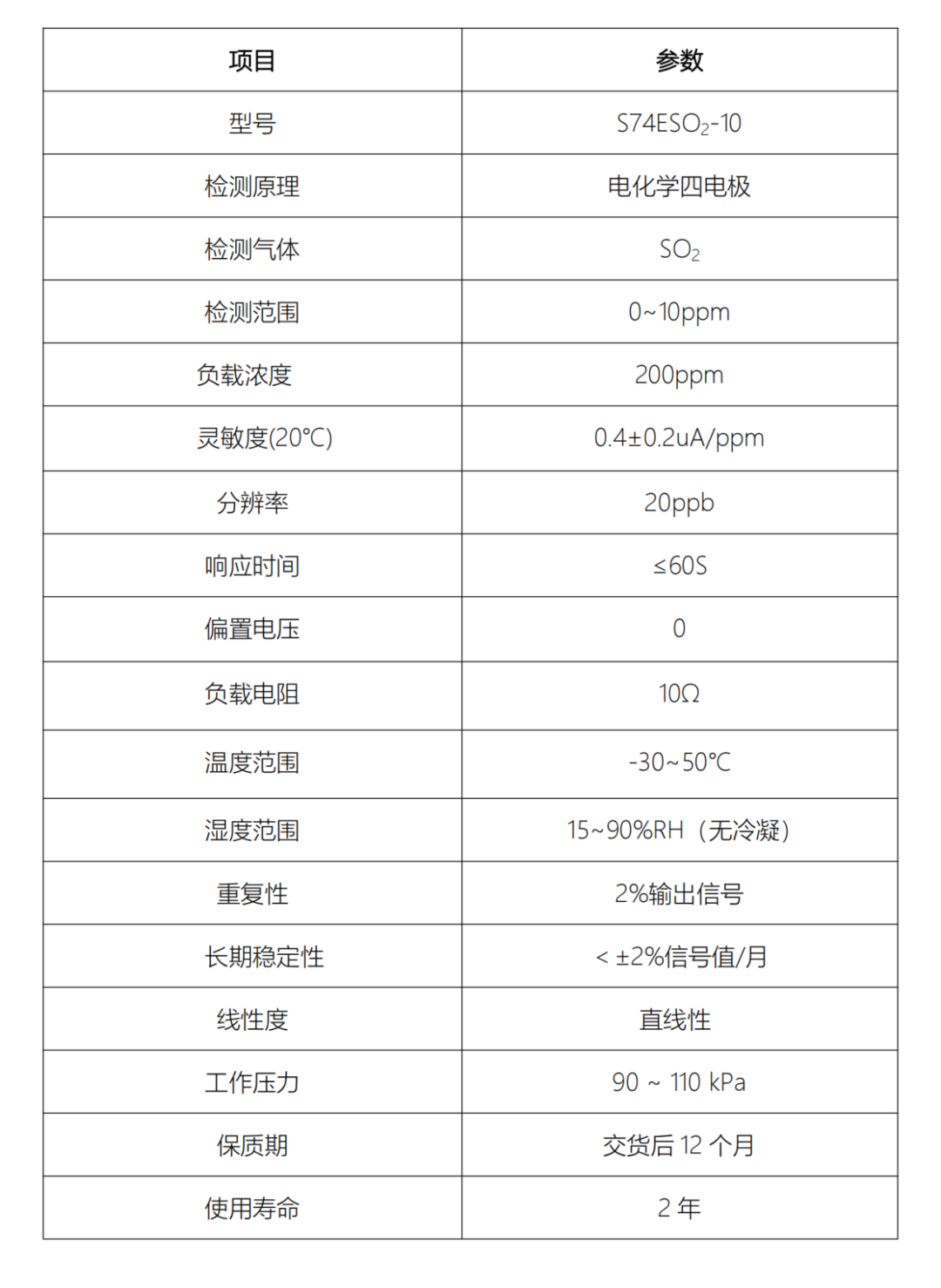
Carbon Monoxide Sensor: Although CO is colorless and odorless, making it hard to detect, it is not only an important indicator of urban air pollution but also an “invisible killer” in indoor and enclosed spaces. By deploying CO gas sensors, real-time assessments of environmental air quality, traffic pollution monitoring, industrial safety warnings, and public health protection can be achieved.
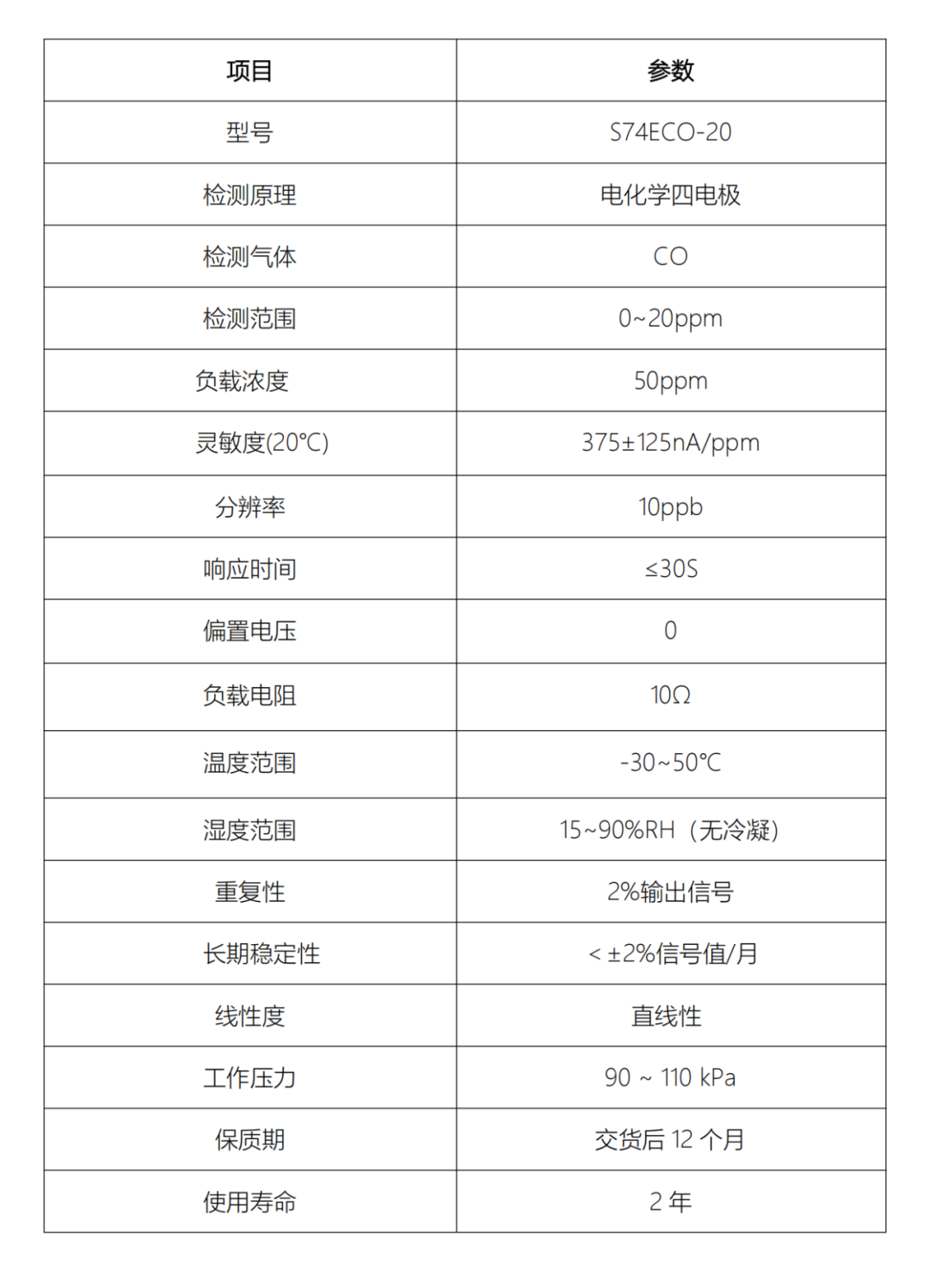
Gas sensors, as the “perception core” of atmospheric environment monitoring, are involved in the entire process of pollution monitoring, risk warning, and governance control. With their accurate gas capture and data output capabilities, they provide critical support for the refined management and protection of the atmospheric environment, enabling measurable pollution, preventable warnings, and effective governance.