Introduction
STM32: A product released by STMicroelectronics on June 11, 2007, it is a 32-bit microcontroller.
ESP32: A product developed by Espressif Systems in 2017, unlike STM32 and GD32, the ESP32 is primarily aimed at the Internet of Things (IoT) field. It supports many functions but has very few GPIO pins, so most GPIOs have multiple functions. It comes with integrated Bluetooth, WiFi, and other essential IoT features, and the board is compact, making it suitable for IoT applications.
ESP32 and STM32
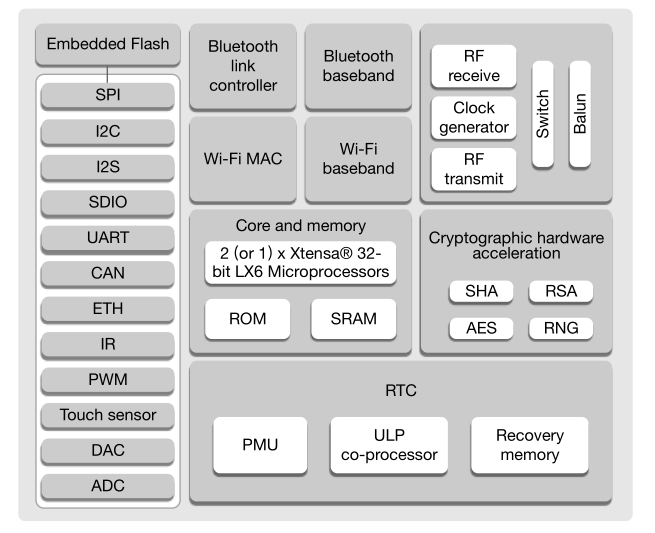
The ESP32 is a chip launched by Espressif Systems that features a dual-core system composed of two Harvard architecture Xtensa LX6 CPUs. All on-chip memory, external memory, and peripherals are distributed across the data and/or instruction buses of the two CPUs.
Compared to the extensive STM32 family, the ESP32 represents a series, but currently, the number of members in this series is relatively small. Let’s take a look:

Resources are as follows:
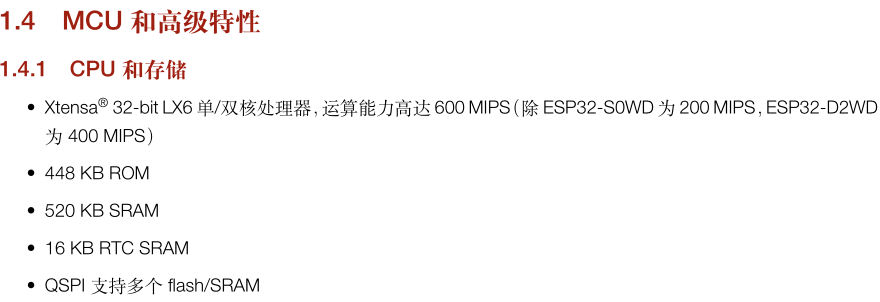
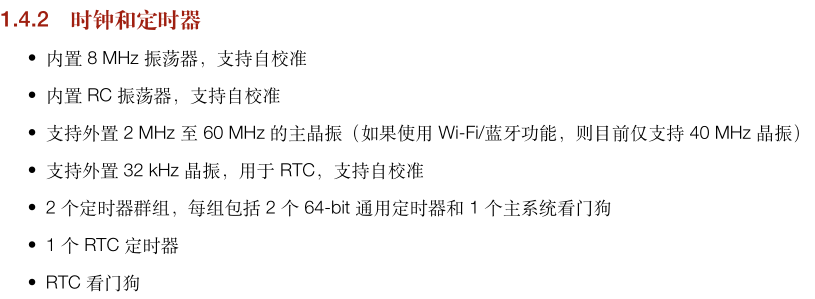
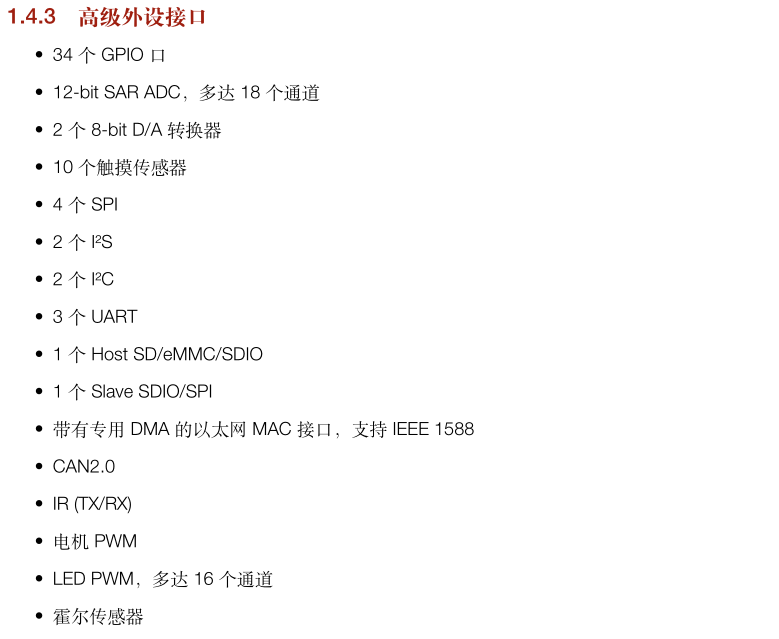
The functional block diagram is as follows:
The pin distribution of the module (not the chip) is as follows:
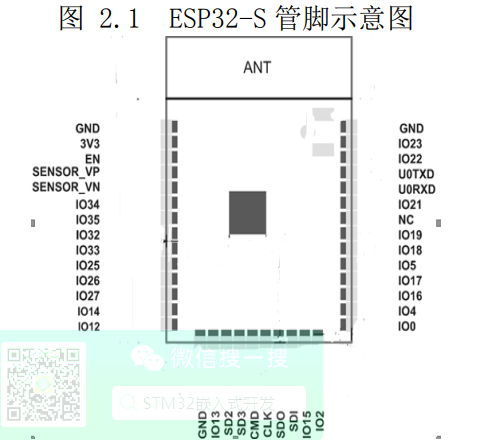
The ESP32 module has a limited number of IOs, estimated to be around 30 (the chip has 34, but some are used for external FLASH). However, you will notice several characteristics:
1. It integrates a wide variety of peripheral interfaces, including SPI, IIC, IIS, AD, DA, PWM, IR, UART, CAN, etc. Due to the limited number of IOs, each IO generally has multiple functions.
2. The on-chip flash and RAM are quite large, with 448KB of flash and 520KB of RAM. Additionally, the module directly connects to a 4MB flash.
3. It is fast! Although the external crystal frequency is only 40MHz, the internal clock can support 80MHz, 160MHz, and 240MHz, with a computing capability of up to 600MIPS.
4. It has WIFI and Bluetooth! Currently, both cannot be used simultaneously.
Conclusion
STM32 and ESP32 have fundamentally different positioning.
The ESP32 is geared towards being compact, extremely fast, and powerful, designed for network connectivity via WIFI, specifically created for the IoT, making it a promising option.
In contrast, the STM32 focuses on having a rich pinout and comprehensive functionality. Although it lacks WIFI and Bluetooth and is not as fast as the ESP32, it can connect to networks via Ethernet and control more peripherals, making it suitable for consumer electronics and industrial control.