Introduction
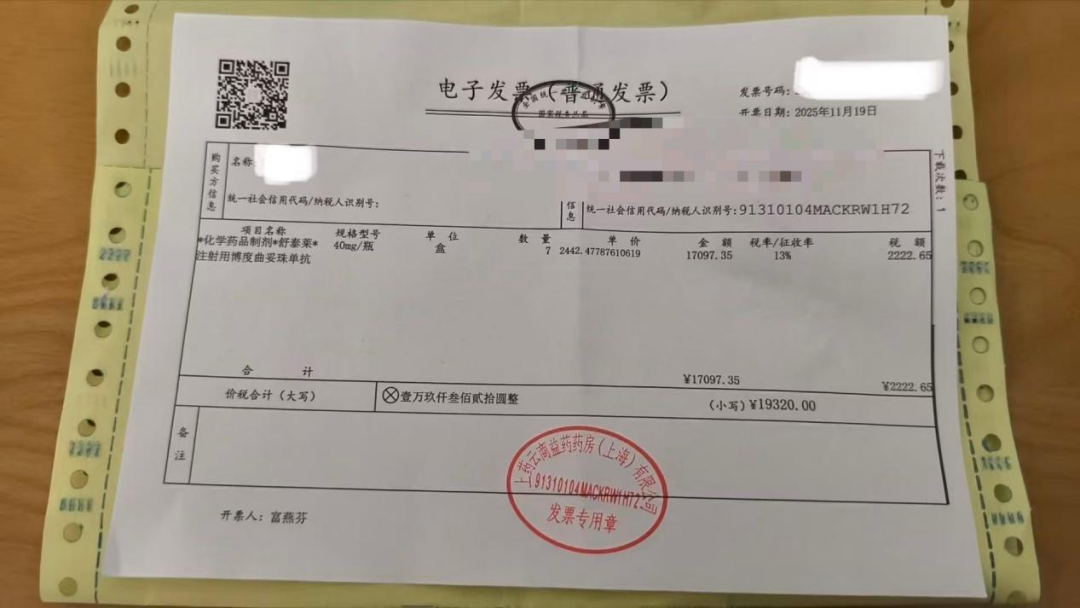
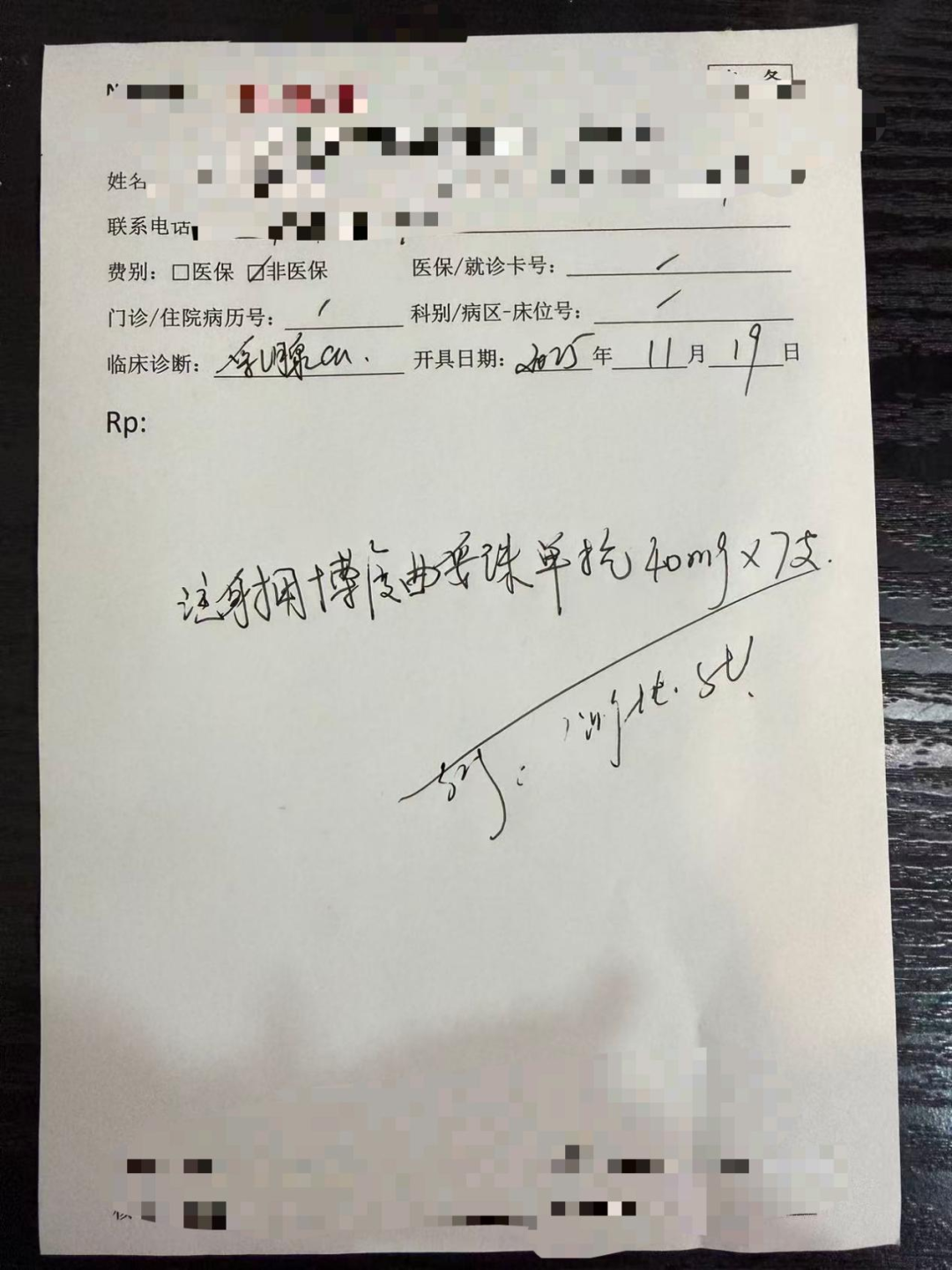
The field of anti-tumor treatment in China has reached a significant milestone—the first domestically developed HER2 antibody-drug conjugate (ADC) Botuzumab (Shutai Lai®) for the treatment of HER2 positive breast cancer, which can be widely used in second-line and above therapies, has been prescribed in multiple top hospitals across the country.This marks the official entry of a new treatment plan for breast cancer, led by “Made in China,” into clinical practice, providing a groundbreaking treatment option and a glimmer of hope for patients with HER2 positive advanced breast cancer who have undergone multiple lines of treatment and face survival challenges.
Breaking the Deadlock: Responding to Unmet Needs with a “Chinese Solution”
HER2 positive breast cancer is known for its aggressive nature and poor prognosis1. Despite significant progress in anti-HER2 treatments, advanced patients still find themselves trapped in a dual dilemma of resistance and cumulative toxicity after multiple lines of treatment, creating an urgent clinical need for subsequent treatment options that combine excellent efficacy with good safety.
The emergence of Botuzumab is a strong response to this global clinical challenge. As anoriginal ADC drug designed and clinically validated entirely in China, it was approved for marketing by the National Medical Products Administration (NMPA) of China on October 17, 2025, for the treatment ofadult patients with unresectable or metastatic HER2 positive breast cancer who have previously received one or more anti-HER2 therapies, fundamentally reshaping the landscape of subsequent treatment for HER2 positive advanced breast cancer in China.
Ingenious Design: Crafting a “High Efficacy, Low Toxicity” Sword with Innovative Structure
The success of Botuzumab stems from its forward-looking differentiated design2:
-
Precise Targeting: Utilizing trastuzumab as the antibody ensures efficient recognition and binding to the HER2 target.
-
Robust Connection: Innovative K-Lock site-specific conjugation technology and high-stability enzyme-cut linkers ensure stability in the bloodstream, allowing precise delivery of the effective payload to the tumor site while significantly reducing off-target toxicity.
-
High-Efficacy Payload: The new highly active toxin Duo-5 induces strong apoptosis in tumor cells.
-
Optimized DAR Value: The drug-antibody ratio (DAR) is precisely set at 2, effectively balancing maximum efficacy with minimal systemic toxicity.
This “tailor-made” design enabled it to outperform the classic ADC drug trastuzumab emtansine (T-DM1) head-to-head in the pivotal Phase III KL166-Ⅲ-06 study, demonstrating exceptional strength.
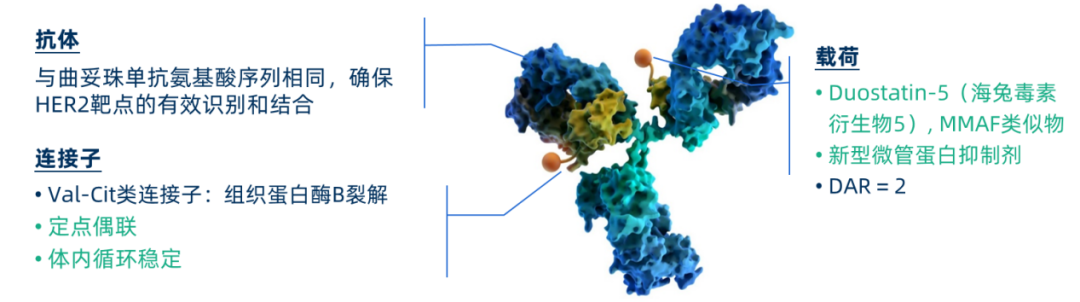
Figure 1. Design Features of Botuzumab2
Evidence-Based: Outstanding Data Defining New Treatment Standards
The KL166-Ⅲ-06 study data presented at the 2025 ESMO Congress established the clinical position of Botuzumab2:
-
Doubled Progression-Free Survival (PFS): Median PFS reached 11.1 months, significantly better than T-DM1’s 4.4 months, with a 61% reduction in the risk of disease progression or death.
-
High Quality, Deep Remission: Objective Response Rate (ORR) reached 76.9%, a significant increase of 23.9% compared to the 53.0% in the T-DM1 group, indicating that patients can achieve deeper tumor shrinkage.
-
Total Survival (OS) Shows Beneficial Trend: Although the data is not yet mature, a significant improvement trend in OS has been observed (HR=0.62).
-
Manageable Safety: Overall tolerability is good, with ≥ grade 3 treatment-related adverse events primarily being manageable and reversible ocular events, while the risks of key adverse reactions such as thrombocytopenia, hepatotoxicity, gastrointestinal toxicity, and interstitial lung disease are lower than those of T-DM1, ensuring long-term treatment safety for patients.
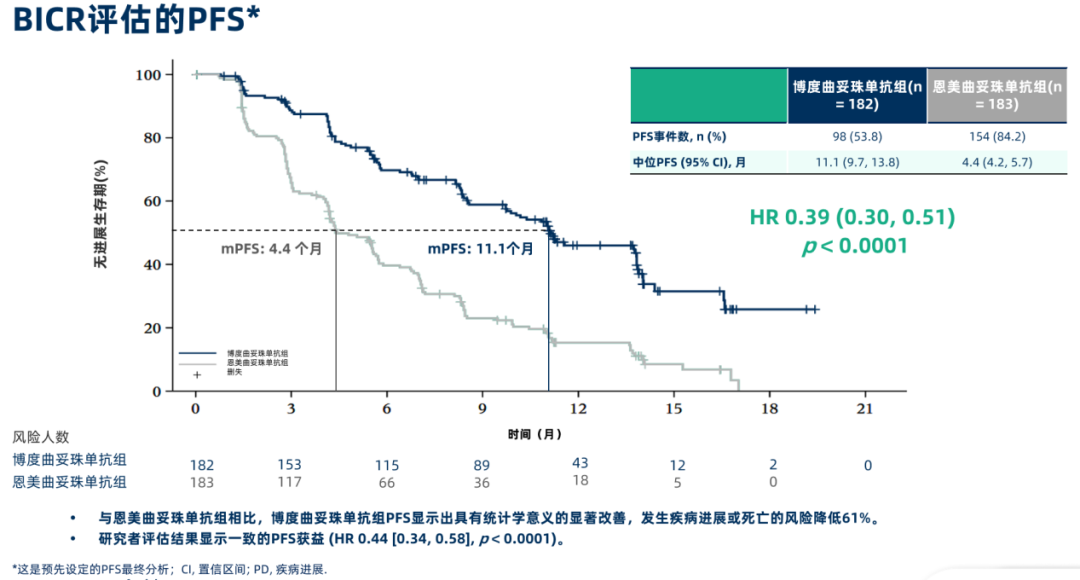
Figure 2. PFS Evaluated by BICR in the KL166-Ⅲ-06 Study2
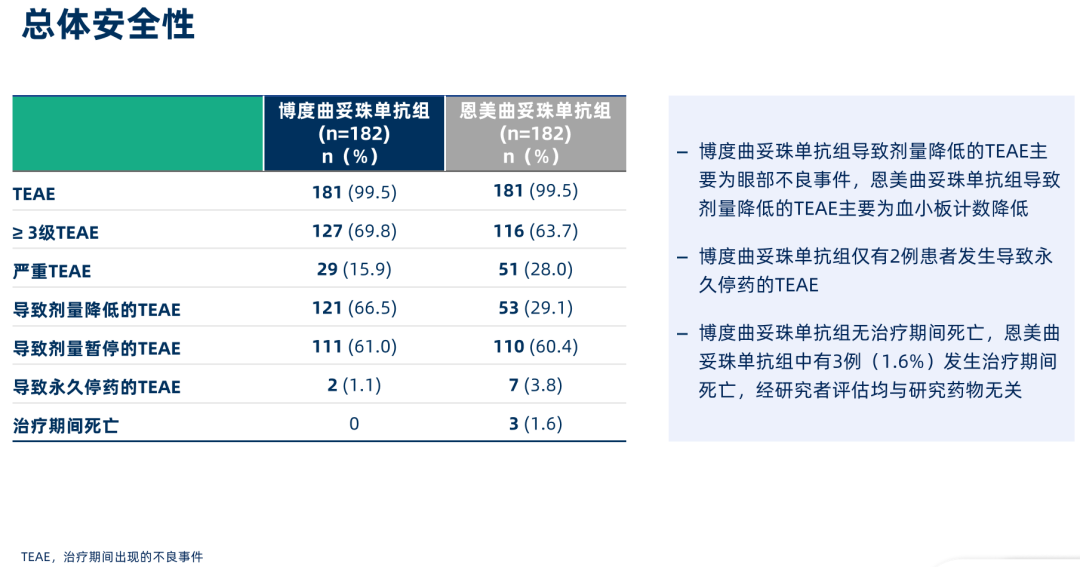
Figure 3. Safety Results of the KL166-Ⅲ-06 Study2
First Launch: “Made in China” Moves from Evidence to Practice
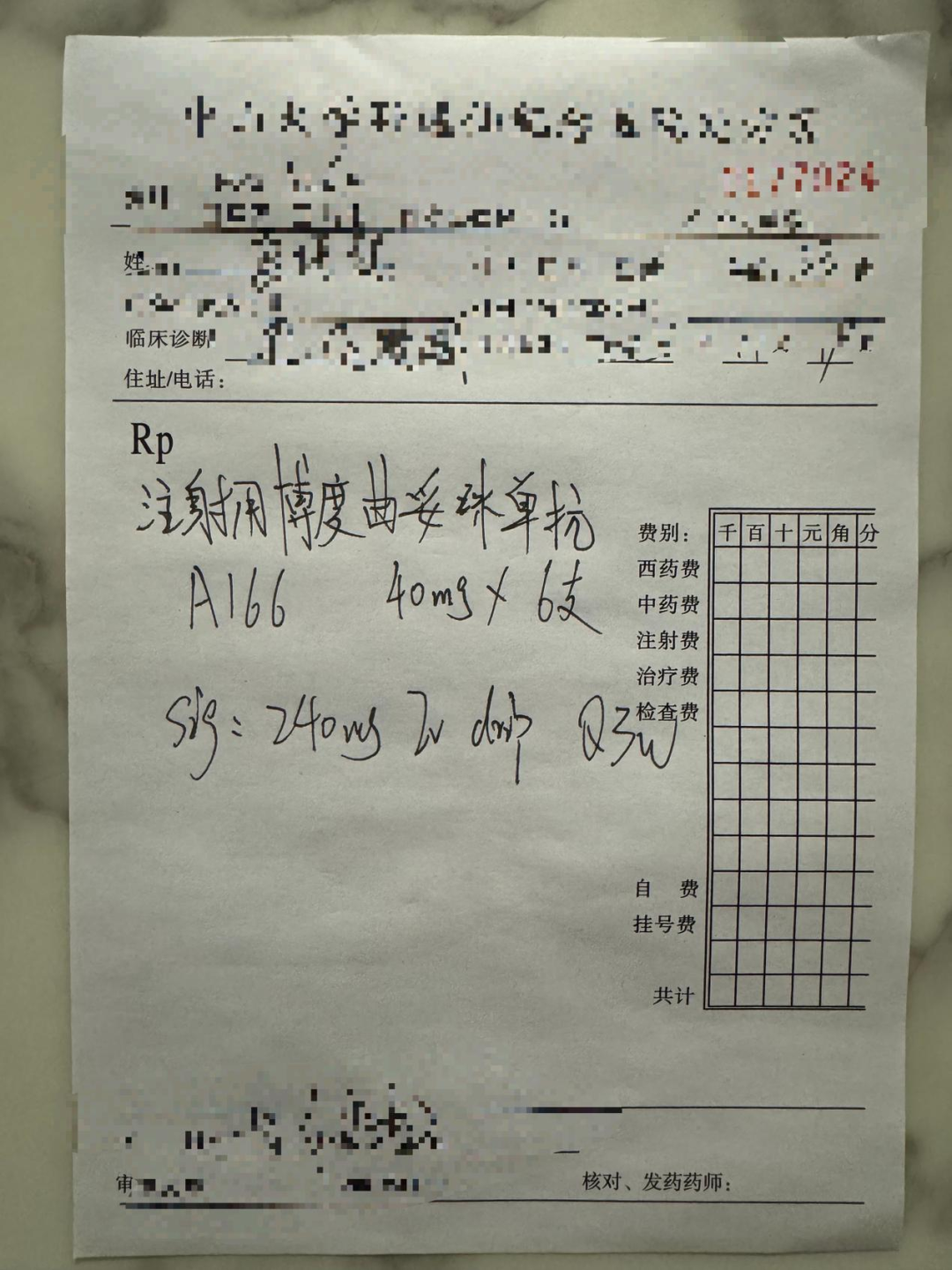
Today, Botuzumab has been simultaneously launched in several authoritative centers across China, including Shanghai and Guangzhou, marking the completion of the “last mile” from laboratory to bedside, officially benefiting Chinese patients.
Looking Ahead: Based in China, Illuminating the World
The issuance of the first prescription marks the end of a milestone and the beginning of a new chapter. The success of Botuzumab is a reflection of the rise of China’s biopharmaceutical innovation strength, showcasing a strategic transformation from “following innovation” to “leading innovation.” With the advancement of its internationalization efforts, we look forward to more “Made in China” innovative drugs reaching the world, injecting strong “Chinese power” into the global fight against cancer!
This article is reprinted from: Yilaitong
References:
1. Pei Jiaqiao, Zhang Ying, Li Zixin, Feng Manman, Yi Dan. Mechanisms and Research Progress of Antibody-Drug Conjugates in the Treatment of HER-2 Positive Breast Cancer [J]. Clinical Medicine Research and Practice, 2024, 9(15): 187-190
2. Hu X, Zhang J, Ouyang Q, et al. Trastuzumab botidotin vs trastuzumab emtansine (T-DM1) in HER2-positive unresectable or metastatic breast cancer: Results from a randomized phase III study. ESMO Congress. 2025:LBA24.