【Research Background】
Atrial fibrillation is one of the most common arrhythmias worldwide and is a significant risk factor for stroke and heart disease, posing a serious challenge to public health. Therefore, early diagnosis and intervention are crucial. Traditional atrial fibrillation diagnosis relies on standard electrocardiograms, which, while accurate, have limitations such as a limited monitoring time window and low accessibility. In recent years, with the rapid development of digital health technologies, smartwatches integrated with photoplethysmography (PPG) or single-lead electrocardiogram (ECG) sensors have provided revolutionary possibilities for non-invasive, convenient, and long-term monitoring of atrial fibrillation. Several smart wearable devices have received approval from the U.S. Food and Drug Administration and European conformity certification, marking their transition from consumer electronics to medical auxiliary tools.
However, the market is flooded with various devices, each with different built-in algorithms and technical principles, leading to discrepancies in diagnostic performance. Previous studies have been limited by sample size and design, and a comprehensive assessment of the overall diagnostic efficacy of various smartwatches is still insufficient. In this context, conducting a systematic review and meta-analysis to integrate existing evidence, quantitatively assess the accuracy of smartwatches in atrial fibrillation detection, and provide a basis for clinical practice and future research directions is particularly urgent and necessary.
【Research Methods and Results】
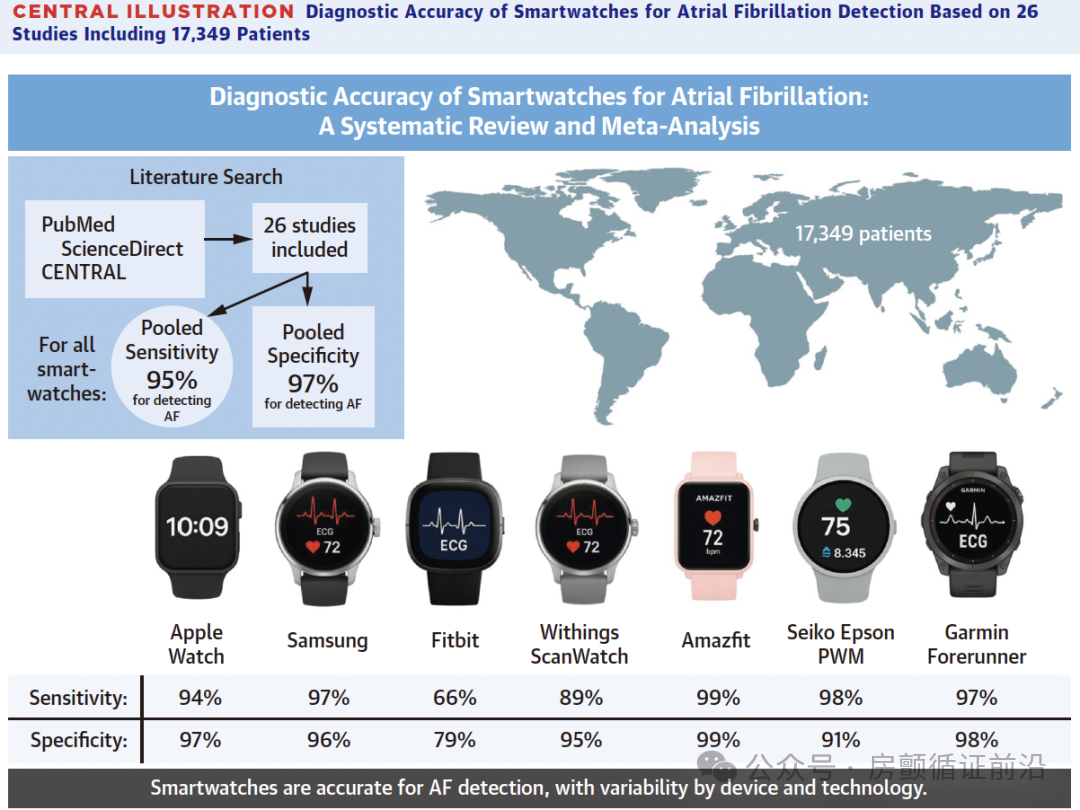
This study followed the Preferred Reporting Items for Systematic Reviews and Meta-Analyses (PRISMA) guidelines and registered the protocol on an international prospective systematic review registration platform to ensure the research process’s standardization and transparency. Researchers conducted a systematic literature search across multiple mainstream databases, ultimately including 26 studies in the final meta-analysis, covering over 17,000 participants from various countries, with a pooled atrial fibrillation prevalence of approximately 11%, demonstrating good representativeness. For data analysis, the research team employed a bivariate random-effects model to summarize sensitivity and specificity and plotted a summary receiver operating characteristic curve to calculate the area under the curve, which are core indicators of diagnostic accuracy studies.
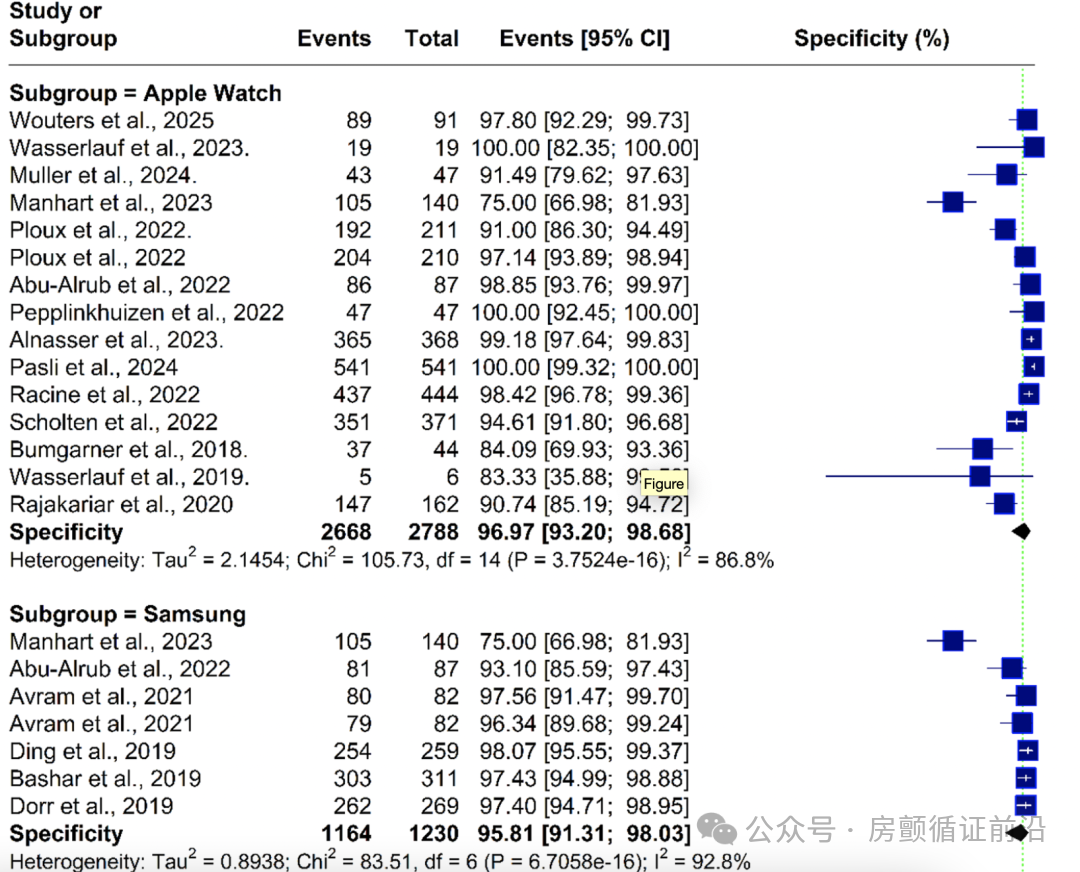
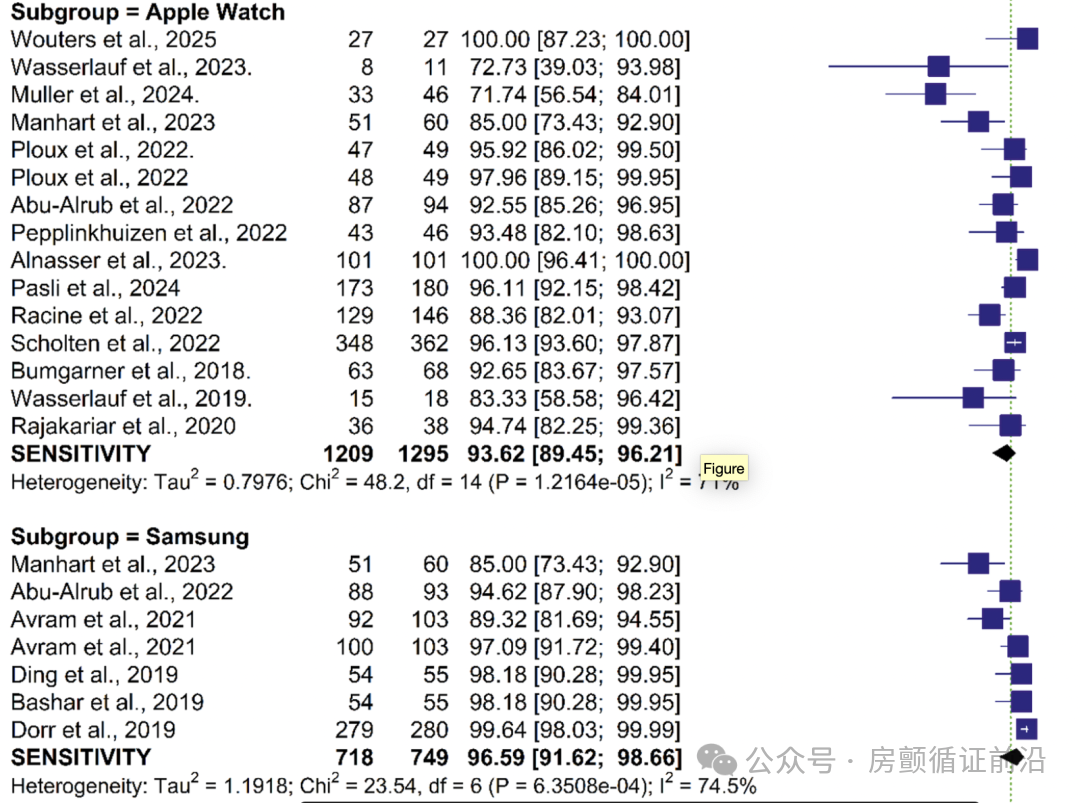
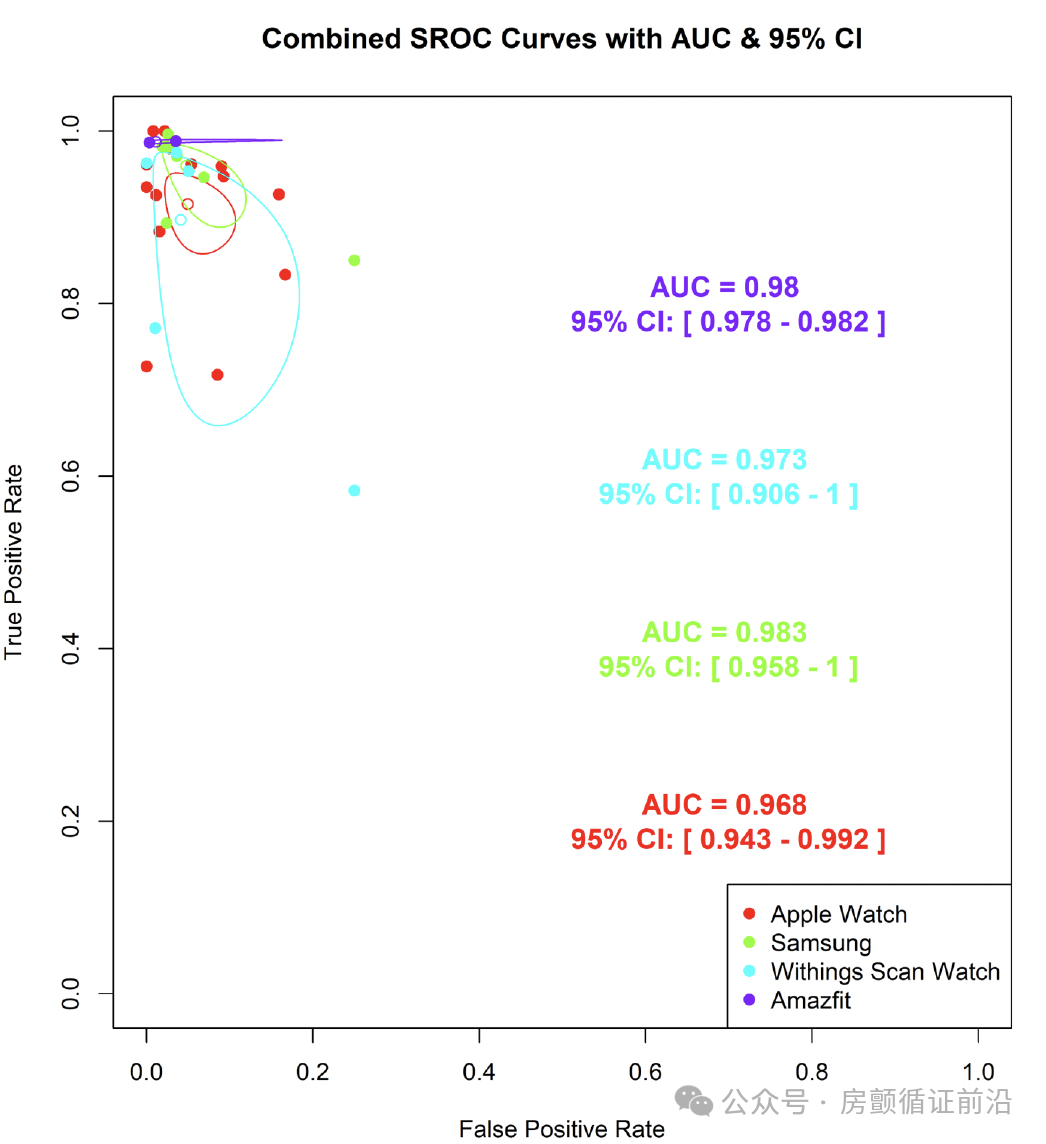
The analysis results showed that smartwatches exhibited excellent overall diagnostic performance in detecting atrial fibrillation: pooled sensitivity reached 95%, pooled specificity reached 97%, and the pooled area under the curve was 0.97, indicating extremely high discriminative ability. Subgroup analysis based on different brand devices further revealed subtle performance differences: Samsung devices demonstrated the highest sensitivity, while the Apple Watch had a slight advantage in specificity; notably, Amazfit devices showed very high sensitivity and specificity in the included studies, but the number of studies supporting these results was relatively small.
In comparing technical pathways, devices based on photoplethysmography (PPG) and those based on electrocardiography (ECG) exhibited similar diagnostic accuracy, with areas under the curve of 0.98 and 0.97, respectively, indicating that both mainstream technologies are closely matched in their effectiveness for atrial fibrillation detection.
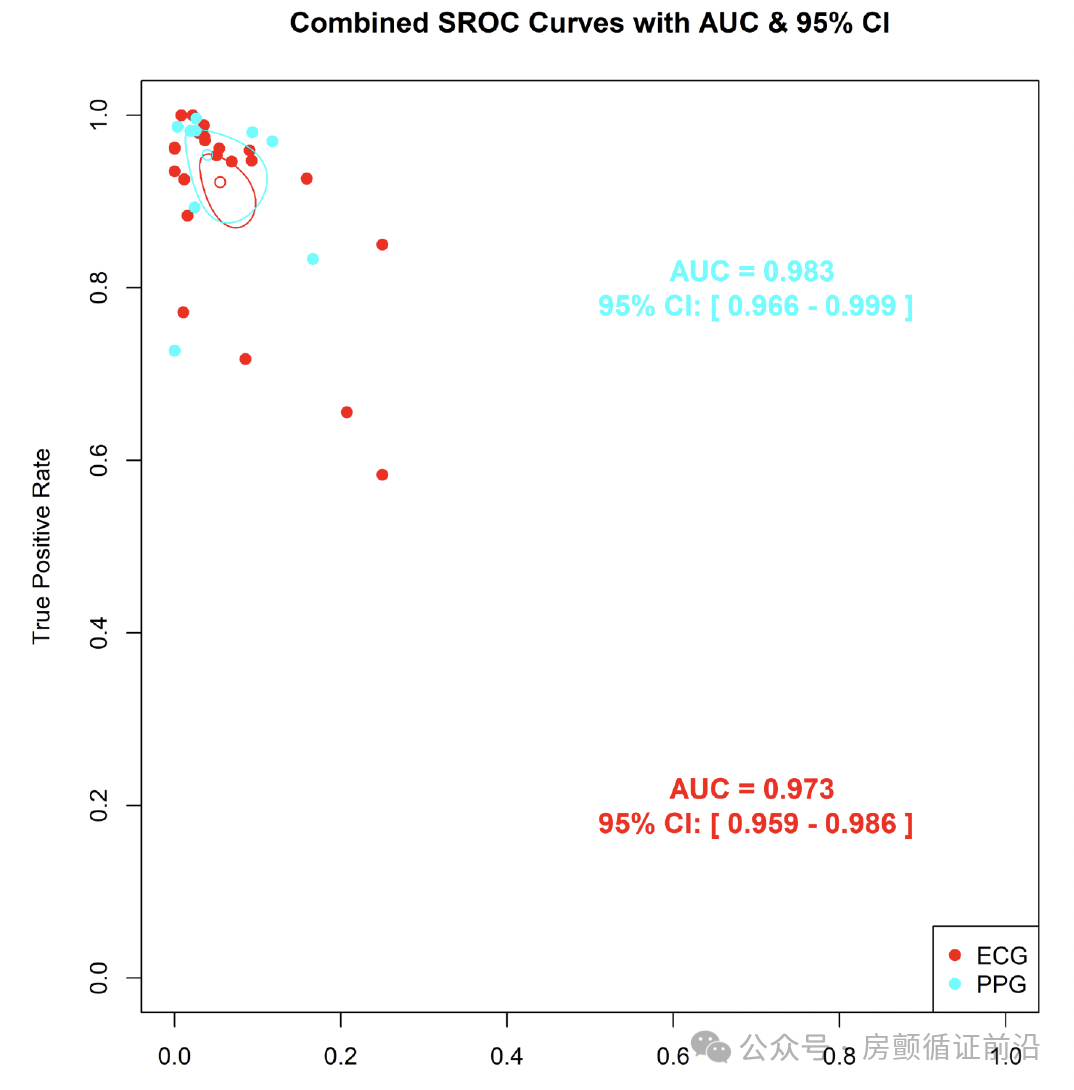
However, the study also pointed out existing challenges. There was high heterogeneity among the studies, primarily due to differences in sample size, device generations, and atrial fibrillation prevalence. Meta-regression analysis revealed that sample size is a significant factor affecting diagnostic accuracy, with larger sample sizes often reporting better performance, indicating that future research needs larger-scale and more uniformly designed data for validation.
In exploratory analysis, only one study investigated the utility of smartwatches as a secondary prevention tool after stroke or transient ischemic attack, showing good specificity but needing improvement in sensitivity, which points to directions for future research. Finally, a bias risk assessment of the included studies found that most studies had good methodological quality, but some studies had potential bias risks due to patient selection or lack of blinding assessment.
【Conclusion and Outlook】
This systematic review and meta-analysis strongly confirm that the current smartwatch technologies available on the market possess excellent diagnostic accuracy for detecting atrial fibrillation, with their high sensitivity and specificity making them a potential convenient and effective screening tool for atrial fibrillation. Notably, the technology based on photoplethysmography has achieved diagnostic levels comparable to those based on electrocardiography, greatly expanding the application scenarios for passive, continuous monitoring of atrial fibrillation. Nevertheless, researchers are also acutely aware that the widespread application of smartwatches in real-world, low-prevalence populations still faces challenges, including patient anxiety potentially triggered by false-positive results, unnecessary consumption of medical resources, and unclear definitions of the clinical significance of transient atrial fibrillation.
Looking ahead, the integration prospects of smartwatches in cardiovascular disease management are broad, but many issues remain to be explored in depth. Future research should focus on evaluating the cost-effectiveness and actual clinical outcome benefits of screening with smartwatches in the general population or low-risk groups, such as whether they can truly reduce stroke incidence. Additionally, the results of several ongoing large clinical trials are highly anticipated, as they will directly compare the advantages and disadvantages of initiating anticoagulation therapy based on smartwatch detection results versus traditional strategies. Furthermore, continuous technological iteration is crucial, requiring further optimization of algorithms to reduce interference from motion artifacts and enhance device usability among the elderly and those with low digital literacy.
In summary, wearable devices represented by smartwatches are reshaping the prevention and monitoring patterns of cardiovascular diseases. Carefully and proactively promoting their deep integration with clinical practice and establishing corresponding data interpretation and management pathways is key to realizing their maximum public health value.
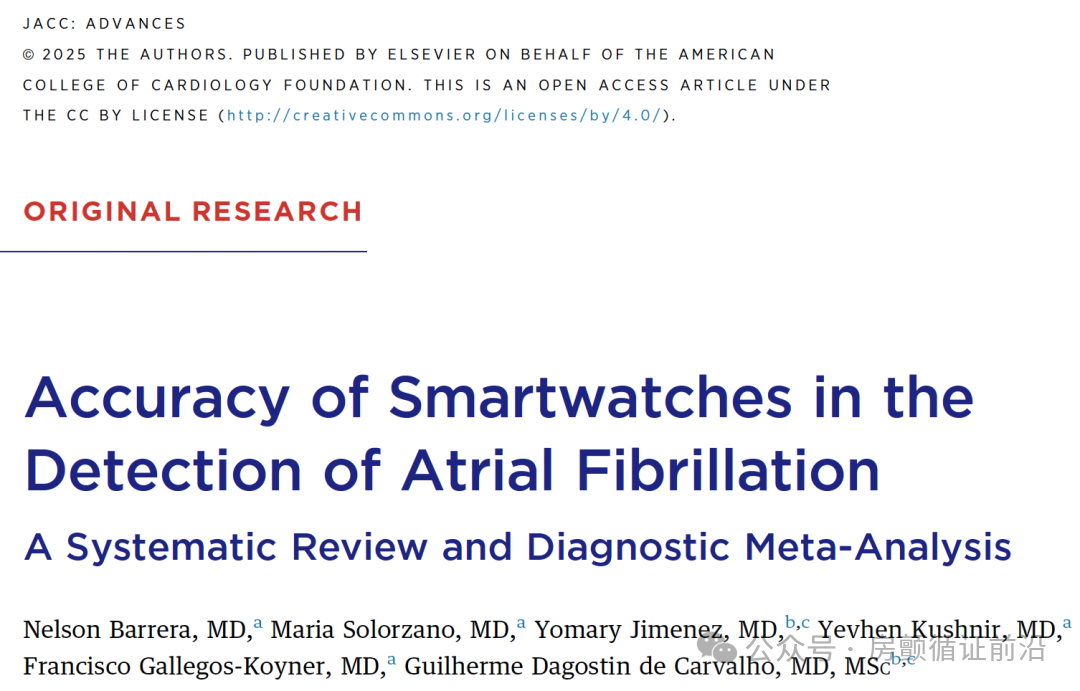
Barrera N, Solorzano M, Jimenez Y, Kushnir Y, Gallegos-Koyner F, Dagostin de Carvalho G. Accuracy of Smartwatches in the Detection of Atrial Fibrillation: A Systematic Review and Diagnostic Meta-Analysis. JACC Adv. 2025 Sep 11:102133.
 1. All content in this public account is for academic reference and communication among medical professionals and cannot replace professional medical judgment. Readers should adhere to individualized diagnosis and treatment plans in clinical practice, and this public account is not responsible for any diagnostic or treatment decisions.2. Some content has been translated and organized with AI assistance to promote the dissemination of academic information. While we strive for accuracy, we do not guarantee that the content is entirely error-free; feedback and corrections are welcome.3. Respecting originality, we strive to credit authors and sources for all reproduced content. If there are any copyright disputes or infringement issues, please contact us promptly ([email protected]).