Nowadays, many people wear smartwatches, which can measure heart rate and alert you to “arrhythmias.”
How accurate are these watches in monitoring? Should you go to the hospital if they indicate premature beats or atrial fibrillation?
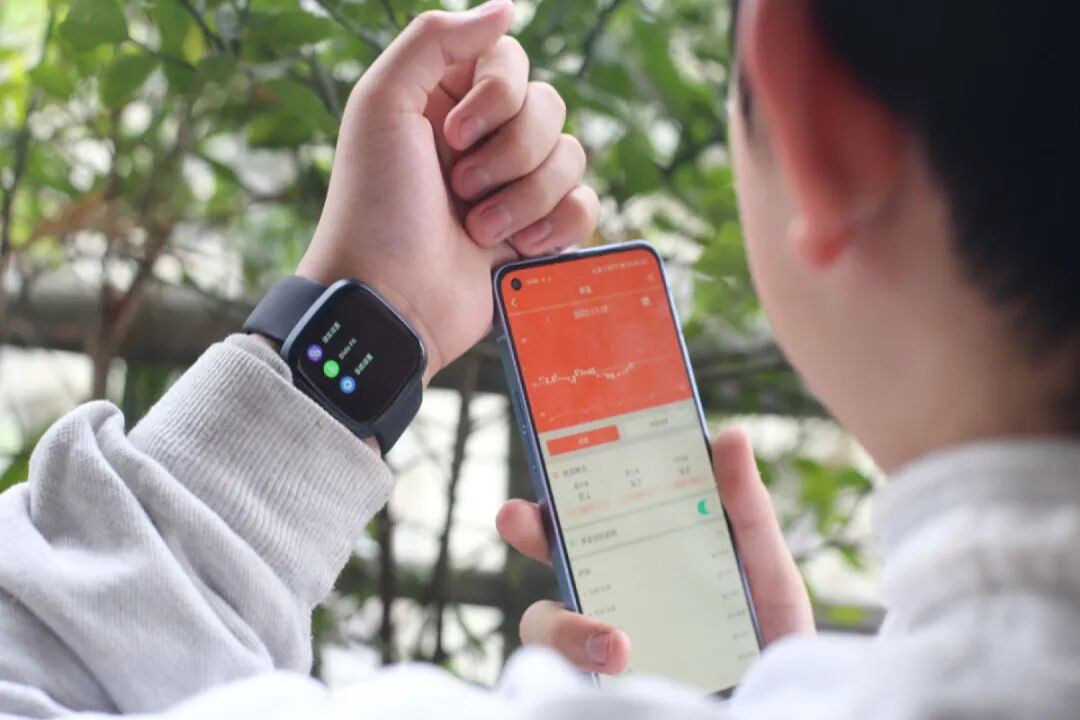
Smartwatches are not classified as medical devices. Although some watches that can measure electrocardiograms have medical device certifications, there is still a significant difference compared to the electrocardiograms performed in hospitals.
Hospital electrocardiograms are multi-lead, capable of comprehensively capturing the electrical activity of the heart, while smartwatches are single-lead, prone to interference, and provide limited information. They cannot be used to diagnose heart problems; at best, they serve as a “warning tool.”
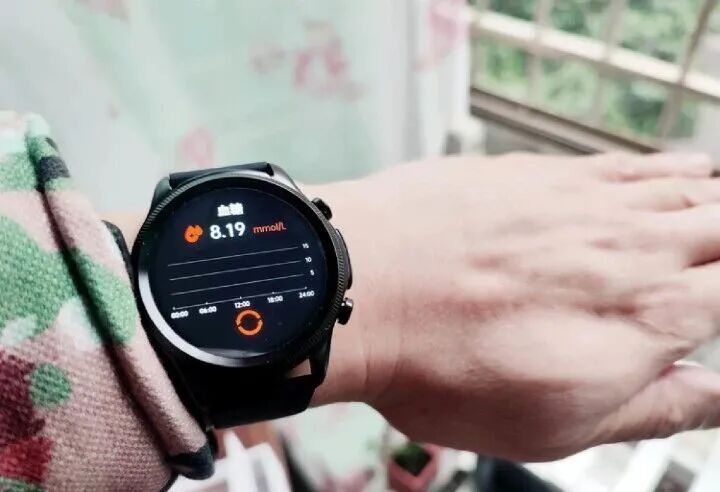
However, since the watch can be worn continuously, if it alerts you to an abnormality, you can then go to the hospital for an electrocardiogram or a dynamic electrocardiogram, which can provide a more accurate diagnosis, making it quite valuable.
In simple terms, the watch is responsible for “alerting,” while the hospital is responsible for “diagnosing”; do not confuse the two.
The accuracy of the watch: Currently, mainstream brands of watches and bands on the market have an accuracy of about 90% in determining whether it is “atrial fibrillation” or “non-atrial fibrillation,” which is quite good.
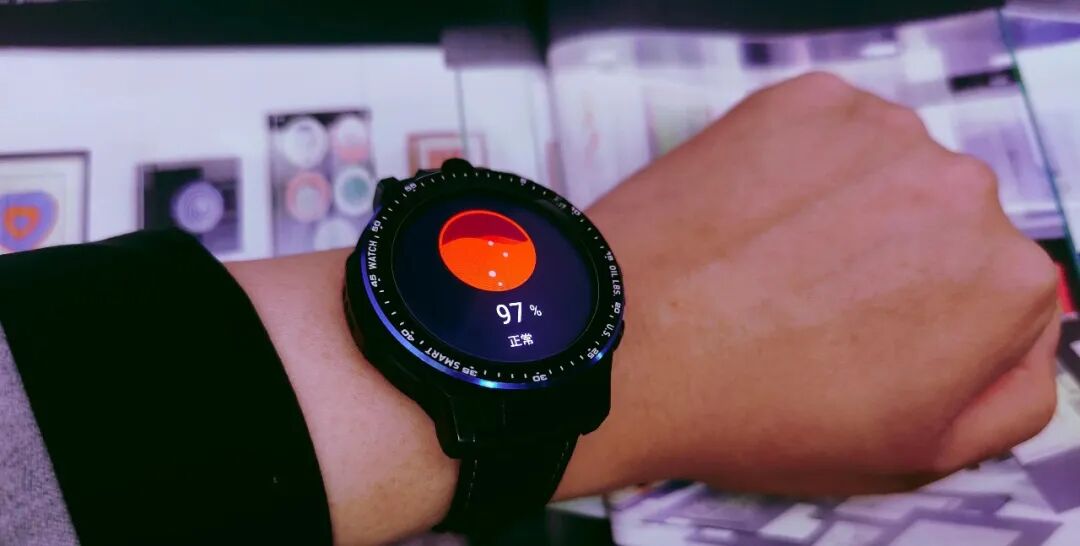
Why is the measurement of atrial fibrillation relatively accurate? Because during atrial fibrillation, the heartbeat is “absolutely irregular,” which is a very distinct characteristic. The PPG light scanning technology used by the watch can clearly identify whether the heartbeat is regular, making it less likely to be misidentified.
However, if it indicates “premature beats,” “supraventricular tachycardia,” “atrial flutter,” or other arrhythmias, it is less reliable.
On one hand, the heartbeat characteristics of these issues are not as pronounced as those of atrial fibrillation, making them easy to misidentify; on the other hand, when wearing the watch, you may be exercising, which increases interference and the probability of misidentification.
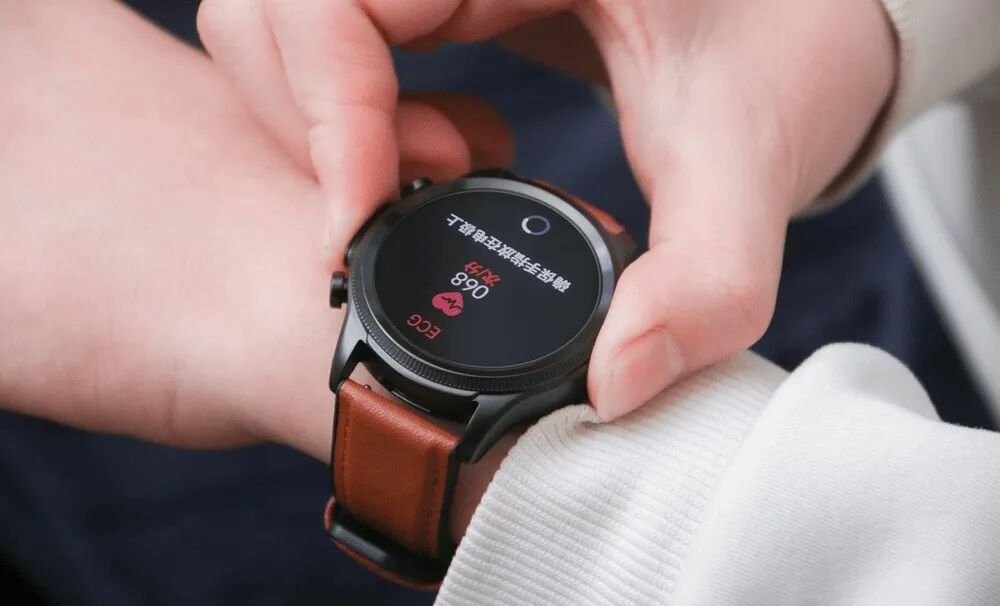
Even if the watch indicates atrial fibrillation with an accuracy of 90%, it cannot be directly considered a “diagnostic result”; a medical-grade examination must be conducted in the hospital to confirm.
After all, if atrial fibrillation is not addressed in a timely manner, it may lead to cerebral thrombosis or heart failure. Therefore, if the watch alerts you to atrial fibrillation, it is essential to take it seriously and promptly go to the hospital for further investigation; do not take it lightly.
Some people say: “I don’t feel unwell, but the watch suddenly alerts me to atrial fibrillation. Should I be concerned?”
In fact, in such cases, it is important to check promptly, as the watch may have detected “asymptomatic atrial fibrillation.” Early detection and intervention can prevent subsequent serious issues.
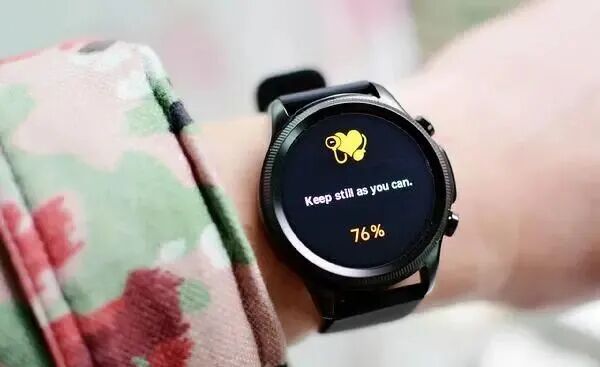
When a smartwatch indicates atrial fibrillation, its high accuracy should be taken seriously, and medical attention should be sought; if it indicates premature beats or other arrhythmias, do not panic, as the reference value is not as significant; regardless of the alert, it cannot replace hospital examinations.
If the watch alerts you, do not panic blindly, nor should you take it lightly. Take the alert to the hospital, consult a doctor, and undergo professional examinations to ensure peace of mind.