 During the summer vacation, my sister had a birthdayI wanted to buy her a watchSeeing that almost every child in China has oneSome take photos with itOthers use it to send messagesUntil I saw two kidsOne mocked the other for not having the latest modelI thought French kids probably haven’t seen such smartwatchesI bought one for my sisterShe was over the moon!…
France’s Primary Schools Completely Ban Smartwatches, Should Chinese Parents Follow Suit?
An Educational Experiment on ‘Digital Detox’
France’s New Regulation: Technological Regression or Educational Progress?
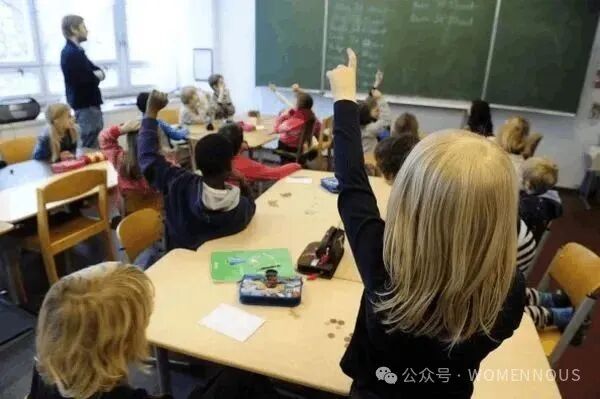
In September 2024, the French Ministry of Education will officially implement the “Campus Digital Device Ban,” requiring all primary schools nationwide to prohibit the use of smartwatches and mobile phones. This policy is not sudden:
It has been planned: France began piloting this in 2018, and a 2023 survey showed that after banning electronic devices, students’ classroom focus improved by 42%
Scientific backing: The Paris Institute of Child Psychology found that frequent notifications from smartwatches interrupt children’s deep thinking, equivalent to experiencing a “micro-concussion” every 20 minutes
Parental response: 72% of French parents support this, believing that “schools should be islands of learning”
However, paradoxically, French children own an average of 1.8 electronic devices after school — they are not opposing technology but redefining usage scenarios.

The Dilemma of Chinese Parents: Walking a Tightrope Between ‘Safety’ and ‘Loss of Control’
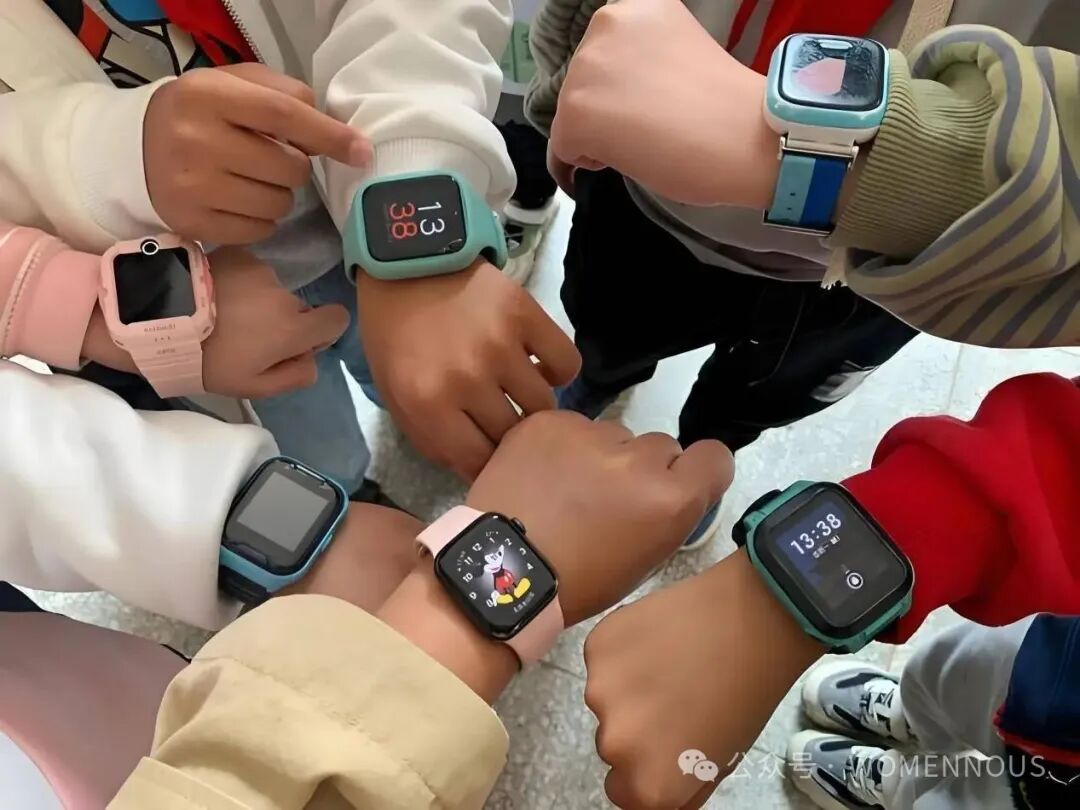
In China, children’s smartwatches are no longer just simple communication tools but complex symbols embedded in family educational anxiety.
1. “Without a watch, the child is lost” — Extreme Safety Anxiety
Location dependency: In dual-income families in major cities like Beijing, Shanghai, Guangzhou, and Shenzhen, almost everyone has the “Little Genius Parent App” installed on their phones. At dismissal, the little green dot on the app must appear at the school gate on time; otherwise, the WeChat group explodes. “Once the location was delayed by 3 minutes, I called the homeroom teacher directly,” a Beijing mother admitted.
Anti-abduction industry chain: Advertisements from children’s watch manufacturers constantly reinforce fear — simulated images of missing children, sudden alarm sounds. One brand even launched an “AI anti-abduction” feature, claiming to recognize “suspicious adult voiceprints”.
2. “Uncontrollable gaming devices” — The Backlash of Technological Parenting
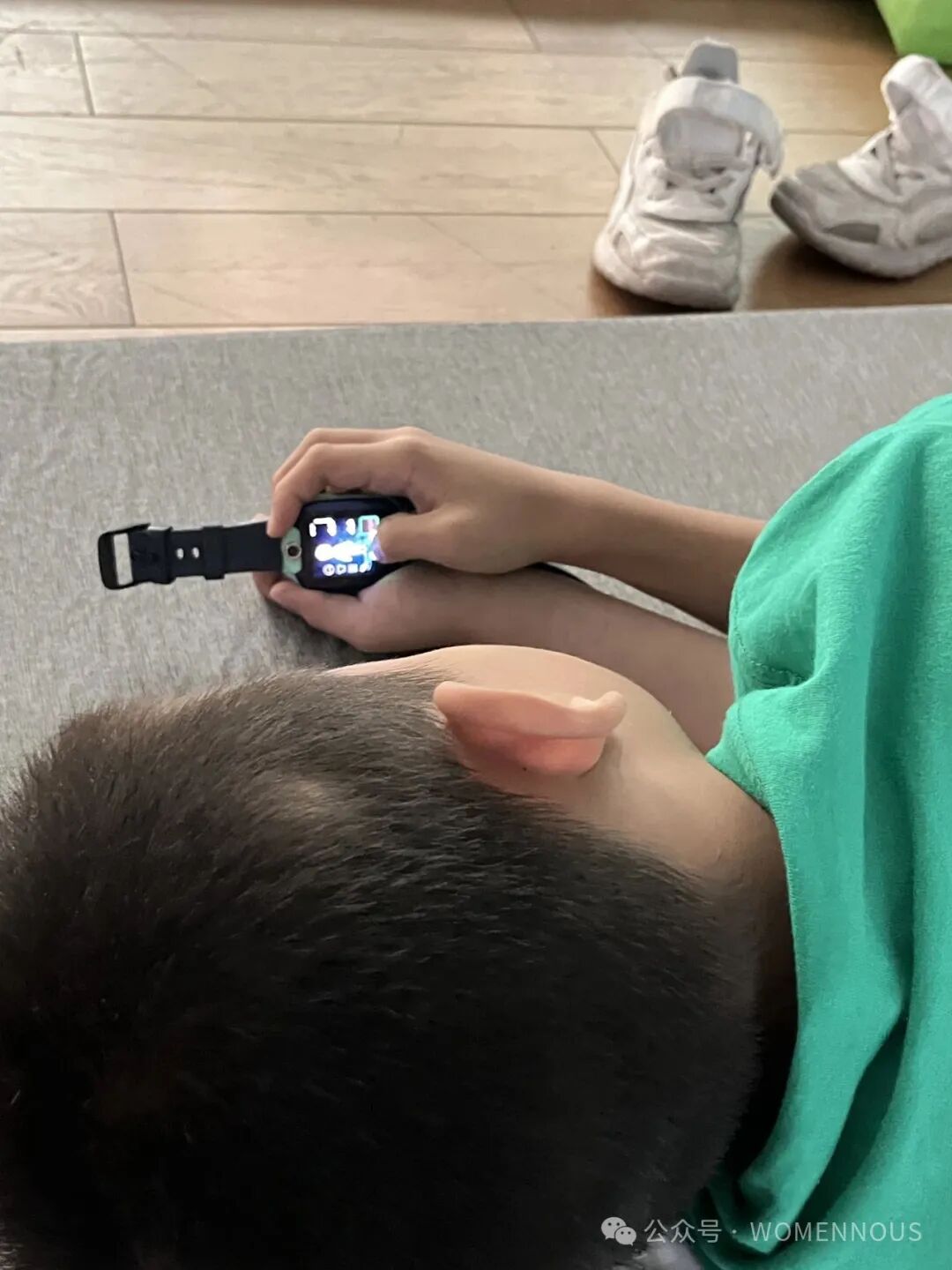
Hidden entertainment ecology: Many parents only discover that their children are using the watch to watch short videos or buy game skins when they receive the phone bill. A teacher at a primary school confiscated a watch that contained a simplified version of “Egg Party”, saying, “It’s harder to supervise than a phone because the screen is small; when the teacher walks by, they can hide it with a flick of the sleeve”.
Social coercion: “Everyone in the class uses Little Genius; if your family doesn’t have one, you’re an outlier,” this invisible pressure forces parents to compromise. Ironically, some school clubs even require “signing in with the watch,” effectively mandating purchases.
3. The Absurd Gap Between Policy and Reality
Gray carnival under strict prohibition: Although the Ministry of Education prohibits mobile phones in schools, data from an e-commerce platform shows that searches for “invisible student phones” have increased by 200% annually — including mini phones disguised as pencil cases and ultra-thin devices sewn into school uniforms.
Teachers’ dual dilemma: “When I confiscate phones, parents come to the office to cause a scene in the afternoon,” a homeroom teacher chuckled bitterly. Even more absurdly, some schools are promoting “smart campus” apps that require the use of mobile phones to complete safety education courses.
4. The Self-Contradiction of Middle-Class Families
Haidian mothers simultaneously praise “French Parenting Techniques” while buying the latest Huawei watches for their children. “I know I should limit screen time,” a Shanghai parent said while scrolling through their phone, “but all the online class assignments are on DingTalk, what can I do?”


Roots of the Differences Between China and France
|
Comparison Dimension |
French Model |
Current Situation in China |
|
Safety Foundation |
Children independently going to and from school is the norm |
Parents must ensure “always reachable” |
|
Educational Philosophy |
Emphasizes “delayed gratification” |
Embraces “technology empowerment” |
|
Commercial Environment |
Electronic device market shrank by 18% |
Children’s watch market grows over 30% annually |
The Third Path: China’s Unique “Digital Balance”
Completely copying the French ban is unrealistic, but we can learn from their “scene division” thinking:
1. Technological Improvement Solutions
Class Mode: Automatically block all non-emergency functions (Huawei has tested remote control from the teacher’s end)
After School Mode: Retain location tracking + limit call recipients (e.g., only answer parents’ calls)
2. Campus Management Innovations
Beijing is piloting “electronic sentinel” wristbands: only retaining NFC attendance and emergency calls
Some schools in Shanghai have set up “mobile phone hotels”: centralized storage during class hours
3. Family Contract Spirit
We can learn from the French “3-6-9 principle” but localize it:
Lower grades: Wear basic watches to school (no games)
Higher grades: Set “digital fasting days” (e.g., screen-free weekends)

Deeper Reflection: What Are We Really Anxious About?
This debate reflects two social mindsets:
France worries about technology eroding the essence of childhood
China is torn between “fearing children falling behind and fearing being controlled by technology”
But perhaps the most important reflection is: when adults are addicted to short videos, how can we expect children to have digital self-discipline?
True education may need to start with rebuilding adults’ focus.
(Appendix) Data Sources:
– French Ministry of Education 2024 Annual Report
– “White Paper on the Use of Smart Devices by Chinese Children”
– Huawei Children’s Product Line Interviews
Previous Articles:
Our Wandering, and Their French Years
Paris Never Sleeps: Grandmas Chasing CEOs, Moms Fawning Over Young Stars, Who Isn’t a Drama-Loving Girl?
Sorry, You Don’t Need to Be Perfect
The Pandemic Took More Than Just Time: A “Brain Acceleration Depreciation” Affecting All Humanity
Eastern Wisdom Also Discussed by Western Religions
French People Love Chinese Accents in Their Homes!

WeChat Official Account
WeChat ID: WOMEN-NOUS
Scan to Follow