 Left atrial appendage (LAA) occlusion has emerged as a non-valvular atrial fibrillation (AF) stroke prevention strategy in recent years. Similar to other congenital heart defect occlusion procedures, patients undergoing LAA occlusion require anticoagulation therapy to prevent device-related thrombus (DRT) events. However, the anticoagulation strategies post-LAA occlusion in China are not yet fully standardized, and clinicians often apply individualized anticoagulation based on the patient’s specific situation. Therefore, there is an urgent need to accumulate Chinese experience and data to indicate the direction of anticoagulation post-LAA occlusion.
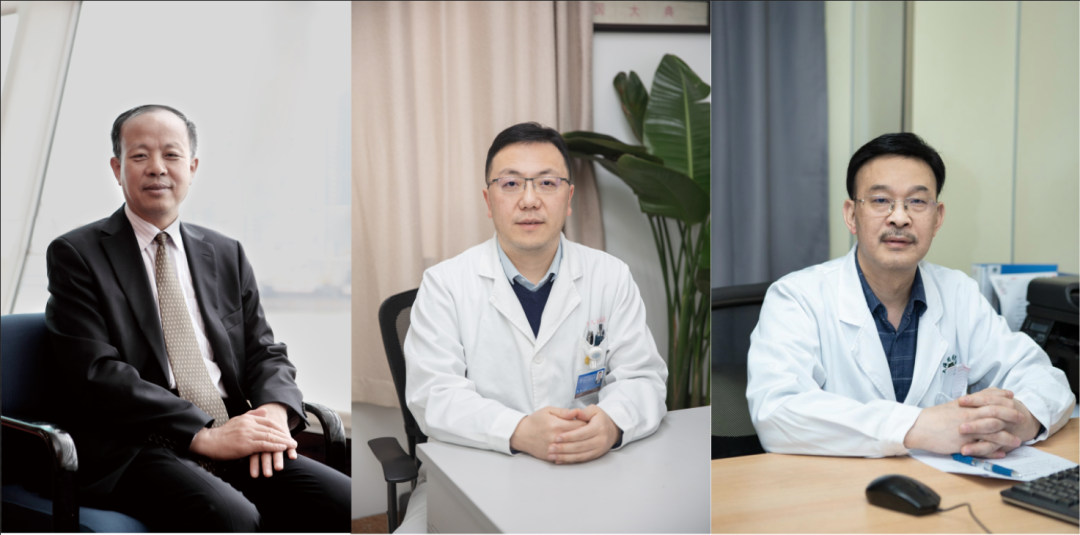
Professor Qin Yongwen: Strengthening awareness of stroke prevention related to AF, supporting individualized post-operative anticoagulation plans with Shanghai data
Randomized controlled study on different anticoagulation strategies after LAA occlusion with the LACbes occluder: DAAL study
Clinic:As a top surgeon in the field of LAA occlusion in China with extensive clinical experience in the procedure and perioperative management, you continuously strive for excellence to provide higher quality medical services to patients. What insights or achievements would you like to share from your journey? In your opinion, what unresolved issues remain in the field of LAA occlusion in China?Professor Qin Yongwen:Statistics indicate that there are approximately 4.3 million stroke patients, of which 20-30% are cardioembolic strokes, with 50% of these related to AF. This means that 1 in 6 stroke patients may experience a stroke event caused by AF. High mortality rates, high disability rates, and asymptomatic occurrences are significant identifiers of AF-related strokes. Once they occur, they severely impact the quality of life for patients and impose a significant economic burden on families. Hence, there is a saying in clinical practice: “One person has a stroke, the whole family suffers.” Moreover, considering that there are over 20 million AF patients in China, improving the prevention of AF-related strokes is the most cost-effective option from the perspectives of protecting patient health and productivity, maintaining family stability and happiness, and reducing national healthcare expenditure while emphasizing disease prevention. Previously, traditional treatment options focused on anticoagulation therapy, but complications such as gastrointestinal bleeding, intracranial hemorrhage, and other bleeding complications, as well as patients with coronary artery disease post-stenting or renal insufficiency who cannot receive anticoagulation treatment, have made clinical anticoagulation a dilemma. LAA occlusion serves as a substitute therapy for anticoagulation in high-stroke-risk patients and those who experience strokes during anticoagulation, providing a viable and effective treatment method. Although it compensates for the shortcomings of previous anticoagulation treatments, several unresolved issues remain. First, the clinical understanding and promotion of LAA occlusion technology are still lacking compared to abroad. Some radical viewpoints suggest that “all AF patients requiring anticoagulation can consider LAA occlusion,” as patients receiving anticoagulation therapy may face fatal outcomes if bleeding events occur due to external factors. LAA occlusion can help avoid major bleeding events to some extent and reduce the occurrence of disturbing bleeding, thus requiring active clinical promotion. Second, as a preventive surgery, complication prevention is crucial, necessitating standardized operations to ensure treatment safety. Currently, both at the national level and across medical centers, there is a strong emphasis on training new personnel and mastering standardized operational processes based on guidelines. I believe that in the future, we could consider granting teaching certificates based on foreign models to steadily advance the teaching of LAA occlusion, which would also increase patient confidence in the safety of the surgery and make it easier to accept. Third, due to the inherent complexity of the LAA structure, it is challenging to meet all occlusion needs with a single device. Although several LAA occluders developed by domestic companies were officially launched last year, there is significant homogeneity among them. Therefore, it is imperative to promote innovative designs of LAA occluders that align with current clinical issues (such as reducing perioperative pericardial effusion and postoperative thrombus events, and accelerating endothelialization). Fourth, we should further supplement the evidence of evidence-based medicine in China, encouraging the conduct of prospective randomized controlled trials to clarify the long-term efficacy and safety of LAA occlusion and the feasibility of dual antiplatelet therapy (DAPT) post-anticoagulation, thus providing support for the promotion of LAA occlusion technology in China from a research perspective. Clinic:To prevent postoperative device-related thrombus and promote endothelialization, patients receiving LAAC treatment still require anticoagulation therapy. Could you please introduce the overall situation of LAAC postoperative anticoagulation treatment in China? How should clinicians choose appropriate postoperative anticoagulation plans for AF patients?Professor Qin Yongwen:Currently, the anticoagulation plans recommended by guidelines or expert consensus in China, as well as those used clinically, largely follow the schemes used in foreign evidence-based studies related to LAA occlusion. The first plan involves anticoagulation (warfarin or NOAC) + single antiplatelet therapy (SAPT) for 6 weeks post-surgery, followed by stopping anticoagulation and switching to DAPT, continuing SAPT until 12 months if there are no DRT or residual shunts at the 6-month follow-up. The second plan is based on the ASPA trial (ASA Plavix Feasibility Study) proposing a DAPT strategy, which is particularly suitable for high bleeding risk patients and those who experience bleeding events necessitating the cessation of anticoagulant therapy. When we initially conducted the LACbes registration study, we chose this DAPT plan and found that among approximately 150 patients, only one experienced a DRT event; subsequent adjustments to the medication yielded good endothelialization. Since the launch of the LACbes LAA occluder, there have also been very few patients with DRT events. Additionally, previous experiences with DAPT after atrial septal defect closure and recent literature published abroad indicate that DAPT after LAA occlusion is feasible. This time, Professor Zhang Junfeng led the DAAL study, further optimizing the choice of DAPT medications based on the LACbes registration study. I believe its results will provide more experience from Shanghai for optimizing anticoagulation strategies after LAA occlusion.
Overall, clinical practice in formulating postoperative anticoagulation plans for LAA occlusion still needs to adhere to the principle of individualization. For high-stroke-risk patients, those with echogenic foci in the left atrium, poor cardiac function, or larger occluders, an anticoagulation + SAPT plan may be chosen to reduce thromboembolic events. In contrast, for patients at high bleeding risk, with renal insufficiency, intolerant to (new) anticoagulants, and those with left atria that are not particularly large, good cardiac function, and without echogenic foci, a DAPT anticoagulation plan may be chosen.
Professor Zhang Junfeng: Rigorously designed research aids in supplementing the evidence chain for China’s original LACbes LAA occluder
Randomized controlled study on different anticoagulation strategies after LAA occlusion with the LACbes occluder: DAAL study
Clinic:In recent years, LAAC has continuously achieved breakthrough results in clinical practice and device development. As a domestically developed LAA occluder, LACbes has a unique design. What advantages do you believe this occluder has, and how does its clinical application differ from other occluders? From the perspectives of postoperative anticoagulation treatment, patient prognosis, and surgeon experience, what tangible benefits will the LACbes LAA occluder bring?Professor Zhang Junfeng:In recent years, the development of cardiac interventional devices in China has flourished, with Chinese doctors utilizing their wisdom to create various distinctive LAA occluders, leaving a significant mark in the global LAA occlusion field. As Professor Qin Yongwen previously mentioned, due to the different anatomical structures of the heart appendages, there is currently no device that can achieve “universal applicability.” Therefore, product diversity is what clinicians most desire to see.
Taking occluder design as an example, the design of the LACbes LAA occluder incorporates many advantages of disc-type occluders and first introduces the concept of head-end shaping, forming a “spherical” and “inverted triangle” shape to ensure the safety of the occluder during deployment. Furthermore, when changing umbrellas, it does not require re-angiography, re-positioning, or re-withdrawal of the system, thus avoiding the increased risk of complications that may arise from cumbersome operations and extended surgical time. In terms of operability, the design features of the LACbes LAA occluder allow new operators to become proficient more quickly, with a relatively lower risk of complications for patients, making it more widely accepted and promoted by major centers in China. However, compared to other electrophysiology surgeries and complex coronary interventions, although the learning curve for LAA occlusion surgery is relatively short, achieving excellence still requires surgeons to accumulate experience through repeated clinical practice, especially for special types such as chicken wing, reverse chicken wing, or shallow appendages, where flexible techniques like coin method and sandwich method are needed to continuously refine implantation skills. From the perspective of postoperative anticoagulation, even during the preclinical studies before the launch of the LACbes LAA occluder, it provided us with refreshing insights. At that time, the anticoagulation strategies after LAA occlusion in China followed the experiences of imported plug-type occluders, often recommending anticoagulation treatment for 45 days or more or a single anticoagulation + SAPT strategy. In contrast, the LACbes LAA occluder innovatively used DAPT as the anticoagulation choice post-surgery, which demonstrated efficacy similar to that of anticoagulation strategies, undoubtedly providing an ideal option for non-valvular patients at high bleeding risk or those unable to tolerate anticoagulation treatment. Therefore, from the perspectives of surgeon experience, patient prognosis, and postoperative anticoagulation, the LACbes LAA occluder is highly advantageous and competitive, bringing tangible benefits to both clinicians and patients.
Clinic:To clarify the optimal anticoagulation strategy after LACbes implantation, relevant randomized controlled clinical trials have been initiated. As the principal investigator of the DAAL study, could you please introduce the design and progress of this study? What considerations were taken into account regarding the choice of anticoagulation drugs in the experimental and control groups?Professor Zhang Junfeng:The DAAL study was conceived about three years ago, primarily due to three reasons: First, the duration of anticoagulation treatment for AF patients is lifelong, and as patients age and liver and kidney functions deteriorate, they become more susceptible to severe side effects and potential complications. Second, LAA occlusion itself serves as a substitute therapy for anticoagulation; if patients still have to undergo mandatory anticoagulation treatment post-surgery, it somewhat contradicts the intention of choosing this therapy, creating a “paradox.” Third, based on its pre-market studies, the LACbes occluder recommends using DAPT as the postoperative anticoagulation strategy. We hope to further explore the advantages of DAPT versus anticoagulation strategies through a prospective, multicenter, randomized controlled study. Fourth, “class effects” exist not only in medications but also in medical devices. Although many experts both domestically and internationally have explored the feasibility of DAPT after LAA occlusion with different occluders, their results are not “class effects” and cannot be directly applied to the LACbes LAA occluder. Therefore, based on the above reasons, we officially registered two years ago, successfully obtained project approval from the Shenkang project, and completed the ethical review, ultimately receiving the registration number.
The DAAL study is a completed prospective, randomized, controlled, multicenter clinical study involving patients undergoing LAA occlusion with the LACbes LAA occluder and receiving either DAPT or anticoagulation treatment. It plans to enroll 296 patients, randomly assigned in a 1:1 ratio to the DAPT group (aspirin 100 mg qd + ticagrelor 90 mg bid) or the anticoagulation group (rivaroxaban 15 mg qd). The primary efficacy endpoint is the incidence of major clinical adverse events (stroke/transient ischemic attack, other thromboembolic events, device-related thrombus events, all-cause mortality) at 12 months, while the primary safety endpoint is bleeding events (BARC standard ≥3a). However, unlike the pre-market studies of LACbes, in the DAPT group of the DAAL study, we chose to use ticagrelor instead of the previously used clopidogrel. The main reason is based on the high incidence of clopidogrel resistance in the Chinese population. Clinicians have found that many patients experience acute/subacute thrombosis and severe complications affecting their prognosis even when adhering to the standardized DAPT anticoagulation regimen recommended by guidelines post-PCI due to high platelet reactivity after clopidogrel treatment. For LAA occlusion patients, if the implantation of the occluder leads to DRT events, it is undoubtedly counterproductive. Thus, in selecting the DAPT anticoagulation strategy, we opted for ticagrelor, which has a very high ADP-induced platelet inhibition rate determined by thromboelastography, to mitigate the risk of clopidogrel resistance in the Chinese population, making the overall study design more scientific and comparable. We also hope that the DAAL study will help supplement the evidence chain for the LACbes LAA occluder with independent intellectual property rights, facilitating its domestic and international use and promotion, allowing more non-valvular AF patients to benefit from it.
Professor Ning Zhongping: Flexibly adjusting individualized anticoagulation strategies post-surgery under increasingly robust evidence support
Randomized controlled study on different anticoagulation strategies after LAA occlusion with the LACbes occluder: DAAL study
Clinic:High-level clinical trials provide significant guidance for practical work. As a surgeon with extensive experience in LAA occlusion, how is the LAA occlusion technology being implemented at your center? What positive impacts do you believe the DAAL study may have on the management of LAAC post-surgery in China?Professor Ning Zhongping: LAA occlusion has been confirmed in multiple evidence-based studies as an important method for preventing stroke events in non-valvular AF patients. Therefore, our center officially began performing LAA occlusions in 2016, and as of now, we have completed over 1,600 procedures. The technical difficulty of LAA occlusion itself is not great, but postoperative anticoagulation treatment is a critical management step for all cardiac interventional device implantations and a vital factor directly affecting patient prognosis, making it a focal point for clinicians. To date, there is no unified standard anticoagulation medication plan for LAA occlusion globally; Chinese clinicians often refer to European and American experiences, typically adopting anticoagulation and SAPT+DAPT+SAPT treatment methods post-surgery, adjusting based on various factors such as patient tolerance to anticoagulation treatment, weight, age, etc. However, it remains undetermined whether European and American experiences are fully applicable to Chinese patients. We hope to explore a truly suitable postoperative anticoagulation plan for our Chinese AF patients through a series of evidence-based medical studies. The DAAL study is based on the preliminary results of the LACbes LAA occluder clinical study led by Professor Qin Yongwen. It found that compared to anticoagulation strategies, DAPT did not increase the incidence of DRT events post-surgery. Therefore, Professor Zhang Junfeng further developed the DAAL study based on this result and optimized the DAPT medication plan by replacing clopidogrel with ticagrelor, believing that it will provide stronger clinical evidence for the postoperative DAPT anticoagulation strategy for domestic disc occluders. Clinic:After ten years of resilient struggle, China’s LAAC field has made significant progress. In your view, what areas can be further explored to optimize postoperative anticoagulation strategies for LAAC? What are your expectations for the future development of LAAC in China?Professor Ning Zhongping:In recent years, both domestic and international guidelines have proposed higher recommendation levels for LAA occlusion, and in the future, LAA occlusion will inevitably become a primary method for stroke prevention in non-valvular AF patients. Compared to anticoagulation regimens in Europe and America, the DAPT anticoagulation strategy after LAA occlusion has lower renal function requirements for patients and can reduce the risk of bleeding to some extent, allowing more patients to achieve better prognoses from LAA occlusion procedures. Besides the DAPT anticoagulation strategy, many evidence-based studies in recent years have also attempted to explore more diversified postoperative anticoagulation plans for LAA occlusion, such as the low-dose rivaroxaban twice-daily dosing plan published by Professor Li Yuechun’s team from Wenzhou Medical University in Frontiers in Pharmacology, and the SAPT anticoagulation plan of new-generation imported plug-type occluders. However, fundamentally, when considering postoperative anticoagulation strategies for LAA occlusion, clinicians should prioritize patient safety, adhere to the individualized principle under the overarching framework of guideline-recommended anticoagulation, adjust medication dosages or drug choices as appropriate, and enhance follow-up and monitoring for patients with special comorbidities, making the overall postoperative anticoagulation process for LAA occlusion safer, instilling more confidence and reassurance in both doctors and patients.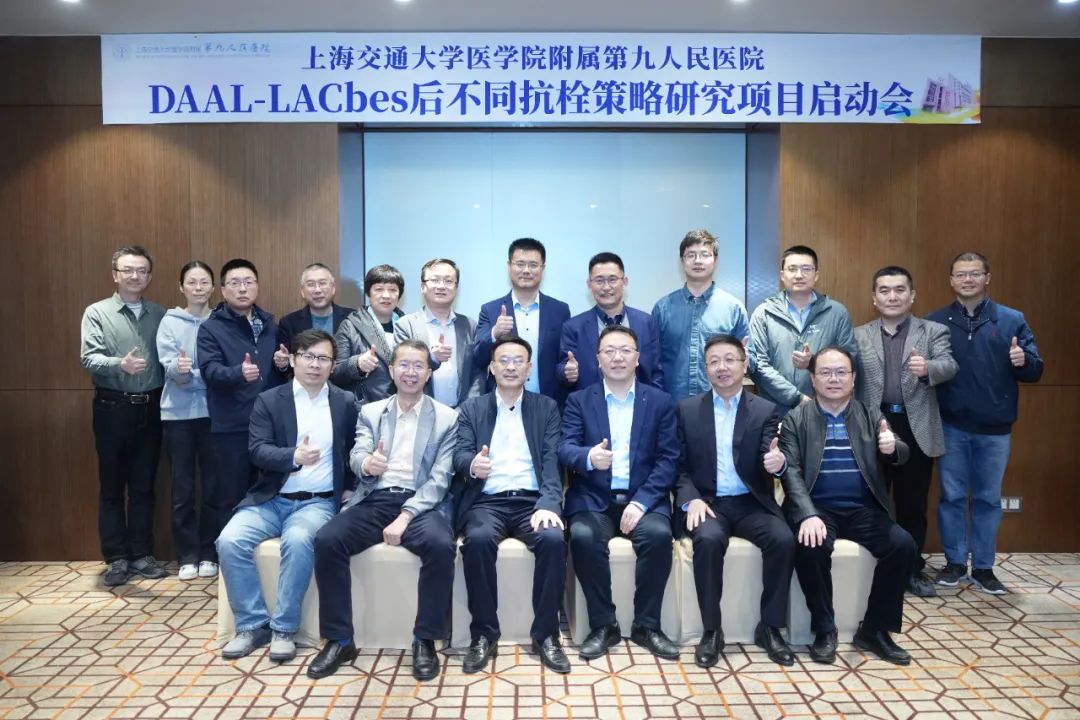
Expert Profiles

Professor Qin Yongwen
Changhai Hospital, Navy Medical University
Swipe up to read
PhD supervisor, Level 3 professor in military technology, Chief physician of the Department of Cardiology at Changhai Hospital, Navy Medical UniversityMember of the Cardiovascular Disease Branch of the Chinese Medical Association, Standing Committee Member of the Cardiovascular Medicine Branch of the Chinese Physician Association, Committee Member of the Structural Heart Disease Branch of the Asia-Pacific Heart Alliance, Consultant of the Cardiovascular Disease Branch of the Shanghai Medical Association, Editorial Board Member of multiple domestic cardiovascular disease journals. He has undertaken more than ten national 863 and 973 projects, national natural science fund projects, and Shanghai Municipal Science and Technology Commission projects. He has published over 50 SCI-indexed papers, edited ten monographs, and received five provincial and ministerial-level scientific and technological progress awards. Twice awarded the second prize for national scientific and technological progress. In 2011, he received the gold award for cultivating talents in military academies and has four national invention patents and eight utility model patents. He has been honored once with a second-class merit and twice with a third-class merit.
Professor Zhang Junfeng
Shanghai Ninth People’s Hospital, Shanghai Jiao Tong University School of Medicine
Swipe up to read
Director of the Cardiology Department, Chief Physician, PhD Supervisor
Committee Member of the Left Atrial Appendage Occlusion Working Committee of the Chinese Atrial Fibrillation Center Alliance, Standing Committee Member of the Cardiogenic Stroke Prevention and Treatment Professional Committee of the Yangtze River Delta Cardiovascular Alliance, Committee Member of the Cardiovascular Branch and Science Popularization Branch of the Shanghai Medical Association, Committee Member of the Cardiovascular Branch of the Shanghai Physician Association, Vice Chairman of the Cardiovascular Branch of the Shanghai Association of Integrative Medicine, Deputy Chairman of the Electrocardiogram Branch of the Pudong New Area, Shanghai; Moderator of the OCC Thrombosis Forum; Coronary Interventional Training Mentor, Global Teaching Expert in LAA Occlusion;
Specializing in interventional treatment of coronary heart disease and LAA occlusion. He has rich experience in treating CHIP cases and intravascular imaging. In recent years, he has focused on research in thrombosis formation and anticoagulation, undertaking multiple projects from the National Natural Science Foundation, Shanghai Municipal Science and Technology Commission, and Shanghai Shenkang municipal-level hospital technology promotion and application.
Professor Ning Zhongping
Zhoupu Hospital, Shanghai Health Medical College
Swipe up to read
Director of the Cardiology Department
Committee Member of the Cardiovascular Internal Medicine Physician Branch of the Chinese Physician Association, Committee Member of the Left Atrial Appendage Occlusion Working Committee of the Electrophysiology and Pacing Branch of the Chinese Medical Association, Secretary of the Left Atrial Appendage Group of the Cardiac Rhythm Section of the Chinese Biomedical Engineering Society (CHRS), Standing Committee Member of the First Left Atrial Appendage Working Committee of the Chinese Atrial Fibrillation Center Alliance, Committee Member of the Cardiovascular Health Medicine Branch of the Chinese Medical Promotion Association, Committee Member of the Cardiac Rehabilitation Management Committee of the Chinese Hospital Association, Vice Chairman of the Cardiovascular Disease Committee of Pudong New Area, Chairman of the Electrocardiogram Committee of Pudong New Area; recognized as the “First Regional Famous Doctor” in Shanghai and awarded the “May Day” Labor Medal in Pudong New Area, and the “Pudong Craftsman” award in 2020.
One of the early practitioners of cardiac interventional therapy in China, with deep expertise in interventional treatment of coronary heart disease, cardiac pacing therapy, structural heart disease interventional therapy, and arrhythmia interventional therapy; has completed nearly 20,000 various cardiac interventional surgeries, over 600 atrial fibrillation cryoablation procedures, and over 1,500 LAA occlusions, guiding dozens of hospitals in China to perform atrial fibrillation ablation and LAA occlusion. He is now a global teaching expert for cryo-balloon ablation for atrial fibrillation and LAA occlusion. He has received two provincial-level scientific and technological progress awards, one municipal-level first prize, and one third prize for scientific and technological progress, and has published over 30 papers while undertaking and participating in more than ten projects.

This content is original to the Clinic magazine
Reproduction requires authorization and must indicate the source.
Clinic门诊新视野|WeChat ID: ClinicMZ

Official WeChat of Clinic magazine
Long press, recognize the QR code, and follow us