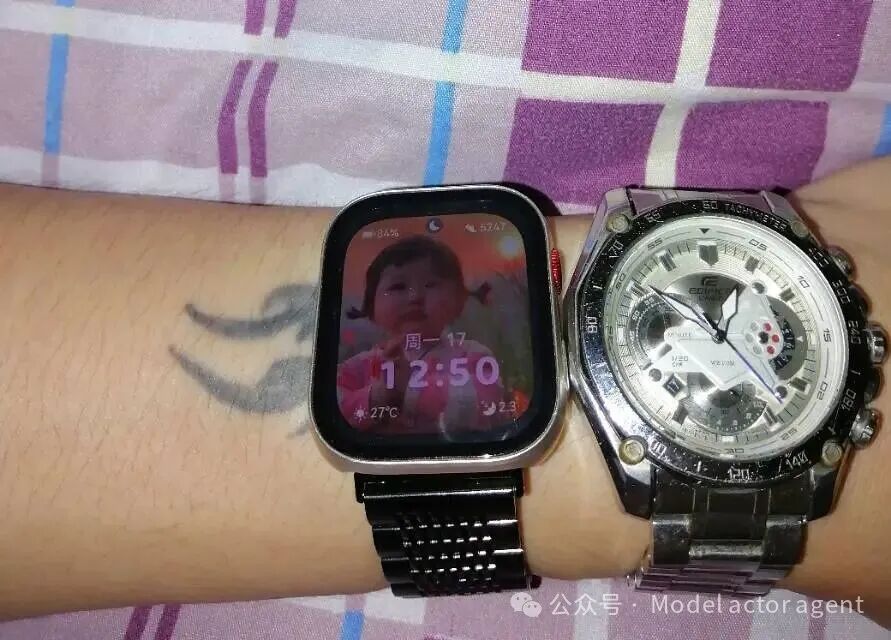
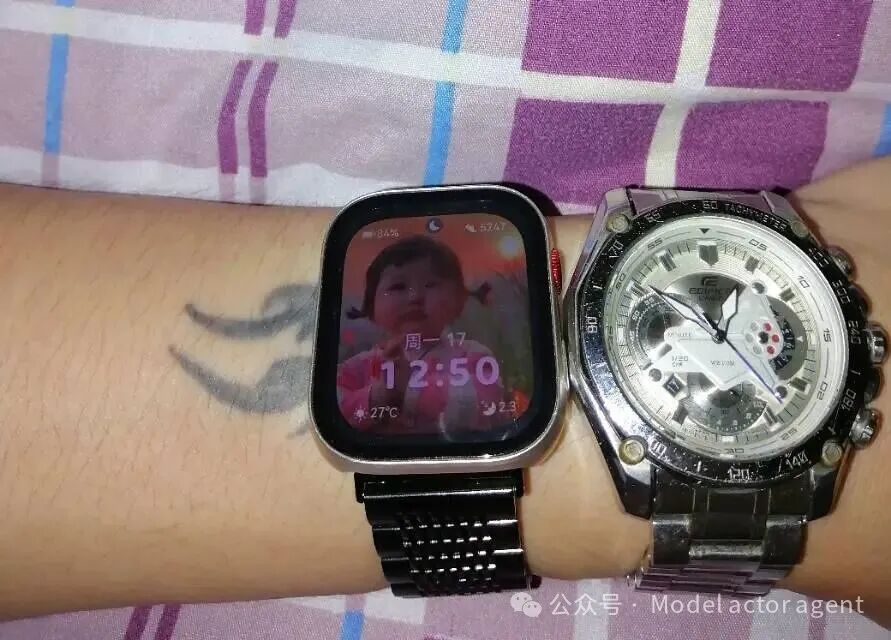
Different preferences exist when choosing between a smart watch and a traditional watch. The key is to clarify your core needs and usage scenarios. Below are the main differences and suitable user groups for both:
Functionality
Smart Watch: Suitable for users who need health monitoring (such as heart rate, blood oxygen, sleep), exercise tracking, mobile payments, message notifications, navigation, and more. For example, the Huawei Watch GT6 excels in battery life and health monitoring, making it ideal for Android users; the Lankang Watch Ultra is suitable for users needing high performance and standalone use; the Apple Series 10 is perfect for users within the Apple ecosystem.
Traditional Watch: Suitable for users who value time display and mechanical craftsmanship, ideal for collection or as a status symbol.
Design and Craftsmanship
Smart Watch: Offers diverse designs, but some users feel that its design is not as refined as traditional watches.
Traditional Watch: Exquisite craftsmanship, suitable for business or formal occasions, such as the Longines Classic Replica series.
Battery Life and Maintenance
Smart Watch: Requires frequent charging, with shorter battery life, but high-end products like the Huawei Watch GT6 can last up to 18 days.
Traditional Watch: No need for charging; mechanical watches require regular maintenance.
Price and Value Retention
Smart Watch: Wide price range, from hundreds to thousands, with lower value retention.
Traditional Watch: Generally higher prices, with some high-end brands retaining value well.
Target Audience
Smart Watch: Suitable for users pursuing technological features, health monitoring, and multitasking, especially Android users.
Traditional Watch: Suitable for users who value craftsmanship, collectible value, and formal wear.
Conclusion: If you need health monitoring and multifunctionality, choose a smart watch; if you value craftsmanship and collectible value, opt for a traditional watch. Choose the one that best fits your needs and budget.