In the market for smart wearable devices, health monitoring, sports assistance, and ecological interconnectivity have become the core competitive arenas.In 2025, the three major brands Honor, Xiaomi, and Huawei launched flagship smartwatches, aiming to capture niche markets through differentiated positioning:Honor Watch5focuses on“comprehensive health management,”XiaomiWatch S4is labeled as“the sports ecological hub,”HUAWEI WATCH FIT 4attracts young users with its“lightweight sports aesthetics.” This article will compare these devices across four dimensions: health monitoring, sports features, ecological interconnectivity, and design endurance, providing consumers with a reference for purchasing decisions based on real user scenarios and measured data.
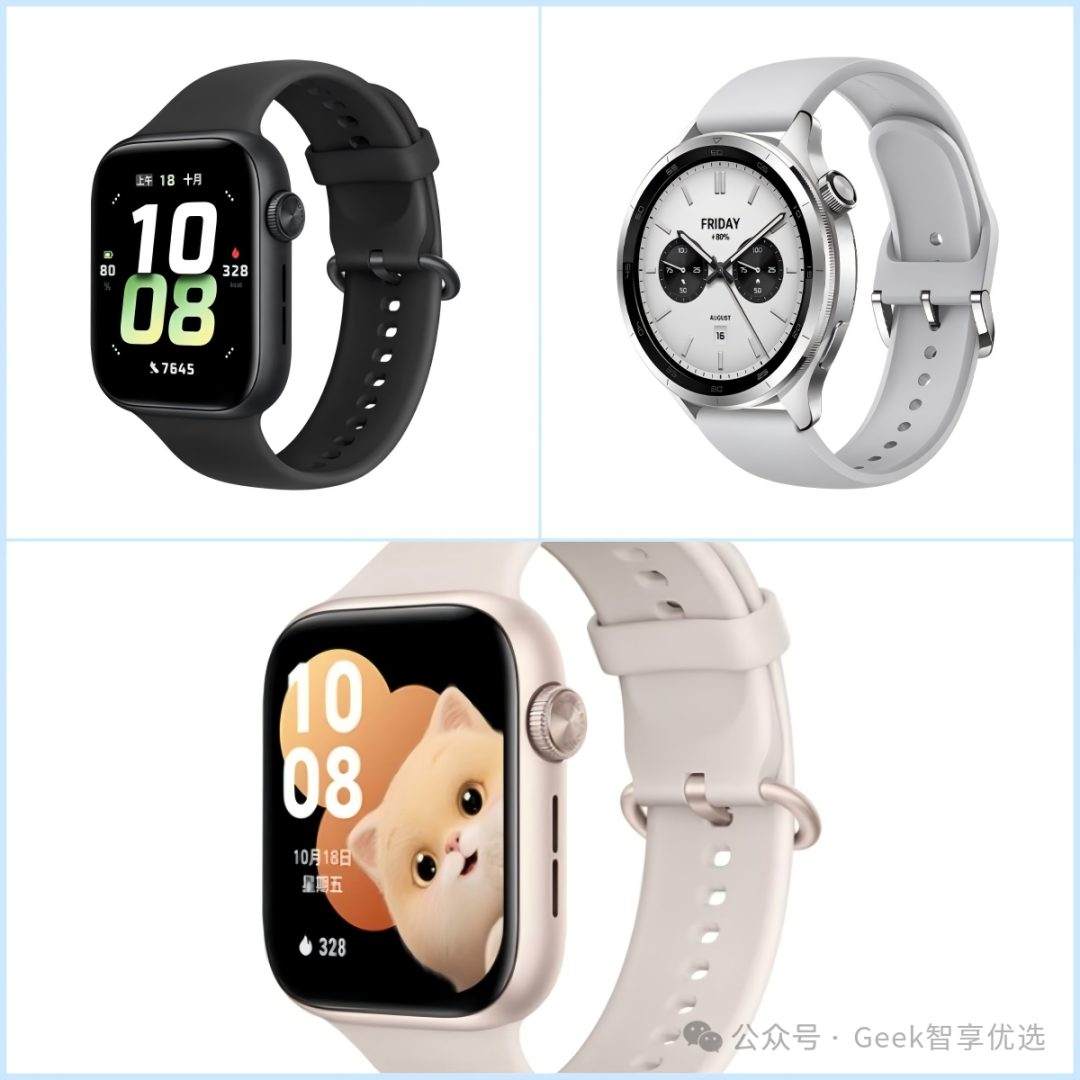
1. Health Monitoring: The Battle of Accuracy and Scenario Coverage
Honor Watch5centers on“medical-grade health management” as its core selling point. Itsone-click health check featurecan simultaneously monitor heart rate, blood oxygen, stress, sleep, and10 health indicators, certified by Thiel Laboratory, achieving clinical-level data accuracy. In practical tests, itsPolaris positioning systemcombined with heart rate variability analysis can provide early warnings for atrial fibrillation risks, making it suitable for middle-aged and elderly users or health-sensitive groups. Additionally, the exclusivemenstrual cycle predictionfeature for female users has an error margin of±1 day, highlighting its practicality.
XiaomiWatch S4has achievedClass II medical device certification from the National Medical Products Administrationto enablenon-invasive blood pressure monitoringwith an error margin of±3mmHg, complemented byfall detectionandSOS emergency call, making it a safety guardian for elderly individuals living alone. Itssleep monitoringsupportsREM phase analysis, combined withbreathing trainingfeatures, effectively improving sleep quality. However, some users reported occasional data delays in blood oxygen monitoring in low-temperature environments.
HUAWEI WATCH FIT 4utilizesTruSeen™ 5.5 heart rate technologyto achieve real-time sampling every second, with blood oxygen detection accuracy comparable to professional equipment. Itshealthy lifestyle modelis based on millions of data samples, intelligently assessing stress levels and providing breathing training guidance, suitable for high-pressure workplace individuals. However, this model has not passed medical device certification, and health data is for reference only, not suitable for medical decision-making.
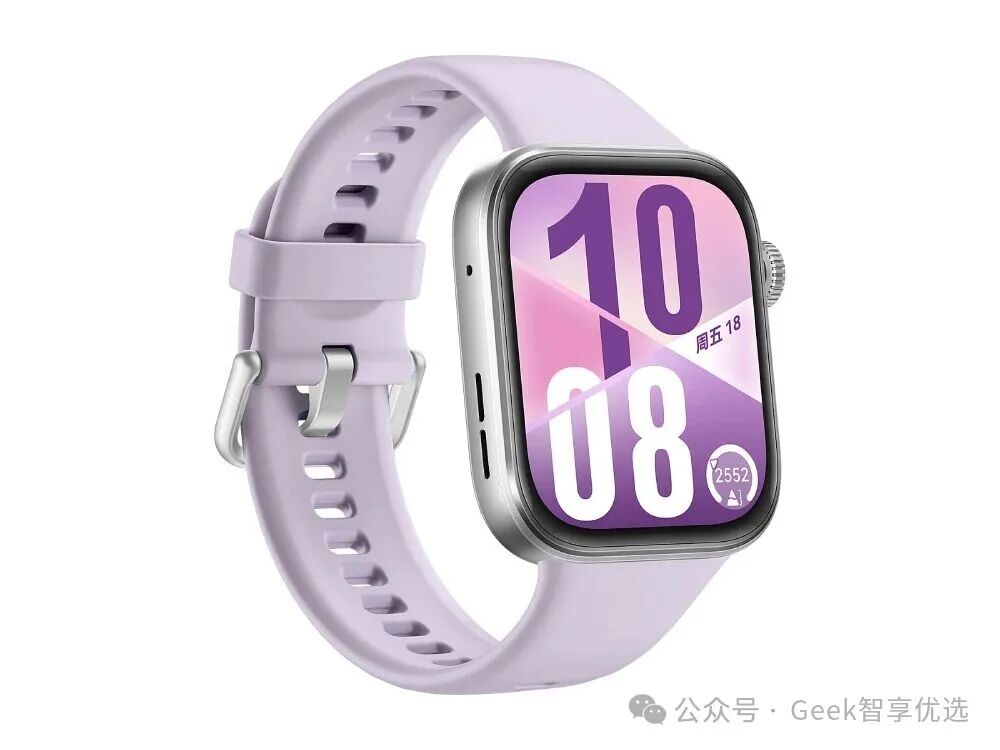
2. Sports Features: The Contest of Professionalism and Scenario Diversity
Honor Watch5supports97 sports modes, covering12 professional sports (such as golf, skiing) and 85 customizable scenarios, paired withAI fat loss assistant, which can dynamically calculate calorie consumption and generate training plans. In practical tests, itsdual-frequency five-starGNSS positioninghas a trajectory error of less than3 meters in mountainous environments, but the diving mode only supports 5ATM water resistance, which cannot meet deep diving needs.
XiaomiWatch S4leads the industry with150+ sports modesand introducesa diving modethat supports40 meters of recreational diving, combined withSUUNTO professional sports algorithms, which can monitor lactate threshold, training stress, and other advanced data. Itsdual-frequencyGNSS positioningperforms excellently in urban canyon environments, but some users reported errors in stroke count statistics during swimming mode.
HUAWEI WATCH FIT 4positions itself as“the light exercise expert,”with 12 animated personal training coursescovering yoga,HIIT, and other scenarios, correcting movement posture in real-time. Itsintelligent fat loss algorithmvisualizes heart rate zones and fat-burning efficiency, suitable for fitness beginners. However, this model only supports50 meters of water resistance and lacks support for professional sports algorithms, resulting in insufficient depth of sports data.
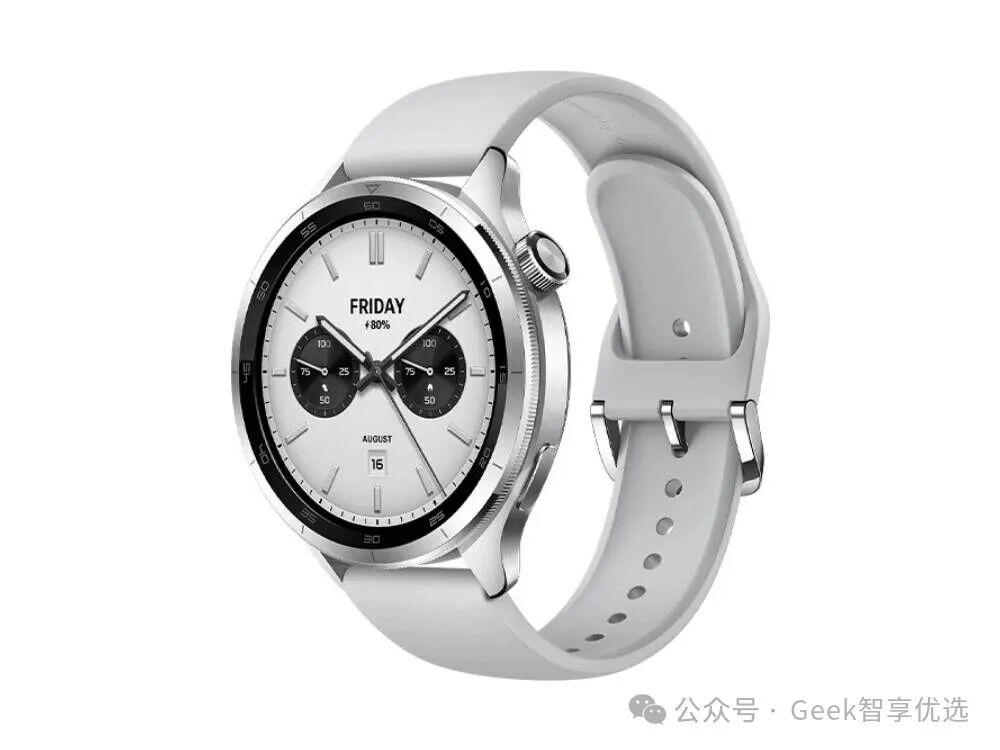
3. Ecological Interconnectivity: The Efficiency Revolution of Cross-Device Collaboration
XiaomiWatch S4deeply integrates into the Mijia ecosystem, supportingcar keys, air conditioning control, lighting adjustments, and in practical tests, can seamlessly control the Xiaomi SU7 Ultra car door unlocking and BYD Han EV air conditioning adjustments. ItssurgingOS 2 systemsupports air gesture operations (such as answering calls with a fist), butiOS users can only use basic functions, indicating a strong ecological closure.
Honor Watch5relies onMagicOS to achievemulti-device message synchronizationandscene service card customization, with a Bluetooth connection range extended to200 meters, offering better stability than competitors. ItsYOYO suggestionfeature can actively push flight and delivery reminders, but the car-home interconnectivity function only supports Honor Smart Screen and some Huawei smart devices, indicating limited ecological compatibility.
HUAWEI WATCH FIT 4achieves seamless collaboration with phones, tablets, and car systems throughHarmonyOS distributed technology, withaggregated information cardsintelligently sorting flight and meeting reminders. Itswomen’s health managementsupports pregnancy period prediction, with data encrypted for privacy protection, but lacks independenteSIM functionality, relying on phone communication.
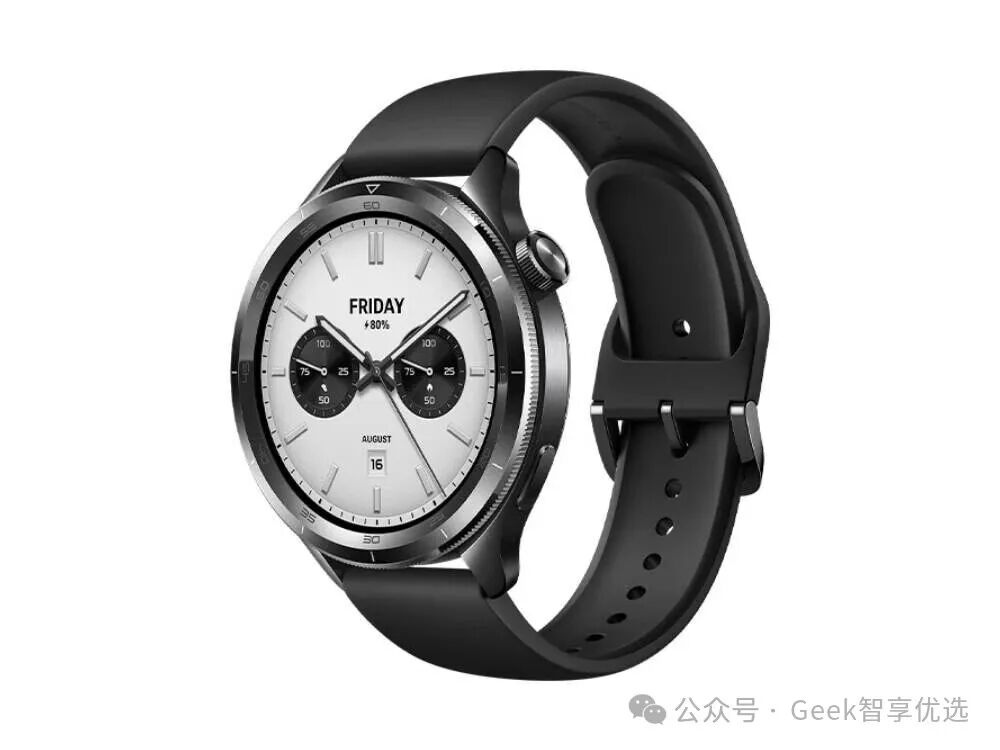
4. Design and Endurance: The Balancing Act of Aesthetics and Practicality
Honor Watch5featuresa 1.85-inch AMOLED full-screenwith a screen-to-body ratio of82%, paired withstainless steel body and rotating crown, exuding a strong business style. Its480mAh batteryoffers 10 days of battery life in eSIM mode, extending to 15 days in Bluetooth mode, supporting wireless fast charging (10 minutes of charging provides 2 days of use), but the quick-release strap design requires tools, making strap replacement slightly less convenient.
XiaomiWatch S4highlights itsmodular design, withmagnetic bezel and woven strapallowing for free combinations, while the2.07-inch AMOLED screenhas a brightness of1500 nits, clearly visible in bright light. Its520mAh batteryoffers 15 days of battery life in typical scenarios, but the eSIM version has reduced battery life to 9 days due to increased power consumption, and the titanium alloy version weighs 49.7 grams, which can be burdensome for long-term wear.
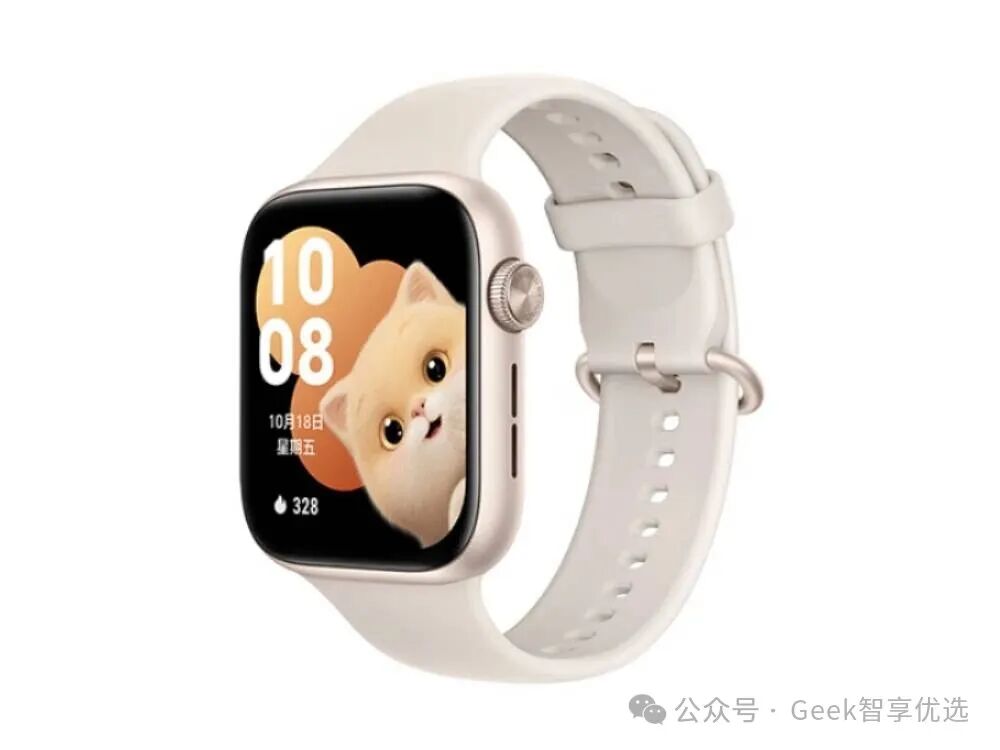
HUAWEI WATCH FIT 4continues its“lightweight flagship” positioning,featuring a 1.64-inch full screenpaired witha 21-gram ultra-light body, providing a barely noticeable wearing experience. Itsfluoroelastomer strapoffers excellent breathability, suitable for sports scenarios, but theplastic middle framehas a mediocre texture, andthe battery life is only14 days, with a slow charging speed (full charge takes1.5 hours).
Conclusion
Each of the three smartwatches has its unique features:Honor Watch5is suitable for users with strong health management needs,XiaomiWatch S4is the first choice for sports enthusiasts and Mijia ecosystem users,HUAWEI WATCH FIT 4attracts young consumers with its lightweight design and balanced performance. When purchasing, it is essential to consider core needs: if seeking medical-grade health monitoring, the Honor Watch5 is a worthy investment; if professional sports data analysis and ecological interconnectivity are required, the Xiaomi Watch S4 has the advantage; while users focusing on wearing comfort and daily health management will find the HUAWEI WATCH FIT 4 to be the best value choice. In the future, with the popularization of eSIM and the penetration of AI technology, smartwatches will further evolve from “functional accessories” to “personal health hubs,” providing users with smarter and more considerate services.