In fields such as aerospace and energy, the demand for metal materials that can withstand extreme high temperatures is increasingly urgent. However, traditional manufacturing techniques struggle to process complex structures of high-temperature components, while 3D printing technology has faced challenges in applying to thermally sensitive metals due to high thermal stress issues.Recently, Chinese scientists have made significant breakthroughs in this area! A research team from the University of Science and Technology Beijing has successfully developed a niobium-based alloy Nb-3W-2Mo-1Zr-0.1O (referred to as Nb321) that can be used in laser powder bed fusion technology (PBF-LB/M). This alloy can achieve defect-free formation under no post-heat treatment conditions and exhibits excellent softening resistance at 1600°C.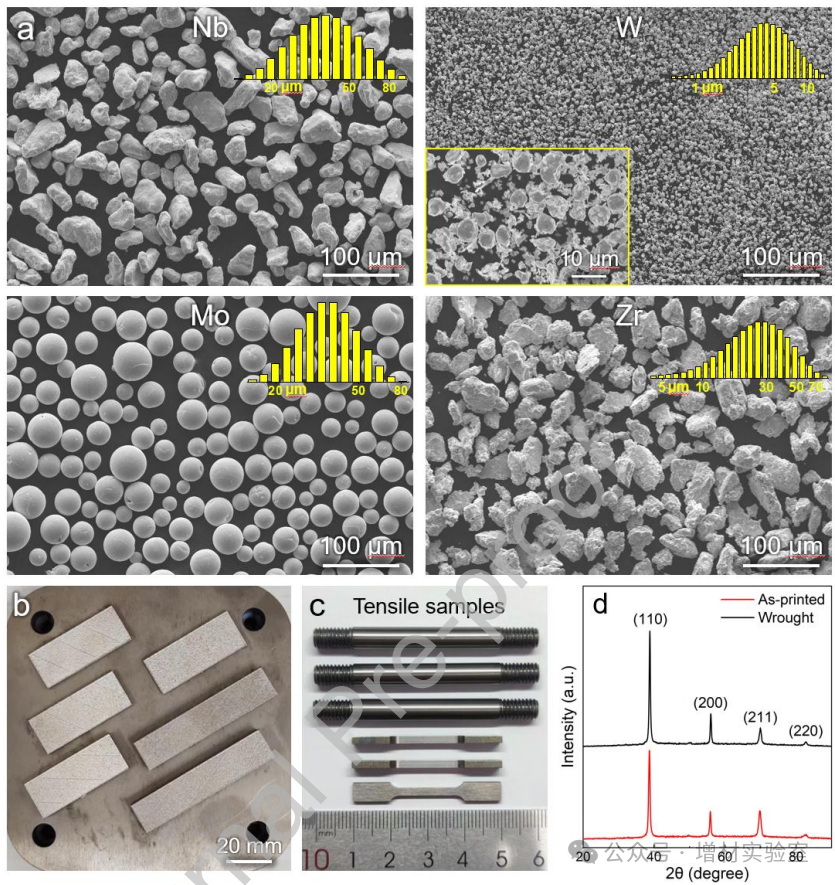
Technical Bottleneck: The Thermal Stress Challenge in 3D Printing
Although additive manufacturing (3D printing) technology can produce complex metal components, the rapid heating and cooling cycles introduce significant thermal stress. For thermally sensitive metals and their alloys, such as tungsten and molybdenum, this high thermal stress can limit dislocation movement, leading to crack initiation and propagation, severely restricting their application in high-temperature environments.Traditional solutions such as alloying or post-processing heat treatments can eliminate defects but often sacrifice the high-temperature performance of the materials. Achieving good printability while maintaining high-temperature performance has been a major challenge in this field.
Innovative Design: Synergistic Effects of Nanostructured Zirconia Precipitates and Subgrains
The research team carefully designed the alloy composition to create a unique microstructure that perfectly addresses this challenge. The Nb321 alloy has two key features:1. Nanostructured Deformable Zirconia PrecipitatesDuring the 3D printing process, zirconium and oxygen atoms aggregate to form nanoscale zirconia precipitates, which bond well with the niobium matrix and effectively alleviate thermal stress.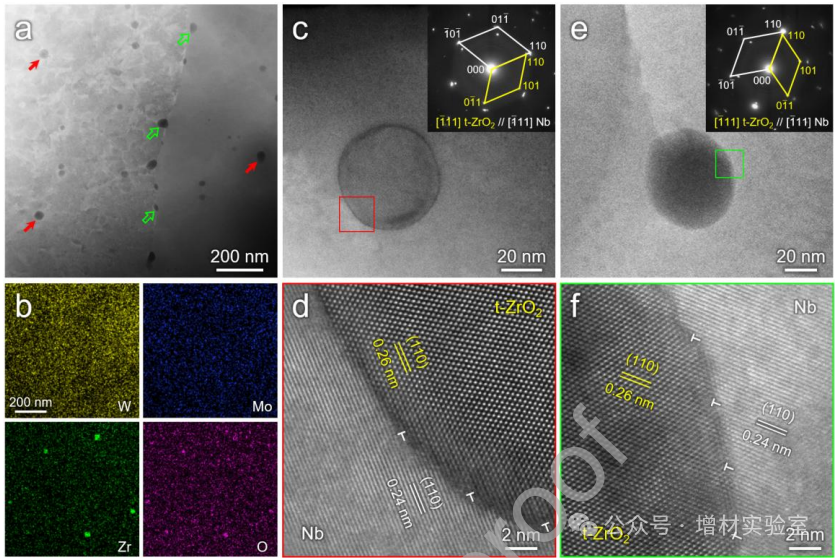 2. High-Density Subgrain StructureA large number of subgrains form within the alloy, and these subgrain boundaries can store dislocations, promoting stable plastic flow and significantly enhancing the material’s strain hardening capability.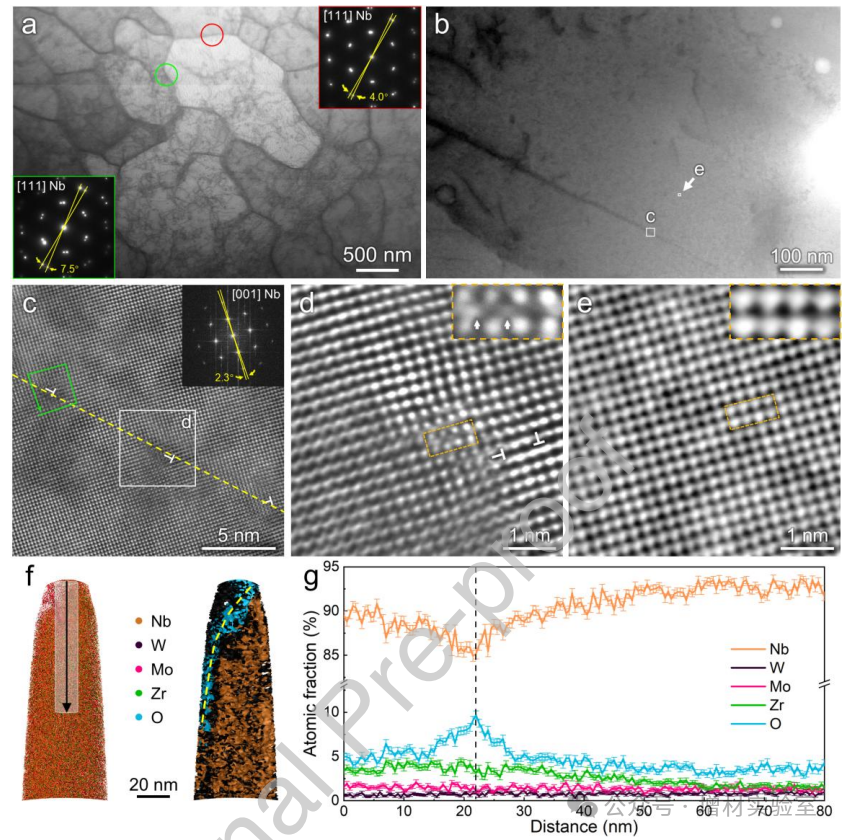
Outstanding Performance: Excellent Dual Performance at Room and High Temperatures
Exceptional Room Temperature PerformanceThe 3D printed Nb321 alloy exhibits excellent mechanical properties at room temperature: a yield strength of 620.5±6.7 MPa, a tensile strength of 714.2±4.9 MPa, and a total elongation of 24.6±0.5%. Its yield strength is approximately 65% higher than that of the commercially available forged Nb521 alloy, and it is twice the minimum value specified by standards.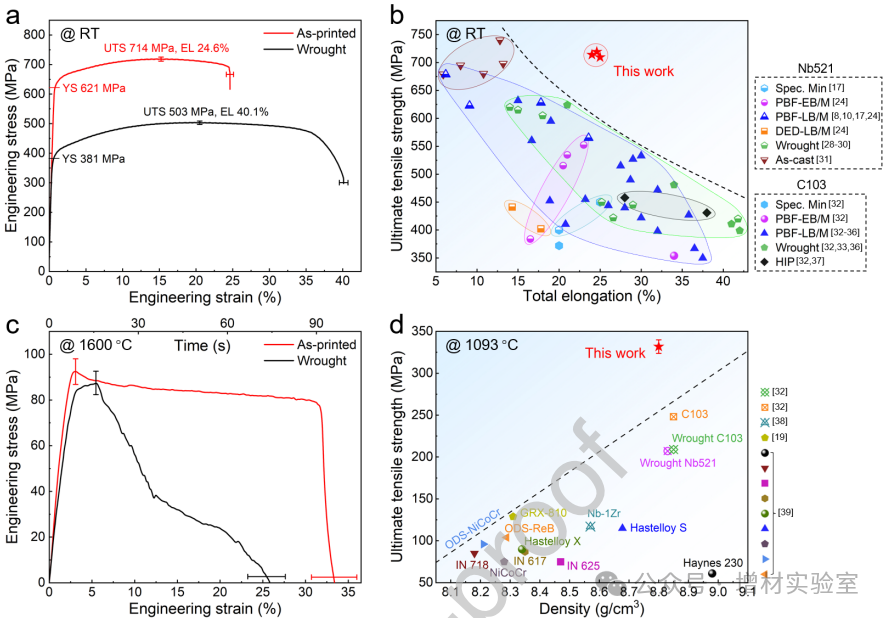 High-Temperature Performance BreakthroughEven more remarkable is its performance in extreme high-temperature environments: at 1600°C, the alloy maintains a yield strength of 84.5±1.8 MPa and a tensile strength of 92.2±5.6 MPa, with a total elongation of 32.6±2.7%. Compared to traditional forged alloys, the work hardening duration of the 3D printed Nb321 alloy has increased by seven times (84 seconds versus 12 seconds), demonstrating outstanding high-temperature softening resistance.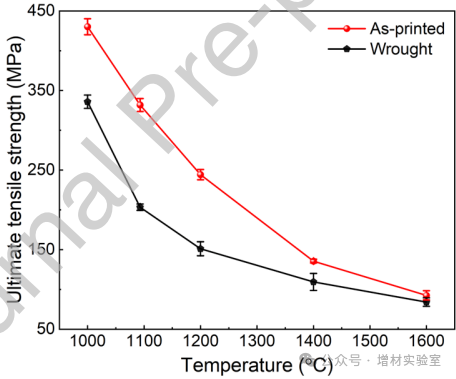
Mechanism Analysis: The Scientific Principles Behind High-Temperature Performance
Research has found that the excellent high-temperature properties of this alloy stem from its unique microstructural characteristics:Grain Boundary Pinning Effect: At high temperatures, zirconia precipitates can effectively pin grain boundaries, preventing grain boundary migration and suppressing the recrystallization process.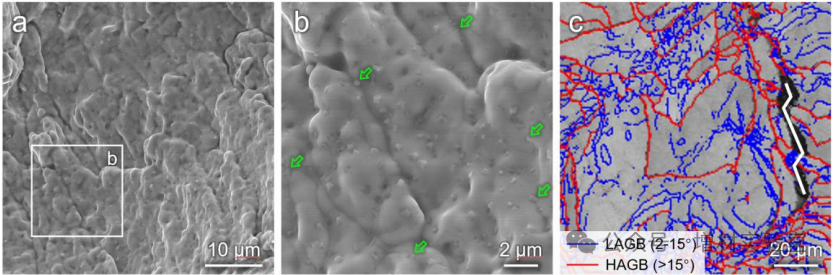 Dislocation Locking Mechanism: Intra-grain zirconia precipitates hinder dislocation slip, while a good precipitate-matrix interface can act as vacancy sinks, obstructing dislocation climb.Phase Transformation Toughening: Zirconia precipitates undergo a transformation from tetragonal to monoclinic phase under stress, accompanied by stacking fault and twinning formation, effectively accommodating strain and delaying fracture.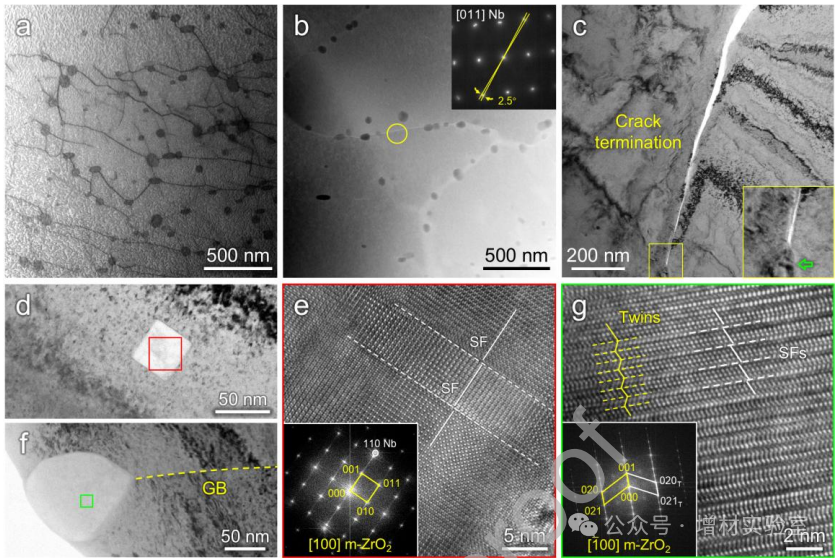
Thermal Stability: Assurance for Long-Term High-Temperature Applications
This alloy exhibits excellent thermal stability in high-temperature environments, which is a key guarantee for its practical applications.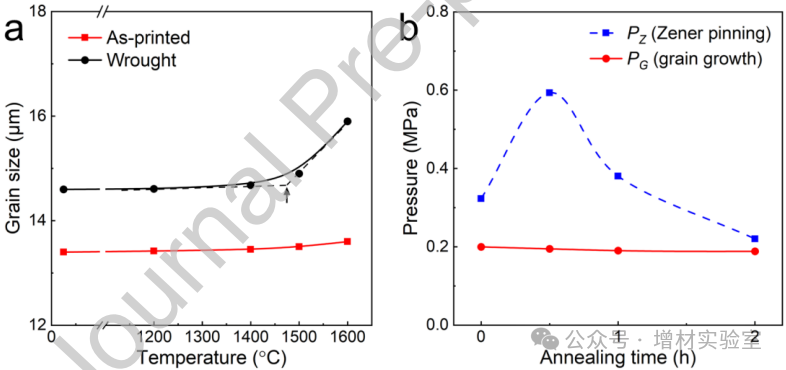
Application Prospects and Significant Implications
Significant Cost AdvantagesBy using low-cost elemental powder raw materials and avoiding expensive post-processing heat treatment processes, manufacturing costs are reduced by approximately 30-40% compared to traditional methods.Outstanding Material PerformanceWhile maintaining excellent high-temperature performance, it achieves good room temperature plasticity and strength, with overall performance superior to existing commercial high-temperature alloys.Significance of Technological BreakthroughThis research has achieved defect-free 3D printing of thermally sensitive metals for the first time, providing a new solution for the manufacturing of complex high-temperature components.Broad Industrialization ProspectsIt has wide application prospects in fields such as aerospace engine components, nuclear reactor materials, and high-temperature chemical equipment, and has already engaged in collaborative research and development with several enterprises.
Conclusion
This groundbreaking research not only developed a printable niobium-based alloy with outstanding high-temperature performance but also provided new design ideas for the entire high-temperature materials field. Through clever microstructural design, it successfully resolved the compatibility issues between 3D printing technology and thermally sensitive materials, pointing the way for the development of materials for extreme environmental applications in the future.The research results have been published in the top materials science journal “Acta Materialia,” with the research team from the University of Science and Technology Beijing, the University of Sydney, the University of Queensland, and other renowned institutions. The first authors are Dr. Chen Jianan, Liu Chang, and others, with corresponding authors being Professors Chen Gang, Liao Xiaozhou, Zou Jin, Qu Xuanhui, and others.