Detailed Explanation of PCB Surface Treatment Types and Their Characteristics
Detailed Explanation of PCB Surface Treatment Types and Their Characteristics

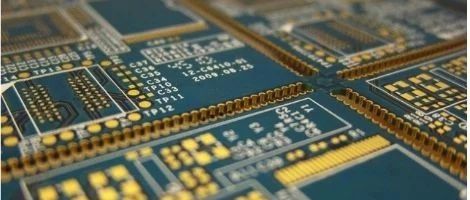
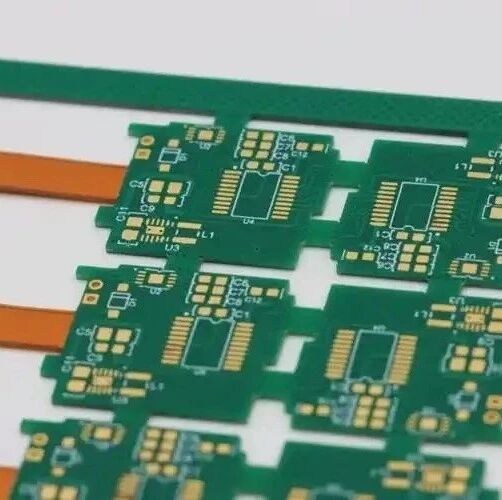
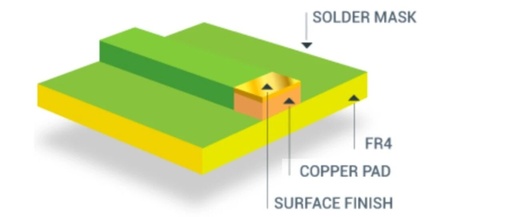
Yesterday, we published the article “Call for Papers on PCBA Design and Manufacturing,” and we welcome everyone to submit their contributions. 1. Why Do PCBs Need Surface Treatment? The core purpose of PCB surface treatment is to: protect copper pads and ensure their solderability.. 1. Prevent pad oxidation: Copper easily oxidizes in air, and the … Read more
Which Part of PCB Circuit Board Costs the Most?

Which Part of PCB Circuit Board Costs the Most?

1. Major Cost Components Under Normal Circumstances 1. Lamination and Drilling (for Multilayer Boards) • Lamination: • The more layers, the higher the cost. For every additional two layers, extra core boards, prepreg (PP sheets), and longer pressing cycles are required. The cost of an 8-layer board is significantly higher than that of a 6-layer … Read more

Applications of Plasma Technology in FPC Manufacturing Processes

Applications of Plasma Technology in FPC Manufacturing Processes

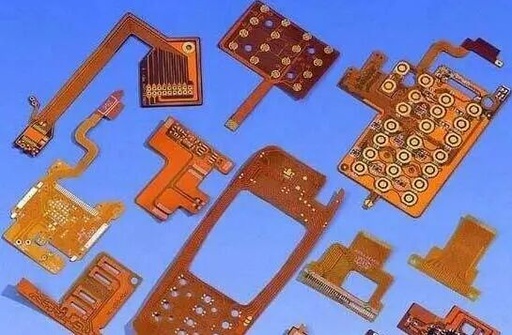
What are the specific applications of plasma in the industrial field? In the process ofFlexible Printed Circuit Boards (FPC), the value of this technology is particularly prominent. In the FPC process, the adhesive must bond the insulating film to the conductive material and form a protective coating. The surface treatment before bonding is a critical … Read more

Knowledge of Surface Plating for Flexible Circuit Boards (FPC)

Knowledge of Surface Plating for Flexible Circuit Boards (FPC)

Click on the arrow “China Electroplating Network” , follow us 1. Plating of Flexible Circuit Boards (FPC) (1) Pre-treatment for FPC Plating: The copper conductor surface exposed after the coating process of the flexible printed circuit board (FPC) may be contaminated with adhesives or inks, and may also have oxidation or discoloration caused by high-temperature … Read more

Surface Treatment of Injection Molded Parts: SPI and VDI

Surface Treatment of Injection Molded Parts: SPI and VDI

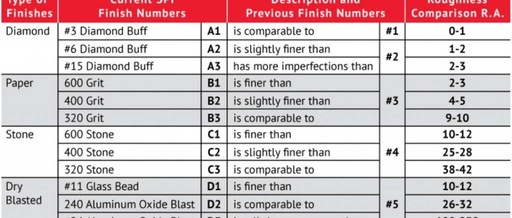
The Society of the Plastics Industry (SPI) has established a set of finishing process standards to represent the surface finish of finished parts. Molds can be polished or textured either mechanically or manually; specific standards are shown in the table below: The translation summary is as follows: SPI Series: VDI Series: 1. Core Logic Framework … Read more

What is OSP (Organic Solderability Preservative) Surface Treatment for PCBs? Advantages and Disadvantages? Considerations for PCBA Production?

What is OSP (Organic Solderability Preservative) Surface Treatment for PCBs? Advantages and Disadvantages? Considerations for PCBA Production?

[OSP (Organic Solderability Preservative) is a chemical method that grows a layer of organic copper complex compound on the surface of copper. This organic film can protect the clean bare copper on the circuit board from rusting (sulfidation or oxidation) in normal storage environments by preventing contact with air, and it can be easily removed … Read more

The Underlying Logic and Pricing Secrets of PCB Cost Calculation!

The Underlying Logic and Pricing Secrets of PCB Cost Calculation!

01Main Factors Affecting PCB PricesPCB pricing has always been a source of confusion for many purchasers. Many people wonder how these prices are calculated when placing orders. Below, we will discuss the components that make up PCB pricing.1. Price Differences Caused by Different Materials Used in PCBsTaking a standard double-sided board as an example, the … Read more

PCB Surface Treatment Processes: Choosing Right is a ‘Godsend’, Choosing Wrong is a ‘Pig Teammate’

PCB Surface Treatment Processes: Choosing Right is a 'Godsend', Choosing Wrong is a 'Pig Teammate'

In the field of electronic device manufacturing, printed circuit boards (PCBs) are undoubtedly a critical component, and their surface treatment processes have a profound impact on the performance, reliability, and production costs of PCBs. From consumer electronics such as smartphones and tablets to industrial control devices, automotive electronic systems, high-end communication equipment, and aerospace instruments, … Read more

PCB Manufacturing Industry Terminology (Part II): Common PCB Surface Treatment Processes, Their Advantages, Disadvantages, and Applicable Scenarios

PCB Manufacturing Industry Terminology (Part II): Common PCB Surface Treatment Processes, Their Advantages, Disadvantages, and Applicable Scenarios

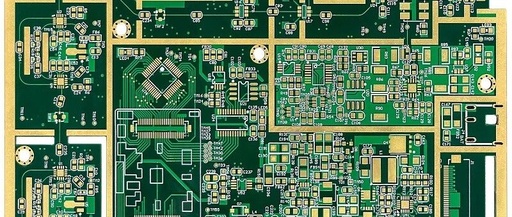
After designing the PCB, we send it to the PCB manufacturer for prototyping or mass production. When placing an order with the manufacturer, we include a PCB processing technology specification document, which specifies the type of PCB surface treatment process to be used. Different PCB surface treatment processes can significantly affect the final PCB processing … Read more

Knowledge of Surface Plating for Flexible Circuit Boards

Knowledge of Surface Plating for Flexible Circuit Boards

1.Flexible Circuit Board Plating   (1) Pre-treatment for FPC Plating: The surface of the copper conductors exposed after the coating process of the flexible printed circuit board (FPC) may be contaminated with adhesives or inks, and may also have oxidation or discoloration due to high-temperature processes. To achieve a tightly bonded plating layer with good adhesion, … Read more