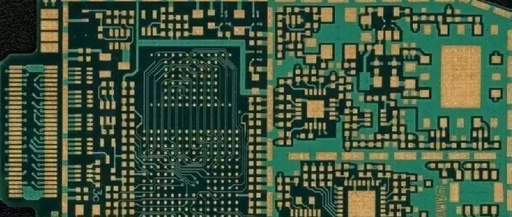
In-Depth Comparison and Analysis of PCB Surface Treatment Processes

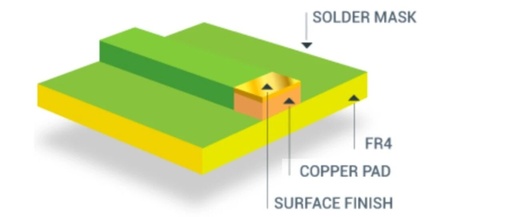
1. The Core Role of Surface Treatment Processes First, it is important to understand why surface treatment is necessary: Preventing Copper Oxidation: Bare copper is highly susceptible to oxidation in the air, and the resulting copper oxide can severely damage solderability. Providing a Solderable Layer: It provides a good soldering surface for the connection between … Read more
Exploring the Shelf Life of PCBs: Definitions, Influencing Factors, and Scientific Evaluation Methods

In the electronics manufacturing industry, Printed Circuit Boards (PCBs) serve as the substrate for electronic components and the hub for electrical connections. Their quality and reliability directly determine the performance and lifespan of the final electronic products. However, a crucial issue that is often overlooked is that PCBs are not used immediately after production; they … Read more

Detailed Explanation of PCB Surface Treatment Types and Their Characteristics

Detailed Explanation of PCB Surface Treatment Types and Their Characteristics

Yesterday, we published the article “Call for Papers on PCBA Design and Manufacturing,” and we welcome everyone to submit their contributions. 1. Why Do PCBs Need Surface Treatment? The core purpose of PCB surface treatment is to: protect copper pads and ensure their solderability.. 1. Prevent pad oxidation: Copper easily oxidizes in air, and the … Read more

PCBA Appearance Inspection Standards (Illustrated)

PCBA Appearance Inspection Standards (Illustrated)

1. Purpose: To provide a basis for the appearance inspection of PCBA products produced at our SMT station. In cases where the specific appearance standards conflict with customer requirements, customer requirements shall prevail in principle. 2. Scope: This standard references IPC-610D (for dedicated service electronic products) PCBA appearance inspection standards and is applicable only to … Read more

Why Use Gold Plating and Immersion Gold on PCBs? Differences Explained

Why Use Gold Plating and Immersion Gold on PCBs? Differences Explained

1. PCB Surface Treatment The surface treatment processes for PCBs include: anti-oxidation, tin spraying, lead-free tin spraying, immersion gold, immersion tin, immersion silver, hard gold plating, full board gold plating, gold fingers, nickel-palladium gold OSP, etc. The main requirements are: low cost, good solderability, strict storage conditions, short time, environmentally friendly processes, good soldering, and … Read more