What are the specific applications of plasma in the industrial field? In the process ofFlexible Printed Circuit Boards (FPC), the value of this technology is particularly prominent. In the FPC process, the adhesive must bond the insulating film to the conductive material and form a protective coating. The surface treatment before bonding is a critical step—at this point, a plasma cleaning machine can play an important role: by utilizing plasma surface technology for ion-level cleaning, it can efficiently remove microscopic contaminants from the surface while improving the surface activity of the materials, thus ensuring a stronger bond and effectively enhancing the overall yield.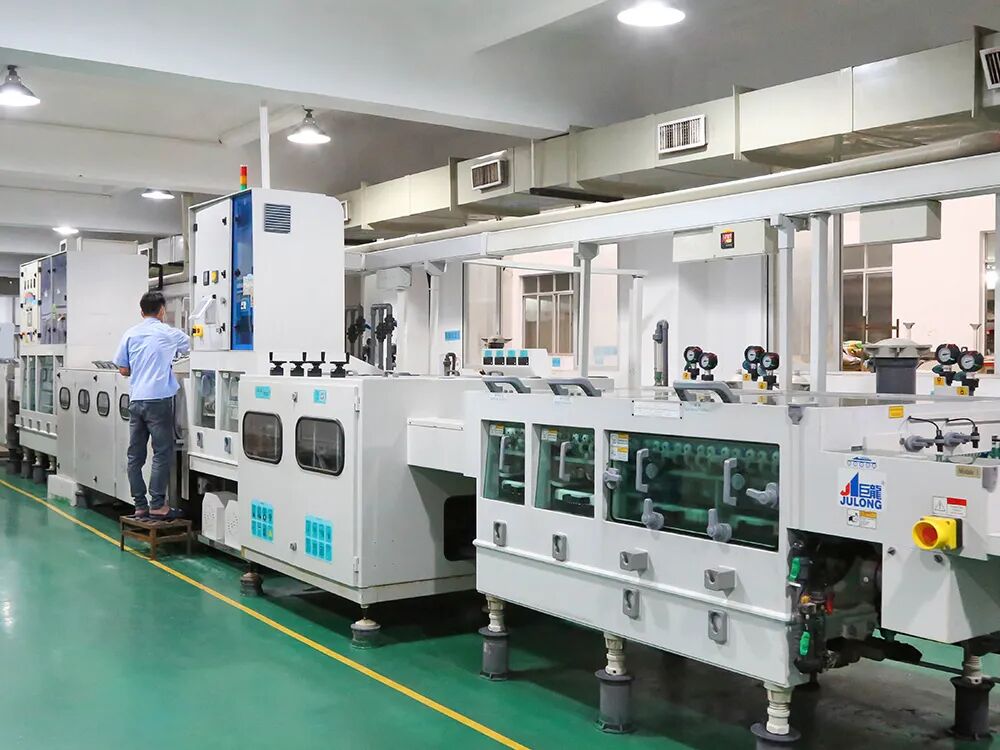 The application prospects of FPC are continuously rising with the proliferation of smart devices and the explosive growth in demand for flexible displays. Meanwhile, the FPC process is constantly upgrading towards “light, small, thin, and short,” which provides a broad application space for plasma surface treatment technology, making its value in FPC production increasingly prominent.
The Core Advantages of Plasma Surface Technology in the FPC Industry
- More efficient adhesive residue removal: Compared to traditional chemical methods for adhesive residue removal, plasma technology offers stronger stability and more thorough processing, which can improve yield by over 20%.
- Removal of laser carbonization without aperture restrictions: It can effectively eliminate carbonization caused by laser burning, and is not affected by aperture size, making it more versatile.
- Elimination of gold finger short circuit risks: After laser cutting gold fingers, black carbonization can easily occur at the edges, potentially leading to micro-short circuits during high-voltage testing; plasma cleaning can thoroughly remove these carbonizations, fundamentally eliminating short circuit issues.
- Precise removal of dry film residues: In the production of fine lines, it can efficiently remove dry film residues (including interlayer film), ensuring line accuracy.
- Significantly enhances lamination bonding strength: Plasma treatment of substrates such as PI before lamination can not only thoroughly remove surface oil, fingerprints, oxidation films, and other foreign substances but also roughen the surface through etching, increasing the lamination bonding strength by over 10 times, effectively addressing issues of insufficient bonding strength and delamination caused by smooth substrate surfaces and residual impurities.
Author: Shenzhen Xinent Electronics Co., Ltd. / Shenzhen Xinate Electronics Co., Ltd.END
After reading, click the lower right corner ♥Recommend
Let the concept of promoting Cantonese culture inspire more people

Global open Cantonese ecological platform

Cantonese Network Official Website
China Site www.yuetol.com
Global Site cantoneseglobal.com
Outstanding Business www.suec.cn

Cantonese NetworkIT
Website Development / Website Operation / 3D Development WeChat 13922266979www.yuet.net ← Global Cantonese Business Exchange GroupOutstanding Business www.suec.cnGlobal Chinese Excellence B2B Business Platform
CANTONESE BIZ