Lukangsatuzumab: A Domestic TROP2 ADC Cancer Treatment Star, Multiple Phase III Studies Top International Journals
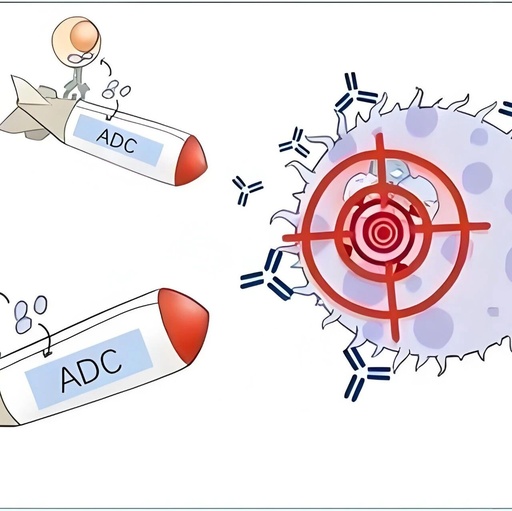
Lukangsatuzumab: A Domestic TROP2 ADC Cancer Treatment Star, Multiple Phase III Studies Top International Journals

The medical community welcomes a new “weapon” against cancer, as a domestic innovative drug demonstrates outstanding performance in the treatment of lung cancer and breast cancer, bringing new hope to advanced patients.At the 2025 European Society for Medical Oncology (ESMO) annual meeting, a domestically developed innovative antibody-drug conjugate—Lukangsatuzumab (Sac-TMT, Jiatai Lai®)—announced multiple Phase III clinical … Read more


2025 ESMO: Sacituzumab Tirumotecan Outperforms Chemotherapy

Sacituzumab tirumotecan (sac-TMT) is an antibody-drug conjugate targeting trophoblast cell surface antigen 2, which has been shown to significantly extend the survival of patients with EGFR-mutant non-small cell lung cancer (NSCLC) who have progressed after treatment with epidermal growth factor receptor (EGFR) tyrosine kinase inhibitors (TKIs) and platinum-based chemotherapy. Methods In this phase III clinical … Read more

JTO Authority Review: Efficacy and Safety of Neoadjuvant Targeted Therapy for Resectable NSCLC

JTO Authority Review: Efficacy and Safety of Neoadjuvant Targeted Therapy for Resectable NSCLC

The standard treatment (SoC) for surgically resectable early-stage (I-IIIB) NSCLC patients is surgery combined with (new) adjuvant systemic therapy for patients with stage II to IIIB and certain stage IB patients, with chemotherapy and radiotherapy used in select cases (for stage III disease with mediastinal lymph node metastasis). Despite these treatments, metastatic recurrence is common … Read more

Antibody-Drug Conjugates (ADC): Uncut Diamonds?

Antibody-Drug Conjugates (ADC): Uncut Diamonds?

Click the blue text to follow us With the advent of biomarker-guided personalized targeted therapies and immune checkpoint inhibitors, the treatment of non-small cell lung cancer (NSCLC) continues to undergo transformation. Recently, antibody-drug conjugates (ADCs) have brought revolutionary new hope, such as trastuzumab-deruxtecan (T-DXd) being used for previously treated HER2 (ERBB2) mutated advanced NSCLC, which … Read more

The Future of c-MET: Dual Antibodies, ADCs, or New Technologies?

The Future of c-MET: Dual Antibodies, ADCs, or New Technologies?

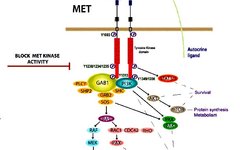
1 Introduction c-MET [also known as MET tyrosine protein kinase or hepatocyte growth factor receptor (HGFR)] is a protein encoded by the MET gene. c-MET is crucial for embryonic development, organ growth, and wound healing. Hepatocyte growth factor (HGF) is the ligand for the c-MET receptor. MET is typically expressed by epithelial-derived cells, but can … Read more

Cystatin C (CYS-C) | A Sensitive Indicator of Glomerular Filtration Rate

Cystatin C (CYS-C) | A Sensitive Indicator of Glomerular Filtration Rate

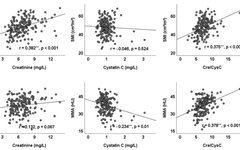
Source: Hangzhou Jianli Biological Concept of Cystatin C: Discovered in cerebrospinal fluid by Clausen in 1961, officially named Cystatin C (Cystatin Superfamily Type 2) in 1984. Composed of 122 amino acid residues, with a molecular weight of about 13KD. All nucleated organisms can stably produce Cystatin C in the body. As a cysteine protease inhibitor, … Read more

The Next Step for Bispecific Antibodies: Bispecific ADC?

The Next Step for Bispecific Antibodies: Bispecific ADC?

Bispecific antibodies are antibodies that can bind to two different antigens simultaneously, providing greater flexibility in their mechanisms of action. Bispecific antibodies have achieved success in hematologic malignancies, with two bispecific antibodies already approved for market: blinatumomab, targeting CD19/CD3, and Mosunetuzumab, targeting CD20/CD3. Additionally, numerous bispecific antibodies targeting hematologic cancers have shown impressive efficacy in … Read more

Cystatin C: An Important Indicator of Kidney Function

Cystatin C: An Important Indicator of Kidney Function

  In routine health check-ups, many people overlook the indicator of Cystatin C due to a lack of understanding. In fact, Cystatin C is increasingly being used to evaluate early damage to renal filtration function in diabetic nephropathy, assess the recovery of kidney function in renal transplant patients, monitor changes in kidney function in hemodialysis patients, … Read more

Why Cystatin C Is Highly Regarded? Tips You Should Know

Why Cystatin C Is Highly Regarded? Tips You Should Know

Author: Gao JieUnit: Shanxi Bethune Hospital Laboratory Serum cystatin C (CysC), also known as cysteine protease inhibitor C, is a low molecular weight, non-glycosylated basic protein with a molecular weight of approximately 13kD. Almost all nucleated cells in the body’s tissues can continuously produce CysC at a constant rate. CysC can freely pass through the … Read more

New Hope for Long-Term Survival in Late-Stage Patients: Overview of Five Major Targeted Drugs and Clinical Trials for Non-Small Cell Lung Cancer

New Hope for Long-Term Survival in Late-Stage Patients: Overview of Five Major Targeted Drugs and Clinical Trials for Non-Small Cell Lung Cancer

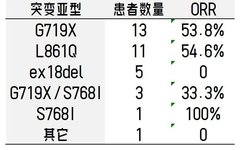
EGFR In the Chinese patient population, EGFR is the most common driver gene mutation type in non-small cell lung cancer and is also one of the gene types with relatively good efficacy. However, even for this type of non-small cell lung cancer, there are still some “blind spots” in targeted therapy, such as certain difficult-to-treat … Read more