
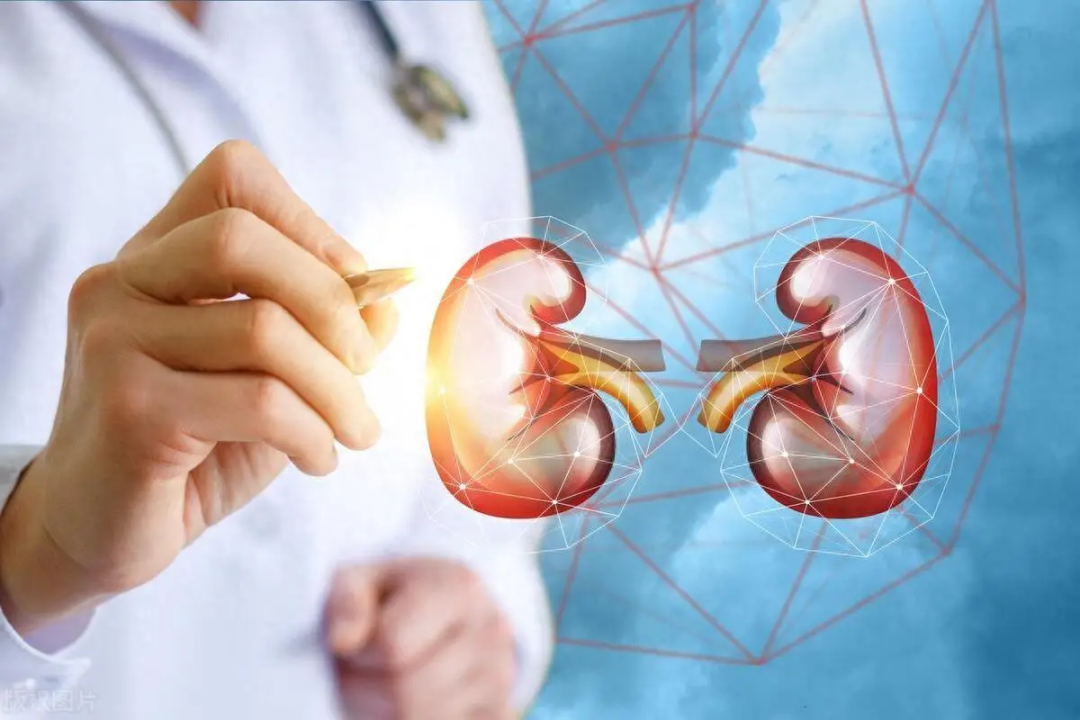
 In routine health check-ups, many people overlook the indicator of Cystatin C due to a lack of understanding. In fact, Cystatin C is increasingly being used to evaluate early damage to renal filtration function in diabetic nephropathy, assess the recovery of kidney function in renal transplant patients, monitor changes in kidney function in hemodialysis patients, evaluate the adequacy of dialysis membranes, and diagnose pediatric kidney diseases as well as monitor kidney function during chemotherapy.

What is Cystatin C?Medical Experts Cystatin C (CysC) is also known as cysteine protease inhibitor C, consisting of 120 amino acids with a molecular weight of 13 kDa. The CysC gene is continuously transcribed and expressed in all tissues, including the kidneys, liver, pancreas, intestines, stomach, lungs, and placenta. Studies have found that CysC is a member of the cysteine protease inhibitor family and is currently recognized as the strongest inhibitor of tissue cathepsin B. Additionally, CysC also inhibits papain, ficin, cathepsin H, and L.Clinical Significance of Cystatin CMedical ExpertsEvaluation of Early Damage to Renal Filtration Function in Diabetic Nephropathy To prevent diabetes from progressing to kidney failure, it is essential to evaluate the renal function status of diabetic patients with a reliable GFR. Clinically, serum creatinine (SCr) is used to assess GFR, but it lacks sufficient sensitivity for mild renal injury, whereas Cys-C responds sensitively to mild renal damage. Regular monitoring of Cys-C in diabetic patients can dynamically observe the progression of the condition.Evaluation of Early Damage to Renal Filtration Function in Hypertensive Nephropathy Hypertension leads to chronic kidney injury through renal artery sclerosis, which often lacks obvious early symptoms, causing patients to delay seeking treatment. In recent years, the number of end-stage kidney disease patients due to hypertensive kidney damage has been increasing annually. A study categorized 69 hypertensive patients into normal renal function and early renal injury groups based on renal dynamic imaging, finding that the Cystatin C levels in the hypertensive kidney damage group were significantly higher than in the normal renal function group. Furthermore, studies have shown that Cystatin C holds significant value in evaluating the degree of renal insufficiency and treatment efficacy in hypertensive patients.Application in Pediatric Kidney Disease Diagnosis The level of Cys-C in the blood generally reaches adult levels after the age of one, with serum concentrations being quite stable. Relevant studies have found that the reference range for serum Cystatin C in children aged 1-14 years (0.51 – 0.95 mg/L) is very close to that of adults. Therefore, Cys-C has unique advantages for monitoring kidney function in children, making it a more ideal GFR marker for children over one year old. Serum creatinine levels correlate with muscle mass, making it difficult to accurately monitor mild changes in GFR in children with lower muscle mass.
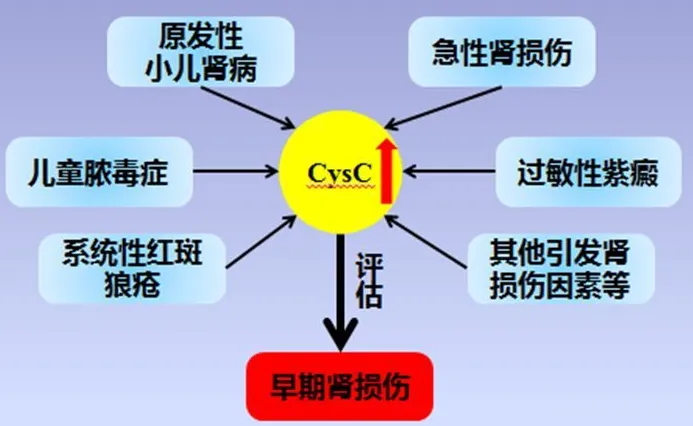
Kidney Transplantation In a study of 30 kidney transplant patients, it was found that Cys-C levels increased synchronously with creatinine in patients experiencing acute rejection; however, the increase in Cys-C was greater than that of creatinine. Cys-C not only quickly reflects kidney damage but also timely indicates the recovery of kidney function, especially in patients with delayed graft function. Studies have shown that the correlation between Cys-C and GFR is greater than that of serum creatinine and creatinine clearance. Cys-C is more sensitive for detecting glomerular filtration rate post-kidney transplantation compared to creatinine and creatinine clearance, allowing for rapid diagnosis of acute rejection or drug-induced kidney injury.Application in Chemotherapy Chemotherapy drugs can cause damage to renal tubules, potentially impairing kidney function. When kidney function is compromised, chemotherapy drugs are more likely to accumulate, leading to various toxic side effects. Therefore, it is crucial to monitor renal function in chemotherapy patients to adjust drug dosages appropriately. Studies have indicated that measuring Cys-C is more meaningful than measuring SCr in chemotherapy patients.Application in Coronary Surgery In detecting kidney injury during both cardiopulmonary bypass and non-cardiopulmonary bypass coronary surgeries, it was found that non-cardiopulmonary bypass reduces kidney injury. Compared to other substances, Cys-C is the most sensitive indicator for detecting postoperative kidney injury and can serve as the sole detection marker.
In summary, serum Cystatin C is a new endogenous marker reflecting GFR. It is a sensitive, accurate, convenient, and rapid indicator for early kidney function impairment. Regular monitoring of Cystatin C can serve as an ideal method for clinically observing GFR.
Introduction to the Testing Center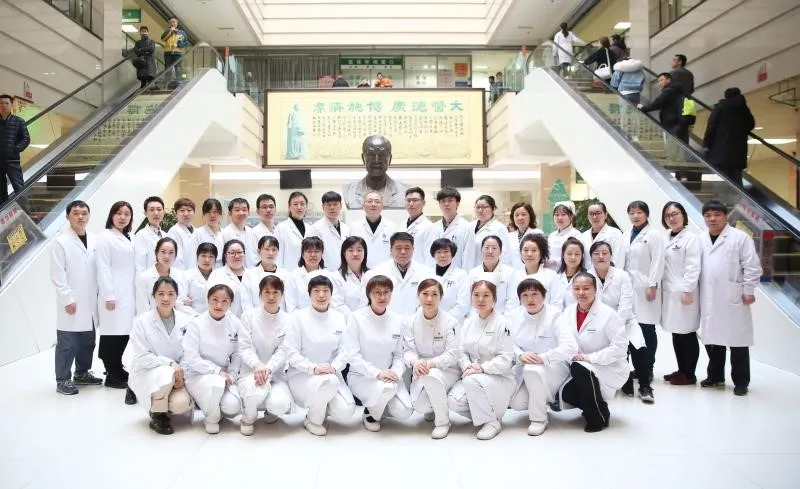 Our hospital’s testing center is an ISO-15189 accredited medical laboratory equipped with specialized discipline groups and highly educated personnel, advanced automated instruments and equipment, standardized quality and biosafety management, and high-quality testing services and information systems for comprehensive clinical diagnostic testing. The center is equipped with advanced automated instruments such as the Sysmex XN-2000 fully automated blood analyzer, Hitachi 7600 fully automated biochemical analyzer, Roche E601 electrochemiluminescence analyzer, BACTEC 9120 blood culture system, and Roche Z480 fluorescence quantitative PCR instrument. The testing specialties include clinical hematology, clinical fluid analysis, clinical immunology, clinical chemistry, and clinical microbiology, with specialized laboratories for biochemistry, immunology, microbiology, clinical testing, and PCR. This allows us to provide objective and accurate data for the diagnosis and differential diagnosis of clinical diseases, treatment and efficacy observation, general examinations, and prognostic assessment, thus winning precious time for life-saving. It is a department with a complete and distinctive professional setup. Consultation Phone: 0431-86177194Source: Testing CenterProduced by: Party Committee Publicity Department

Hospital AddressHongqi Campus 1478 Gongnong Dalu, Changchun City  0431-86178018Jingkai Campus 185 Shenzhen Street, Changchun Economic and Technological Development Zone Obstetrics and Gynecology Center: 0431-80568666 Pediatric Center: 0431-81953838Nongan Branch Intersection of Changbai Highway and Dongsheng Road, Shaoguo Town, Nongan County 0431-81877999