
Source: Hangzhou Jianli Biological
Concept of Cystatin C:
Discovered in cerebrospinal fluid by Clausen in 1961, officially named Cystatin C (Cystatin Superfamily Type 2) in 1984.
Composed of 122 amino acid residues, with a molecular weight of about 13KD.
All nucleated organisms can stably produce Cystatin C in the body.
As a cysteine protease inhibitor, it plays a role in biological systems.
Its production remains constant regardless of changes in the internal and external environment.
Cystatin C in the blood is filtered by the glomeruli and reabsorbed and degraded by renal tubular epithelial cells.
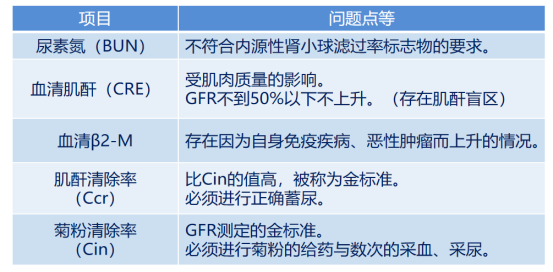
The indicators and issues regarding Glomerular Filtration Rate (GFR) are as follows:
The advantages of Cystatin C are as follows:
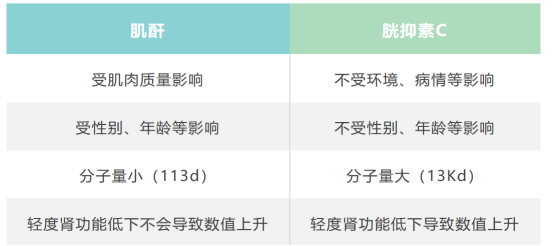
Summary of Advantages of Cystatin C:
1. Measured using serum (plasma), which is very convenient.
2. Rarely affected by factors such as age, gender, muscle mass, and malignancies.
3. Can detect renal dysfunction earlier than creatinine.
4. Highly correlated with inulin clearance and creatinine clearance.
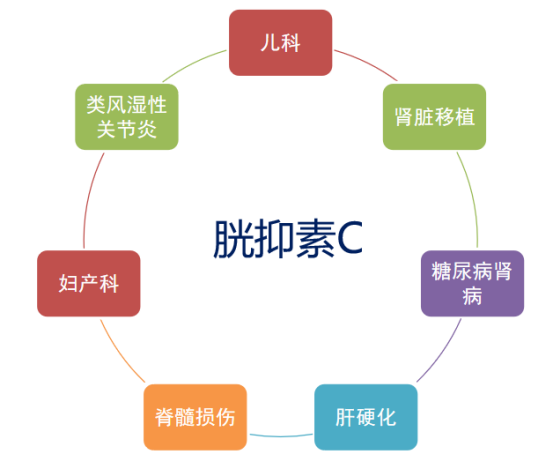
Applications of Cystatin C in Different Kidney Diseases:
Factors Affecting Cystatin C Measurement:
1. High doses of glucocorticoids can increase CysC production. (However, medium and low doses do not have this effect).
2. Thyroid function has a certain impact on CysC concentration; in hypothyroid patients, blood CysC levels decrease, and after treatment, it rises with normal TSH levels; in hyperthyroid patients, blood CysC levels rise, and after treatment, it decreases with normal TSH levels.
3. Other factors: such as metabolic changes induced by immunosuppressants, renal tubular interstitial damage causing unreleased CysC to leak back into the bloodstream, and increased binding of CysC antibodies affecting filtration.
Clinical Significance:
Under normal circumstances, the concentration of CysC in serum and plasma is 0.51-1.09 mg/L (reference range). When renal function is impaired, the concentration of CysC in the blood changes with the glomerular filtration rate. In renal failure, the glomerular filtration rate decreases, and the concentration of CysC in the blood can increase by more than ten times; if the glomerular filtration rate is normal but tubular function is abnormal, it hinders CysC reabsorption and rapid degradation in the renal tubules, leading to a concentration increase of over 100 times in urine.
Reference range: 0.51~1.09 mg/L
Conclusion:
The measurement of CysC has certain advantages in reflecting kidney diseases (especially in evaluating minor changes in GFR, SCysC is more sensitive than CRE), and its application in various fields such as heart diseases, cerebrovascular diseases, and tumors also holds significant reference value, showing good prospects for application.
Whether serum CysC can completely replace CRE is still inconclusive; however, combined detection of CysC and CRE can undoubtedly improve diagnostic accuracy.
This article was edited by: Lele Gao
— —
—

New Media & Service Platform for Laboratory Medicine
With a Light in Heart | Reach Far

Long Press to FollowKnowledge Planet
Clearing the Fog,Illuminating the Future

Long Press to Add Customer Service WeChat
Add Friends,Invite You to Join the Group
Hotline: 4008-0571-82
Email: [email protected]
The transferred article only represents the original author; please contact for deletion if there is any infringement!
