Click the blue text to follow us

With the advent of biomarker-guided personalized targeted therapies and immune checkpoint inhibitors, the treatment of non-small cell lung cancer (NSCLC) continues to undergo transformation. Recently, antibody-drug conjugates (ADCs) have brought revolutionary new hope, such as trastuzumab-deruxtecan (T-DXd) being used for previously treated HER2 (ERBB2) mutated advanced NSCLC, which has yielded encouraging clinical results, including the results of the phase II DESTINY-LUNG02 trial on which T-DXd’s accelerated approval by the U.S. Food and Drug Administration (FDA) was based[1,2].

Article Author

Matthew Lee, MD, MPHAssistant Professor of Thoracic Oncology at Montefiore Einstein Comprehensive Cancer Center

Benjamin Levy, MDClinical Director of Medical Oncology at Johns Hopkins Sidney Kimmel Comprehensive Cancer Center

Balazs Halmos, MD, MSDeputy Director of Clinical Science and Director of Thoracic Oncology at Montefiore Einstein Comprehensive Cancer Center
HER3 ADC
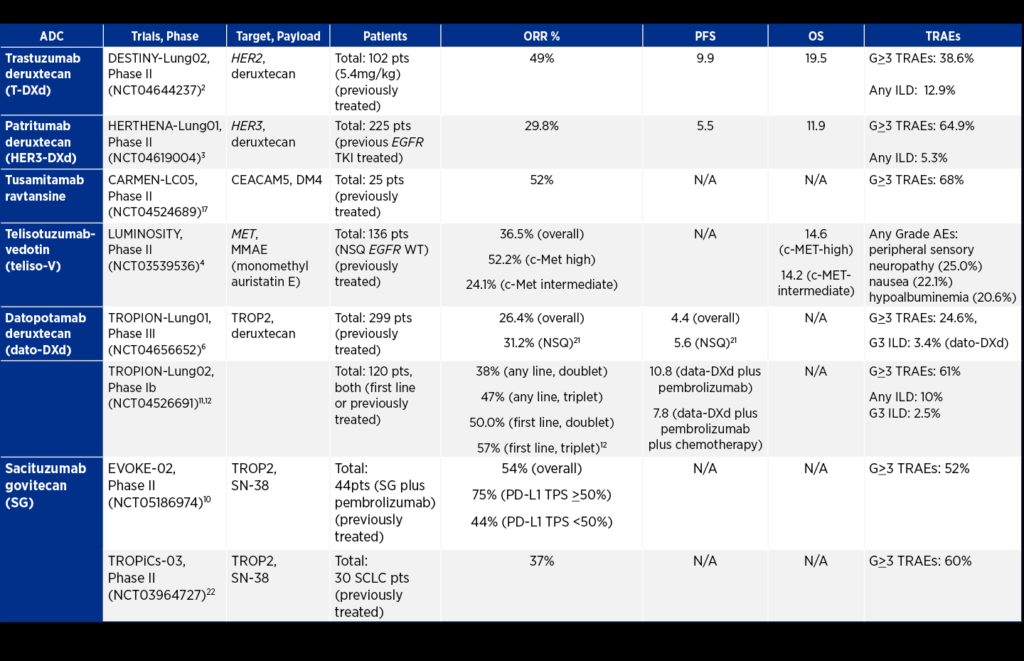
As the field of ADC research expands, other promising ADCs have emerged. Patritumab deruxtecan (HER3-dxd) is an ADC targeting HER3[3], and it has shown significant clinical activity in the phase II HERTHENA-Lung02 trial, including durable responses and central nervous system (CNS) activity in previously treated patients with EGFR-mutated advanced NSCLC.
c-Met ADC
Another encouraging ADC is telisotuzumab vedotin (teliso-V)[4], a pioneering ADC targeting the c-Met protein. According to the phase II LUMINOSITY trial, teliso-V received breakthrough therapy designation from the FDA for treating advanced/metastatic EGFR wild-type non-squamous (NSQ) NSCLC patients with high levels of c-Met overexpression who had previously received platinum-based chemotherapy[5].
TROP2 ADC
A recently emerging attractive target is TROP2, which has been reported to be a transmembrane glycoprotein that is highly expressed in up to 60% to 75% of NSCLC. However, our understanding of its role in tumor biology remains limited. While two anti-TROP2 ADCs—datopotamab deruxtecan (dato-DXd) and sacituzumab govitecan—have shown significant activity in early studies, their applicability remains unclear. In previously treated advanced NSCLC patients (second-line and above), the highly anticipated phase III TROPION-Lung01 trial results showed that dato-DXd improved progression-free survival (PFS) compared to docetaxel (4.4 months vs. 3.7 months) (P=0.004)[6], with a slight trend towards improved median overall survival (OS) (12.4 months vs. 11 months) (HR=0.90). Interestingly, the PFS benefit was limited to patients with non-squamous (NSQ) histology (HR=0.63, median PFS 5.6 months), while the PFS data was unfavorable in squamous NSCLC patients (HR=1.38, median PFS 2.8 months). Notably, the OS data are still immature, and we look forward to further updates to confirm its PFS and OS advantages in the non-squamous cancer population[7]. Based on this data, the FDA has accepted the new drug application for dato-DXd for advanced NSQ NSCLC patients, which is expected to be evaluated this year.In addition to dato-DXd, in the phase III EVOKE-01 trial, sacituzumab govitecan was compared with docetaxel in a group of previously treated advanced NSCLC patients[8]. Although this trial did not meet its primary endpoint of OS, there was a reported trend towards OS benefit in the subgroup of patients who were refractory to previous anti-PD-(L)1 therapy[9].TROP2-ADCs combined with immunotherapy have also been used in treatment-naive, advanced NSCLC patients. The phase II EVOKE-02 study evaluated the combination of sacituzumab govitecan with pembrolizumab in two independent patient cohorts (PD-L1>50% and PD-L1<50%), with preliminary results showing objective response rates (ORR) of 75% and 44%, respectively[10]. Similarly, the Ib phase trial TROPION-Lung02 evaluated dato-DXd combined with pembrolizumab ± platinum chemotherapy (carboplatin or cisplatin) in multiple cohorts of unselected PD-L1 patients. Significant results were observed in treatment-naive patient cohorts receiving the doublet (pembrolizumab+dato-DXd) or triplet (pembrolizumab+dato-DXd+platinum chemotherapy), with ORRs of 50% and 57%, respectively[11,12]. While these two trials showed promising results, further confirmatory phase III trials (such as EVOKE-03[13], TROPION-Lung07[14], and TROPION-Lung08[15]) will help clarify the role of TROP2 ADCs in first-line treatment.While both dato-DXd and sacituzumab govitecan target TROP2, the toxicities of these two drugs differ (neutropenia and diarrhea are more common with the former, while mucositis, ocular toxicity, and pneumonia are more common with the latter), complicating the prediction of ADC toxicities. It is worth noting that there has previously been a lack of biological data (including a lack of biomarkers), which has limited the ability to conduct more scientific studies on ADCs. Therefore, it remains unclear whether anti-TROP2 ADCs can truly be considered “precision” therapy rather than repackaged standard chemotherapy regimens.Regarding the expansion of TROP2 ADCs, we still need to wait to see if their benefits can ultimately be proven in analyses, as well as the potential of TROP2 ADCs in first-line treatment. Future translational research and studies focusing on the sequencing of ADC therapies are expected to determine the role of these drugs in NSCLC.
CEACAM5 ADC
In addition to the unresolved issues surrounding TROP2 ADCs, other ADCs have also failed to meet expectations, with results proving sobering. For example, the ADC targeting carcinoembryonic antigen-related cell adhesion molecule 5 (CEACAM5), tusamitamab ravtansine, showed initial promising results in monotherapy in phase I/II trials[16] and in combination with first-line pembrolizumab (with or without chemotherapy) in the phase II CARMEN-LC05 trial[17] for advanced/metastatic NSQ NSCLC. However, after analyzing the interim results, Sanofi recently announced the termination of its phase III CARMEN-LC03 trial, which included previously treated patients with high CEACAM5 expression (IHC>2+) in advanced/metastatic NSQ NSCLC. Although there were signs of improved OS trends, unfortunately, tusamitamab ravtansine monotherapy failed to meet the dual primary endpoint of PFS compared to docetaxel, leading to the termination of the trial[18].
Several Key Issues to Address
Initial enthusiasm for ADCs has recently waned, and several key issues need to be addressed if we hope to see ADCs make a broader impact (see Figure 1).1. Challenges of biomarker selection and enrichment. Currently, the only predictive biomarker for ADCs is HER2 mutations, particularly for patients receiving trastuzumab-deruxtecan treatment, highlighting the need for investment in translational research. As ADCs are applied in first-line therapy, the aforementioned translational studies will become increasingly important.2. Another issue is determining the appropriate dosing of ADCs, especially when combined with chemotherapy/immunotherapy.
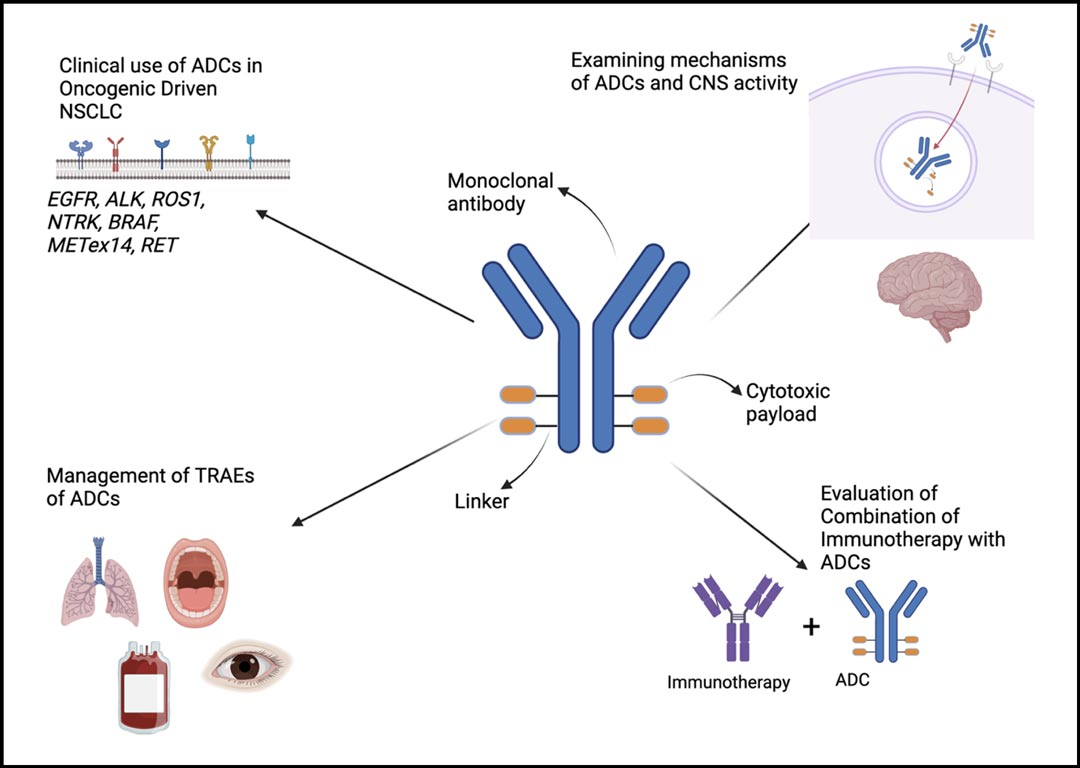
Figure 1. Challenges and Issues Facing ADCs Today
3. As we continue to understand the mechanisms of ADC action, particularly target engagement and internalization, optimizing “ADC payloads” and “drug antibody ratios” is crucial for expanding the application of ADCs to more patients. Additionally, as the application of ADCs becomes more widespread, balancing treatment-related adverse events (especially interstitial lung disease, cytopenias, mucositis, and other side effects similar to chemotherapy) will be the most important consideration.4. Furthermore, recent results from some studies have shown that certain ADCs have good intracranial response rates, highlighting our insufficient understanding of ADC mechanisms, as we have not found the mechanisms by which ADCs can cross the blood-brain barrier, necessitating further research.In summary, the future of ADCs appears bright and encouraging, and more importantly, the treatment prospects for patients are as well. Ongoing phase III trials (such as DESTINY-Lung04, HERTHENA-Lung02, and TeliMET NSCLC-01) are expected to help clarify the optimal sequencing of ADCs, and we are also continuing to explore ADC combinations with immunotherapy + chemotherapy regimens, such as TROPION-Lung04[19], TROPION-Lung07[14], TROPION-Lung08[15], AVANZAR, and EVOKE03 studies[13].Table 1. Key ADC Research in Non-Small Cell Lung Cancer
Finally, other advancements in the dato-DXd program include encouraging results from the phase II TROPION-Lung05 trial[20] in NSCLC patients with actionable genomic alterations who had previously been treated, further revealing the potential of ADC therapy for targeted patients.This unique class of therapies offers tremendous opportunities for progress in the NSCLC field, but like any new class of drugs, these diamonds clearly need further refinement and polishing to be named the jewels in the crown of increasingly enhanced treatment modalities.
References
(Swipe up to view)1. FDA grants accelerated approval to fam-trastuzumab deruxtecan-nxki for HER2-mutant non-small cell lung cancer. 2022. https://www.fda.gov/drugs/resources-information-approved-drugs/fda-grants-accelerated-approval-fam-trastuzumab-deruxtecan-nxki-her2-mutant-non-small-cell-lung2. Goto K, Goto Y, Kubo T, et al. Trastuzumab Deruxtecan in Patients With HER2-Mutant Metastatic Non-Small-Cell Lung Cancer: Primary Results From the Randomized, Phase II DESTINY-Lung02 Trial. J Clin Oncol. Nov 1 2023;41(31):4852-4863. doi:10.1200/JCO.23.013613. Yu HA, Goto Y, Hayashi H, et al. HERTHENA-Lung01, a Phase II Trial of Patritumab Deruxtecan (HER3-DXd) in Epidermal Growth Factor Receptor-Mutated Non-Small-Cell Lung Cancer After Epidermal Growth Factor Receptor Tyrosine Kinase Inhibitor Therapy and Platinum-Based Chemotherapy. J Clin Oncol. Dec 10 2023;41(35):5363-5375. doi:10.1200/JCO.23.014764. Camidge DR, Bar J, Horinouchi H, et al. Telisotuzumab vedotin (teliso-V) monotherapy in patients (pts) with previously treated c-Met–overexpressing (OE) advanced non-small cell lung cancer (NSCLC). Journal of Clinical Oncology. 2022;40(16_suppl):9016-9016. doi:10.1200/JCO.2022.40.16_suppl.90165. Press Release: AbbVie Announces Positive Topline Results from Phase 2 LUMINOSITY Trial Evaluating Telisotuzumab-Vedotin (Teliso-V) for Patients with Previously Treated Non-Small Cell Lung Cancer (NSCLC) https://news.abbvie.com/2023-11-29-AbbVie-Announces-Positive-Topline-Results-from-Phase-2-LUMINOSITY-Trial-Evaluating-Telisotuzumab-Vedotin-Teliso-V-for-Patients-with-Previously-Treated-Non-Small-Cell-Lung-Cancer-NSCLC6. Ahn MJ, Lisberg A, Paz-Ares L, et al. LBA12 datopotamab deruxtecan (dato-DXd) vs. docetaxel in previously treated advanced/metastatic (adv/met) non-small cell lung cancer (NSCLC): Results of the randomized phase III study TROPION-Lung01. Annals of Oncology. 2023;34:S1305-S1306. doi:10.1016/j.annonc.2023.10.0617. Datopotamab deruxtecan (Dato-DXd) in patients with previously treated advanced non-small cell lung cancer (NSCLC): Nonsquamous (NSQ) histology in the phase III TROPION-Lung01 trial. https://www.esmoopen.com/article/S2059-7029(24)00406-X/fulltext8. Garassino MC, Reznick D, Liu SY, et al. EVOKE-01: A phase 3 study of sacituzumab govitecan (SG) versus docetaxel in patients with non–small cell lung cancer (NSCLC) progressing on or after platinum-based chemotherapy and checkpoint inhibitors. Journal of Clinical Oncology. 2022;40(16_suppl):TPS9149-TPS9149. doi:10.1200/JCO.2022.40.16_suppl.TPS91499. Gilead Provides Update on Phase 3 EVOKE-01 Study. 1/22/24, 2024. https://www.gilead.com/news-and-press/press-room/press-releases/2024/1/gilead-provides-update-on-phase-3-evoke-01-study10. Cho BC, Dols MC, Reyes Cabanillas R, et al. OA05.04 Sacituzumab Govitecan + Pembrolizumab in 1L Metastatic Non-Small Cell Lung Cancer: Preliminary Results of the EVOKE-02 Study. Journal of Thoracic Oncology. 2023;18(11)doi:10.1016/j.jtho.2023.09.04111. Goto Y, Su W-C, Levy BP, et al. TROPION-Lung02: datopotamab deruxtecan (dato-DXd) plus pembrolizumab (pembro) with or without platinum chemotherapy (Pt-CT) in advanced non-small cell lung cancer (aNSCLC). Journal of Clinical Oncology. 2023;41(16_suppl):9004-9004. doi:10.1200/JCO.2023.41.16_suppl.900412. Press Release: Datopotamab deruxtecan combinations showed encouraging tumour responses in patients with advanced non-small cell lung cancer in TROPION-Lung02 Phase Ib trial. 6/5/2023, 2023. https://www.astrazeneca.com/media-centre/press-releases/2023/datopotamab-deruxtecan-combinations-showed-encouraging-tumour-responses-in-patients.html13. Moskovitz M, Okamoto I, Chen P, et al. Abstract CT067: Pembrolizumab with and without sacituzumab govitecan as first-line treatment for metastatic non-small-cell lung cancer (NSCLC) with PD-L1 TPS ≥50%: phase 3 KEYNOTE-D46/EVOKE-03 study. Cancer Research. 2023;83(8_Supplement):CT067-CT067. doi:10.1158/1538-7445.Am2023-ct06714. Okamoto I, Kuyama S, Girard N, et al. 1505TiP TROPION-Lung07: A phase III trial of datopotamab deruxtecan (dato-DXd) plus pembrolizumab (pembro) with or without platinum chemotherapy (Pt-CT) as first-line (1L) therapy in advanced/metastatic (adv/met) non-small cell lung cancer (NSCLC) with PD-L1 expression. Annals of Oncology. 2023;34:S847-S848. doi:10.1016/j.annonc.2023.09.253615. Levy BP, Felip E, Reck M, et al. TROPION-Lung08: phase III study of datopotamab deruxtecan plus pembrolizumab as first-line therapy for advanced NSCLC. Future Oncol. Jul 2023;19(21):1461-1472. doi:10.2217/fon-2023-023016. Ricordel C, Barlesi F, Cousin S, et al. Safety and efficacy of tusamitamab ravtansine (SAR408701) in long-term treated patients with nonsquamous non–small cell lung cancer (NSQ NSCLC) expressing carcinoembryonic antigen-related cell adhesion molecule 5 (CEACAM5). Journal of Clinical Oncology. 2022;40(16_suppl):9039-9039. doi:10.1200/JCO.2022.40.16_suppl.903917. Isambert N, Nagy T, Ravoire M, et al. Safety and efficacy of tusamitamab ravtansine in combination with pembrolizumab ± chemotherapy in patients with CEACAM5-positive nonsquamous NSCLC (CARMEN-LC05 phase II study). Journal of Thoracic Oncology; 2023:S46.18. Press Release: Sanofi announces end of program evaluating tusamitamab ravtansine after a 2L NSCLC Phase 3 trial did not meet a primary endpoint. 2023. https://www.sanofi.com/en/media-room/press-releases/2023/2023-12-21-06-30-00-279975919. Borghaei H, Waqar SN, Bruno DS, et al. TROPION-Lung04: Phase 1b, multicenter study of datopotamab deruxtecan (dato-DXd) in combination with immunotherapy ± carboplatin in advanced/metastatic non-small cell lung cancer (mNSCLC). Journal of Clinical Oncology. 2023;41(16_suppl):TPS3158-TPS3158. doi:10.1200/JCO.2023.41.16_suppl.TPS315820. Paz-Ares L, Ahn MJ, Lisberg AE, et al. 1314MO TROPION-Lung05: datopotamab deruxtecan (dato-DXd) in previously treated non-small cell lung cancer (NSCLC) with actionable genomic alterations (AGAs). Annals of Oncology. 2023;34:S755-S756. doi:10.1016/j.annonc.2023.09.234821. Press Release: Datopotamab deruxtecan improved progression-free survival vs. chemotherapy in patients with previously treated non-small cell lung cancer in TROPION-Lung01 Phase III trial. 10/23/23, 2023. https://www.astrazeneca.com/media-centre/press-releases/2023/datopotamab-deruxtecan-improved-progression-free-survival-vs-chemotherapy-in-tropion-lung01-phase-iii-trial.html22. Ogita M, Kubo M, Kumamaru H. Prognosis of squamous cell carcinoma of the breast by biological subtypes and the efficacy of radiotherapy: The Japanese Breast Cancer Registry analysis. Journal of Clinical Oncology. 2023;41(16_suppl):561-561. doi:10.1200/JCO.2023.41.16_suppl.561(Source: Editorial Department of Tumor Outlook)
Disclaimer
All original articles are copyrighted by Tumor Outlook. Sharing and reprinting are welcome. This article is intended for medical professionals to understand the latest pharmaceutical information and does not represent the views of this platform. Such information cannot replace professional medical guidance in any way and should not be considered treatment advice. If this information is used for purposes other than information, this site and the author bear no related responsibility.