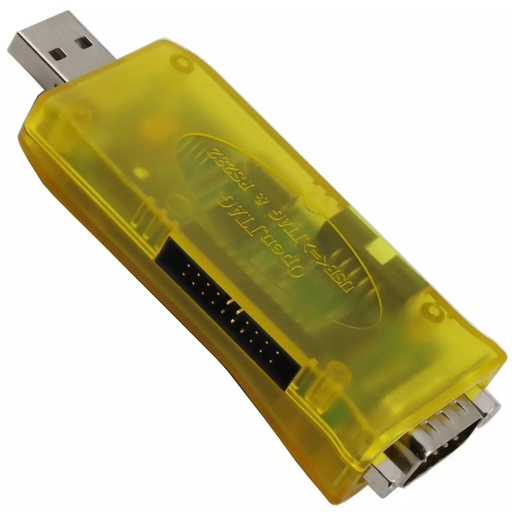
Learning JTAG Standard (IEEE1149.1) – Part 2

Learning JTAG Standard (IEEE1149.1) - Part 2

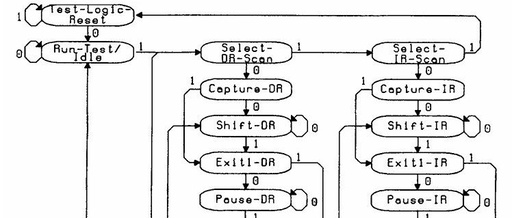
TAP controller The TAP controller is a finite state machine that transitions states based on the TMS signal at the rising edge of TCK, generating control signals to operate the JTAG circuit. The state transition diagram of the TAP controller is shown below: Each state is described as follows: Test-Logic-Reset: The test logic is disabled, … Read more
JTAG Online Read/Write for Inverter Air Conditioners

JTAG Online Read/Write for Inverter Air Conditioners

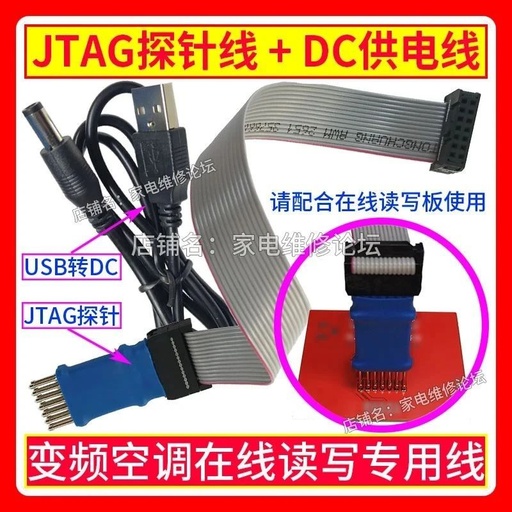
The JTAG online read/write board for inverter air conditioners, G-Matrik TMS320F28035, requires the installation of a QFP80 programming seat on the programmer. The RT809H programmer is suitable for this purpose. For online read/write, please enter the following in the software: TMS320F28035 #ISP Be careful not to select the wrong option; for online read/write, choose the … Read more

Understanding the JTAG Boundary Scan (BSCAN) Component

Understanding the JTAG Boundary Scan (BSCAN) Component

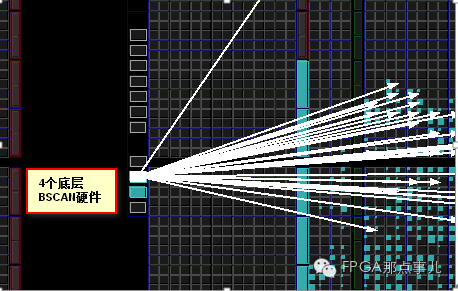
While reviewing the resource utilization report of the project, we discovered a special underlying hardwareBSCAN, as shown in 1. Let’s understand its uses and applications. Figure1.The resource report shows the number and usage ofBSCAN. Figure2.Finding the path ofBSCANin the code Figure3.Locating the project call to the underlying module Figure4.Finding the location and interconnections ofFPGAunderlyingBSCAN. Figure5.Finding … Read more

How to Boot Linux on AMD SoC Devices via JTAG

How to Boot Linux on AMD SoC Devices via JTAG

This article is authored by AMD engineer Longley Zhang. In AMD SoC devices (AMD Zynq™ 7000 SoC, AMD Zynq UltraScale+™ MPSoC, AMD Versal™ Adaptive SoC), a common boot method is to load an image from external memory (QSPI Flash, eMMC, etc.) to boot directly into Linux. However, during board debugging, it is often necessary to … Read more

The Role of JTAG in FLASH Programming

The Role of JTAG in FLASH Programming

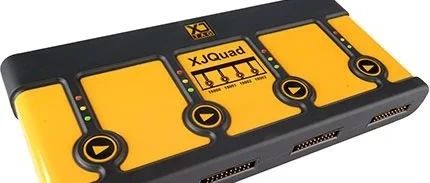
Following the previous article, we learned about the erase, write, and read functions of FLASH, but there is still a lack of understanding regarding the relationship with JTAG. This article supplements the JTAG part. First, let’s take a look at the hierarchical structure of JTAG programming FLASH, as shown in the figure below: The physical … Read more

JTAG Interface Design (5) – JTAG-2

JTAG Interface Design (5) - JTAG-2

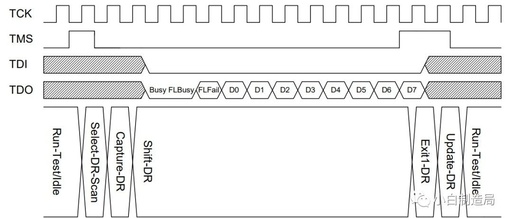
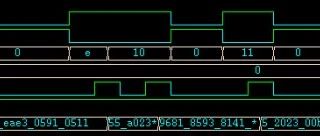
Previously, we discussed the hardware form and basic principles of JTAG. This article uses a JTAG VIP simulation to interpret the waveforms. Referencing SOC Design (4) – Using S Company’s VIP, we first generate an example for JTAG testing: dw_vip_setup -path /home/designware/run_jtag -example jtag_svt/tb_jtag_svt_uvm_basic_sys Enter the simulation directory with cd run_jtag/examples/sverilog/jtag_svt/tb_jtag_svt_uvm_basic_sys, and type in: gmake … Read more

Comparison of Embedded Debug Interfaces JTAG and SWD

Comparison of Embedded Debug Interfaces JTAG and SWD

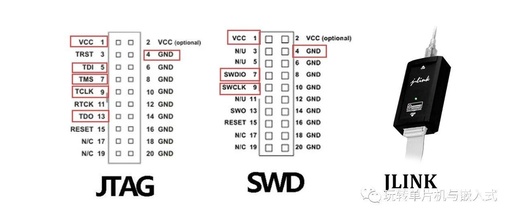
Developing and debugging embedded systems is a complex task that requires powerful tools and interfaces to ensure the correctness of hardware and software. In this field, JTAG (Joint Test Action Group) and SWD (Serial Wire Debug) are two commonly used debugging interface standards that play a crucial role in embedded system development. This article will … Read more