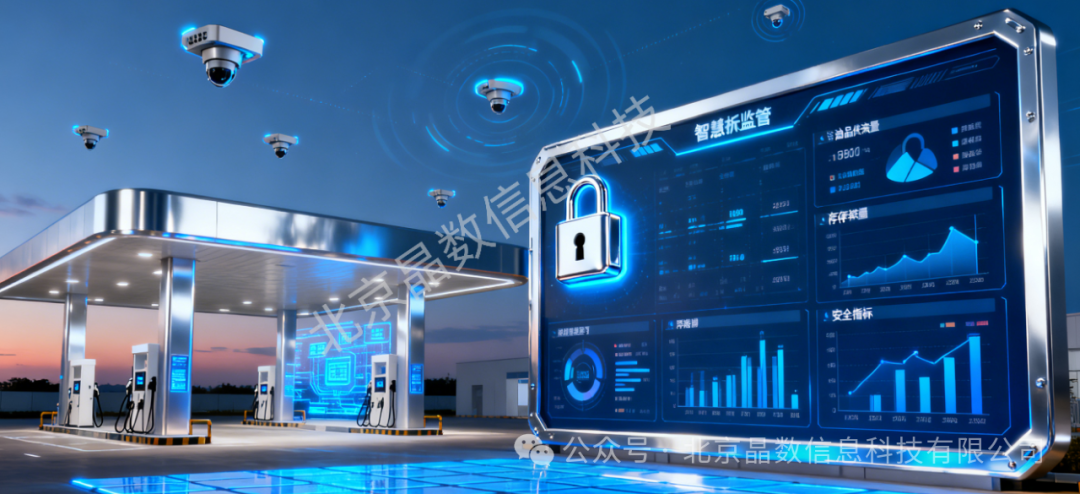
The construction of the finished oil circulation big data smart supervision platform, comprehensive supervision platform, smart comprehensive supervision platform for gas stations, tax data supervision platform for gas stations, comprehensive supervision platform for finished oil at gas stations, smart IoT management cloud platform for gas stations, smart supervision platform for finished oil circulation, and smart service supervision platform for finished oil by Beijing Jingshu Information Technology is a system engineering that integrates multiple technologies, focusing on the entire chain of “data collection – transmission – storage – analysis – application – security”, which requires the integration of cutting-edge methods such as the Internet of Things, artificial intelligence, and encryption technology, while also adapting to the collaborative needs of multiple departments such as taxation and market regulation. The following are the core technology systems supporting the platform construction:
1. Data Collection Technology: Achieving “full scene, high precision” data capture
As the source of data for the platform, it needs to cover all-dimensional data of gas station operations, safety, environment, etc., ensuring that the data is authentic and traceable:
1.Internet of Things (IoT) terminal technology:
1.Smart sensors: including fuel dispenser pulse sensors (accurately capturing fuel volume and flow rate), tank liquid level sensors (real-time monitoring of inventory changes and leakage risks), oil and gas concentration sensors (monitoring environmental emissions), temperature and humidity sensors (ensuring equipment operating environment), with a core requirement of an error rate below 0.1%, supporting 7×24 hours of uninterrupted operation.
2.Video AI terminal: equipped with edge computing capabilities, high-definition cameras that support flame, smoke, and personnel violations (such as smoking in the station, not wearing anti-static clothing) recognition, achieving “local warning + cloud synchronization”, reducing transmission latency.
3.Beidou/GPS positioning technology: used for tracking the transportation trajectory of fuel tankers, combined with electronic fences to achieve “inbound – outbound – arrival” full-path monitoring, ensuring that transportation data can be compared with gas station procurement data.
2.Terminal Integration Technology:
1.Customized tax control terminal: equipped with anti-tampering chips and offline data caching functions, preventing “chip replacement, data falsification”, supporting hard connections with fuel dispensers and level gauges, ensuring uninterrupted data collection.
2.Multi-device protocol adaptation: compatible with Modbus, TCP/IP, LoRa and other mainstream industrial protocols, solving data interoperability issues among different brands of fuel dispensers and sensors.
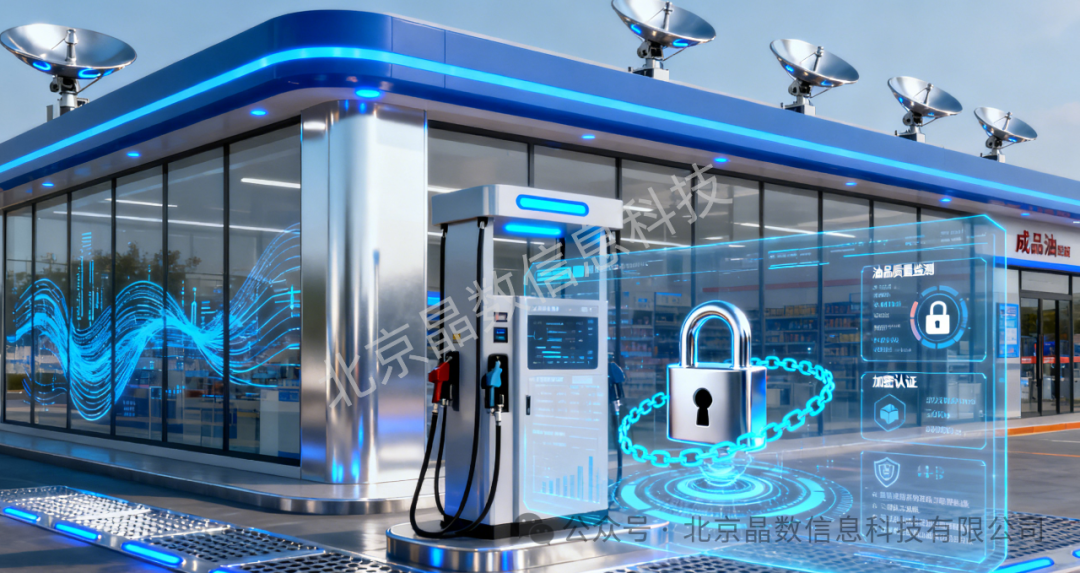
2. Data Transmission Technology: Ensuring “high reliability, low latency, full encryption” transmission
It is necessary to solve the problems of dispersed gas station distribution and complex network environments, ensuring that data is securely transmitted from the terminal directly to the platform:
1.Multi-network fusion transmission:
1.Dual-mode communication technology: using “5G + LoRa” dual-mode transmission, 5G ensures high-speed transmission of video and real-time data, while LoRa adapts to remote stations and underground tank areas with weak network environments, achieving comprehensive data coverage.
2.Breakpoint resume technology: when the network is interrupted, the terminal automatically caches data (supporting local storage for 72 hours or more), and automatically retransmits after the network is restored, avoiding data loss.
2. Transmission encryption technology:
3.Quantum encryption transmission: using quantum key distribution (QKD) technology to perform real-time encryption of transmitted data, with keys that are unbreakable and uncopyable, thoroughly preventing data from being intercepted or tampered with (already implemented in places like Shandong and Yunnan).
4.SSL/TLS protocol: performing secondary encryption on data interactions between terminals and platforms, and between platforms and departments, ensuring the security of transmission links.
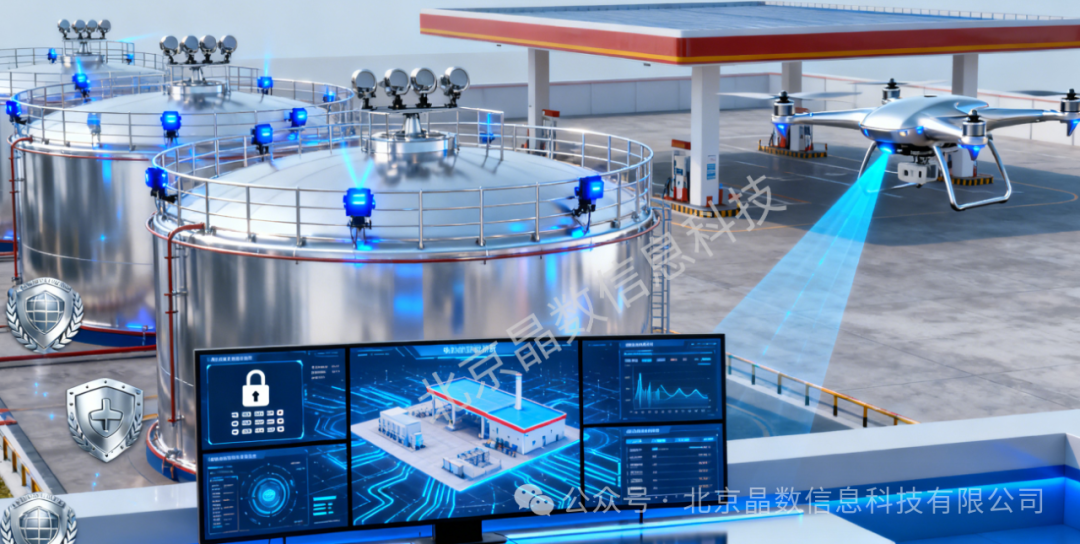
3. Data Storage and Management Technology: Building “high security, scalable, easy to share” data foundation
It needs to support massive data storage and multi-department data sharing while meeting compliance requirements:
1.Distributed storage technology:
1.Using cloud-native distributed databases (such as Hadoop, ClickHouse), supporting PB level data storage, with elastic expansion based on the number of stations and data volume, meeting the long-term operational data accumulation needs of the platform.
2.Data partition management: partitioning data such as gas station transactions, inventory, and video based on “station – time – data type”, improving query efficiency and supporting cross-time dimension data tracing (such as rapid retrieval of transaction data from the past 3 years).
1.Data governance technology:
1.Data cleaning and standardization: using ETL tools (Extract-Transform-Load) to eliminate abnormal data and unify data formats (such as fuel volume units, timestamp standards), ensuring data consistency.
2.Data sharing middleware: building an API gateway and data sharing platform, supporting departments such as taxation, market regulation, and emergency management to call data as needed, achieving “one-time collection, multi-party reuse”, while setting data access permissions to protect data privacy.