Related Articles:
Neura Robotics plans large-scale financing, aiming to become a leader in the global robotics industryRobots: The next revolution for the German economy?Chen Zhaopeng, founder of the Chinese unicorn in Germany: From Munich to the world, the ambition of AI robots in Germany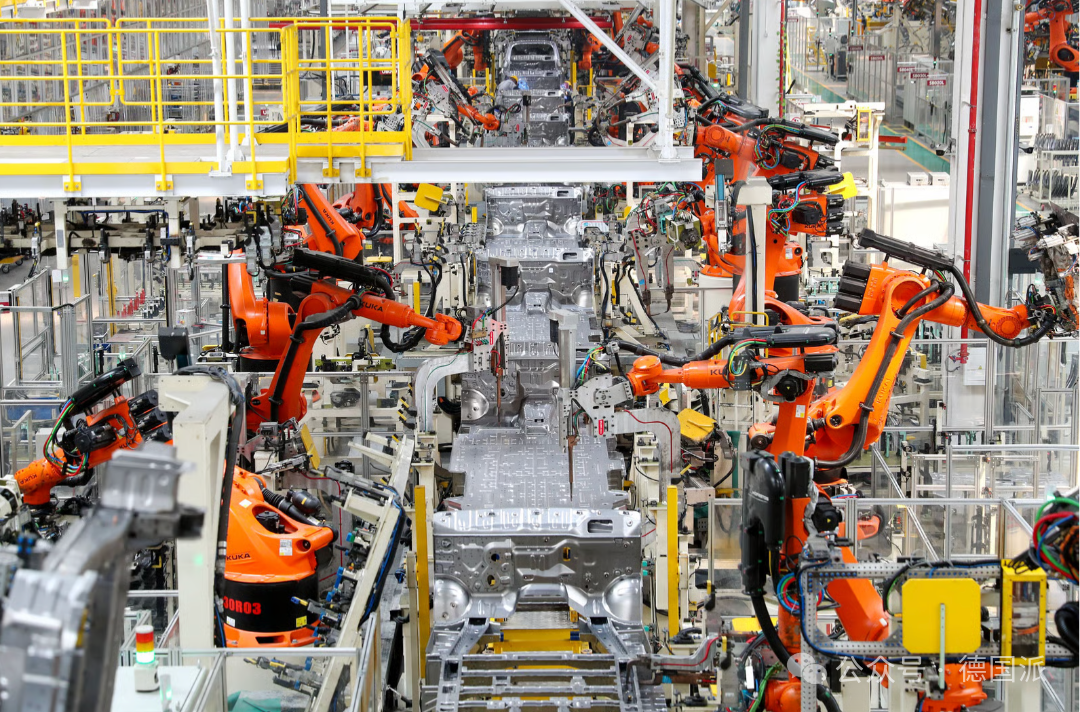
Source: Business Daily
After years of stagnation, the global robotics industry is seeing signs of recovery. Susanne Bieller, Secretary General of the International Federation of Robotics (IFR), stated: “We have hit rock bottom and the industry is steadily rebounding.” According to the latest forecasts, global sales of new robots are expected to grow by 6% by 2025, reaching 575,000 units.
In recent years, the robotics industry has been hampered by a downturn in the automotive sector, which is a core customer for heavy industrial robots (such as welding robots). Additionally, the post-COVID economic recovery in China has not been as strong as expected, compounded by global market fluctuations caused by new tariffs from the Trump administration, which have hindered industry growth. In 2024, the number of newly installed robots worldwide is expected to stagnate at 542,000 units, with a slight decline in 2023. Bieller noted: “Industrial investment will eventually restart, and the long-term growth trend remains unchanged; many projects have just been postponed.”
The automation industry benefits from a global labor shortage and trends towards nearshoring and regional production. In the face of geopolitical uncertainties, companies tend to relocate production back to their home countries or diversify their layouts within regions, thereby stimulating demand for robots.
Chinese Manufacturers Lead the Way
The global market shows regional differences. China remains the largest market, with new robot installations expected to grow by 7% in 2024, reaching 295,000 units for the first time, accounting for 54% of global sales. The IFR predicts that the Chinese market will grow at an average annual rate of 10% until 2028, continuing to lead.
However, traditional suppliers from Japan and Europe are facing challenges. In 2024, the market share of Chinese manufacturers in the domestic market is expected to reach 57% for the first time, a significant increase from 47% in 2023 and 28% a decade ago. Bieller stated: “Chinese manufacturers have made significant breakthroughs, successfully driving automation in new industries, and even with a weak automotive sector, they have boosted overall market growth.”
The rise of Chinese manufacturers puts pressure on international companies. Bieller pointed out that the Chinese industry may receive indirect policy support, and price competition is exceptionally fierce. To maintain growth, Chinese manufacturers are actively expanding into overseas markets, particularly performing well in Europe, by establishing sales and production networks and participating in trade shows to expand their influence. Many Chinese companies enter Europe with domestic suppliers when building factories, further enhancing their competitiveness.
The German Market Dragged Down by the Automotive Industry
The European market is significantly affected by the downturn in the automotive sector. In 2024, robot sales in Germany are expected to decline by 5% to 27,000 units, with sales in the automotive sector plummeting by 25% to only 6,900 units. Nevertheless, the IFR believes that strong demand from other industries has mitigated the impact, with double-digit growth in demand for robots from the metal, chemical, plastics processing, and electronics industries.
European manufacturers are in a difficult position. Kuka, a German company under China’s Midea Group, is expected to see its revenue decline by about 8% in 2024 to 3.7 billion euros. In 2025, revenue in the German robotics and automation industry is expected to decline by 10% to 14.5 billion euros. Dietmar Ley, chairman of the German Mechanical Engineering Industry Association (VDMA), stated: “The growth prospects for various sub-industries remain unclear until the end of the year.”
Swiss supplier ABB’s robotics and manufacturing communications division is expected to see revenue decline by 8% in the first half of 2025 to approximately $1.6 billion. ABB noted that customers are adopting a wait-and-see attitude due to uncertainties such as tariffs. Nevertheless, the industry remains confident in long-term growth, with the IFR predicting that global sales will exceed 700,000 units by 2028.❖
Source
https://www.handelsblatt.com/unternehmen/industrie/maschinenbau-robotik-branche-laesst-krise-hinter-sich/100154912.html