
1. Introduction
1.1 Research Background and Purpose
In the wave of a new round of technological revolution and industrial transformation globally, the Internet of Things (IoT), the integration of informatization and industrialization, digital transformation, and intelligent manufacturing have become key forces driving innovation and enhancing competitiveness across various industries. As an important component of the new generation of information technology, the IoT enables the interconnection of objects and people through sensors, communication technologies, etc., providing a foundation for data collection and transmission. It is widely applied in various fields such as industry, agriculture, transportation, and healthcare, significantly changing traditional production and lifestyle.
The integration of informatization and industrialization, which refers to the deep integration of information technology and industrial technology, is an important direction for the transformation and upgrading of China’s manufacturing industry. It aims to promote the digital and intelligent development of industrial enterprises in design, production, management, and sales through the organic combination of information technology and industrial technology, improving production efficiency, reducing costs, and enhancing product innovation capabilities to achieve high-quality development of the industrial economy.
Digital transformation is the process by which enterprises utilize digital technologies to comprehensively reform and optimize business models, operational processes, and organizational structures. It is not merely the application of technology but also a way of thinking and a strategic choice that helps enterprises better adapt to the rapidly changing market environment, meet the increasingly diverse needs of customers, and enhance agility and competitiveness.
Intelligent manufacturing, as an advanced stage of manufacturing development, comprehensively utilizes advanced technologies such as IoT, big data, artificial intelligence, and cloud computing to achieve intelligent decision-making, automated control, and precise execution in the production process. This transforms manufacturing from traditional labor-intensive to technology-intensive, improving flexibility, adaptability, and intelligence levels in production, and achieving high-quality and sustainable development in manufacturing.
Although these concepts and practices have their own focuses, they are closely related and mutually reinforcing, together constituting an important trend in today’s industrial development. However, there is still a lack of systematic and comprehensive understanding of the complex relationships and interactions among them. Therefore, this report aims to deeply study the development relationships and correlations among IoT, the integration of informatization and industrialization, digital transformation, and intelligent manufacturing, analyzing their intrinsic connections in theory and practice, providing scientific decision-making basis and practical guidance for enterprises and government departments in promoting industrial upgrading and innovative development, and facilitating collaborative development in related fields.
1.2 The Role of Qinghai Chuangying Technology Service Co., Ltd. in the Research
Qinghai Chuangying Technology Service Co., Ltd., as a company focused on technology services, has rich practical experience and a professional technical team in the fields of digital transformation and intelligent manufacturing. The company has long been committed to providing various enterprises with informatization solutions, digital transformation consulting, intelligent manufacturing system integration, and other services, gaining in-depth understanding of the problems and challenges faced by enterprises in different industries during the implementation of IoT, promotion of the integration of informatization and industrialization, digital transformation, and realization of intelligent manufacturing.
In this research, Qinghai Chuangying Technology Service Co., Ltd. has provided a wealth of first-hand practical data and application cases for the study, leveraging its deep resources and rich cases accumulated in the industry. These data and cases cover multiple industries such as manufacturing, energy, and services, reflecting the application status and development needs of IoT, the integration of informatization and industrialization, digital transformation, and intelligent manufacturing in different industries at different development stages. The company’s professional team has also conducted in-depth analysis and interpretation of the research content based on its expertise in technology research and development, project implementation, and strategic consulting, providing a professional perspective and unique insights to reveal the relationships among these concepts. Through participation in this research, Qinghai Chuangying Technology Service Co., Ltd. hopes to contribute to industry development, promote the theoretical and practical development in related fields, and further enhance its service level and innovation capabilities, better serving a wide range of customers and assisting enterprises in achieving their goals of digital transformation and intelligent manufacturing.
2. Related Concept Explanation
2.1 Internet of Things
The Internet of Things (IoT) refers to the real-time collection of any objects or processes that need monitoring, connection, and interaction through various information sensors, radio frequency identification technology, global positioning systems, infrared sensors, laser scanners, and other devices and technologies. It collects various necessary information such as sound, light, heat, electricity, mechanics, chemistry, biology, and location, and achieves ubiquitous connections between objects and between objects and people through various possible network accesses, enabling intelligent perception, recognition, and management of items and processes. In terms of categories, the IoT can be divided into three layers: the perception layer, the network layer, and the application layer. The perception layer is the foundation of the IoT, responsible for information collection, akin to human senses, such as various sensors, cameras, and RFID tags that can obtain relevant information about objects. The network layer serves as the nervous system of the IoT, responsible for transmitting the information collected by the perception layer to the application layer, including various networks such as the Internet and wireless communication networks. The application layer is the brain of the IoT, processing and applying the collected information according to different needs, providing various services to users.
In modern technology, the IoT has a wide range of applications. In the smart home field, users can remotely control household appliances such as air conditioners, lights, and curtains through mobile devices. When users are close to home, they can pre-turn on the air conditioning and adjust it to a comfortable temperature, and also monitor the operational status of home appliances in real-time through sensors, achieving intelligent management of home life and enhancing convenience and comfort. In intelligent transportation, IoT technology can enable automatic navigation and smart parking for vehicles. By installing sensors on roads and vehicles, traffic flow can be monitored in real-time, optimizing traffic light timings to alleviate congestion, improve traffic efficiency, and reduce energy consumption and emissions. In industrial manufacturing, the IoT enables interconnectivity and data sharing among devices. Enterprises can monitor and manage production processes in real-time through the IoT, improving production efficiency and product quality. For example, real-time monitoring of machine operation statuses can help detect faults promptly and perform maintenance, avoiding production interruptions, and production data can be used to optimize processes and reduce costs. In healthcare, the IoT also plays a significant role. Through wearable devices such as smart bracelets and smartwatches, patients’ vital signs such as heart rate, blood pressure, and blood sugar can be monitored in real-time. Doctors can remotely view patients’ health data via the Internet, providing timely medical advice and enabling remote medical diagnosis, improving the accessibility and efficiency of healthcare services, especially for patients in remote areas.
2.2 Integration of Informatization and Industrialization
The integration of informatization and industrialization refers to the simultaneous advancement of informatization during the industrialization process, promoting industrialization through informatization and vice versa, following a new type of industrialization path. This concept was first proposed in the report of the 16th National Congress of the Communist Party, aiming to promote industrial modernization through informatization, improve production efficiency and management levels, and enhance the core competitiveness of industries. For manufacturing enterprises, “integration of informatization and industrialization” is not only a reform of traditional production models but also a key path for enterprise transformation and upgrading. In this process, informatization is undoubtedly the core requirement, and the core task of informatization lies in how to collect, process, and utilize data, making it a powerful driving force for enterprises’ digital transformation. Thus, the requirements for manufacturing enterprises regarding the integration of informatization and industrialization are not only about the comprehensive advancement of informatization but also about how to utilize the data generated by informatization to achieve digitalization and realize enterprise transformation and upgrading. The implementation of digitalization is an indispensable key link in the process of the integration of informatization and industrialization. Digitalization is the process of converting information from the physical world into a digital form that can be recognized and processed by computers. In manufacturing, this means converting information traditionally reliant on paper documents or manual records, such as product design, production processes, and material management, into digital data, and managing and analyzing it through information systems. The realization of this process relies on the data foundation accumulated by informatization. Data collected through informatization can be used to build digital models, optimize production processes, and improve product quality. For example, by utilizing big data analysis techniques, enterprises can deeply explore patterns in production data, identify potential quality issues, and take preventive measures in advance.
The integration of informatization and industrialization has had a profound impact on various aspects of enterprises, including production, management, and innovation. In the production phase, by introducing intelligent manufacturing systems, automated production lines, and efficient information management systems, enterprises can achieve automation and intelligence in production processes, reducing human resource input, minimizing production errors, and improving production efficiency. Meanwhile, real-time data monitoring and analysis can help enterprises promptly identify issues in production, reduce resource waste, optimize production processes, and further lower costs. In management, the support of informatization enables enterprises to respond more flexibly to market changes, deeply understand consumer needs through big data analysis, and achieve rapid iteration and personalized customization of products and services. This market-oriented production model can better meet the diverse needs of consumers, enhancing the market competitiveness of enterprises. Furthermore, the integration of informatization and industrialization is also an important driving force for enterprise innovation. The application of information technology not only expands the innovation space for enterprises but also promotes the sharing and dissemination of knowledge, stimulating employees’ innovative potential. Enterprises can utilize information technology for new product development, explore new business models and service methods, and continuously drive innovation and development. For instance, in the automotive manufacturing sector, during the product development phase, the use of computer-aided design (CAD) and computer-aided engineering (CAE) tools can achieve virtual design and simulation analysis of products, identifying design flaws in advance, shortening development cycles, and reducing R&D costs. In the production process, the implementation of manufacturing execution systems (MES) allows for real-time monitoring and management of production sites, optimizing production scheduling, and improving production efficiency and product quality. Additionally, by utilizing enterprise resource planning (ERP) systems, enterprises can integrate and optimize internal resources, enhancing management efficiency and decision-making levels.
2.3 Digital Transformation
Digital transformation refers to the comprehensive reform and optimization of business models, operational processes, organizational structures, and customer experiences by enterprises using digital technologies (such as cloud computing, big data, artificial intelligence, IoT, etc.) to adapt to market competition and changes in customer demands in the digital age, achieving sustainable development. It is not merely the application of technology but also a way of thinking and a strategic choice that involves all levels and business areas of the enterprise, requiring a shift from a traditional product-centered approach to a customer-centered approach, and from experience-based decision-making to data-driven decision-making.
Taking e-commerce enterprises as an example, digital transformation has brought significant changes and development opportunities in multiple aspects. In terms of business model innovation, with the development of the Internet and mobile technology, e-commerce enterprises continuously explore new business models such as social e-commerce, live e-commerce, and content e-commerce. Through social media platforms, e-commerce enterprises can engage in closer interaction and communication with consumers, utilizing social relationships to promote and sell products, expanding sales channels and customer groups. Live e-commerce provides consumers with a more intuitive and vivid shopping experience through real-time demonstrations and explanations by hosts, stimulating consumers’ purchasing desires and increasing sales conversion rates. In optimizing user experience, digital transformation enables e-commerce enterprises to utilize big data analysis and artificial intelligence technologies to gain deep insights into user behaviors, preferences, and needs, achieving personalized recommendations and precise marketing. Based on users’ historical purchase records and browsing behaviors, products that match their interests can be recommended, improving the efficiency of discovering desired products and enhancing user satisfaction and loyalty. Additionally, through intelligent customer service systems, users can receive 24/7 instant service, quickly addressing their questions and handling after-sales disputes, improving the shopping experience. In terms of operational efficiency, e-commerce enterprises leverage digital technologies to achieve automation and intelligence in business processes. From order processing and inventory management to logistics and distribution, each link can be efficiently coordinated and managed through information systems, reducing manual intervention, lowering operational costs, and improving operational efficiency and response speed. For example, by utilizing automated warehousing equipment and logistics management systems, rapid sorting, packaging, and distribution of goods can be achieved, enhancing logistics efficiency and shortening order delivery times. In data analysis and decision support, e-commerce enterprises accumulate vast amounts of data during operations, and through big data analysis techniques, they can extract valuable information such as market trends, changes in consumer demand, and sales performance analysis, providing data support for strategic decision-making, product development, and marketing, helping enterprises seize market opportunities and formulate more precise development strategies.
2.4 Intelligent Manufacturing
Intelligent manufacturing refers to the integration of advanced information technology, automation technology, artificial intelligence technology, and sensing technology to achieve intelligent, automated, flexible, and digital production processes, transforming manufacturing from traditional labor-intensive to technology-intensive, improving flexibility, adaptability, and intelligence levels in production, and achieving high-quality and sustainable development in manufacturing. Intelligent manufacturing systems achieve intelligent control of production equipment, optimized decision-making in production processes, precise quality detection, and efficient collaboration in supply chains through real-time data collection, transmission, analysis, and processing during production. Its core lies in utilizing intelligent technologies to achieve autonomous perception, decision-making, execution, and optimization of production processes, adapting to the ever-changing market demands and production environments. Intelligent manufacturing encompasses various aspects such as smart factories, smart production, and smart logistics. In smart factories, IoT technology enables interconnectivity among equipment, creating a digital production environment that allows for visual and transparent management of production processes. By utilizing automated production lines and robots, production can be automated and operated without human intervention, improving production efficiency and the stability of product quality. Smart production emphasizes intelligent decision-making and optimized control in production processes, using artificial intelligence algorithms and models to analyze and predict production data, achieving intelligent scheduling of production plans, automatic adjustment of production parameters, and predictive maintenance of equipment, reducing production failures and downtime, and lowering production costs. Smart logistics achieves efficient flow and distribution of materials and products through intelligent warehousing management systems, automated sorting equipment, and intelligent delivery systems, enhancing the responsiveness and collaborative efficiency of the supply chain.
Intelligent manufacturing is a core component of Industry 4.0, and its importance is increasingly highlighted in the context of Industry 4.0. Industry 4.0 aims to achieve highly digitalized, networked, and intelligent industrial production through “smart factories,” and intelligent manufacturing is a key means to achieve this goal. By introducing intelligent technologies, intelligent manufacturing has achieved comprehensive optimization and upgrading of production processes, improving production efficiency, reducing production costs, and enhancing the flexibility and adaptability of production. Moreover, intelligent manufacturing is also an important force driving the transformation of industrial production towards high-end and intelligent development, which is significant for enhancing national industrial competitiveness and achieving sustainable development. For example, in the automotive manufacturing industry, the application of intelligent manufacturing technologies enables highly automated and flexible production. Through the collaboration of automated production lines and robots, the processing and assembly of automotive components can be completed quickly and accurately, improving production efficiency and the stability of product quality. Additionally, intelligent manufacturing systems can quickly adjust production plans and processes based on market demand and customer orders, achieving personalized production to meet diverse consumer needs. Furthermore, intelligent manufacturing can also achieve predictive maintenance of equipment through real-time monitoring and analysis of production data, identifying potential equipment failures in advance, conducting timely repairs and maintenance, and ensuring stable operation of production lines.
3. The Relationship Between IoT and Various Fields
3.1 IoT and the Integration of Informatization and Industrialization
The IoT plays a key role in the integration of informatization and industrialization, serving as an important supporting technology for achieving deep integration of informatization and industrialization. In smart factories, IoT technology connects various production equipment, sensors, actuators, etc., into an organic whole, achieving interconnectivity and data sharing among devices. For example, on the production line of an automotive manufacturing enterprise, by installing various sensors and IoT modules on robots, machine tools, and conveyor belts, these devices can collect real-time data on their operational status, production progress, fault information, etc., and upload this data to the factory’s information management system. Managers can monitor the entire production line’s operation in real-time through this system, remotely control and schedule equipment, and promptly identify and resolve issues arising during production, achieving automated and intelligent management of the production process.
In practical applications, many enterprises have successfully promoted the integration of informatization and industrialization with the help of IoT, achieving significant results. For instance, Haier Group has built a smart factory that utilizes IoT technology to create a highly intelligent production system. In the production process, each component is equipped with an electronic tag, and through IoT technology, the equipment on the production line can automatically identify the information of components, performing precise assembly and processing according to production needs. Meanwhile, various devices in the factory are interconnected through IoT, and production data can be fed back to the management system in real-time, allowing managers to dynamically adjust production plans based on this data, optimizing production processes and improving production efficiency. Through the deep application of IoT and the integration of informatization and industrialization, the production efficiency of Haier’s smart factory has increased by over 30%, the defect rate of products has decreased by 20%, and the inventory turnover rate has improved by 50%, greatly enhancing the company’s market competitiveness.
3.2 IoT and Digital Transformation
The IoT plays a critical role in the digital transformation process of enterprises, serving as a key element for data collection and transmission, providing strong support for enterprises to achieve digital decision-making. Taking logistics enterprises as an example, in traditional logistics operation models, it is difficult to grasp the transportation status of goods in real-time, and logistics enterprises cannot timely obtain information on the location, transportation progress, and vehicle status of goods, leading to low logistics efficiency and unsatisfactory customer satisfaction. However, through IoT technology, logistics enterprises can install various sensors, GPS positioning devices, RFID tags, and other IoT devices on goods, transport vehicles, and warehouses, achieving real-time tracking and monitoring of the entire transportation process of goods. These IoT devices collect real-time data on the location, temperature, humidity, vehicle speed, fuel consumption, etc., and transmit this data to the logistics enterprise’s information management system via wireless communication networks.
Based on this real-time and accurate data, logistics enterprises can achieve digital decision-making. By analyzing transportation data, logistics enterprises can optimize transportation routes, selecting the fastest and most cost-effective paths, improving transportation efficiency and reducing costs. Based on vehicle driving data and the demand for goods, vehicles can be scheduled reasonably to avoid empty runs and idling, increasing vehicle utilization. By utilizing inventory data collected from IoT devices in warehouses, intelligent warehousing management can be achieved, optimizing inventory layout, improving inventory turnover rates, and reducing inventory backlog. By keeping real-time track of the transportation status of goods, logistics enterprises can provide timely feedback to customers about their goods, offering more transparent and efficient logistics services, thereby enhancing customer satisfaction.
3.3 IoT and Intelligent Manufacturing
The IoT serves as a foundational support for intelligent manufacturing, providing indispensable conditions for its realization. In intelligent manufacturing, the IoT enables real-time connection and data collection from production equipment, achieving equipment status monitoring and optimization of production processes. In smart workshops, various production equipment such as CNC machine tools, industrial robots, and automated production lines are interconnected through IoT technology, with sensors installed on the equipment to collect real-time operational parameters such as temperature, pressure, vibration, and speed. By monitoring and analyzing these parameters in real-time, enterprises can promptly understand the operational status of equipment, predict potential equipment failures, and take preventive maintenance measures in advance, avoiding production interruptions caused by sudden equipment failures, thereby improving equipment reliability and production continuity.
For example, Foxconn Technology Group extensively applies IoT technology in its smart manufacturing factories. Each production device in the factory is equipped with sensors and IoT modules that can upload their operational data in real-time. By analyzing the operational data of equipment, Foxconn can optimize production processes. Based on product order demands and the real-time status of equipment, production plans and operational parameters can be automatically adjusted, optimizing the allocation of production resources and improving production efficiency. By utilizing IoT technology for remote monitoring and control of equipment, operators can monitor and operate equipment on the production line in real-time from a remote monitoring center, reducing manual intervention and improving the accuracy and stability of production. Through the application of IoT in intelligent manufacturing, Foxconn has increased production efficiency by 40%, reduced equipment failure rates by 35%, and lowered production costs by 25%, effectively enhancing the company’s level of intelligent manufacturing and market competitiveness.
4. The Relationship Between the Integration of Informatization and Industrialization, Digital Transformation, and Intelligent Manufacturing
4.1 Integration of Informatization and Industrialization and Digital Transformation
The integration of informatization and industrialization is a specific embodiment of digital transformation in the industrial field and an important pathway for industrial enterprises to achieve digital transformation. The integration of informatization and industrialization promotes digital transformation in production, management, marketing, and other aspects, laying a solid foundation for digital transformation.
In the development history of enterprises, the practice of integrating informatization and industrialization has accumulated rich experience and valuable foundations for digital transformation. In the early stages of integration, enterprises vigorously promoted informatization construction, widely applying enterprise resource planning (ERP) systems to achieve informatization management of core business processes such as finance, procurement, sales, and inventory, effectively improving operational efficiency and management accuracy. Meanwhile, the introduction of manufacturing execution systems (MES) has enabled enterprises to monitor the operational status of production equipment, production progress, and quality data in real-time, achieving refined management of production processes. Product lifecycle management (PLM) systems help enterprises manage the entire lifecycle of products from design, R&D, production to after-sales digitally, accelerating product innovation and iteration.
As the integration of informatization and industrialization deepens, enterprises accumulate vast amounts of production data, management data, and market data. This data becomes an important asset for enterprises’ digital transformation, providing a data foundation for digital transformation. Enterprises begin to utilize big data analysis techniques to deeply mine and analyze this data to obtain valuable information, providing strong support for decision-making. By analyzing production data, enterprises can optimize production processes, improve production efficiency, and reduce production costs; by analyzing market data and customer demand data, enterprises can accurately grasp market trends, achieve personalized product customization, and enhance customer satisfaction and market competitiveness.
Moreover, the informatization talents cultivated during the integration process and the established informatization management systems also provide talent and institutional guarantees for digital transformation. Informatization talents are familiar with information technology and industrial business, capable of organically combining the two to promote the smooth implementation of digital transformation projects. The informatization management system standardizes the digital operation processes of enterprises, ensuring the orderly advancement of digital transformation.
4.2 Integration of Informatization and Industrialization and Intelligent Manufacturing
The integration of informatization and industrialization is a prerequisite and foundation for intelligent manufacturing, significantly promoting its development. The integration of information technology and industrialization has driven continuous improvements in production automation and intelligence levels, creating conditions for the realization of intelligent manufacturing. In the process of integration, the widespread application of information technology in industrial production has enabled production equipment to possess intelligent perception, analysis, and decision-making capabilities. By installing sensors, controllers, and other intelligent devices on production equipment, these devices can collect their operational data in real-time and analyze and process this data according to preset programs and algorithms, achieving self-regulation and optimized control. For example, CNC machine tools can precisely control the movement trajectory and cutting parameters of tools according to processing requirements, achieving high precision and efficiency in part processing; industrial robots can complete complex assembly and handling tasks according to preset programs and can sense changes in the surrounding environment in real-time through sensors, automatically adjusting actions to improve operational accuracy and safety.
At the same time, the integration of informatization and industrialization has facilitated the transformation of enterprise production management models, achieving digital, networked, and intelligent management of production processes. The integration of manufacturing execution systems (MES) and enterprise resource planning (ERP) systems enables enterprises to comprehensively manage production plans, material distribution, production progress, and quality control. Enterprises can formulate production plans based on market demand and order situations through the ERP system, and transmit plan information in real-time to the MES system. The MES system then reasonably arranges production tasks, schedules production equipment and personnel, monitors the production process in real-time, and provides timely feedback on production progress and quality information. This digital and networked production management model enhances the coordination and flexibility of production, achieving intelligent decision-making and optimized control of production processes.
Numerous manufacturing enterprises have successfully transitioned to intelligent manufacturing through the integration of informatization and industrialization, fully demonstrating its significant role in promoting intelligent manufacturing. For instance, Foxconn actively promotes the integration of informatization and industrialization, investing heavily in the research and application of industrial Internet and intelligent manufacturing technologies. By building an industrial Internet platform, Foxconn has achieved interconnectivity and data sharing among production equipment, connecting factories and production equipment distributed globally into an organic whole. In the production process, utilizing big data analysis and artificial intelligence technologies, Foxconn can monitor and analyze production data in real-time, achieving intelligent optimization of production processes and predictive maintenance of faults. Additionally, Foxconn has introduced a large number of industrial robots and automated production lines, achieving high levels of automation and intelligence in production. Through the deep advancement of the integration of informatization and industrialization, Foxconn has successfully enhanced its intelligent manufacturing level, improved production efficiency and product quality, reduced production costs, and strengthened its market competitiveness.
5. Collaborative Development of Digital Transformation and Intelligent Manufacturing
5.1 Digital Transformation as a Prerequisite for Intelligent Manufacturing
Digital transformation provides multifaceted foundational support for intelligent manufacturing and is a key prerequisite for its realization. On a technical level, digital transformation encourages enterprises to widely apply advanced technologies such as cloud computing, big data, IoT, and artificial intelligence, establishing a solid technical framework for intelligent manufacturing. Cloud computing technology provides powerful computing capabilities and flexible storage resources for intelligent manufacturing, allowing enterprises to store production data in the cloud, access and process it anytime and anywhere, achieving efficient management and sharing of production data. Big data analysis technology can mine and analyze the massive amounts of data generated during intelligent manufacturing, providing valuable information for production decision-making, helping enterprises optimize production processes, improve production efficiency, and reduce production costs. For example, by analyzing equipment operational data, enterprises can predict the likelihood of equipment failures, arrange maintenance plans in advance, and avoid production interruptions caused by sudden equipment failures.
From a data perspective, digital transformation helps enterprises build a comprehensive data collection, transmission, storage, and analysis system, accumulating rich data resources that become core assets for intelligent manufacturing. During production, enterprises connect production equipment, products, and raw materials through IoT technology, collecting real-time data on equipment operational status, production progress, and product quality, and transmitting this data to data centers for storage and analysis. By deeply mining and analyzing this data, enterprises can achieve optimized control of production processes. Based on feedback from product quality data, production process parameters can be adjusted in a timely manner to improve the stability of product quality; utilizing production progress data, production plans can be reasonably arranged to enhance production efficiency.
In terms of management models, digital transformation promotes enterprises to reform traditional management models, establishing a digital management system that adapts to intelligent manufacturing. By introducing information management systems such as ERP, MES, and PLM, enterprises achieve information sharing and collaborative work among various departments, improving management efficiency and the scientific nature of decision-making. In the ERP system, enterprises can manage finance, procurement, sales, inventory, and other operations in a unified manner, optimizing resource allocation; the MES system can monitor the production site in real-time, scheduling and managing production tasks to ensure smooth production processes.
5.2 Intelligent Manufacturing as the Practical Application of Digital Transformation
Intelligent manufacturing is a specific practice and application of digital transformation in the manufacturing sector, bringing the results of digital transformation to fruition, enabling enterprises to truly enhance production efficiency and product innovation. In smart factories, intelligent manufacturing achieves real-time monitoring, analysis, and optimization of production processes through highly automated and informatized production facilities. Utilizing industrial IoT (IIoT) technology, production equipment, sensors, and actuators are interconnected into an organic whole, enabling interconnectivity and data sharing among devices. The devices on the production line can collect their operational data in real-time, such as temperature, pressure, and speed, and upload this data to management systems for analysis. By monitoring and analyzing equipment operational data in real-time, enterprises can promptly identify potential equipment failures, conduct maintenance in advance, and avoid the impact of equipment failures on production, thereby improving equipment reliability and production continuity.
At the same time, intelligent manufacturing utilizes advanced equipment such as intelligent robots and automated production lines to achieve automation and unmanned operations in production processes, significantly enhancing production efficiency and product quality. On the production lines of automotive manufacturing enterprises, intelligent robots can precisely perform tasks such as welding and assembly of automotive components, not only improving production efficiency but also reducing errors caused by manual operations, thereby enhancing the stability of product quality. Intelligent manufacturing also achieves digital management of the entire lifecycle of products from design, development, production to after-sales service through digital product lifecycle management (PLM) systems. During the product design phase, technologies such as computer-aided design (CAD) and computer-aided engineering (CAE) are utilized to achieve virtual design and simulation analysis of products, identifying design flaws in advance, optimizing product design, shortening product development cycles, and reducing R&D costs. In the production process, the PLM system manages production processes and progress, ensuring timely and quality delivery of products. In the after-sales service phase, IoT technology is used to collect real-time operational data of products, providing customers with remote maintenance and fault diagnosis services, thereby enhancing customer satisfaction.
6. Case Analysis — Examples from Enterprises Served by Qinghai Chuangying Technology Service Co., Ltd.
6.1 The Transformation Journey of Enterprise A
Enterprise A is a traditional machinery manufacturing company located in Qinghai, established in the 1980s, primarily producing various industrial machinery and equipment, covering general machinery and specialized equipment across multiple fields. In its past development, Enterprise A gained a certain market share in local and surrounding areas due to its stable product quality and good market reputation. However, with the intensifying market competition and rapid technological advancements, Enterprise A gradually faced numerous challenges. Traditional production methods led to low production efficiency, long production cycles, and difficulty in meeting customers’ demands for rapid delivery. The product R&D cycle was long, and innovation capabilities were insufficient, making it impossible to timely launch new products that meet market demands. Additionally, the enterprise faced many management issues, with poor information flow and low collaboration efficiency among departments, resulting in high production costs.
To break through development bottlenecks and achieve sustainable development, Enterprise A decided to introduce IoT, promote the integration of informatization and industrialization, and carry out digital transformation to realize intelligent manufacturing. With the assistance of Qinghai Chuangying Technology Service Co., Ltd., Enterprise A developed a detailed transformation plan. In terms of IoT application, Enterprise A installed numerous sensors and IoT modules on production equipment, achieving interconnectivity and real-time data collection of equipment. Through these sensors, the enterprise can obtain accurate data support for equipment maintenance and management, including operational status, temperature, pressure, and vibration parameters. In terms of the integration of informatization and industrialization, Enterprise A comprehensively promoted informatization construction, introducing information management software such as ERP, MES, and PLM systems. The ERP system achieved integrated management of the enterprise’s finance, procurement, sales, and inventory, improving resource allocation efficiency; the MES system enabled real-time monitoring and management of the production site, optimizing production scheduling and improving production efficiency; the PLM system achieved digital management of the entire lifecycle of products from design, R&D, production to after-sales, accelerating product innovation and iteration.
In terms of digital transformation, Enterprise A utilized big data analysis techniques to deeply mine and analyze production data, market data, and customer data, providing data support for decision-making. By analyzing production data, the enterprise identified bottlenecks and potential issues in the production process, effectively improving production efficiency through process optimization and equipment layout. By analyzing market data and customer demand data, the enterprise accurately grasped market trends and customer needs, launching a series of new products that met market demands, enhancing market competitiveness. Additionally, Enterprise A utilized artificial intelligence technology to achieve automation and intelligence in quality inspection, improving the accuracy and efficiency of product quality testing.
Through a series of transformation measures, Enterprise A successfully achieved intelligent manufacturing, resulting in significant changes in benefits. Production efficiency increased significantly, production cycles shortened by 30%, and capacity improved by 40%, better meeting customers’ demands for rapid delivery. Product quality improved significantly, with a 25% reduction in defect rates, enhancing customer satisfaction and market reputation. Cost control achieved good results, with production costs reduced by 20% through process optimization, inventory reduction, and improved equipment utilization, enhancing the enterprise’s profitability. Innovation capabilities were strengthened, with product R&D cycles shortened by 25%, enabling faster launches of new products to meet changing market demands. The enterprise’s market competitiveness significantly improved, with market share expanding by 35%, business scope extending to multiple regions nationwide, and beginning to enter international markets.
6.2 Development Experience of Enterprise B
Enterprise B is engaged in food processing, primarily producing various snacks and beverages. With the intensifying market competition and the continuous changes in consumer demands, Enterprise B realized the necessity for transformation and upgrading to enhance its competitiveness. With the help of Qinghai Chuangying Technology Service Co., Ltd., Enterprise B actively utilized IoT, promoted the integration of informatization and industrialization, and carried out digital transformation, achieving certain results in intelligent manufacturing.
In terms of IoT application, Enterprise B focused on optimizing supply chain management. In the raw material procurement phase, by installing IoT sensors in suppliers’ warehouses and transport vehicles, Enterprise B can monitor the quantity, quality status, and transportation location and status of raw materials in real-time. When the inventory of raw materials falls below a set threshold, the system automatically issues a replenishment reminder, ensuring that production is not affected by raw material shortages. During transportation, sensors can monitor environmental parameters such as temperature and humidity in real-time, ensuring that raw materials are transported under suitable conditions, maintaining their quality. In the production phase, Enterprise B installed numerous sensors on production equipment, achieving intelligent monitoring and management of equipment. These sensors can collect operational data such as running time, energy consumption, and fault occurrences in real-time, allowing the enterprise to predict equipment failures in advance and conduct timely maintenance to avoid production disruptions. Additionally, by analyzing production data, the enterprise can optimize production processes and improve production efficiency.
In terms of the integration of informatization and industrialization, Enterprise B introduced advanced information management systems, achieving digital and intelligent management of production. Through the manufacturing execution system (MES), the enterprise can monitor the production site in real-time, reasonably schedule production tasks, and ensure smooth production processes. The MES system can also collect and analyze production data in real-time, providing data support for production decision-making. For example, based on production progress and equipment status, the MES system can automatically adjust production plans, optimizing the allocation of production resources and improving production efficiency. Additionally, Enterprise B integrated the MES system with the enterprise resource planning (ERP) system, achieving optimized allocation and collaborative management of internal resources. Through the ERP system, the enterprise can manage finance, procurement, sales, inventory, and other operations in a unified manner, improving operational efficiency and management levels.
During the digital transformation process, Enterprise B fully utilized big data analysis and artificial intelligence technologies to enhance operational management levels and market competitiveness. Enterprise B established a big data analysis platform to deeply mine and analyze production data, sales data, and market data. By analyzing sales data, the enterprise can understand consumer purchasing behaviors and preferences, providing a basis for product development and market promotion. For instance, by analyzing consumer purchasing data, the enterprise discovered high demand for a certain flavor of snack food in a specific region, leading to the launch of corresponding flavor products in that area, which received positive market feedback. Utilizing artificial intelligence technology, the enterprise achieved automation and intelligence in quality inspection. Through image recognition and data analysis technologies, the enterprise can quickly and accurately detect product quality, improving the efficiency and accuracy of quality inspections while reducing costs and errors associated with manual inspections.
Enterprise B also faced several challenges during its digital transformation and intelligent manufacturing journey. A prominent issue was the shortage of technical talent, as the enterprise’s relatively remote location made it difficult to attract and retain technical personnel, which somewhat hindered the progress of digital transformation. Data security and privacy protection were also significant challenges, as the increasing level of digitalization heightened the importance of data security and privacy. The enterprise needed to invest substantial resources to strengthen data security measures to prevent data breaches and malicious attacks. Additionally, the enterprise faced difficulties in integrating and optimizing information systems, as inconsistencies in data formats and incompatibility of interfaces among different information systems required significant time and effort for integration and optimization.
Despite facing numerous challenges, Enterprise B actively responded and continuously explored and innovated, achieving significant success in digital transformation and intelligent manufacturing. The enterprise deeply recognized that digital transformation and intelligent manufacturing are inevitable trends in enterprise development, and only by actively embracing change and continuously enhancing its digital capabilities and intelligence levels can it remain competitive in the fierce market.
7. Development Trends and Outlook
7.1 Technological Innovation Driving Integrated Development
The continuous innovation of technologies such as IoT, big data, and artificial intelligence will become the core driving force for the integrated development of IoT, the integration of informatization and industrialization, digital transformation, and intelligent manufacturing. With the popularization of 5G communication technology, the data transmission speed between IoT devices will significantly increase, and low latency and high reliability in communication will make more real-time applications possible, such as remote surgery and real-time control in industrial automation. This will further promote the deep application of IoT in various fields, accelerate the interconnectivity of devices and data sharing, and provide stronger data support and communication foundations for the integration of informatization and industrialization, digital transformation, and intelligent manufacturing.
The continuous development of big data analysis technology will enable enterprises to process and analyze massive amounts of data more efficiently. By deeply mining production data, market data, and user data, enterprises can obtain more valuable information, achieving more accurate market predictions, production optimization, and customer service. For example, in intelligent manufacturing, big data analysis can help enterprises monitor production processes in real-time, promptly identify potential issues, and optimize production, improving production efficiency and product quality; in digital transformation, data-driven decision-making mechanisms will make enterprises’ decisions more scientific and precise, enhancing operational management levels.
Advancements in artificial intelligence technology will bring qualitative leaps to intelligent manufacturing. Algorithms such as machine learning and deep learning will enable production equipment to possess stronger autonomous decision-making and adaptive capabilities, achieving intelligent control and optimization of production processes. For instance, intelligent robots can automatically adjust actions and strategies based on production tasks and environmental changes, enhancing production flexibility and efficiency; the application of artificial intelligence in quality inspection can achieve rapid and accurate detection of product quality, reducing errors and costs associated with manual inspections. Additionally, artificial intelligence will drive the intelligent upgrade of IoT devices, enabling them to better understand and execute user instructions, providing smarter services.
With continuous breakthroughs in quantum computing technology, its powerful computing capabilities are expected to provide new solutions for solving complex problems in IoT, digital transformation, and intelligent manufacturing. Quantum computing can accelerate the speed of data analysis and simulation calculations, playing an important role in material research and complex system optimization, driving technological innovation and development in related fields.
7.2 Policy Support and Industry Development
Governments play an important guiding and supportive role in promoting the development of IoT, the integration of informatization and industrialization, digital transformation, and intelligent manufacturing. In recent years, governments around the world have introduced relevant policies, increasing investment and support in these areas. In China, the government places great importance on the transformation and upgrading of the manufacturing industry, positioning intelligent manufacturing as an important direction for manufacturing development, and has introduced a series of policy measures, such as the “Intelligent Manufacturing Development Plan (2021-2025)” and “Guiding Opinions on Deepening the Integration of New Generation Information Technology and Manufacturing.” These policies provide strong support for industry development from multiple aspects, including technology research and development, industry cultivation, application promotion, and standard formulation.
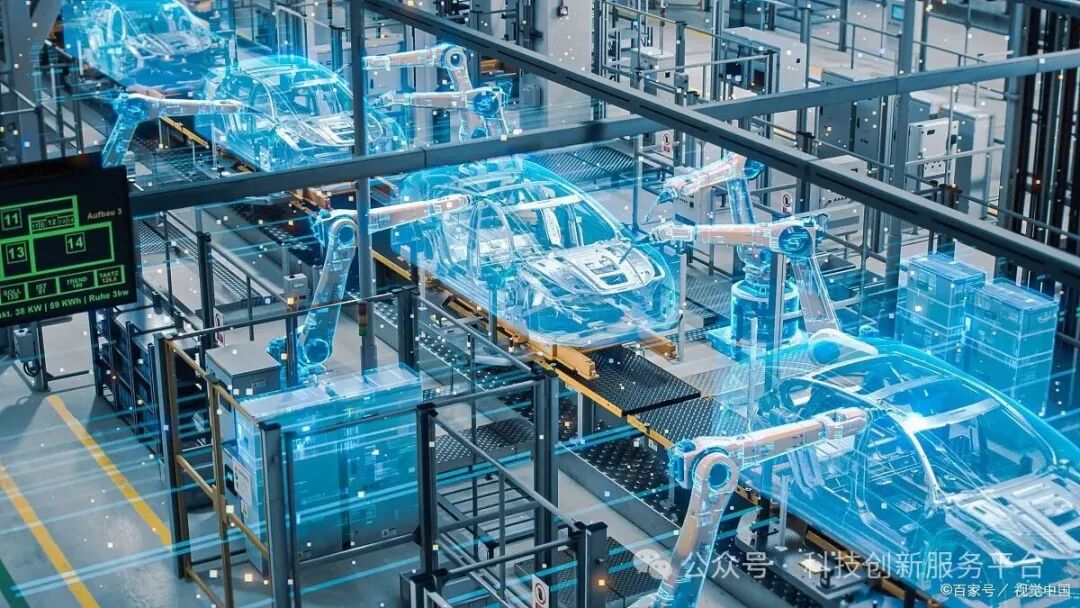
Under the guidance of policies, the industry is expected to present the following development directions and prospects in the future. Government support for technology research and development will encourage enterprises to increase investment in key technology areas such as IoT, big data, and artificial intelligence, promoting technological innovation and breakthroughs, and enhancing China’s independent innovation capabilities and core competitiveness in related fields. Policy support for industry cultivation will attract more enterprises to enter the fields of IoT and intelligent manufacturing, promoting industrial clustering and the improvement of industrial chains, forming a number of internationally competitive industrial clusters and leading enterprises. For example, in some regions, governments have attracted numerous intelligent manufacturing enterprises to settle by building intelligent manufacturing industrial parks, forming a complete industrial chain from key component production, intelligent equipment manufacturing to system integration and application services.
Policy encouragement for application promotion will drive the widespread application of IoT, the integration of informatization and industrialization, digital transformation, and intelligent manufacturing in more industries and fields. The manufacturing industry will accelerate its transition to intelligent manufacturing, achieving intelligent, automated, and green production processes, improving production efficiency and product quality, and reducing production costs. Traditional industries such as agriculture, energy, and transportation will also actively introduce relevant technologies to achieve digital transformation and enhance industry development levels. For instance, in agriculture, IoT technology can be used to achieve real-time monitoring of farmland environments and precise irrigation and fertilization, improving the intelligence level and resource utilization efficiency of agricultural production; in the energy sector, digital technologies can achieve intelligent management of energy production, transmission, and consumption, enhancing energy utilization efficiency and safety.
The emphasis on standard formulation in policies will promote the improvement of the standard system related to IoT, the integration of informatization and industrialization, digital transformation, and intelligent manufacturing, enhancing the normalization and standardization levels of the industry, addressing issues related to device interconnectivity, data sharing, and security assurance, and creating a favorable environment for the healthy development of the industry. The government will also strengthen support for talent cultivation, encouraging universities and vocational colleges to offer relevant majors and courses to cultivate high-quality talents that meet industry development needs, providing talent guarantees for industry development.
8. Conclusion
8.1 Research Summary
This research deeply analyzes the complex relationships and interaction mechanisms among IoT, the integration of informatization and industrialization, digital transformation, and intelligent manufacturing. The IoT, as a foundational technological support, runs through all aspects of the integration of informatization and industrialization, digital transformation, and intelligent manufacturing, providing the basis for data collection, transmission, and sharing, achieving interconnectivity of devices, and promoting intelligent development across various fields. The integration of informatization and industrialization is a specific embodiment of digital transformation in the industrial field and a prerequisite and foundation for intelligent manufacturing. It promotes digital transformation in production and management through the deep integration of information technology and industrial technology, accumulating rich data resources and informatization management experience, providing strong support for digital transformation and intelligent manufacturing.
Digital transformation is the process by which enterprises utilize digital technologies to comprehensively reform business models and operational processes, serving as a prerequisite for intelligent manufacturing. It provides the technical framework, data resources, and digital management systems necessary for intelligent manufacturing to achieve intelligent decision-making, automated control, and precise execution in production processes. Intelligent manufacturing, in turn, is the specific practical application of digital transformation in the manufacturing sector, achieving real-time monitoring, analysis, and optimization of production processes through highly automated and informatized production facilities, improving production efficiency and product quality, and driving innovation and development in enterprises.