 Introduction: We have written extensively about ADCs, and Fat Cat believes that this form of medication can absolutely reshape the landscape of targeted drug development!In fact, ADCs have been thriving in the field of tumor treatment. With precise delivery and powerful cytotoxic effects, they demonstrate remarkable commercial and clinical application strength!However, this is not the end of ADC drugs; their vast potential extends beyond oncology to include autoimmune diseases, infectious diseases, metabolic disorders, and neurodegenerative diseases…
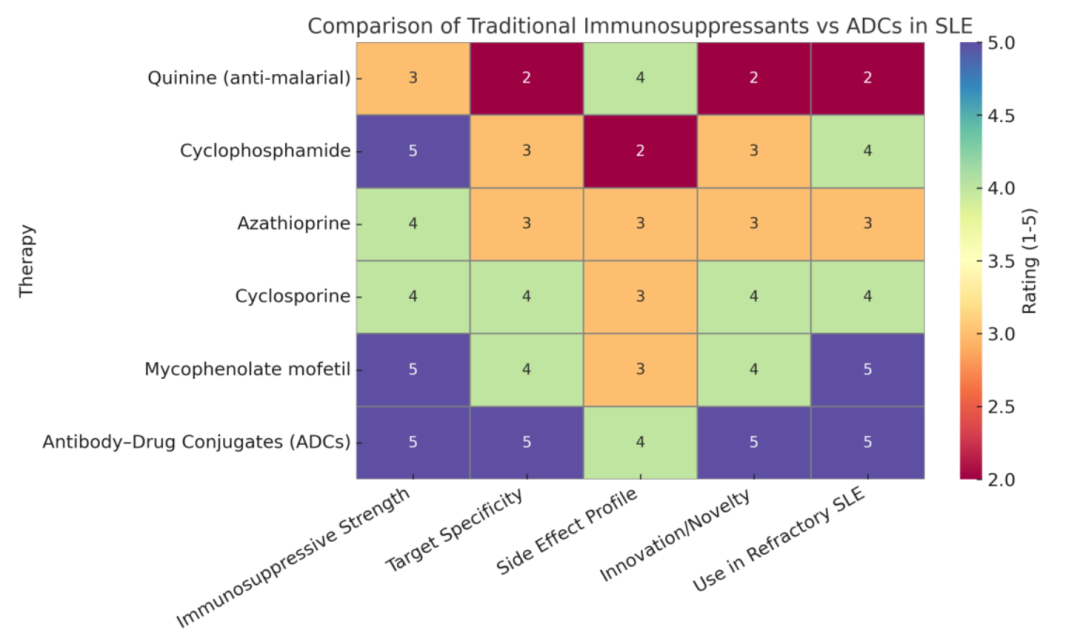
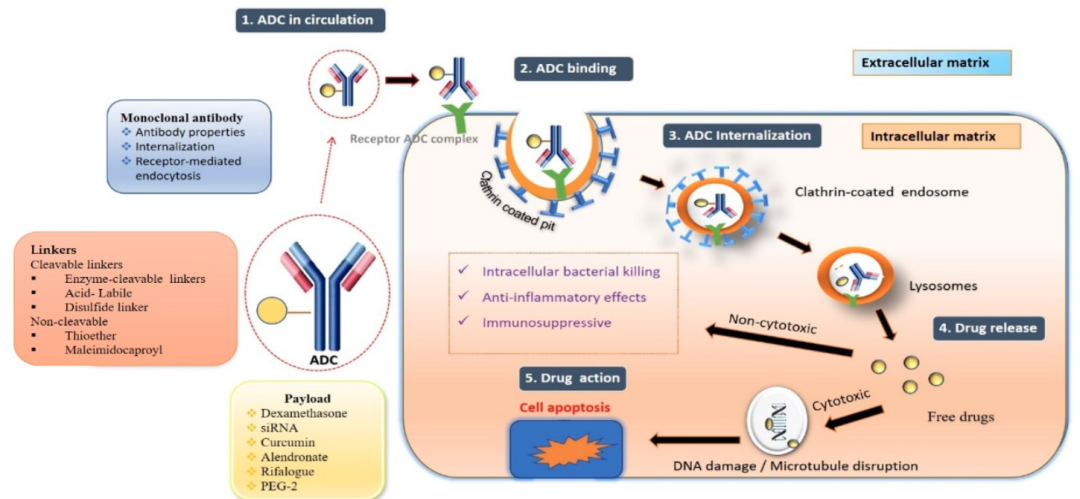 1ADC Presence in Autoimmunity and InflammationGiven the critical role of immune cells in the pathogenesis of autoimmune diseases, ADCs can precisely eliminate abnormal immune cells (such as B cells, T cells, or certain inflammatory mediators) without triggering widespread immunosuppression, thus achieving therapeutic effects for autoimmunity.
 ABBV-3373: An ADC developed by AbbVie that links an anti-TNF antibody with a glucocorticoid receptor modulator (GRM).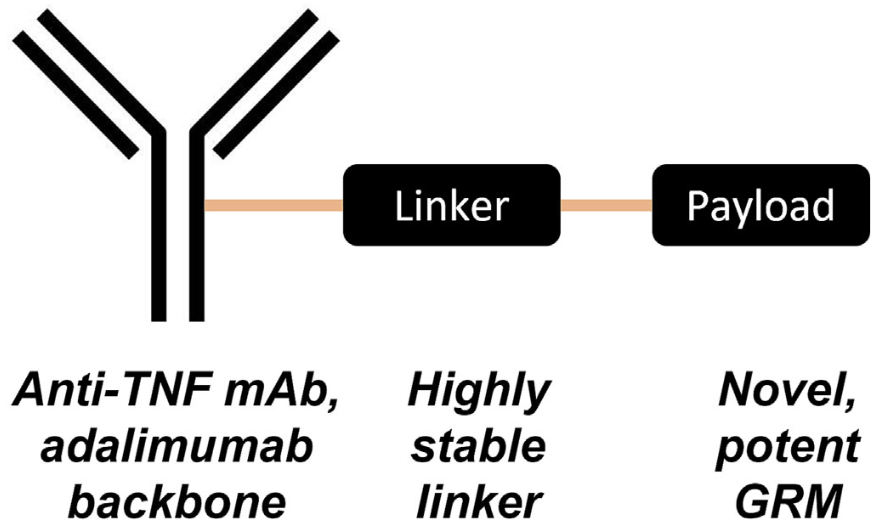
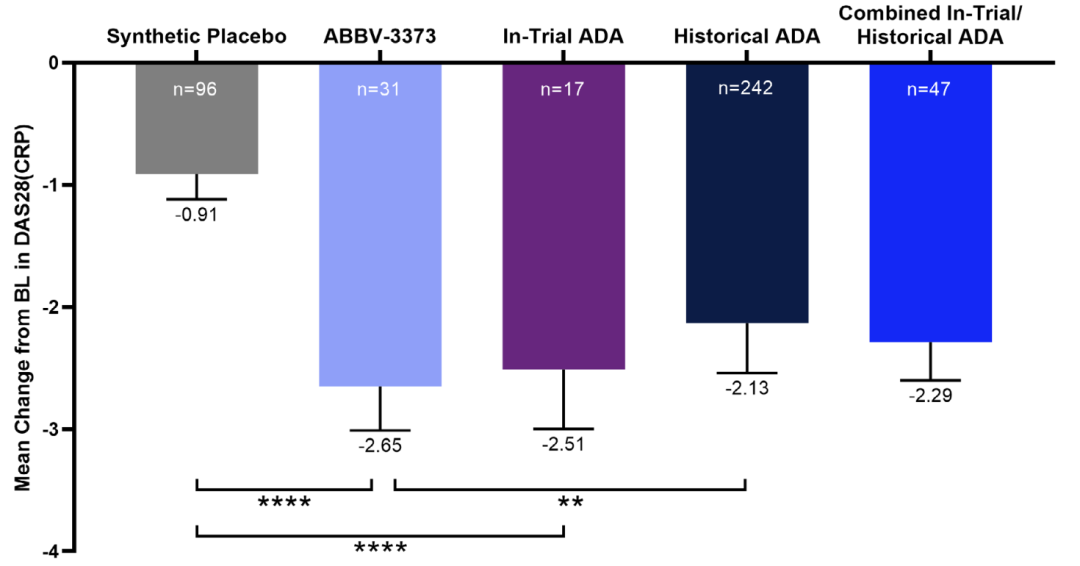
In a Phase IIb proof-of-concept clinical trial, 48 patients were randomly assigned to receive either ABBV-3373 (n = 31) or adalimumab (n = 17).At week 12 of treatment, the ABBV-3373 group showed a significant reduction in DAS28-CRP compared to historical adalimumab data (-2.65 vs -2.13; P = 0.022);the numerical improvement was greater than that of adalimumab in the trial/historical combination (-2.65 vs -2.29; probability 89.9%).
 AlthoughABBV-3373demonstrated excellent targeting and safety in the treatment of rheumatoid arthritis, the project was ultimately halted for strategic reasons.Additionally, researchers are investigating ADCs targeting CD6 and CD45, aiming to selectively eliminate pathogenic T cells. These approaches may open new therapeutic options for diseases such as lupus and multiple sclerosis.2ADC in the Field of Anti-InfectionIn the fight against infectious diseases, ADCs are also showing new prospects.Antibiotic resistance severely undermines the effectiveness of current clinical treatments for bacterial infections, prompting researchers to explore antibody-antibiotic conjugates (AAC) as a potential solution.Similar to ADCs, AACs use antibodies as carriers to target and deliver antibiotics to bacterial cells, releasing the drugs inside the cells, which effectively limits the damage of antibiotics to healthy host cells.
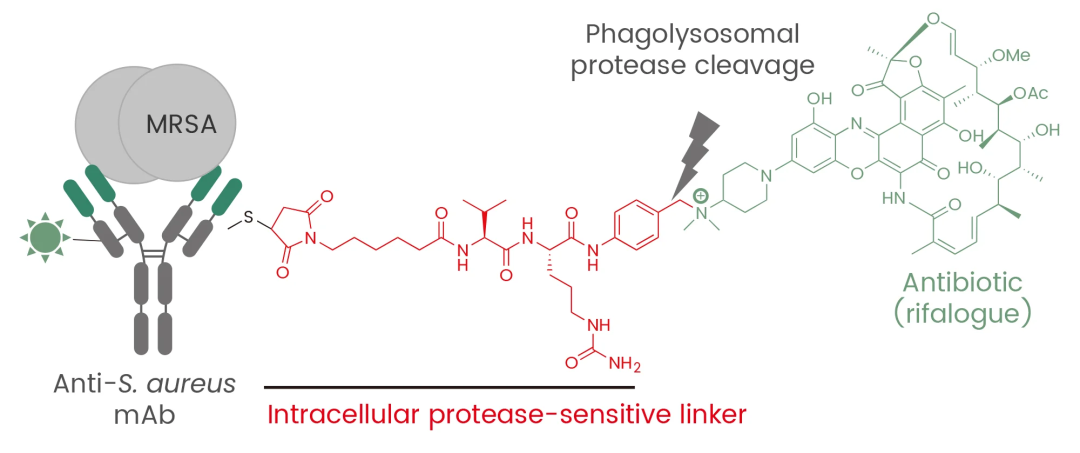
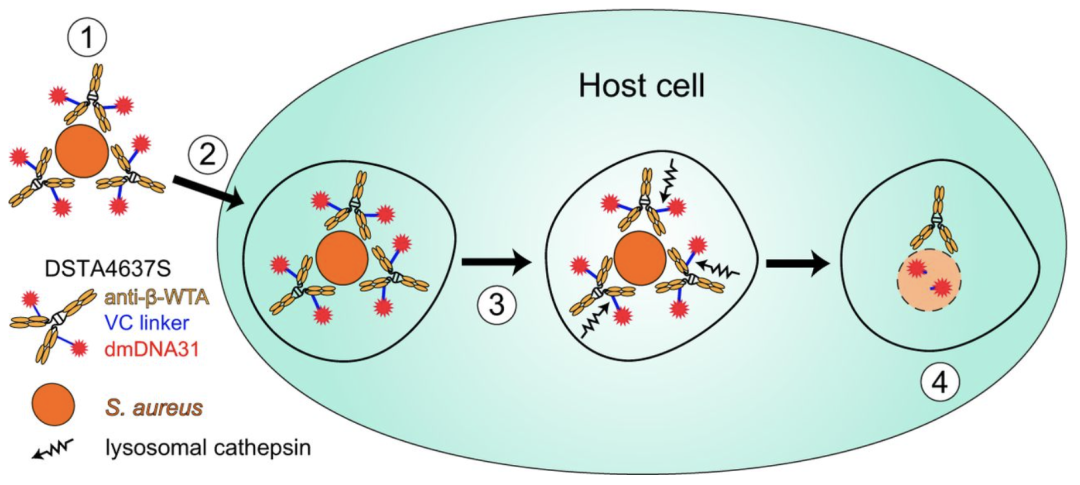 DSTA4637S (RG7861): This anti-infection antibiotic (AAC) employs a monoclonal antibody that binds to wall teichoic acid of Staphylococcus aureus, linked via a cleavable linker to a novel rifamycin antibiotic (dmDNA31).After phagocytes engulf the antibody-bacteria complex, intracellular proteases cleave the linker, releasing the antibiotic to kill the drug-resistant Staphylococcus aureus hidden within host cells.The clinical trials of this drug have yielded encouraging results, highlighting its potential as a next-generation antibiotic.
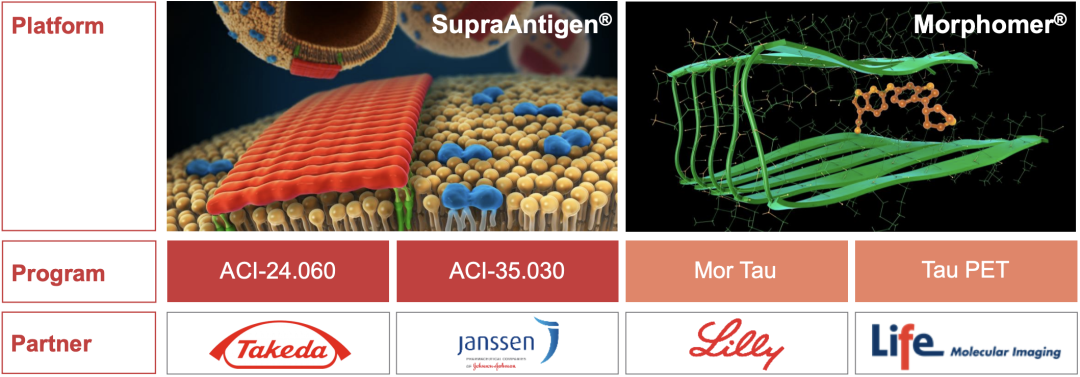
 In the field of antiviral treatments, researchers are also studying ADCs targeting HIV-1 proteins gp41 and gp120. By precisely delivering antiviral drugs, they enhance the therapeutic effects against viruses.3ADC Targeting the Central Nervous System (CNS)The targets for CNS diseases are very complex, and drug delivery needs to penetrate the blood-brain barrier, which poses challenges for drug efficacy.However, ADC drugs have begun to show early applications in neurodegenerative diseases.morADC:AC Immune has developed the ADC candidate morADC based on its two major drug technology platforms, Morphomer® and SupraAntigen®.This drug can bind to two highly selective molecules, each designed to target and destroy pathological forms of proteins, such as Abeta, Tau, or α-synuclein (α-syn).morDAC supports single-target or dual-target strategies, providing combination therapy through a single therapeutic agent, and significantly enhances anti-aggregation effects compared to using individual parent molecules alone.Moreover, compared to single parent molecules, morADC can more efficiently cross the blood-brain barrier and has higher efficacy.
 4ADC in the Field of Metabolic DisordersADC technology is gradually being applied to metabolic diseases such as atherosclerosis, diabetes, and obesity.Maridebart Kafalutide (MariTide/AMG 133): An antibody-peptide conjugate developed by Amgen, designed to couple two GLP-1 receptor agonist peptides with a GIP (glucose-dependent insulinotropic polypeptide) antibody.
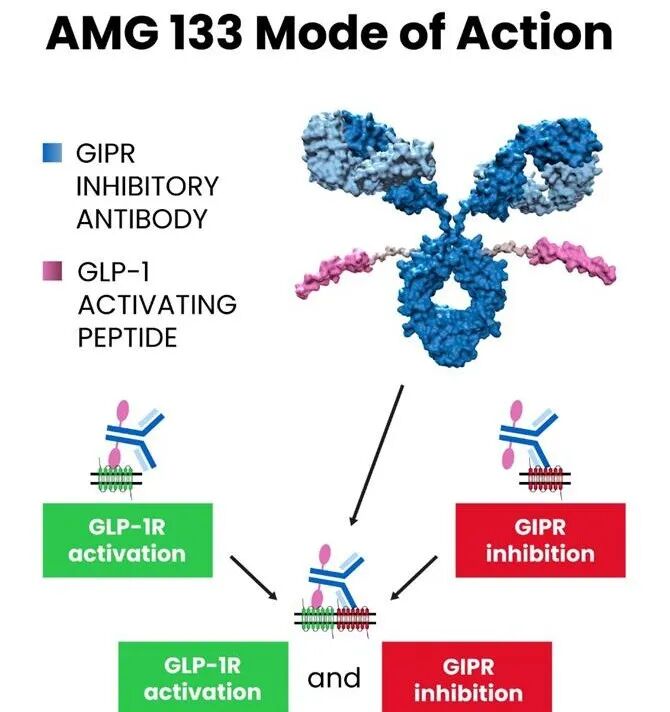 AMG133 consists of a three-part structure: the GLP-1 agonist activates the GLP-1 receptor to stimulate insulin secretion, while the anti-GIP antibody downregulates GIP activity. These mechanisms work together to achieve controllable weight loss effects.Currently, the published Phase II clinical study results show that after one year of using this drug, patients can lose 20% of their body weight.5Anti-Fibrosis ADC DrugsADCs are also very useful in treating fibrotic diseases such as pulmonary fibrosis and liver fibrosis.These fibrotic diseases are characterized by excessive tissue scarring, often leading to organ dysfunction and, in severe cases, organ failure.ADCs provide a targeted therapeutic approach by directly delivering drugs to fibrotic tissues and modulating fibrosis-related pathways.
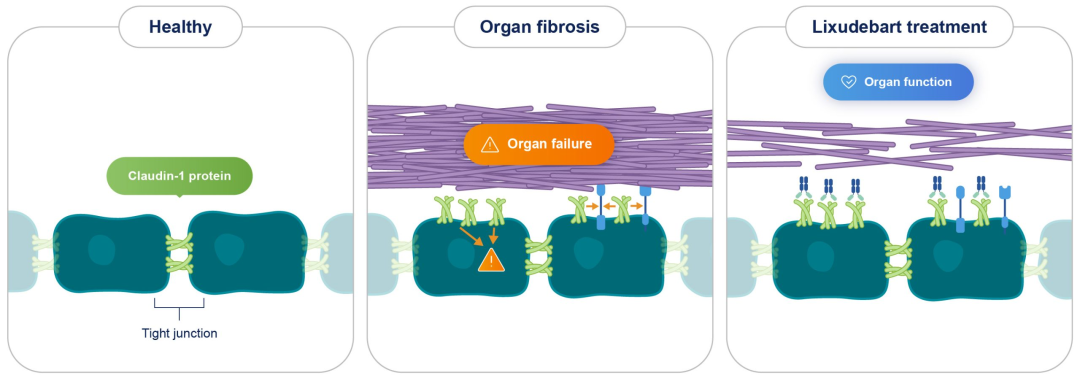 Alentis Therapeutics is developing lixudebart, an antibody targeting a unique epitope of CLDN1 exposed in fibrotic tissues, aimed at reversing organ fibrosis.Currently, Lixudebart is being evaluated in clinical trials for advanced liver fibrosis.Alentis Therapeutics has also developed two ADC drugs based on this antibody: ALE.P02 and ALE.P03.
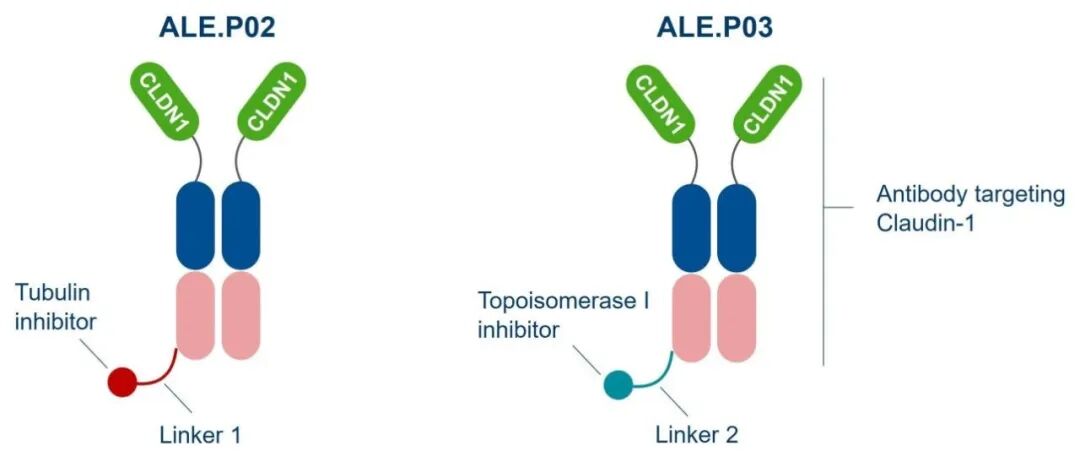 In the treatment of liver fibrosis, ADCs can directly deliver anti-fibrotic drugs to the liver, thereby reducing scarring and preventing the progression of cirrhosis.For more ADC articles, please click on the end of the article “ADC Collection”.