48%! The thermal efficiency of Chery’s Kunpeng Tianqing engine approaches the limit. This figure is not just a boast; it surpasses Toyota’s hybrid system’s 41.5%, effectively donning a layer of steel armor for domestic engines.
However, despite the hard armor, the heart—ECU, turbochargers, and sensors—still reveals a troubling ‘weakness’, akin to a tiger that roars proudly but is suddenly pricked by a needle.
The rise of domestic engines cannot be overlooked. Market share has surged from 17% in 2015 to an impressive 63% today, with the three major camps of Chery, Changan, and Dongfeng standing strong like a tripod.
Chery’s 1.6T engine has surpassed 10 million units globally, a true testament to its strength. Foreign giants like Kawasaki Heavy Industries and Fiat are actively purchasing, showcasing the international competitiveness of domestic engines.
However, despite this prowess, the hardware is taking off while the brain and eyes remain under foreign control, a frustrating reality.
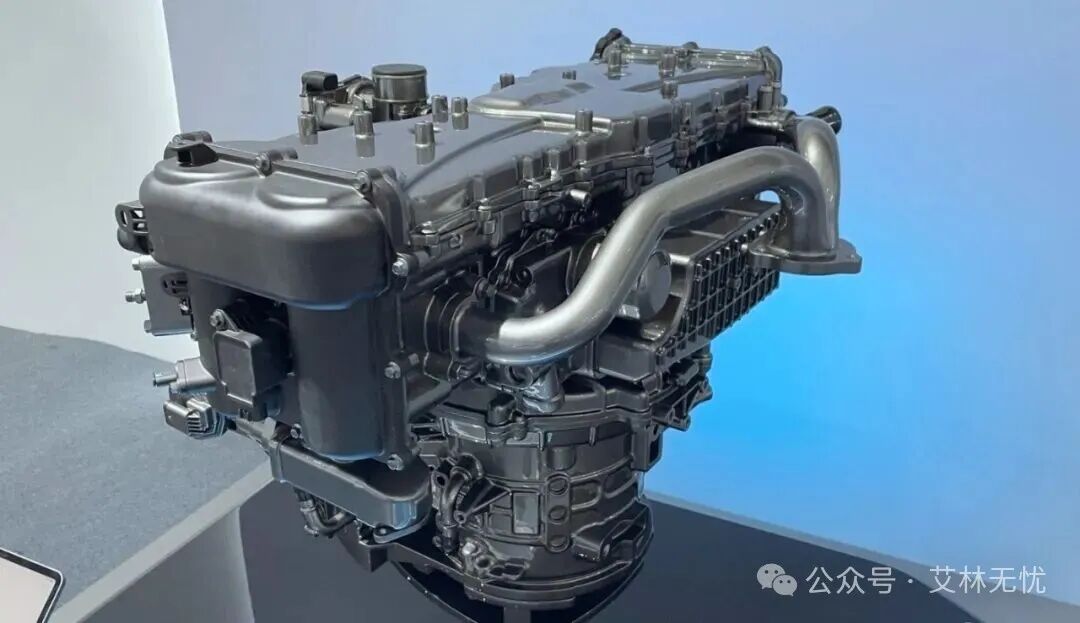
First, let’s talk about the ‘brain’ of the engine, the ECU, which is the nerve center of the engine. The precision of its control determines everything. However, a staggering 60% of the domestic market is dominated by foreign giants like Bosch and Continental, with the localization rate of core MCUs barely reaching 8%.
High-end products are almost entirely locked down by Infineon and NXP. Although local companies like United Automotive Electronics and Jingwei Hirain have captured a small share in the new energy market, the traditional high-end passenger car market remains the domain of foreign companies.
Just think about it: without autonomy in the brain, how can we withstand the competitive storm of the future?
Next, let’s look at turbochargers, known as the ‘keen eye’ of the roaring engine, significantly boosting engine power.
China contributes 36% of global demand, yet 67% of the shipment volume is firmly held by foreign giants like BorgWarner and Honeywell.
Not to mention the high-end niche market for variable geometry turbochargers, which is nearly monopolized by foreign companies at 38%.
Local companies like Ningbo Fengwo are striving to break through, with expectations to exceed a 10% market share by 2025, but their prices are nearly 20% lower, positioning them more as ‘low-end extras’ while the high-end market remains the territory of others.
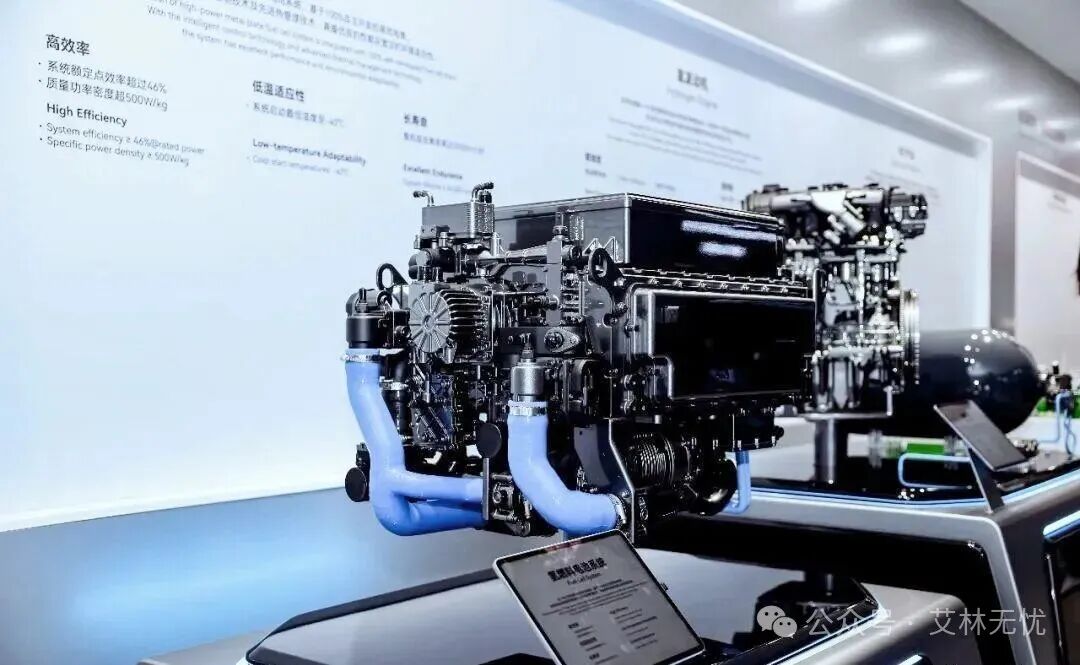
Having discussed the ‘brain’ and ‘eyes’ of the hardware, we must not forget the ‘nerve endings’ of the engine—sensors. While not overtly exposed by individual data, the relevant market shows that Bosch and Continental Group hold over 60% of the market share, with critical engine detection components and signal reception modules heavily reliant on imports. Isn’t this a clear case of invisible monopoly?
This year, a domestic brand faced a supply disruption from German sensors, leading to the paralysis of two engine production lines, effectively becoming a ‘live target’.
Supply chain security issues represent the biggest hidden danger of this ‘armor’. National policies are closely following: during the 14th Five-Year Plan, the localization rate of turbochargers is expected to rise from 47% in 2020 to 62%, and the domestic replacement of ECUs is projected to exceed 40% by 2026.
Weifu High-Technology’s compressor production capacity has been increased to 6 million units, and Chipone Technology’s automotive-grade MCUs have passed verification, indicating that domestic efforts are actively addressing these shortcomings.
However, no matter how hard we try, this ‘armor’ still lacks an autonomous ‘brain’ and ‘eyes’, which could lead to critical failures at crucial moments, choking us.
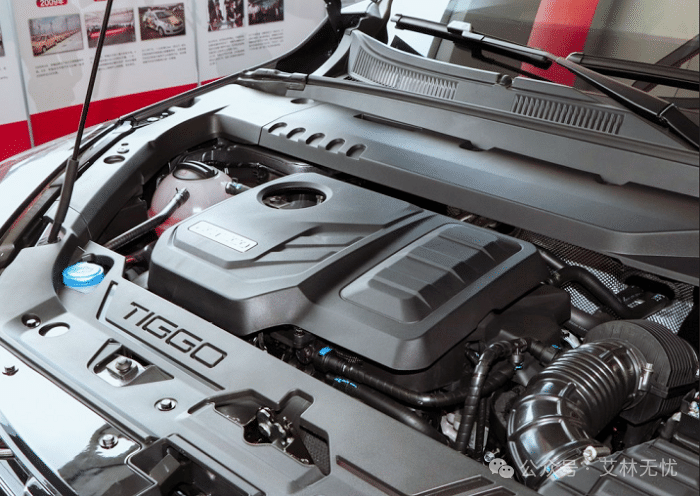
Imagine a ‘steel warrior’ with 48% thermal efficiency, yet due to key electronic components being controlled by foreign giants, it turns into a ‘paper tiger’, easily broken. Isn’t this the greatest pain of our technological autonomy?
This revolution in domestic engines has achieved dazzling results but also faces unbroken fortresses. When can we truly realize the localization of core components and turn ‘weaknesses’ into ‘copper walls and iron bastions’? This not only concerns the lifeblood of the industry but also the self-esteem and future competitiveness of our national industry.
What are your thoughts on the transformation journey of this ‘Chinese-style armor’? Will the ‘weaknesses’ of domestic engines become the next breakthrough in the nerve center?
Feel free to leave comments sharing your views on the localization of core components in domestic engines, and let’s witness this technological storm together!
#Technology#Technological Innovation